2026 Vol. 50, No. 4
Display Method: |


2026, 50(4): 043001. doi: 10.1088/1674-1137/ae3dc1
Abstract:
The Jiangmen Underground Neutrino Observatory (JUNO) started physics data taking on 26 August 2025. JUNO consists of a 20-kton liquid scintillator central detector, surrounded by a 35 kton water pool serving as a Cherenkov veto, and almost 1000 m2 of plastic scintillator veto on top. The detector is located in a shallow underground laboratory with an overburden of 1800 m.w.e. This paper presents the performance results of the detector, extensively studied during the commissioning of the water phase, the subsequent liquid scintillator filling phase, and the first physics runs. The liquid scintillator achieved an attenuation length of 20.6 m at 430 nm, while the high coverage PMT system and scintillator together yielded about 1785 photoelectrons per MeV of energy deposit at the detector centre, measured using the 2.223 MeV γ from neutron captures on hydrogen with an Am-C calibration source. The reconstructed energy resolution is 3.4% for two 0.511 MeV γ at the detector centre and 2.9% for the 0.93 MeV quenched 214Po alpha decays from natural radioactive sources. The energy non-linearity is calibrated to better than 1%. Intrinsic contaminations of 238U and 232Th in the liquid scintillator are below 10-16 g/g, assuming secular equilibrium. The water Cherenkov detector achieves a muon detection efficiency better than 99.9% for muons traversing the liquid scintillator volume. During the initial science runs, the data acquisition duty cycle exceeded 97.8%, demonstrating the excellent stability and readiness of JUNO for high-precision neutrino physics.
The Jiangmen Underground Neutrino Observatory (JUNO) started physics data taking on 26 August 2025. JUNO consists of a 20-kton liquid scintillator central detector, surrounded by a 35 kton water pool serving as a Cherenkov veto, and almost 1000 m2 of plastic scintillator veto on top. The detector is located in a shallow underground laboratory with an overburden of 1800 m.w.e. This paper presents the performance results of the detector, extensively studied during the commissioning of the water phase, the subsequent liquid scintillator filling phase, and the first physics runs. The liquid scintillator achieved an attenuation length of 20.6 m at 430 nm, while the high coverage PMT system and scintillator together yielded about 1785 photoelectrons per MeV of energy deposit at the detector centre, measured using the 2.223 MeV γ from neutron captures on hydrogen with an Am-C calibration source. The reconstructed energy resolution is 3.4% for two 0.511 MeV γ at the detector centre and 2.9% for the 0.93 MeV quenched 214Po alpha decays from natural radioactive sources. The energy non-linearity is calibrated to better than 1%. Intrinsic contaminations of 238U and 232Th in the liquid scintillator are below 10-16 g/g, assuming secular equilibrium. The water Cherenkov detector achieves a muon detection efficiency better than 99.9% for muons traversing the liquid scintillator volume. During the initial science runs, the data acquisition duty cycle exceeded 97.8%, demonstrating the excellent stability and readiness of JUNO for high-precision neutrino physics.


2026, 50(4): 043101. doi: 10.1088/1674-1137/ae2b5e
Abstract:
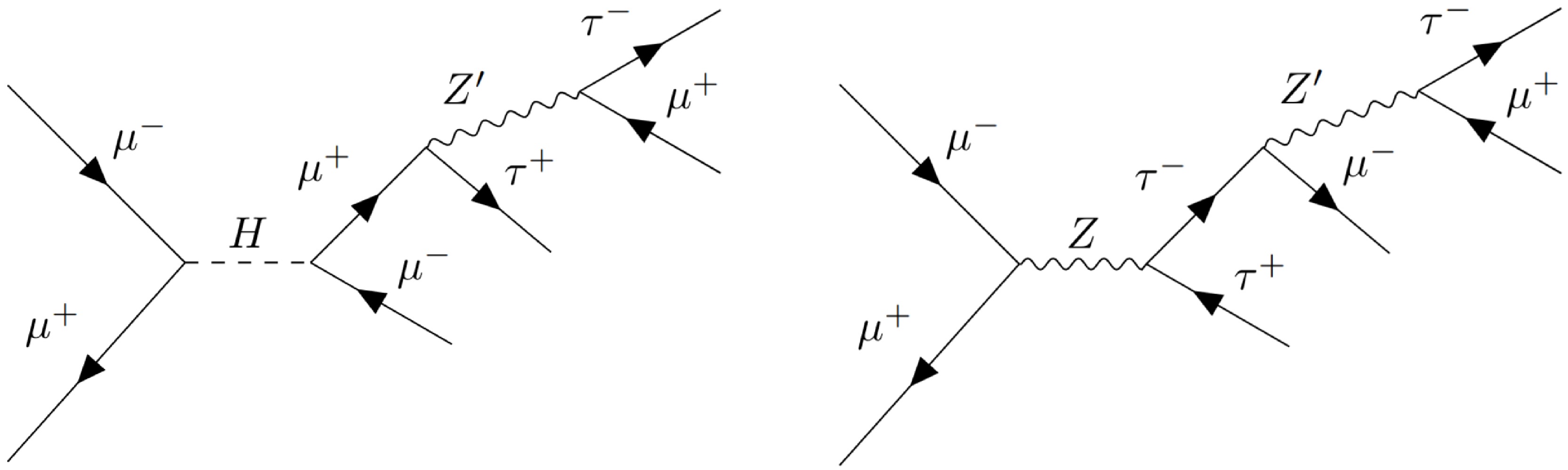
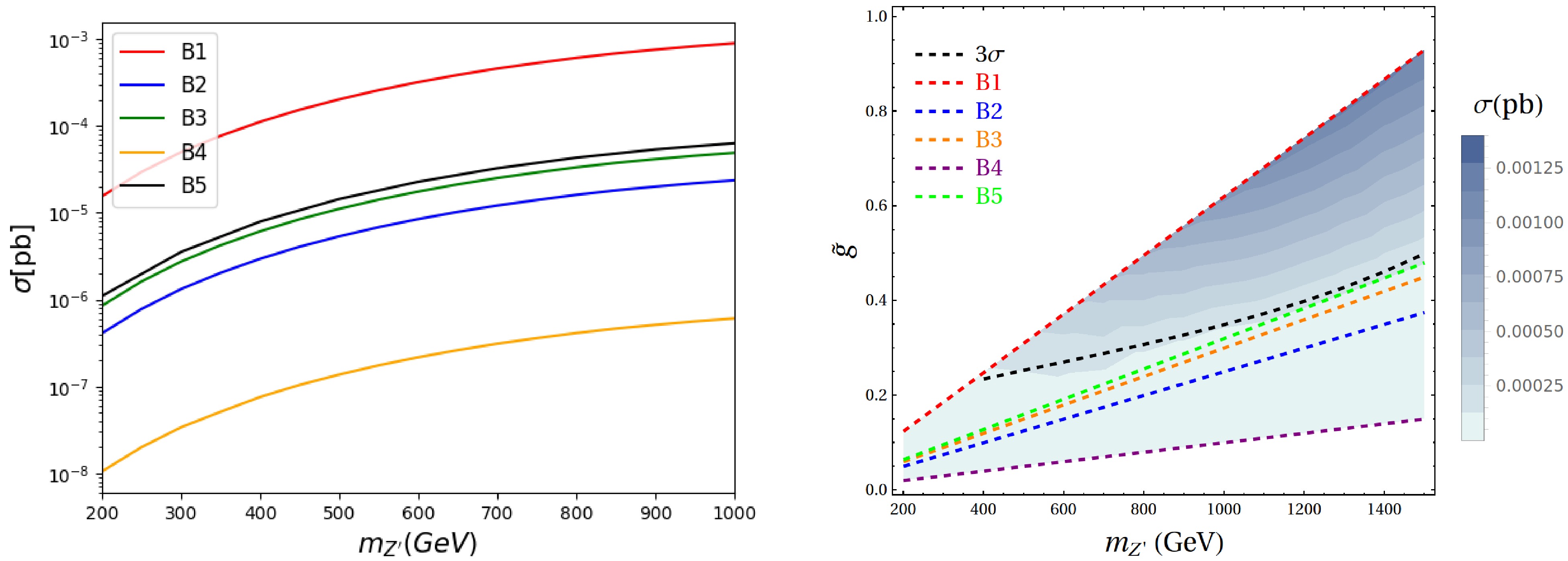
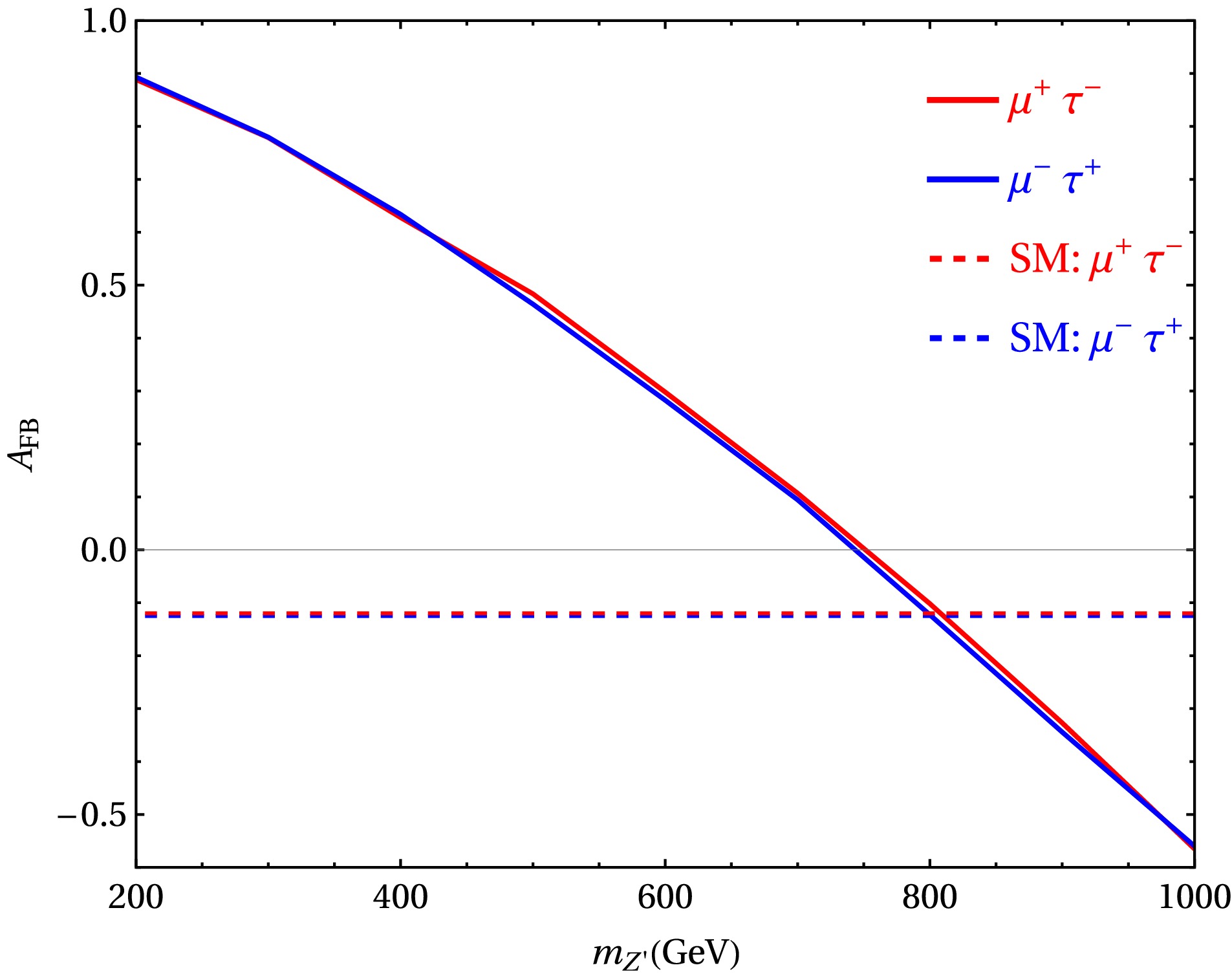
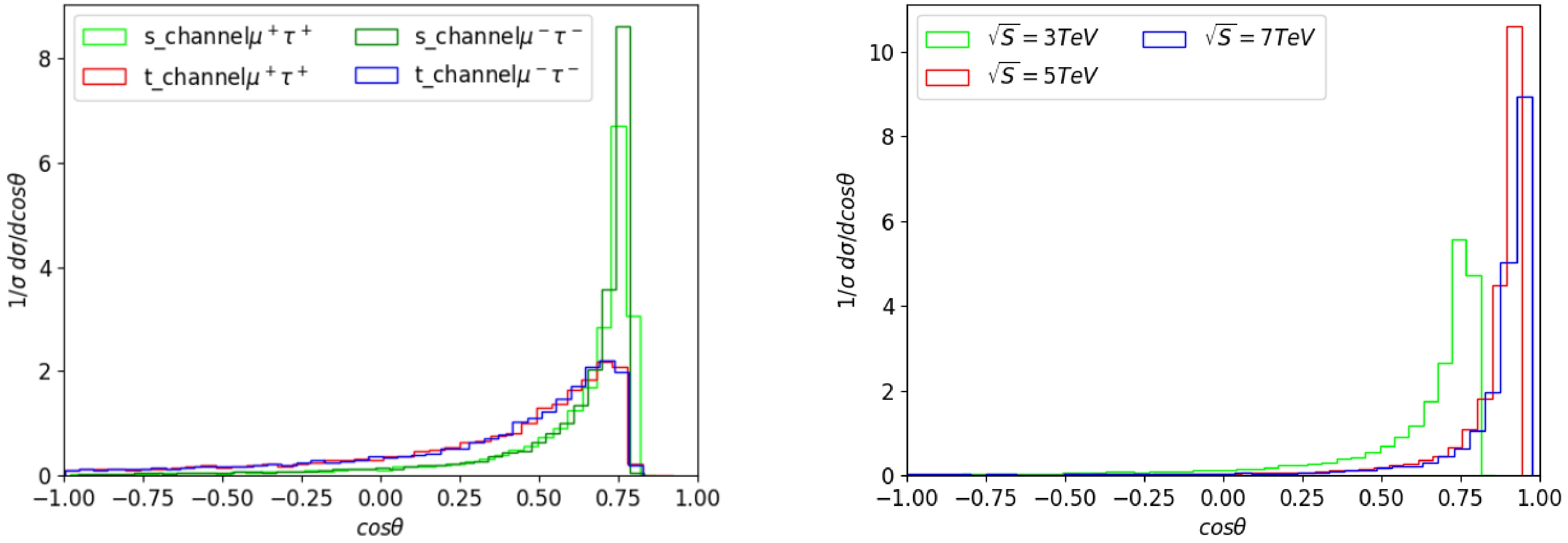
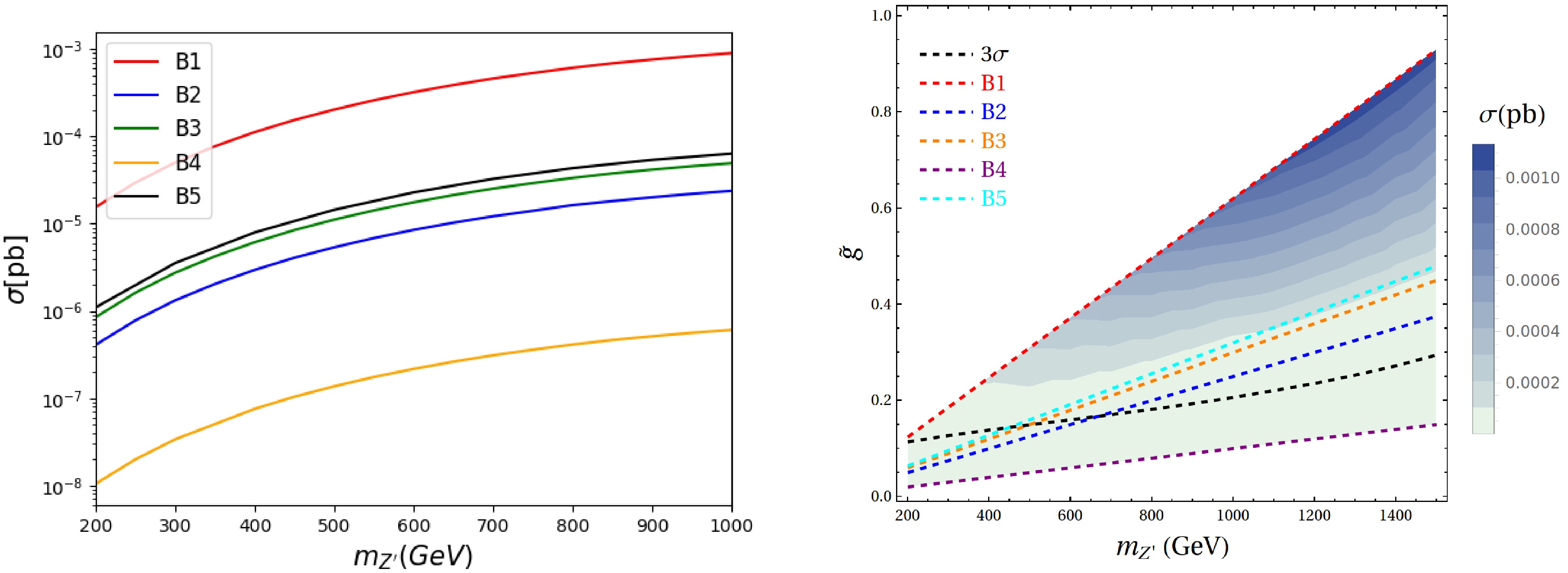
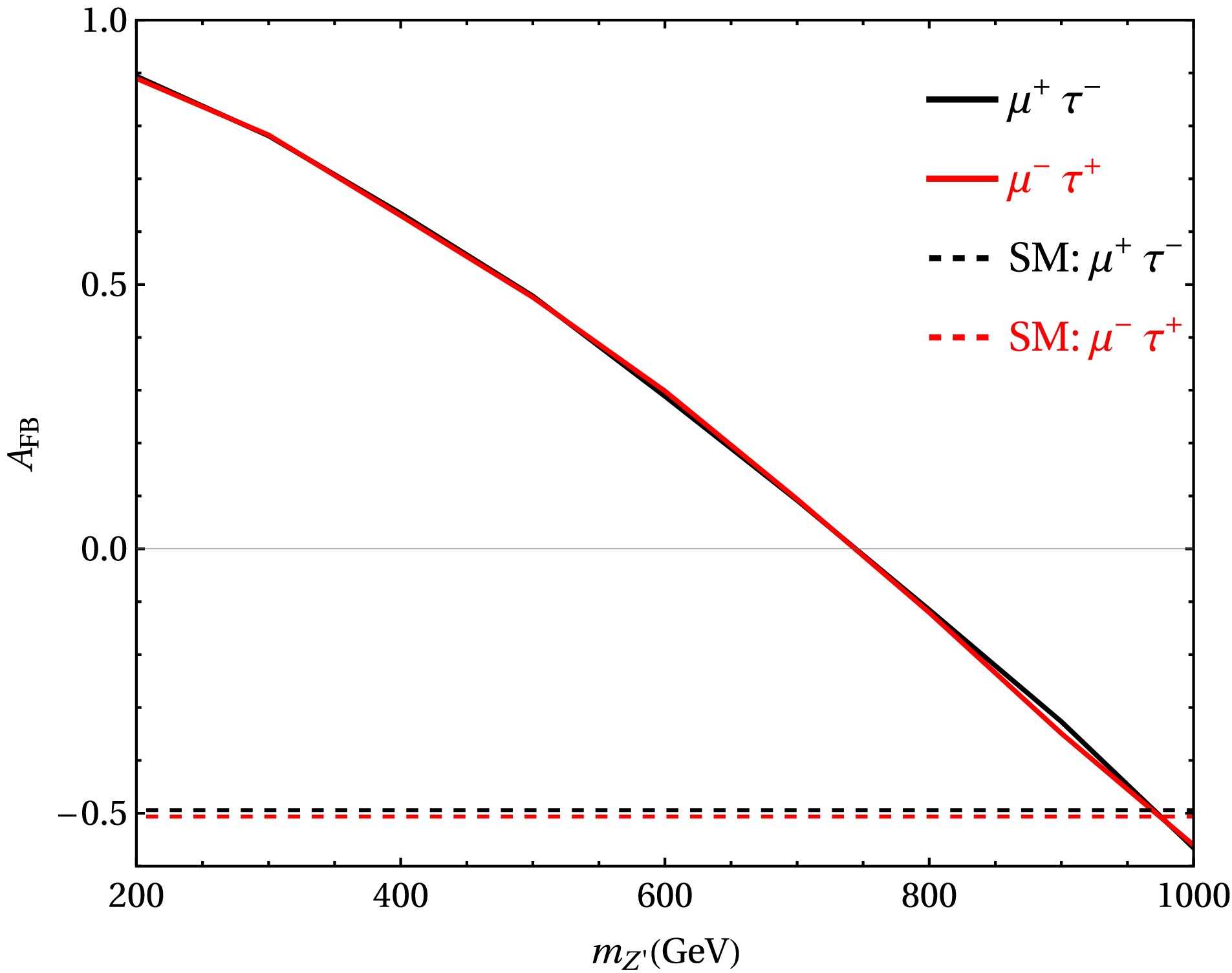
We investigate the collider signatures of a maximally flavor-violating\begin{document}$ U(1)_{L_\mu-L_\tau} $\end{document} \begin{document}$ Z^\prime $\end{document} \begin{document}$ m_{Z^\prime} $\end{document} \begin{document}$ \tilde{g}/m_{Z^\prime} $\end{document} \begin{document}$ m_{Z^\prime} $\end{document} \begin{document}$ U(1)_{L\mu - L_\tau} $\end{document}
We investigate the collider signatures of a maximally flavor-violating
2026, 50(4): 043102. doi: 10.1088/1674-1137/ae2f51
Abstract:
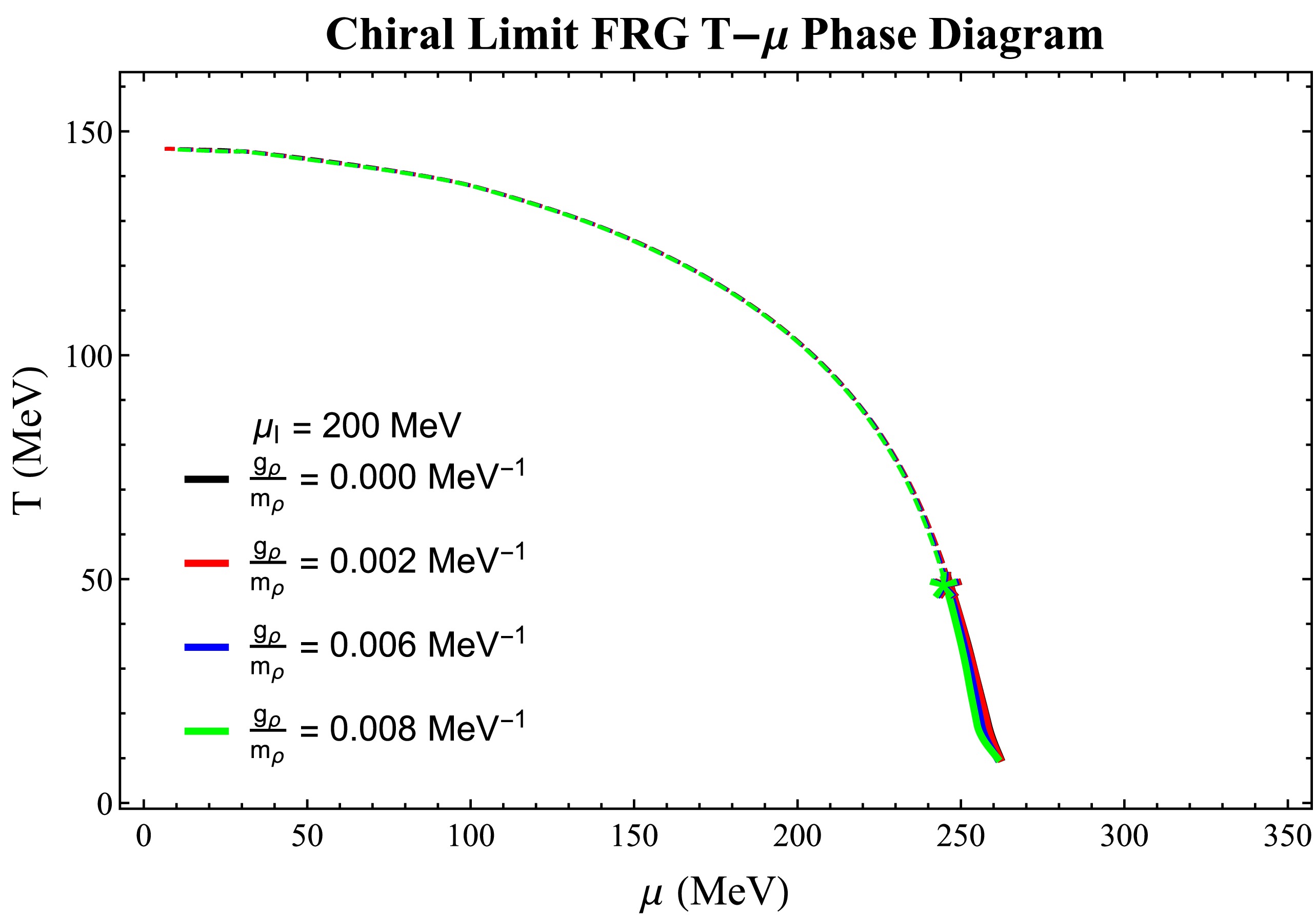
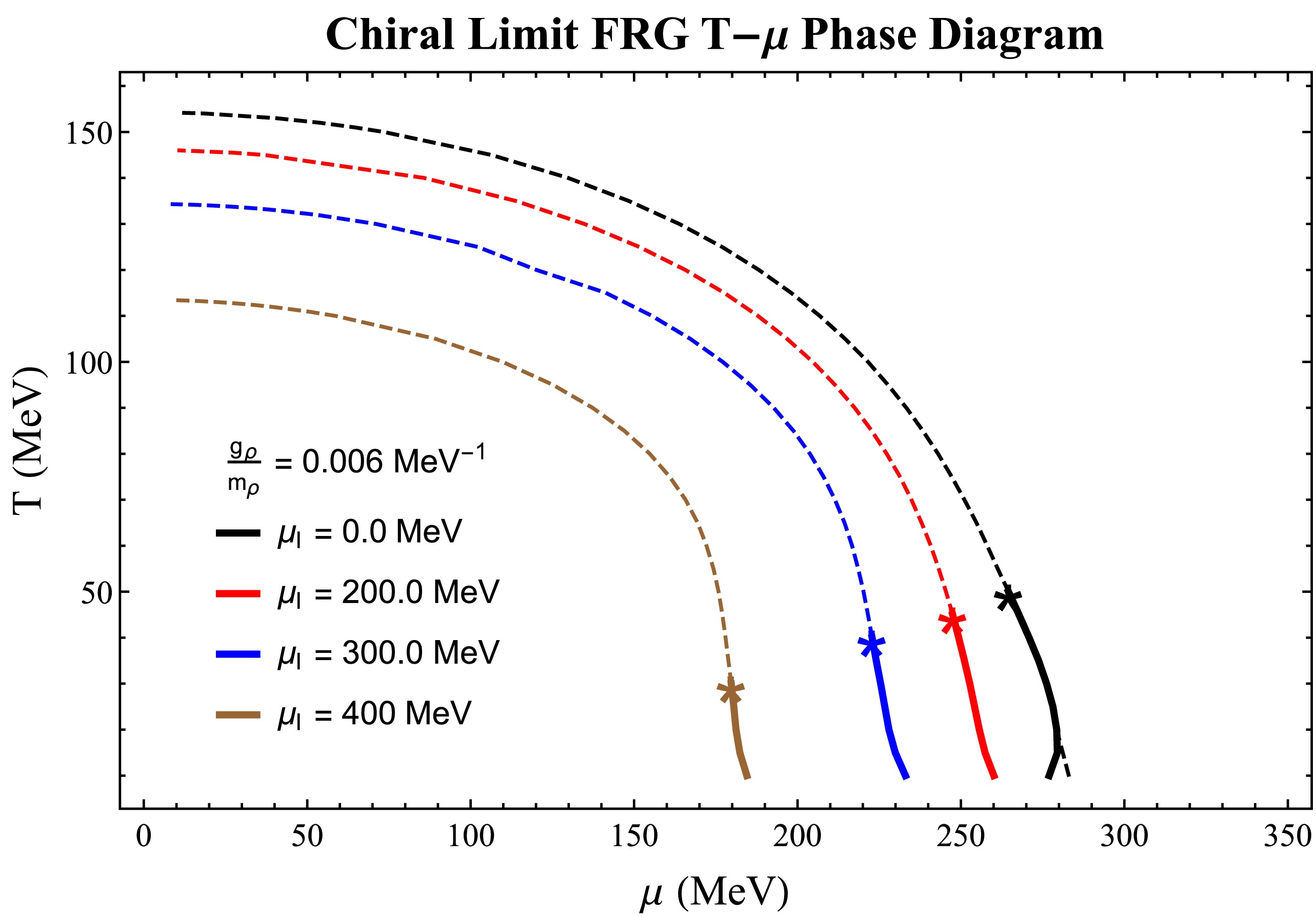
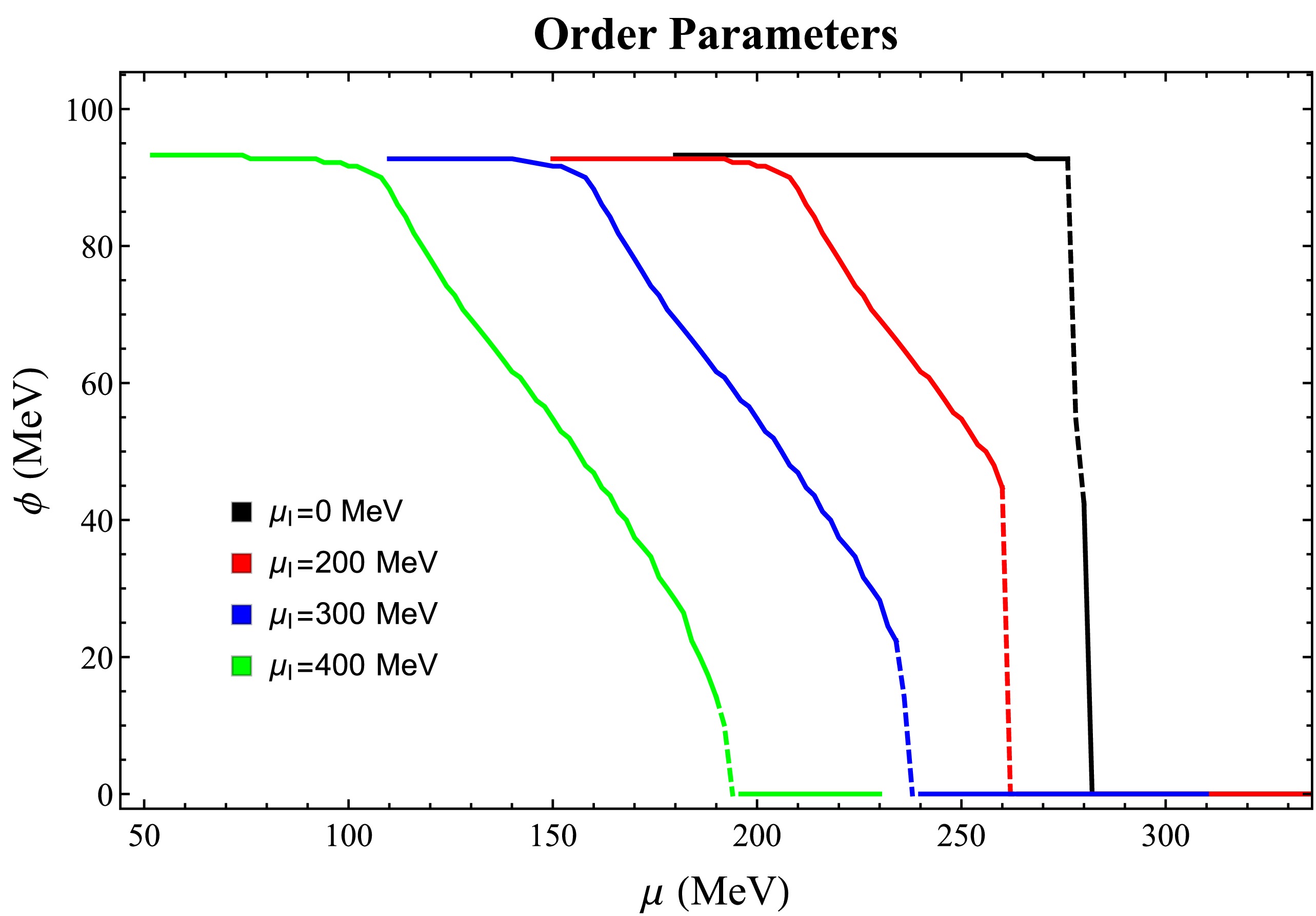
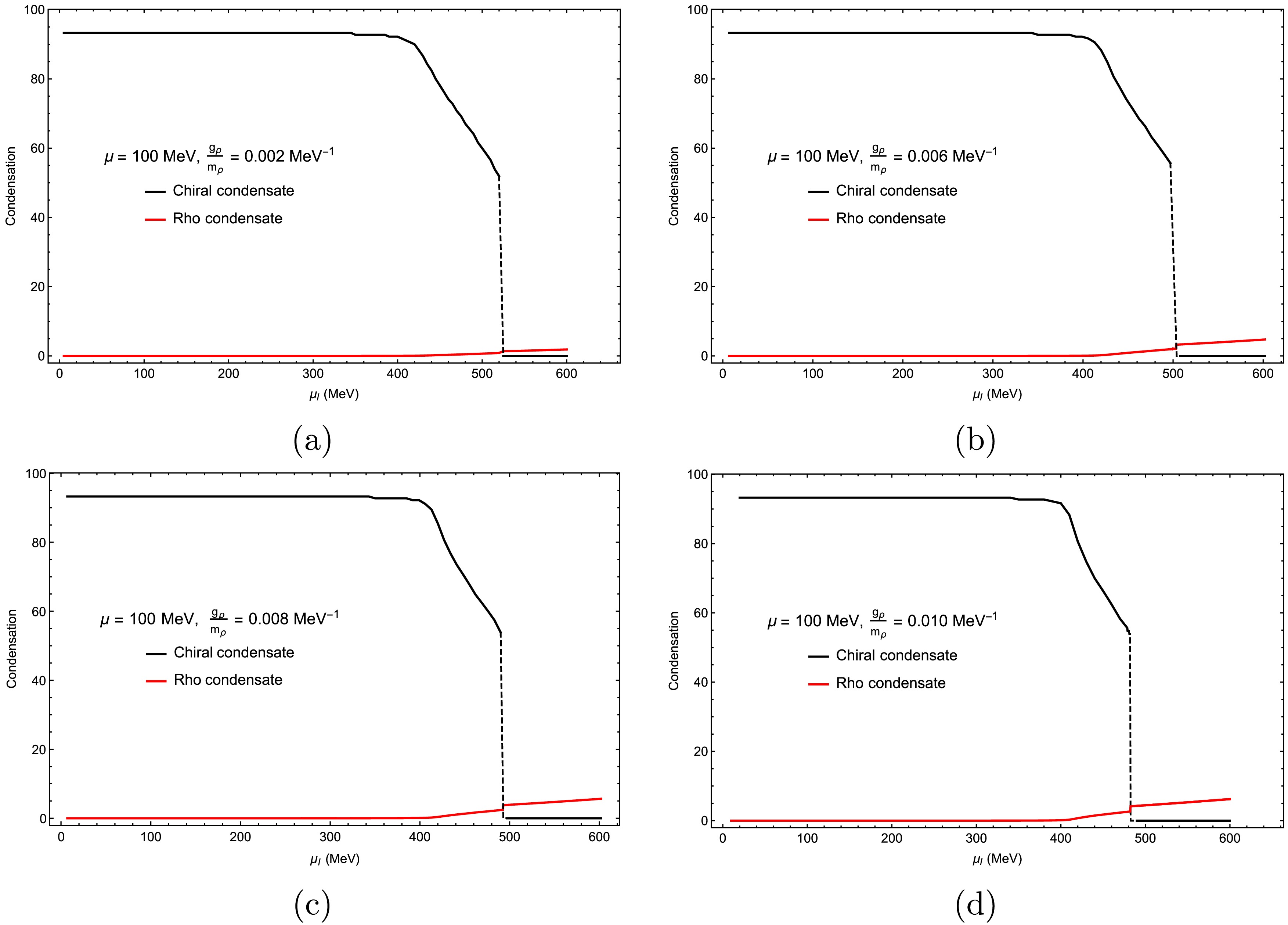
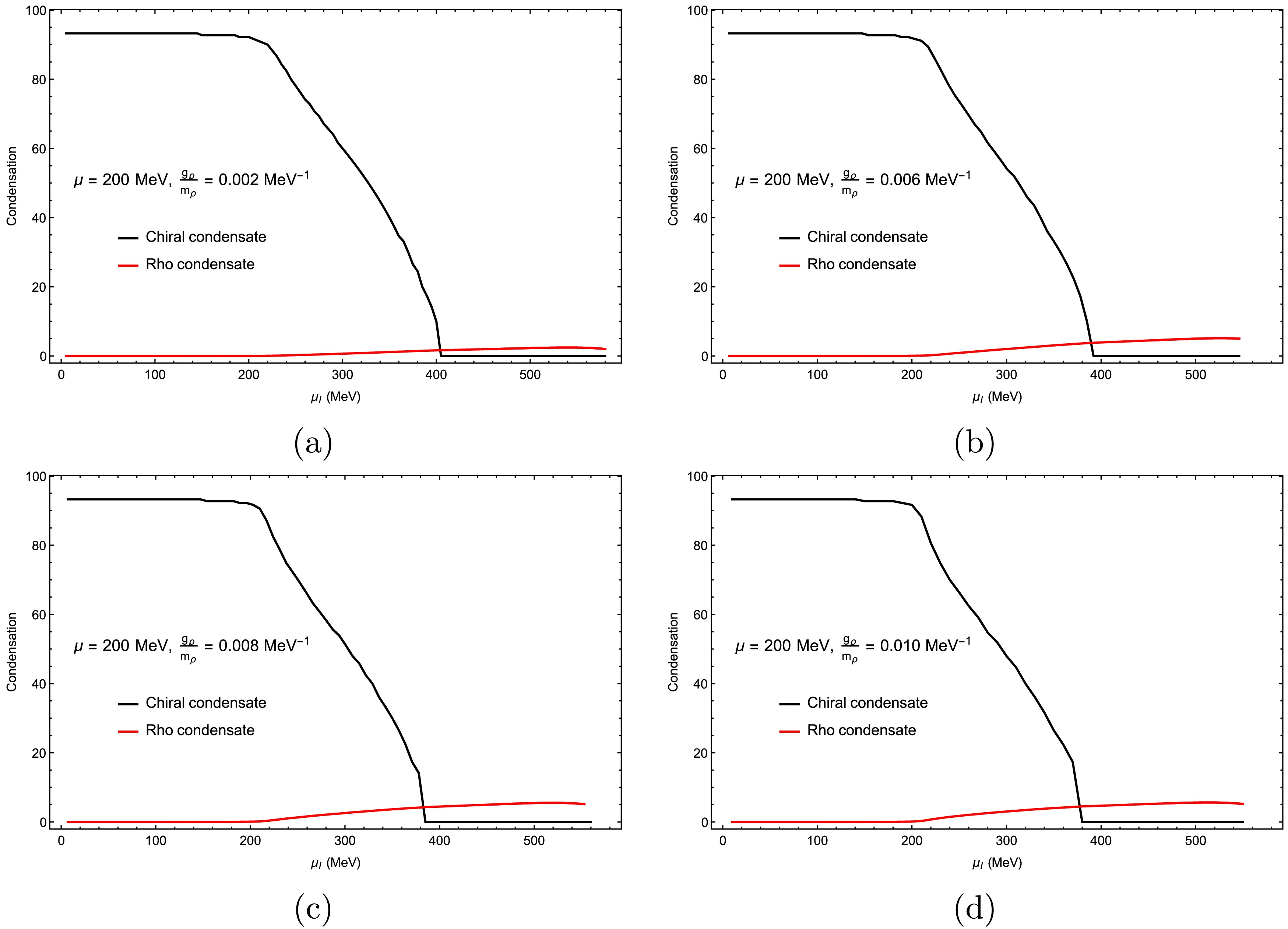
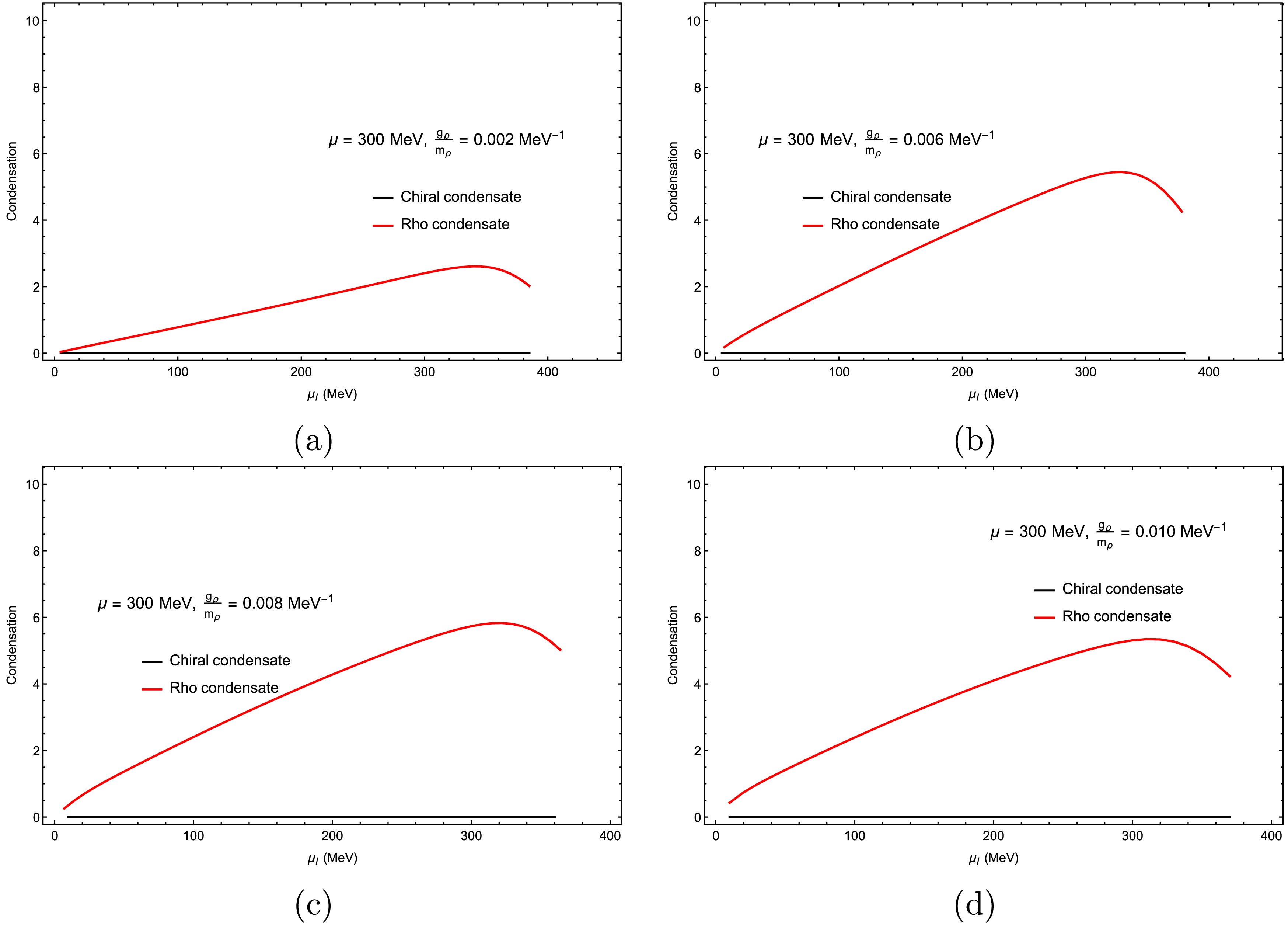
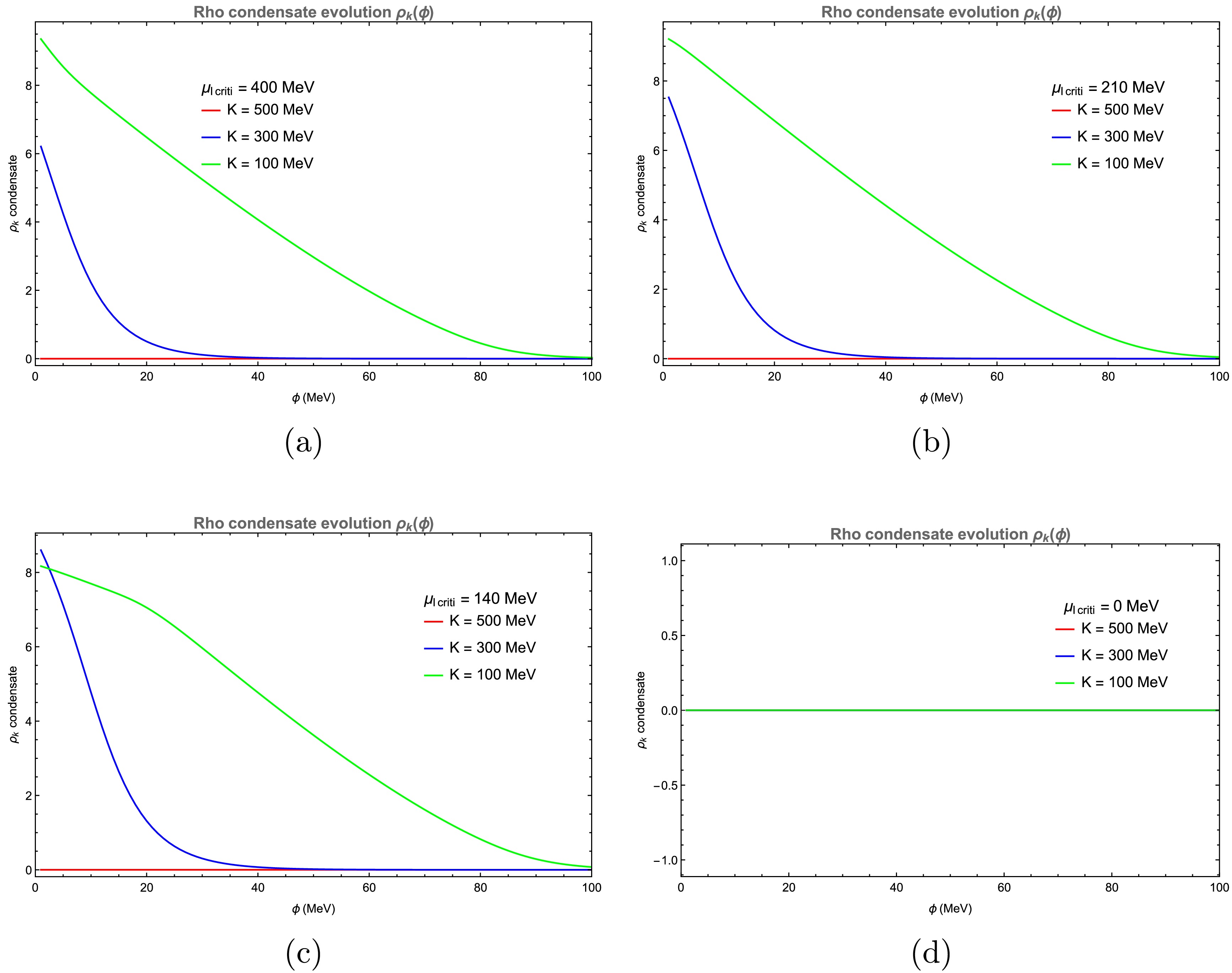
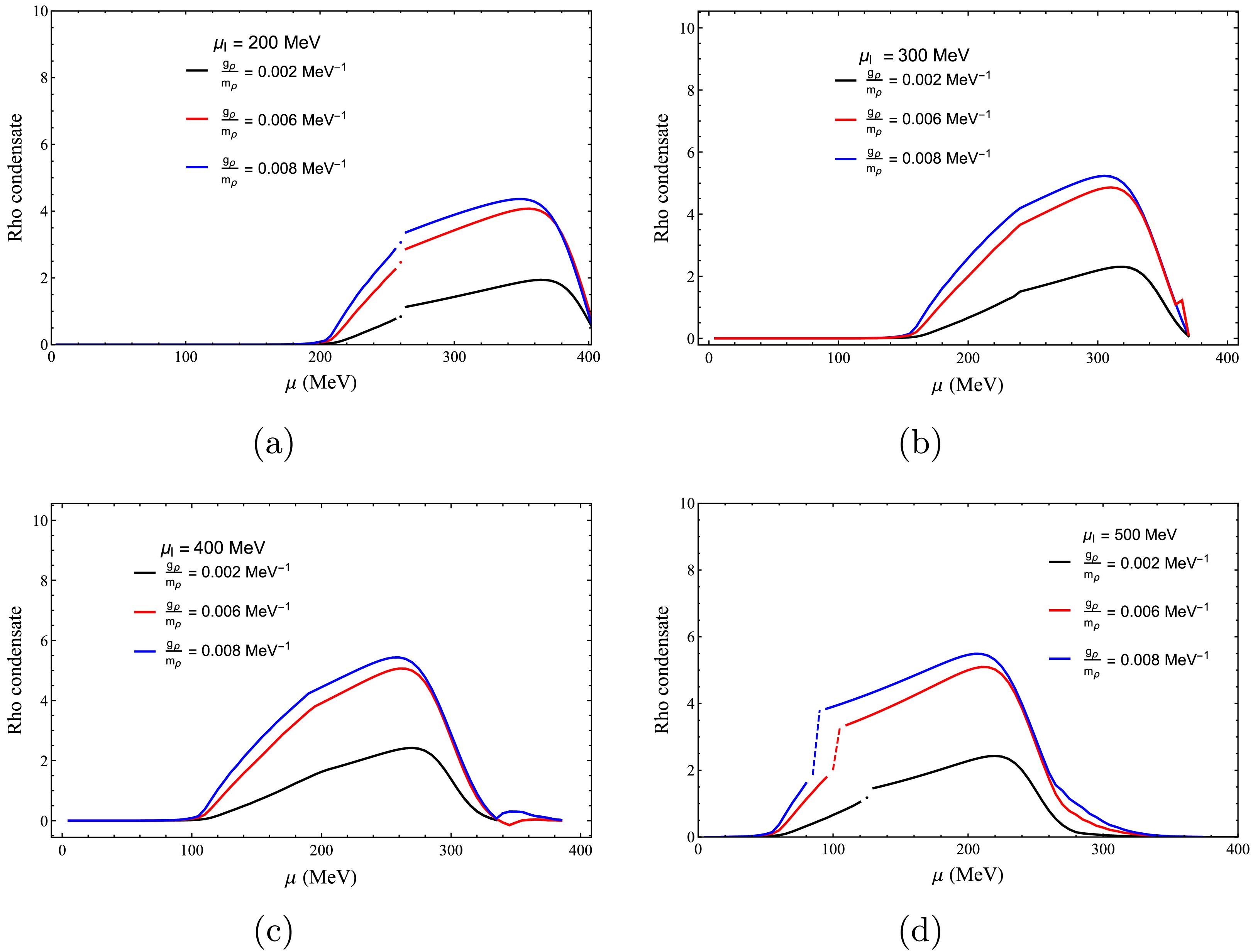
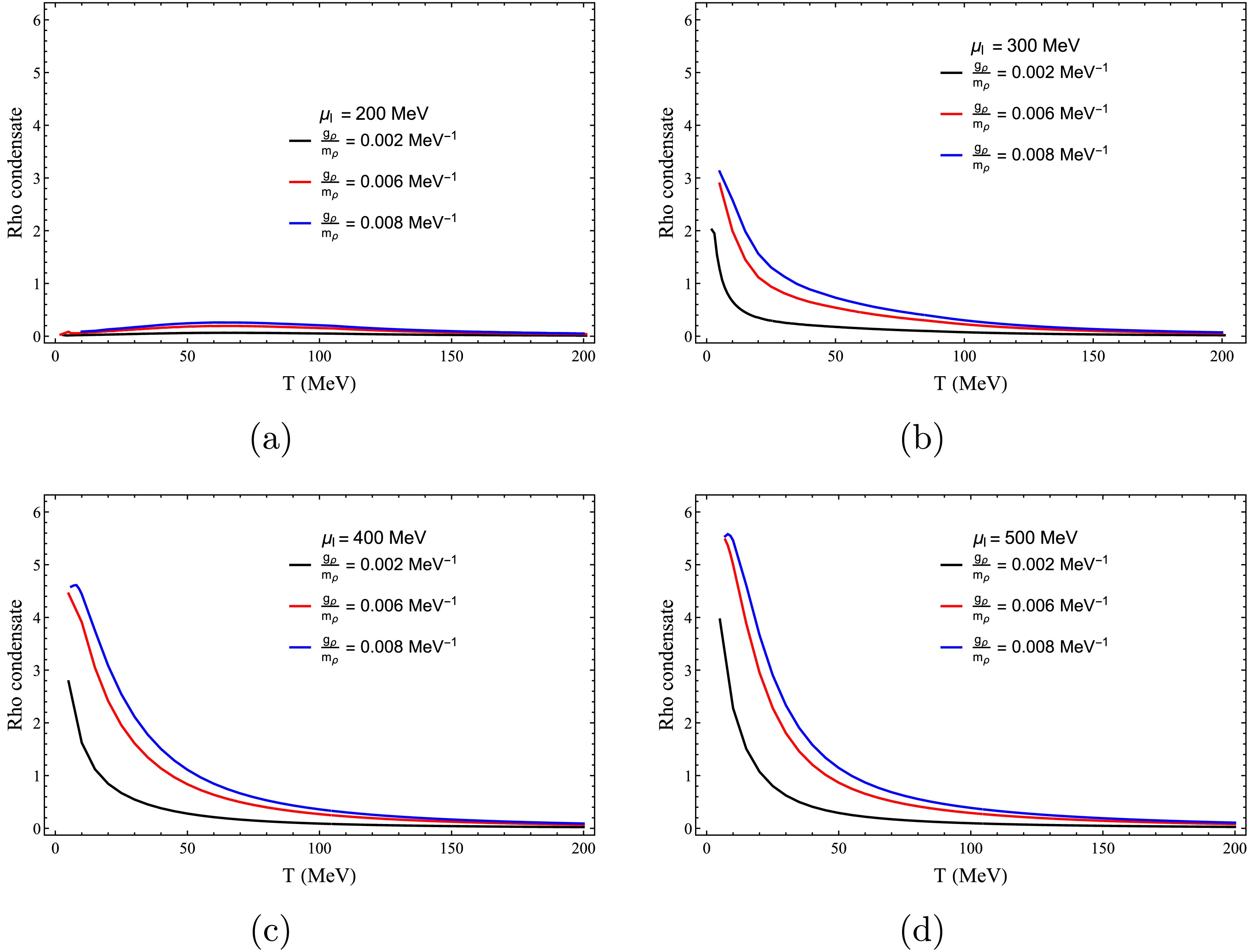
We investigated the effect of an isospin chemical potential (\begin{document}$ \mu_{I} $\end{document} \begin{document}$ \mu_{I} $\end{document} \begin{document}$\mu_{I,{\rm MF}} \gt m_\rho$\end{document} \begin{document}$ \mu_{I}^{{\rm{crit}}} $\end{document} \begin{document}$ \mu_{I} $\end{document} \begin{document}$ \mu_{I} $\end{document}
We investigated the effect of an isospin chemical potential (
2026, 50(4): 043103. doi: 10.1088/1674-1137/ae2f52
Abstract:
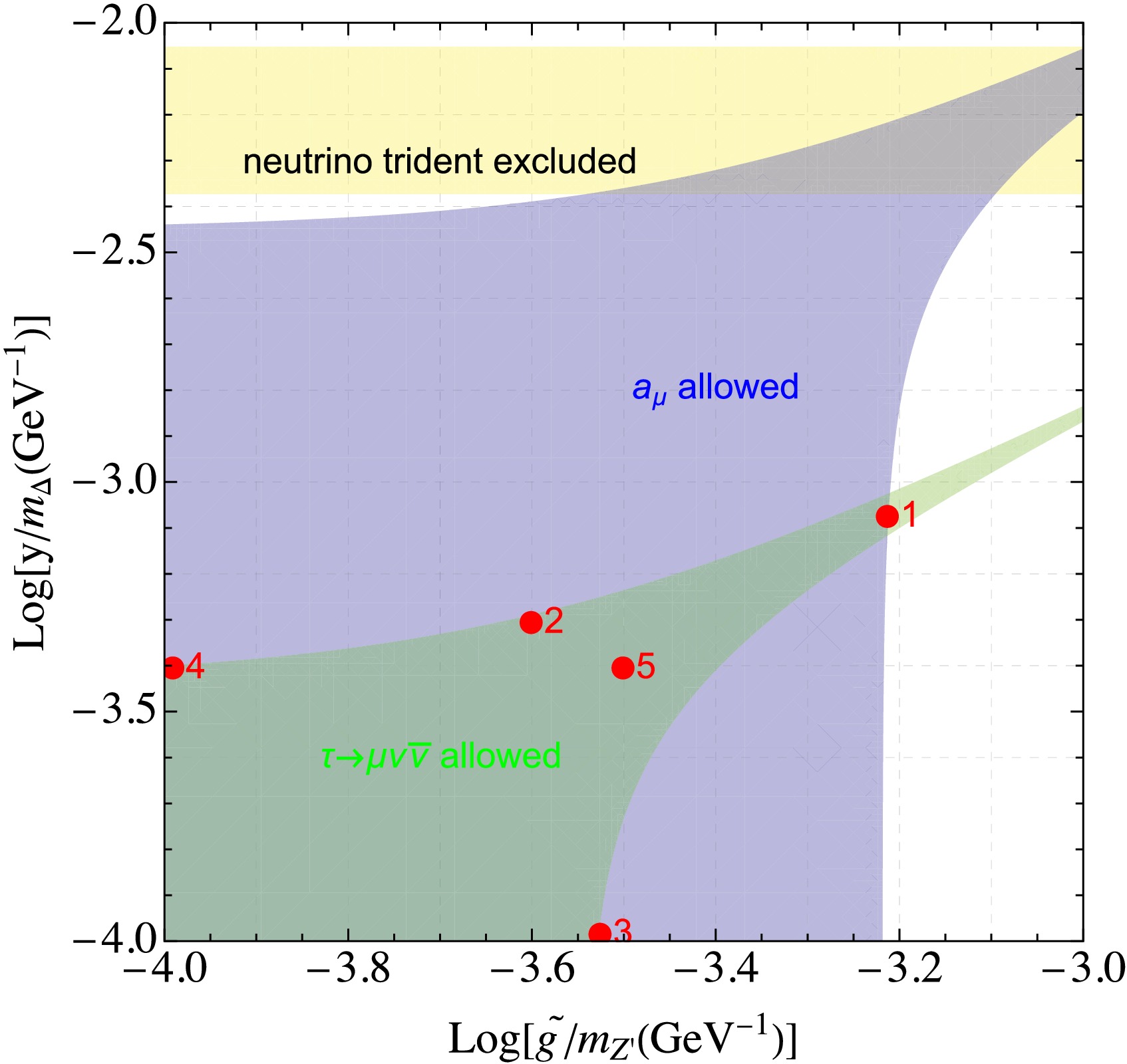
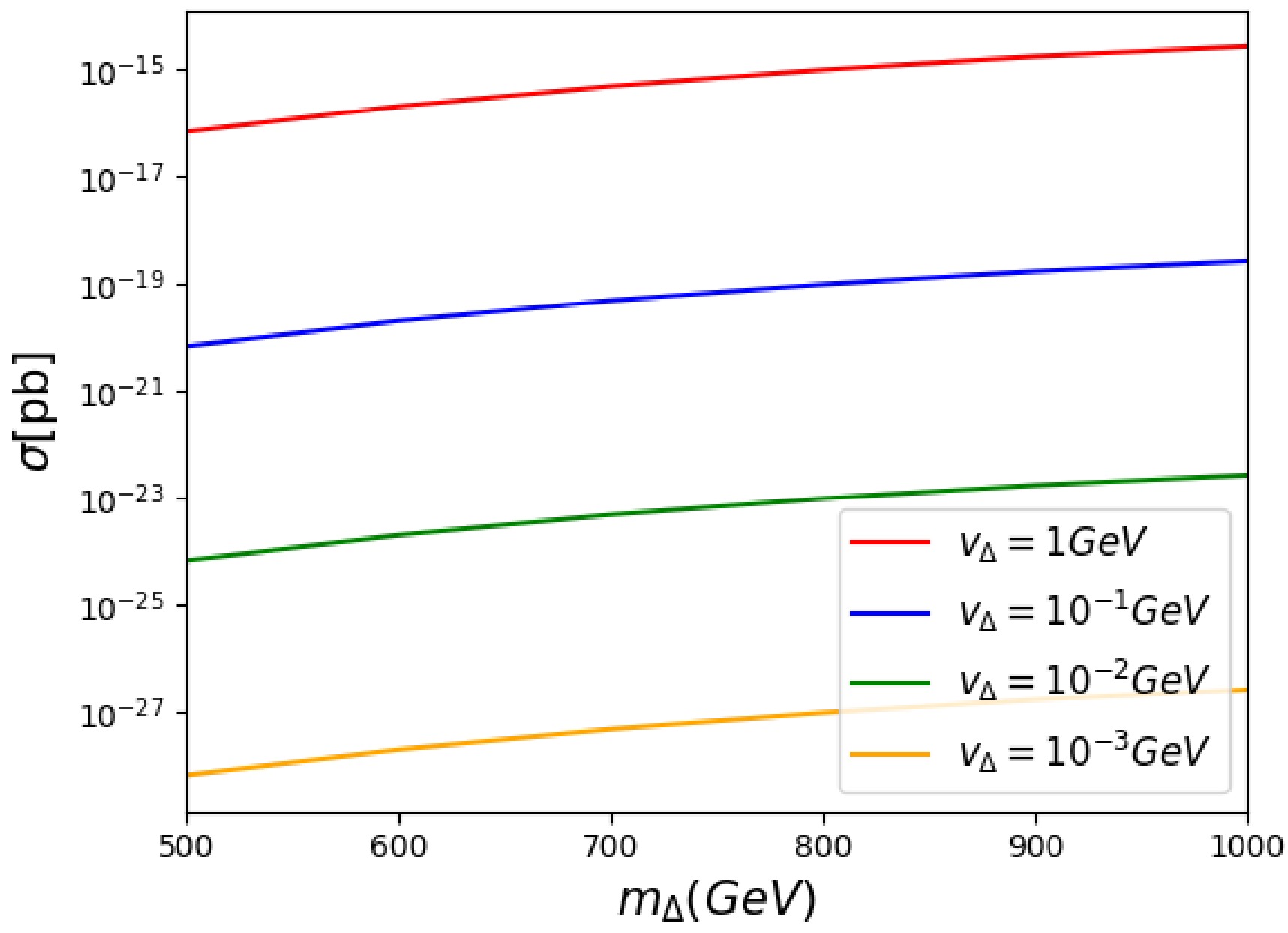
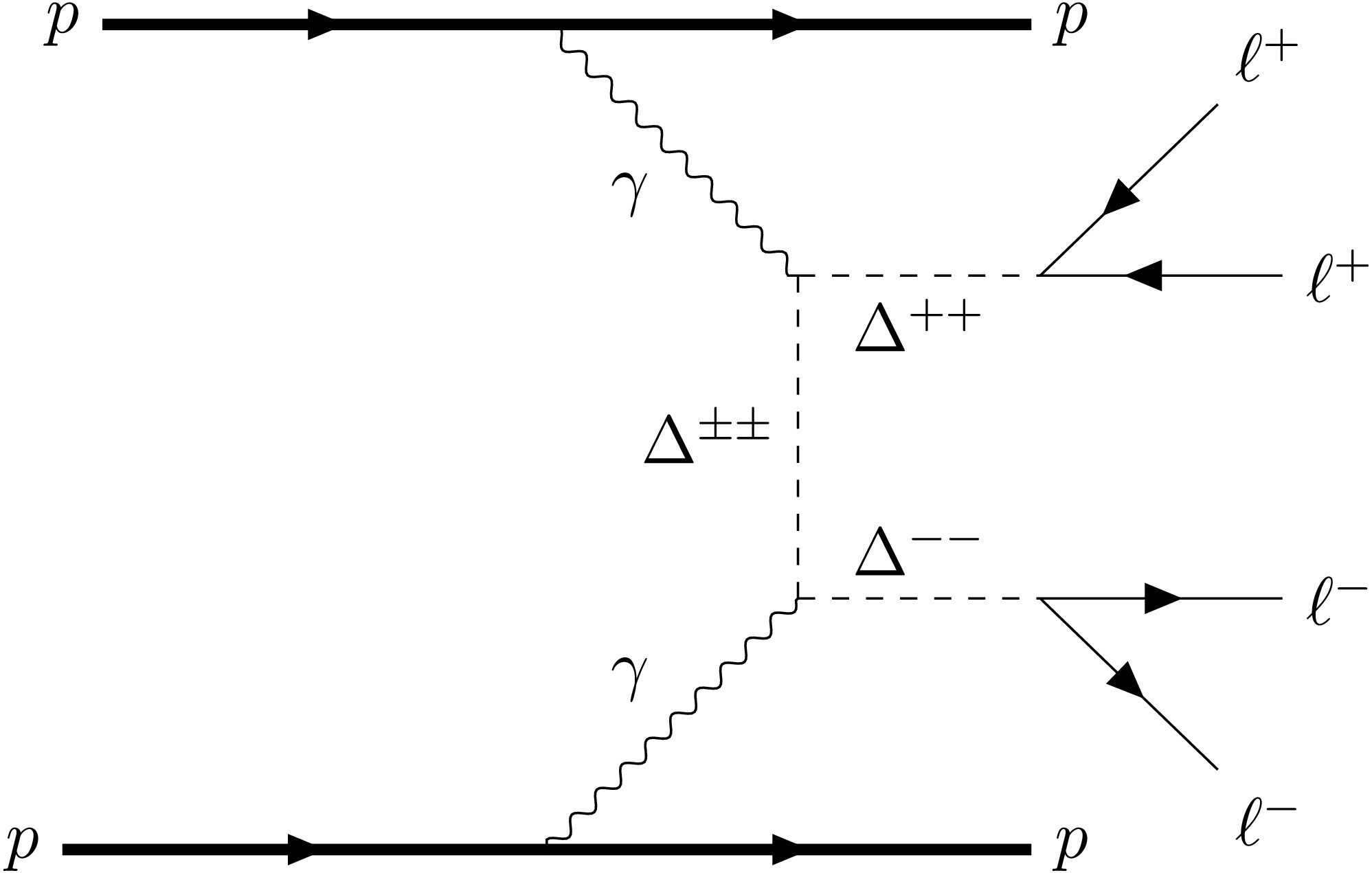
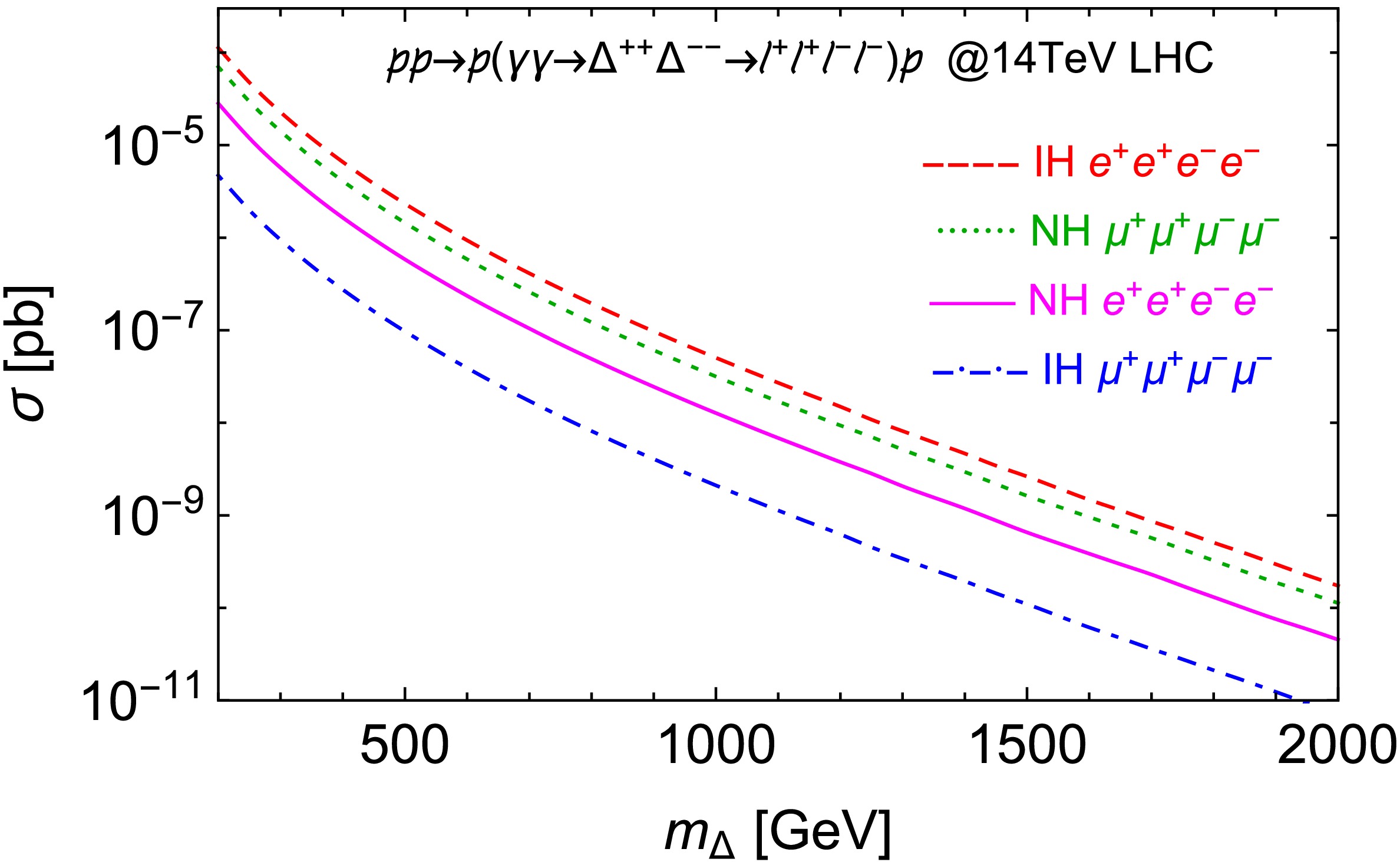
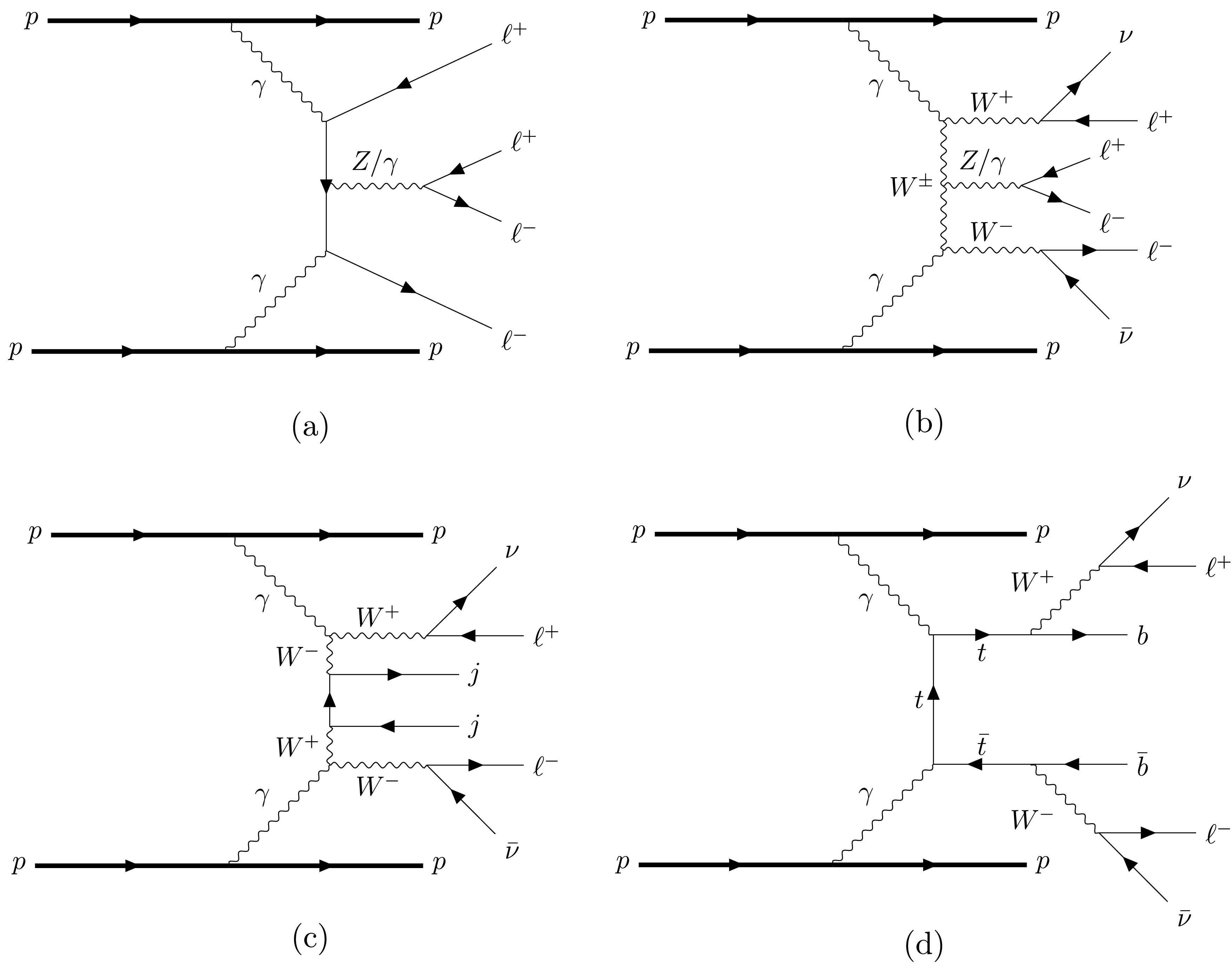
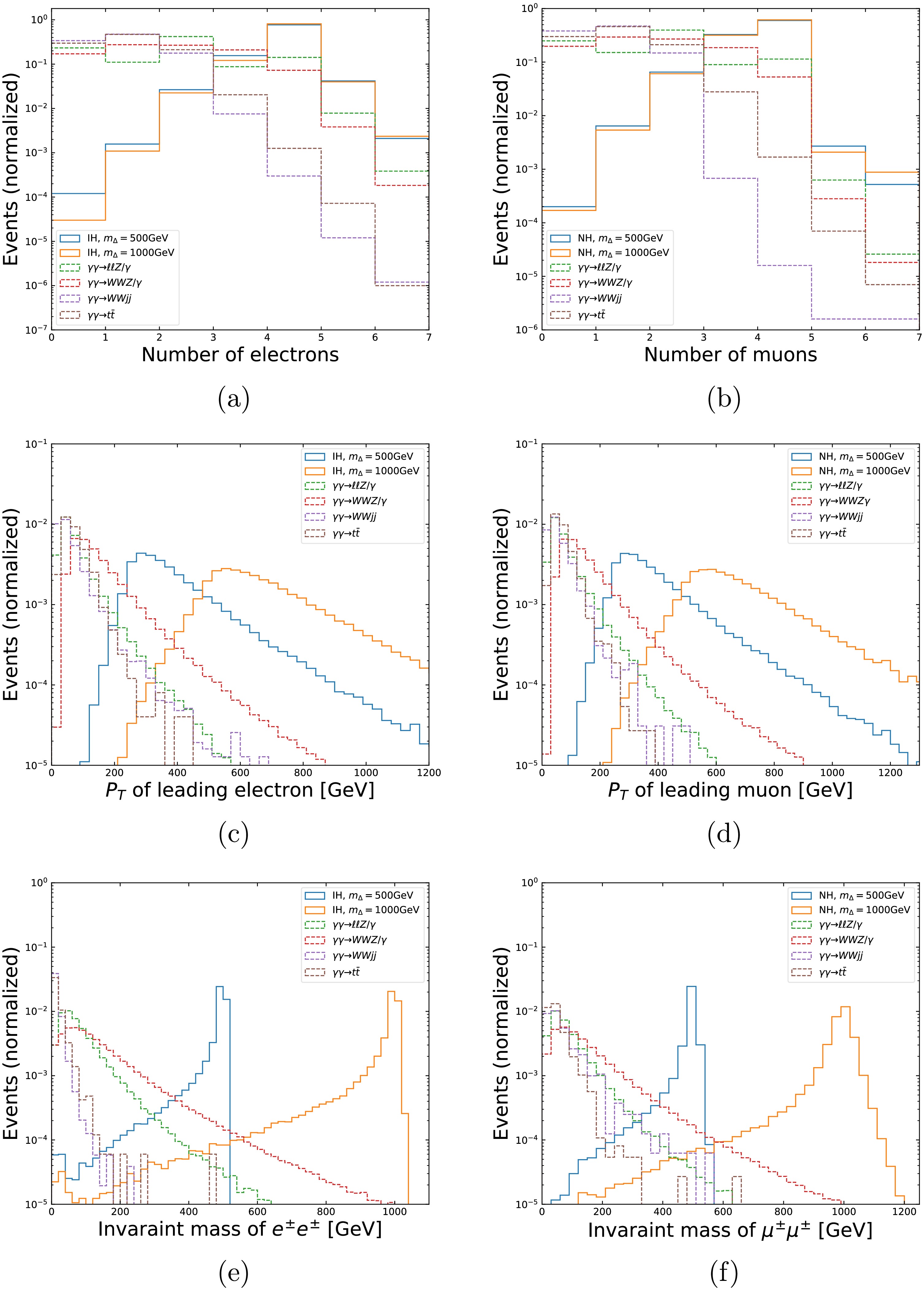
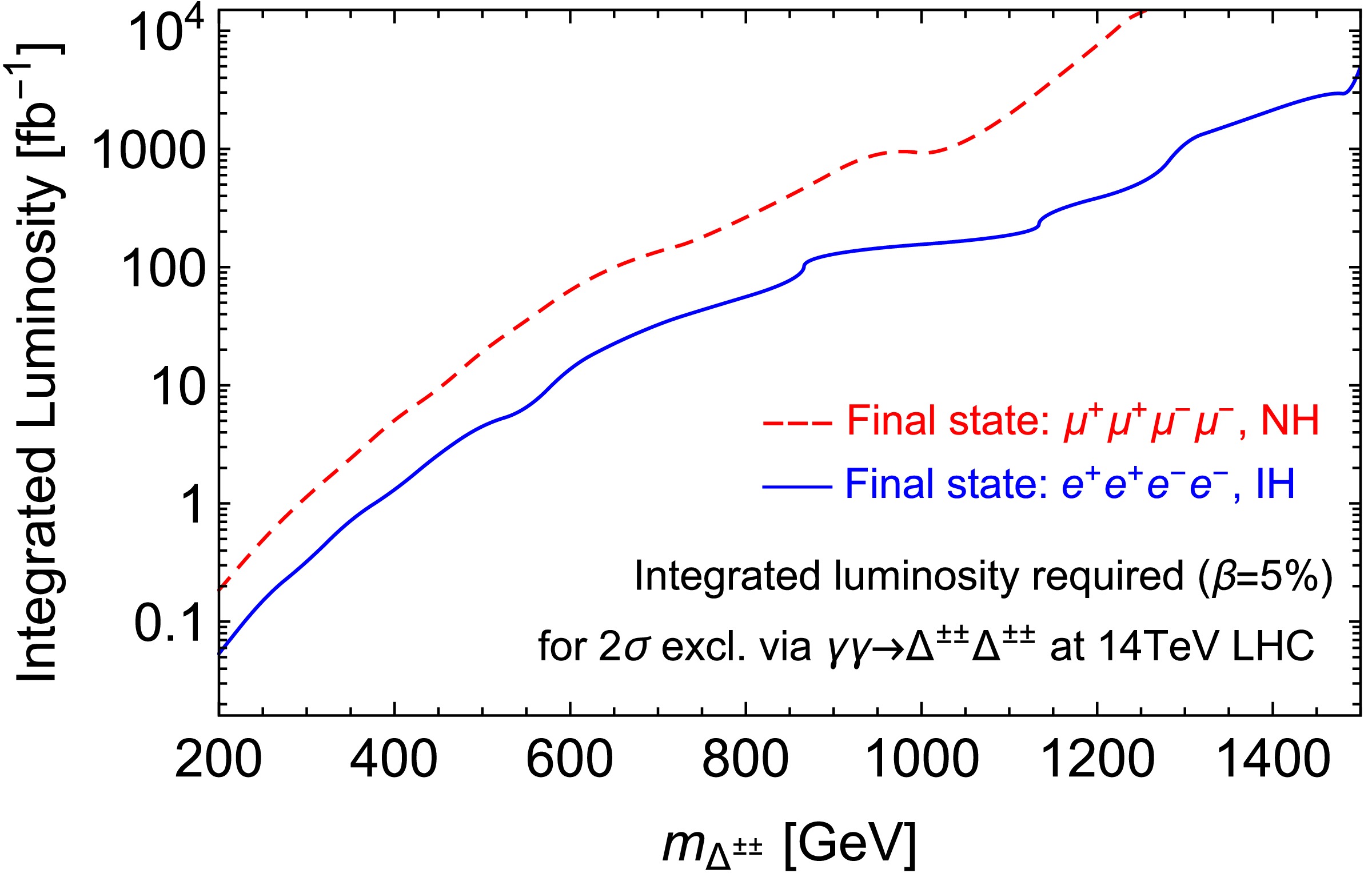
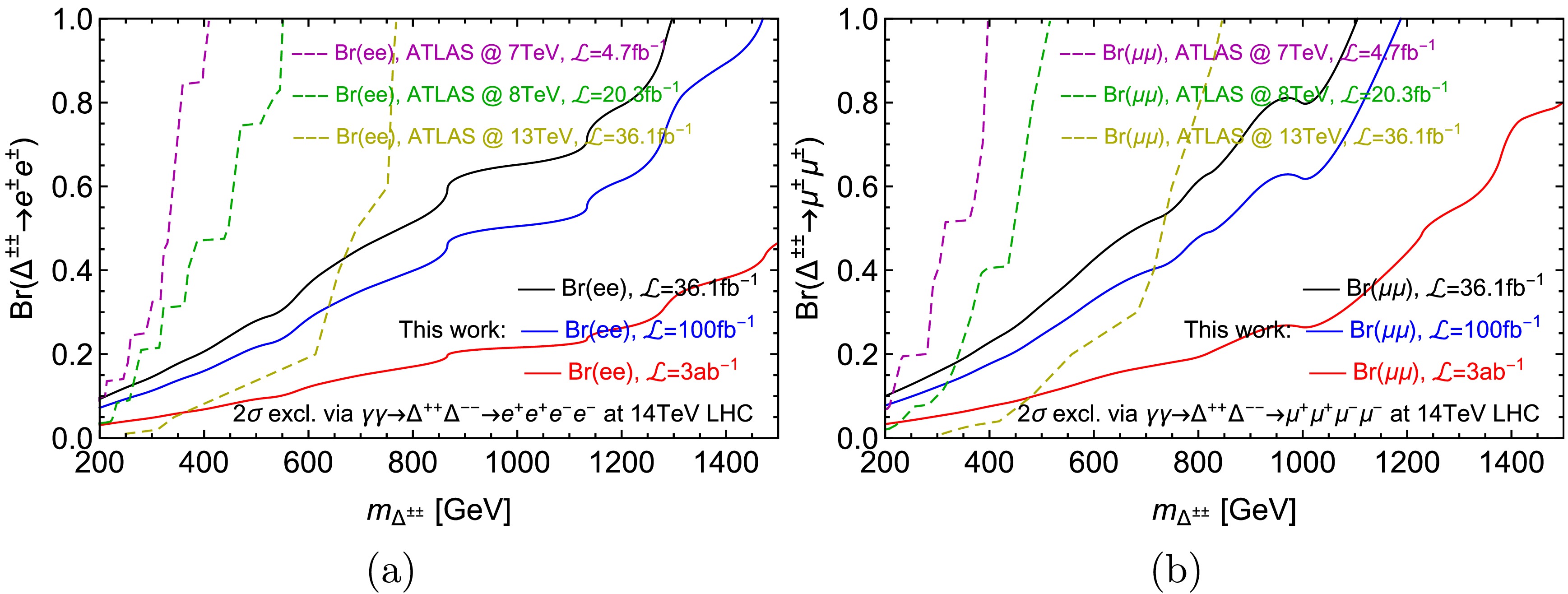
Small neutrino masses can be generated through the well-known seesaw mechanisms, among which the type-II scenario predicts a triplet scalar with doubly charged components. Except for the Drell-Yan production at the Large Hadron Collider (LHC), the doubly charged scalars\begin{document}$\Delta^{\pm\pm}$\end{document} \begin{document}$\mu^{+}\mu^{+}\mu^{-}\mu^{-}$\end{document} \begin{document}$e^{+}e^{+}e^{-}e^{-}$\end{document} \begin{document}$^{-1}$\end{document} \begin{document}$m_{\Delta}\sim430(520)$\end{document} \begin{document}$\mu^{+}\mu^{+}\mu^{-}\mu^{-}$\end{document} \begin{document}$e^{+}e^{+}e^{-}e^{-}$\end{document} \begin{document}$m_{\Delta}$\end{document} \begin{document}$^{-1}$\end{document}
Small neutrino masses can be generated through the well-known seesaw mechanisms, among which the type-II scenario predicts a triplet scalar with doubly charged components. Except for the Drell-Yan production at the Large Hadron Collider (LHC), the doubly charged scalars
2026, 50(4): 043104. doi: 10.1088/1674-1137/ae2fc8
Abstract:
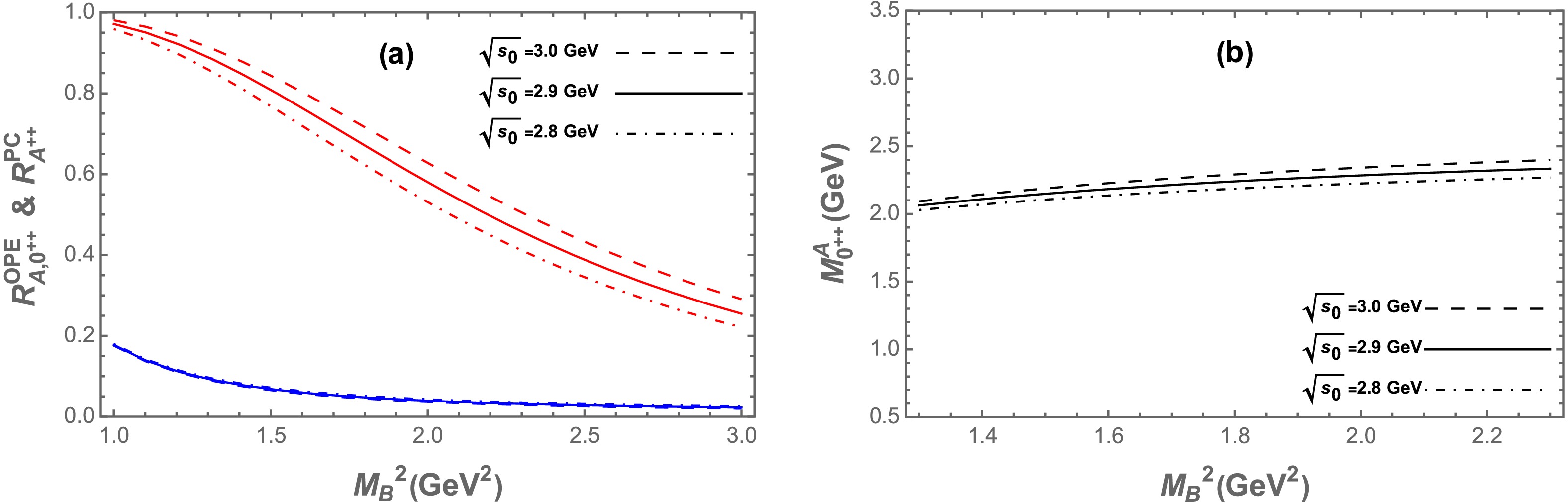
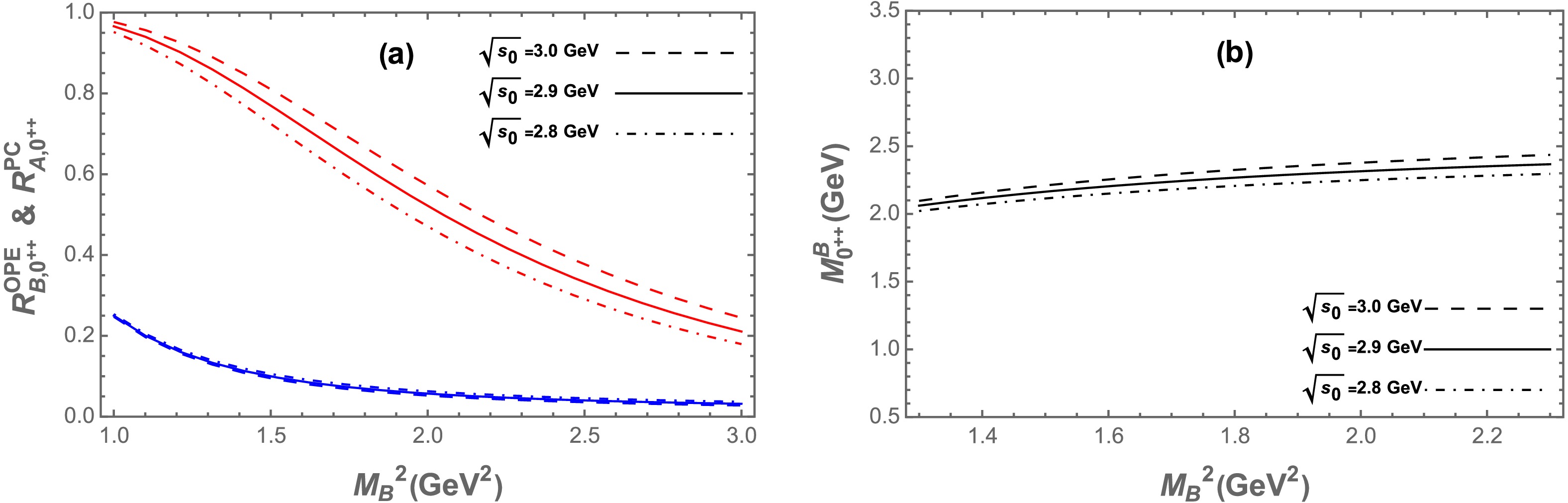
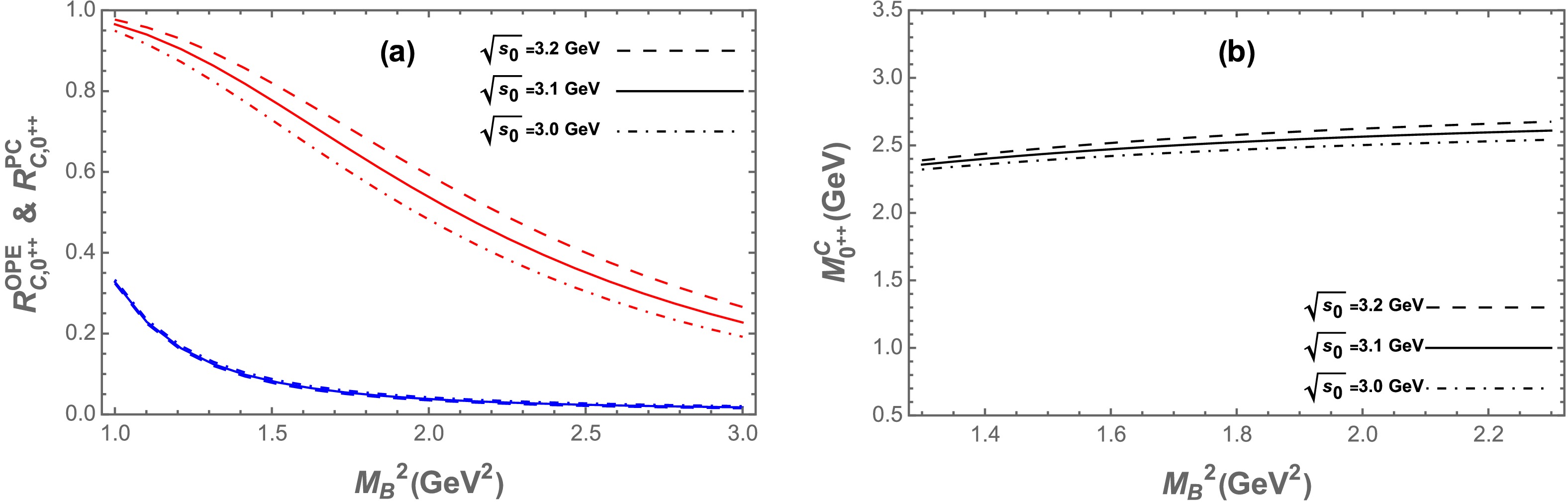
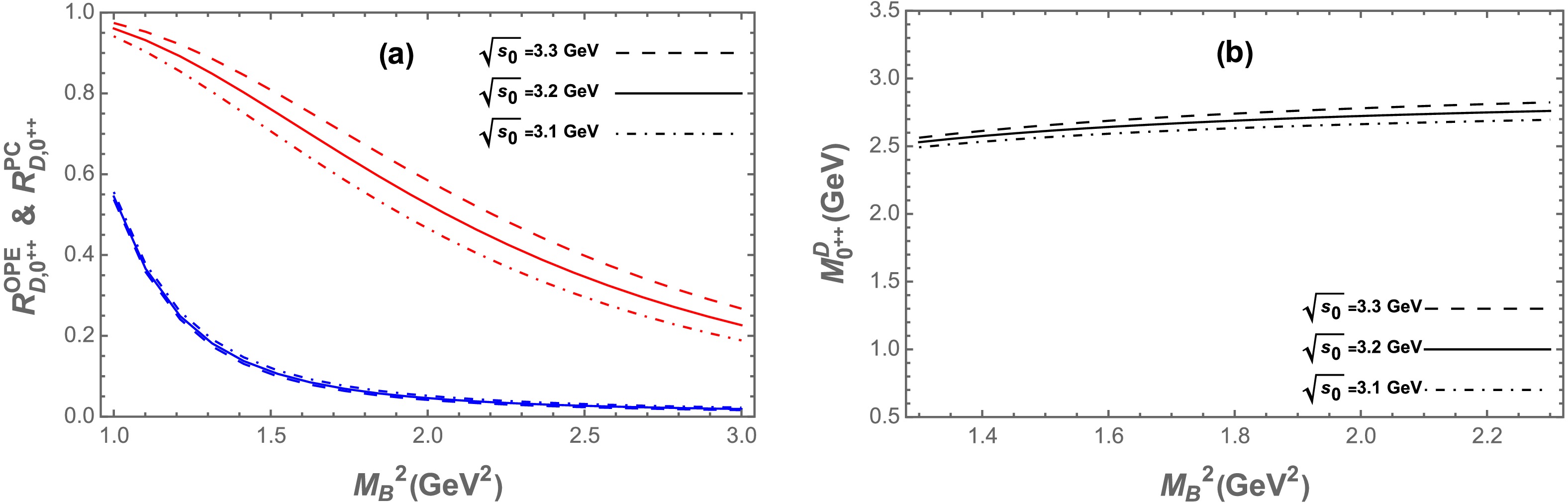
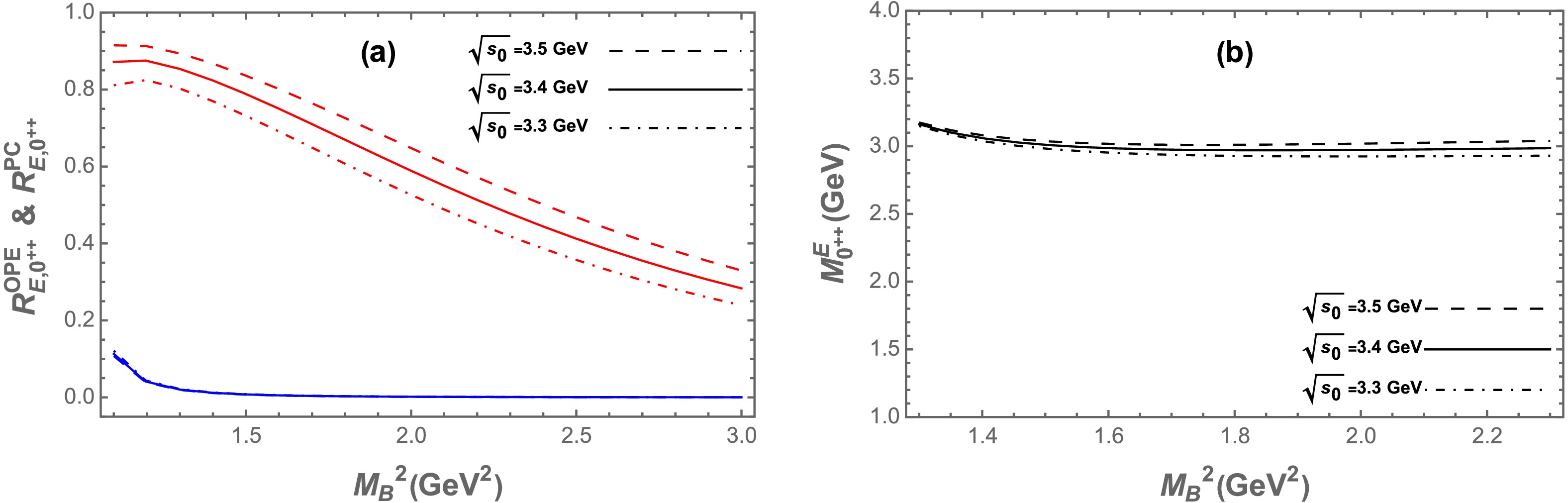
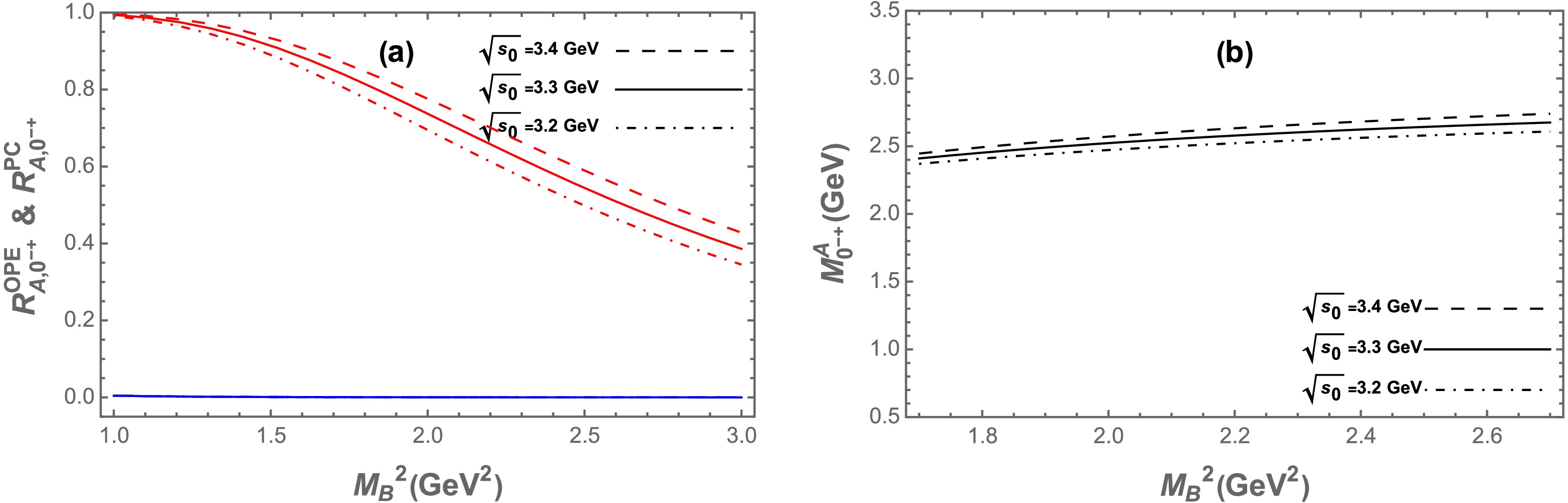
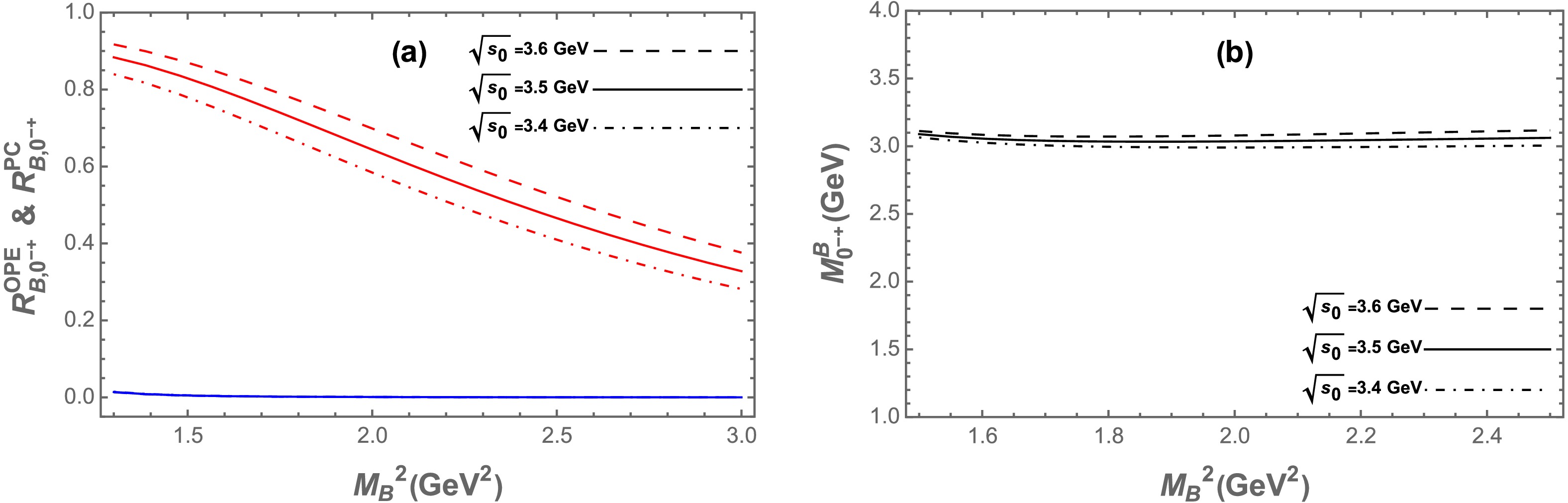
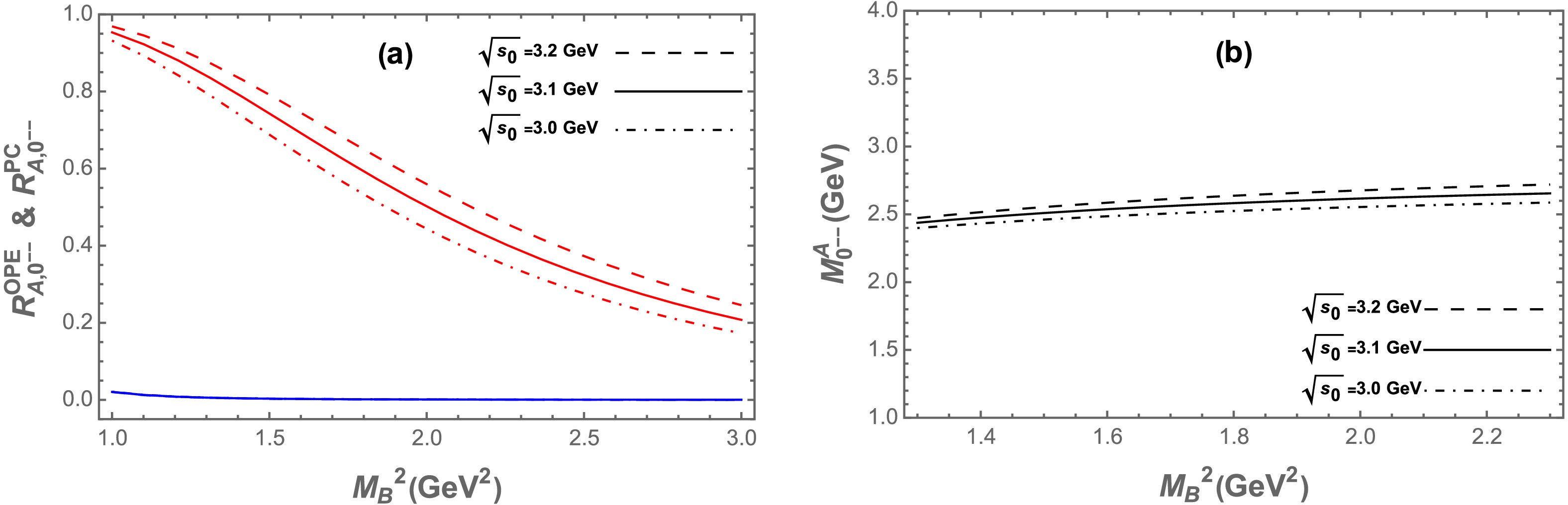
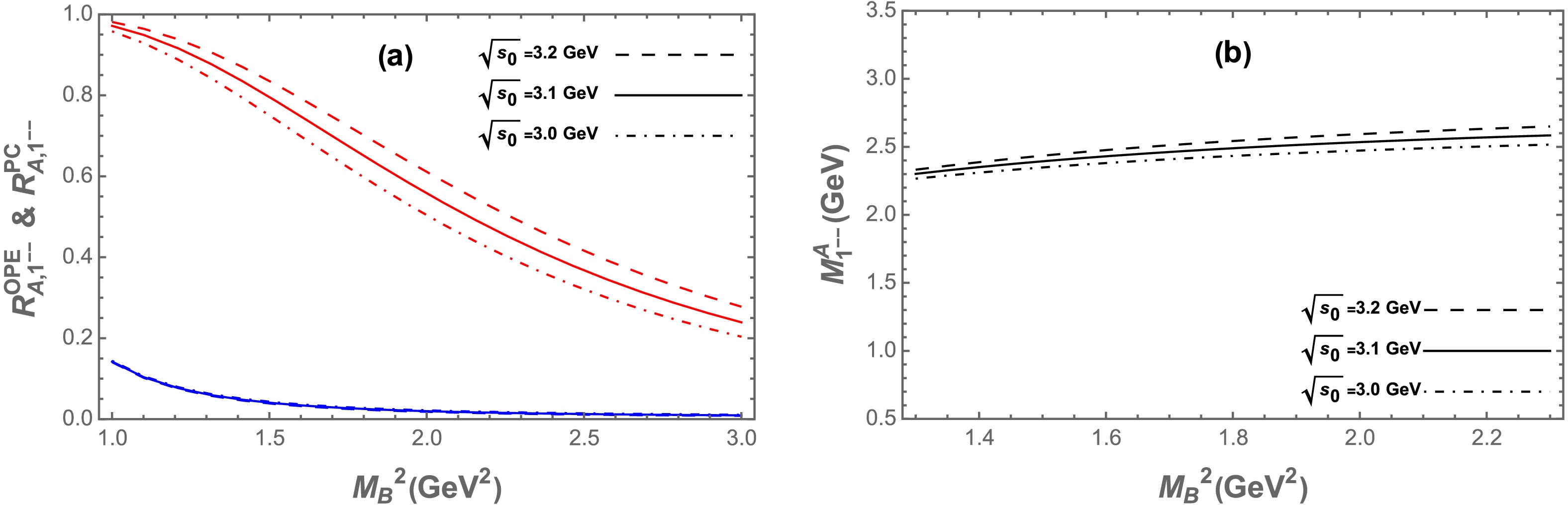
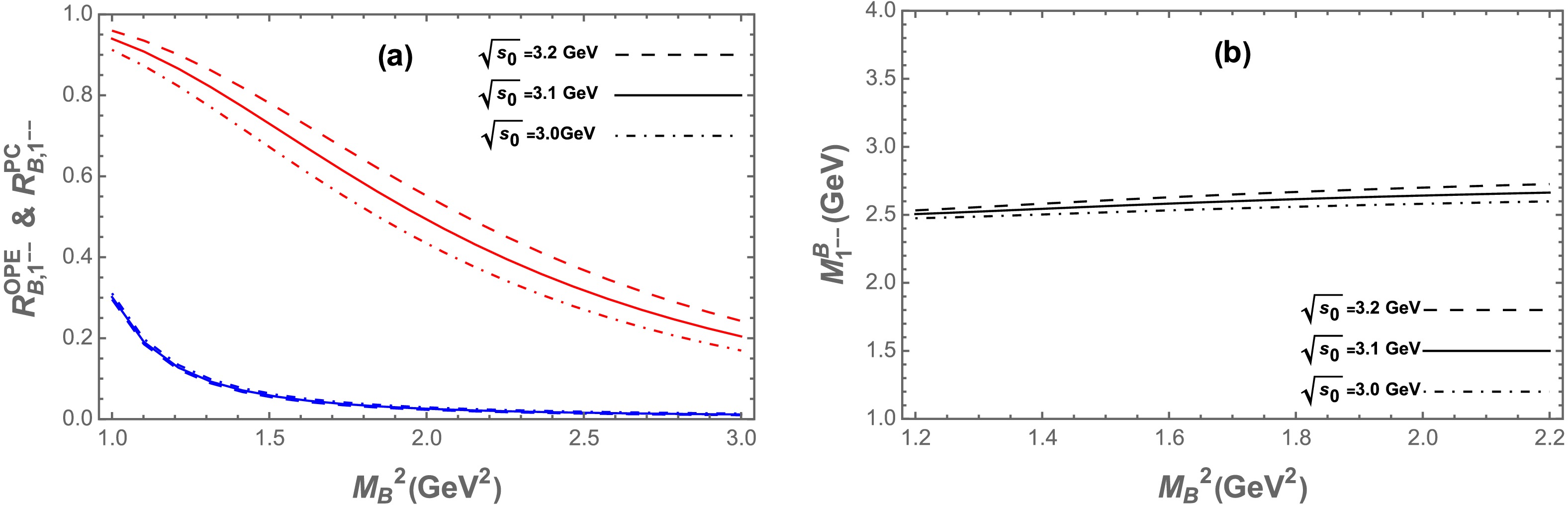
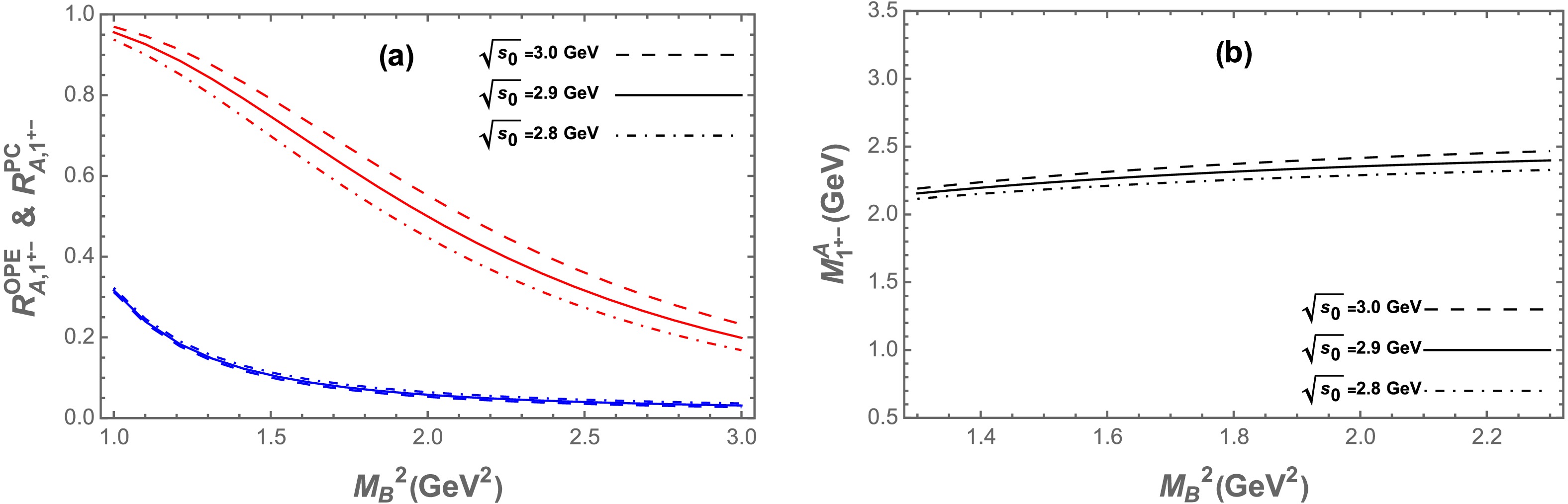
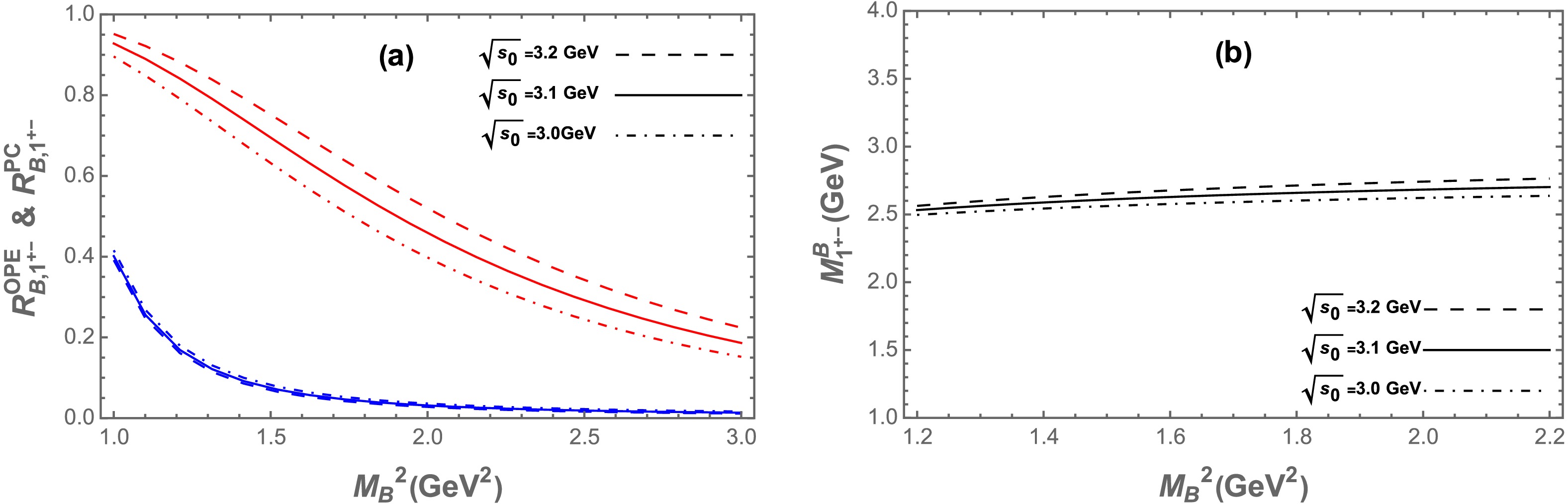
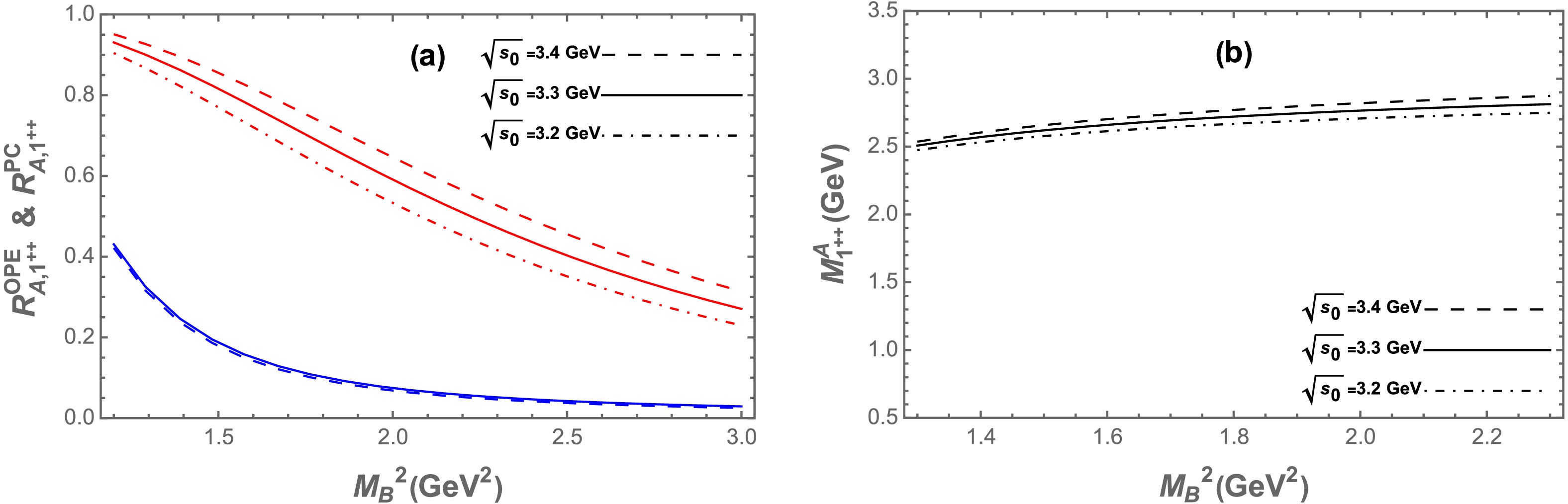
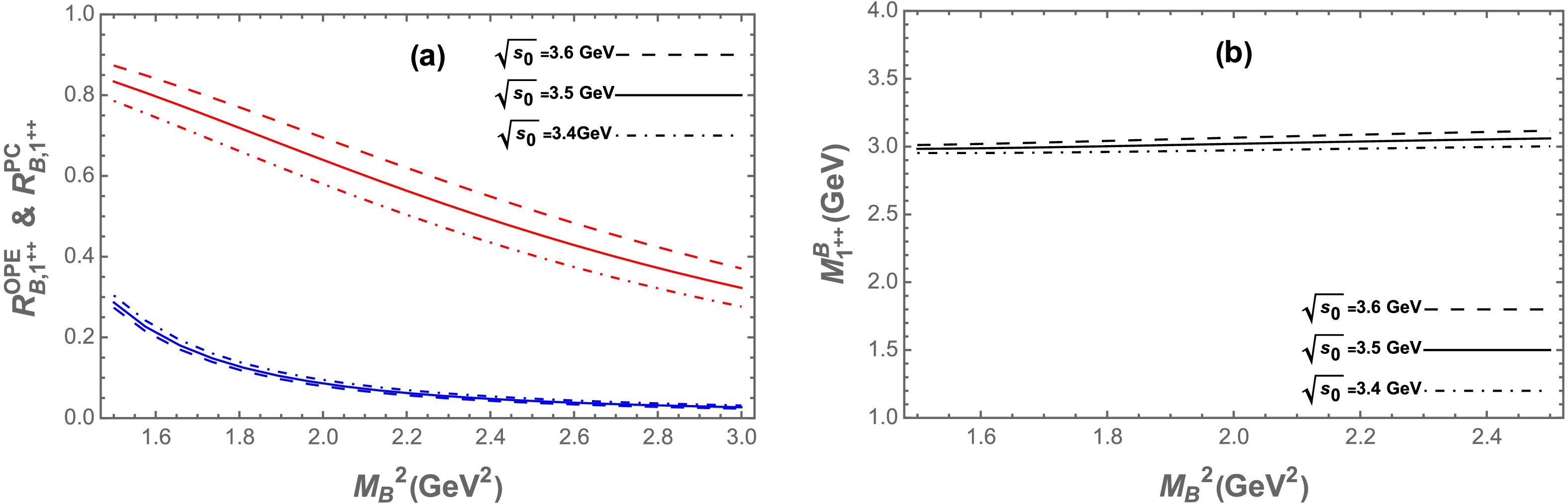
In this paper, we systematically explore the mass spectrum of fully strange tetraquark candidates within the framework of QCD sum rules, focusing on states with quantum numbers\begin{document}$ J^{PC}=0^{++} $\end{document} \begin{document}$ 0^{-+} $\end{document} \begin{document}$ 0^{--} $\end{document} \begin{document}$ 1^{--} $\end{document} \begin{document}$ 1^{+-} $\end{document} \begin{document}$ 1^{++} $\end{document} \begin{document}$ 2.07 $\end{document} \begin{document}$ 3.12 $\end{document} \begin{document}$ X(2300) $\end{document}
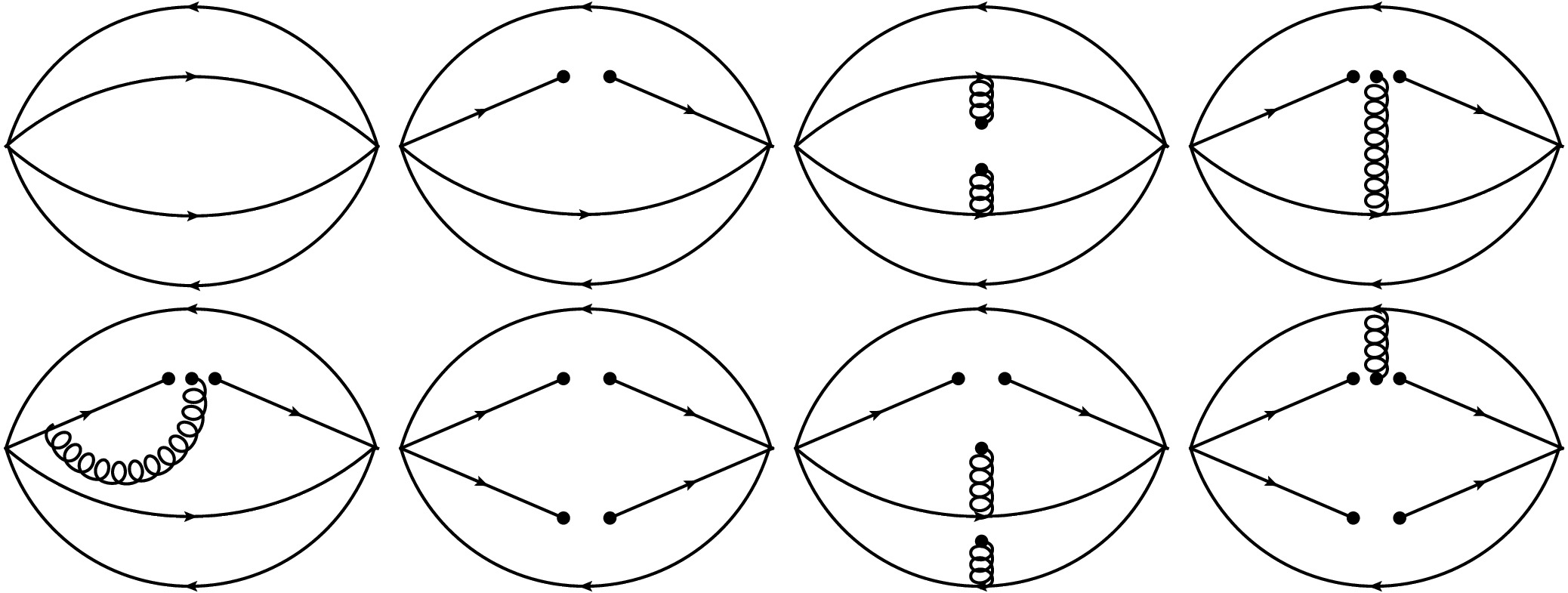
In this paper, we systematically explore the mass spectrum of fully strange tetraquark candidates within the framework of QCD sum rules, focusing on states with quantum numbers
2026, 50(4): 043105. doi: 10.1088/1674-1137/ae3130
Abstract:
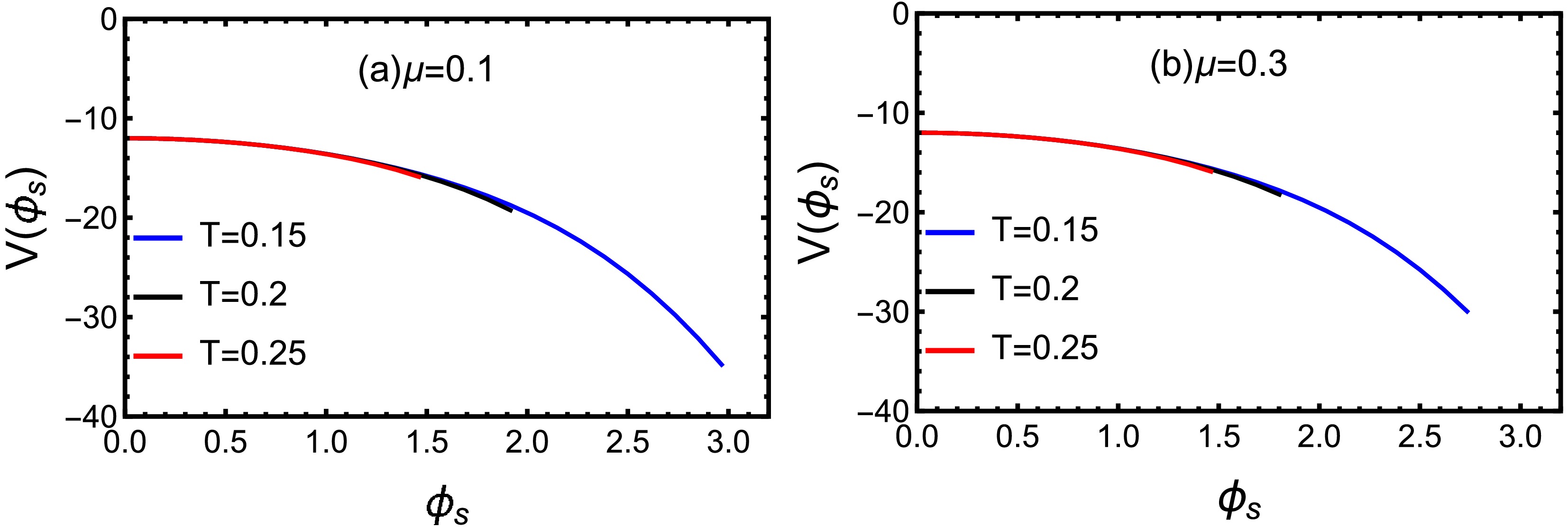
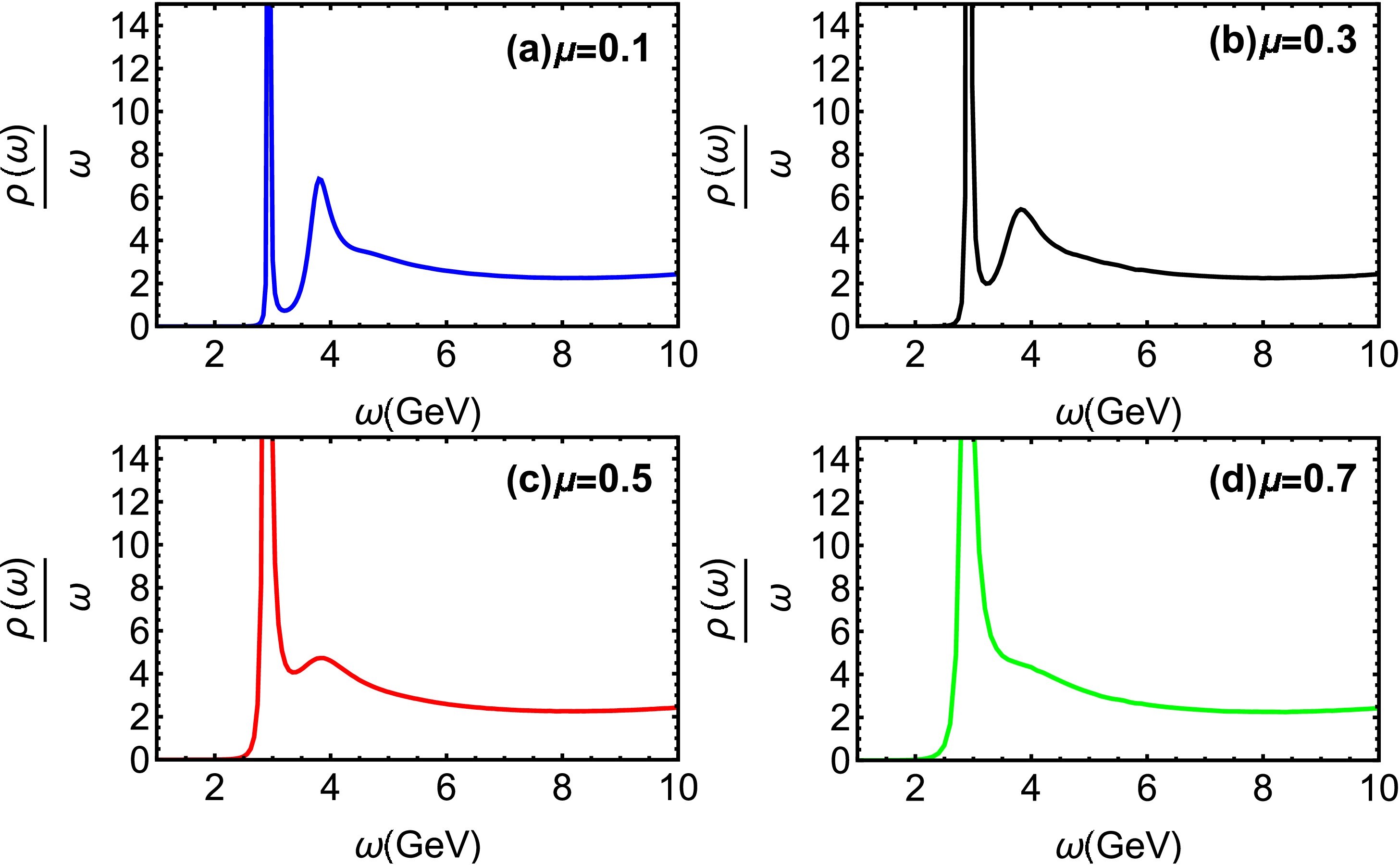
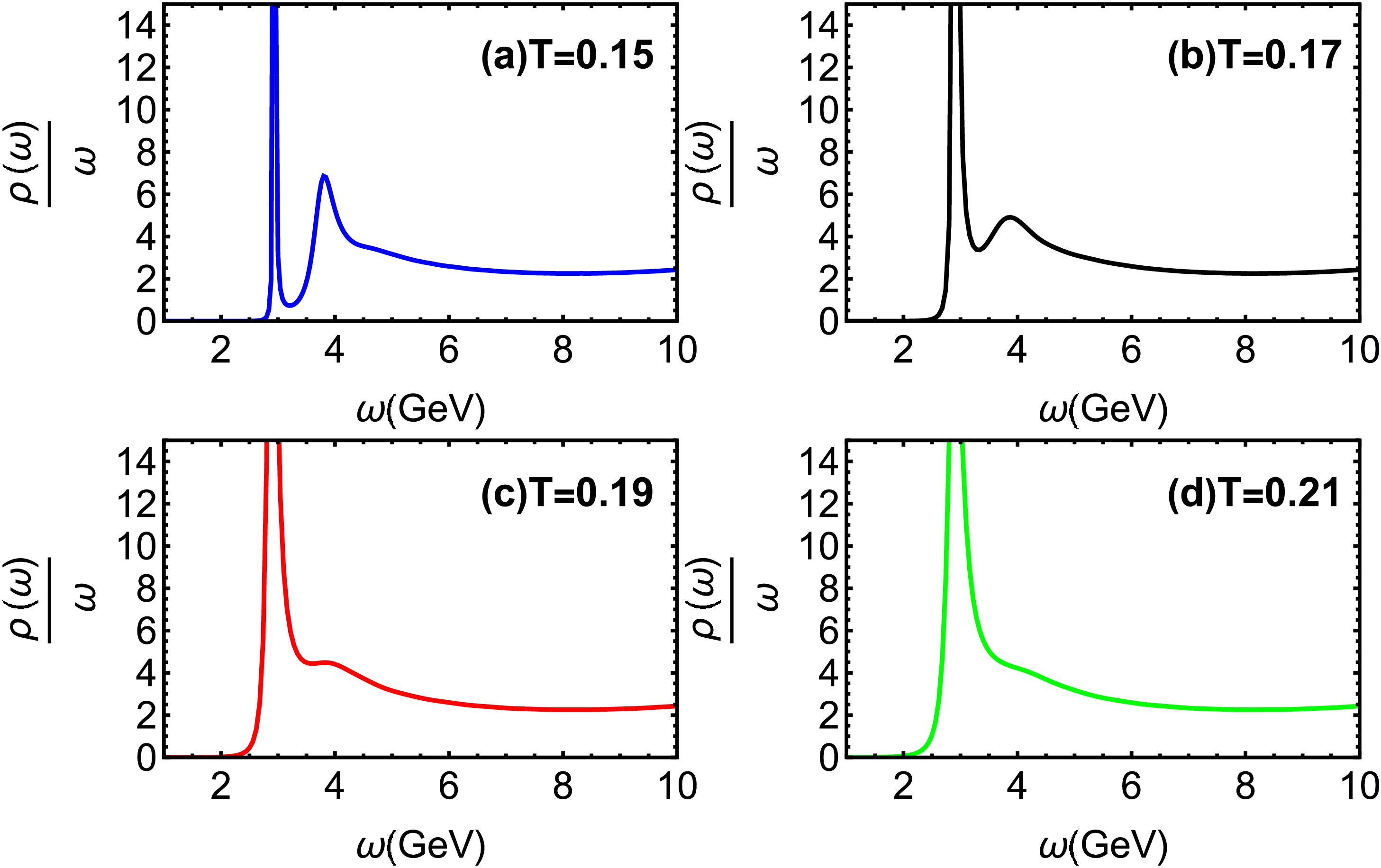
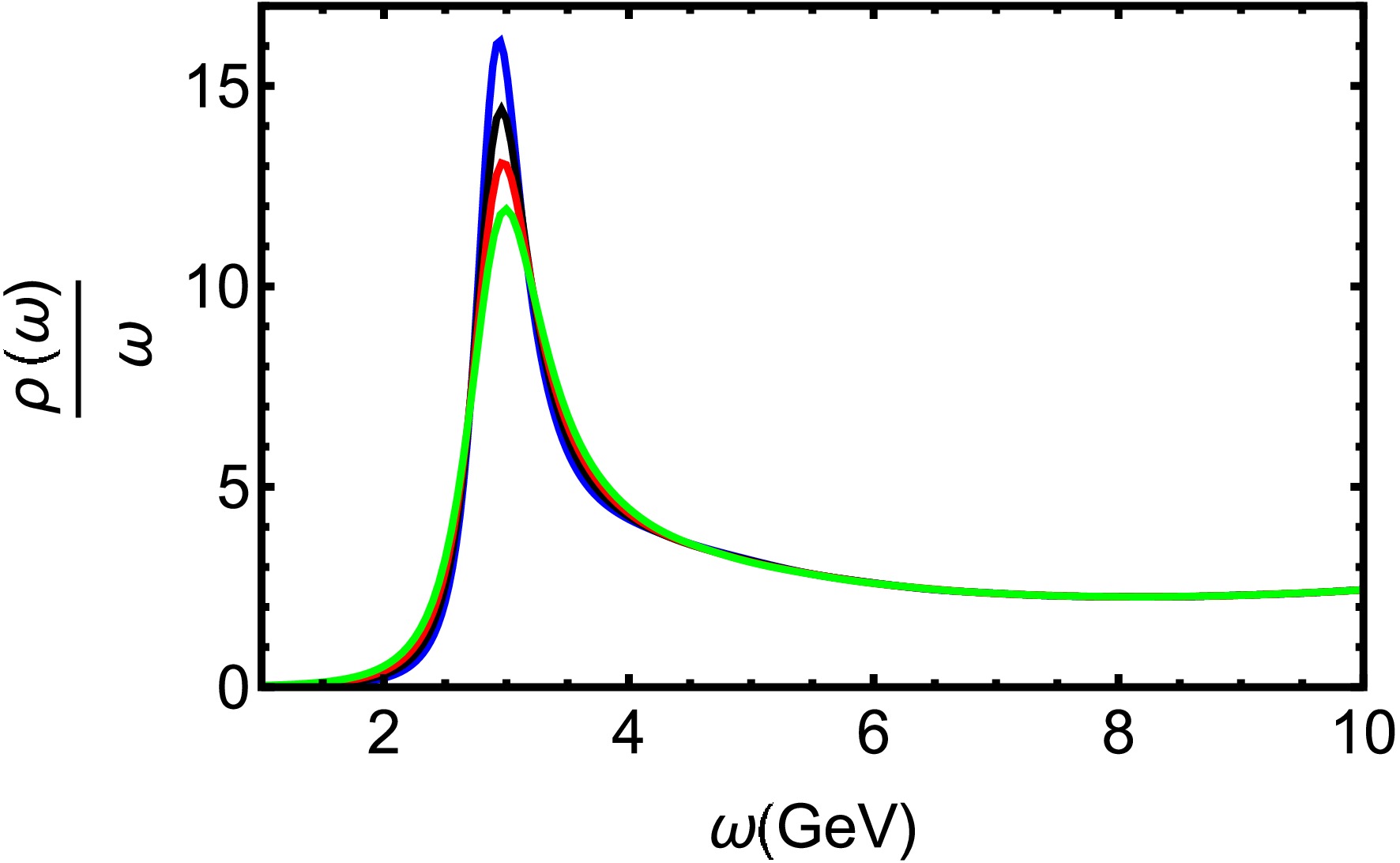
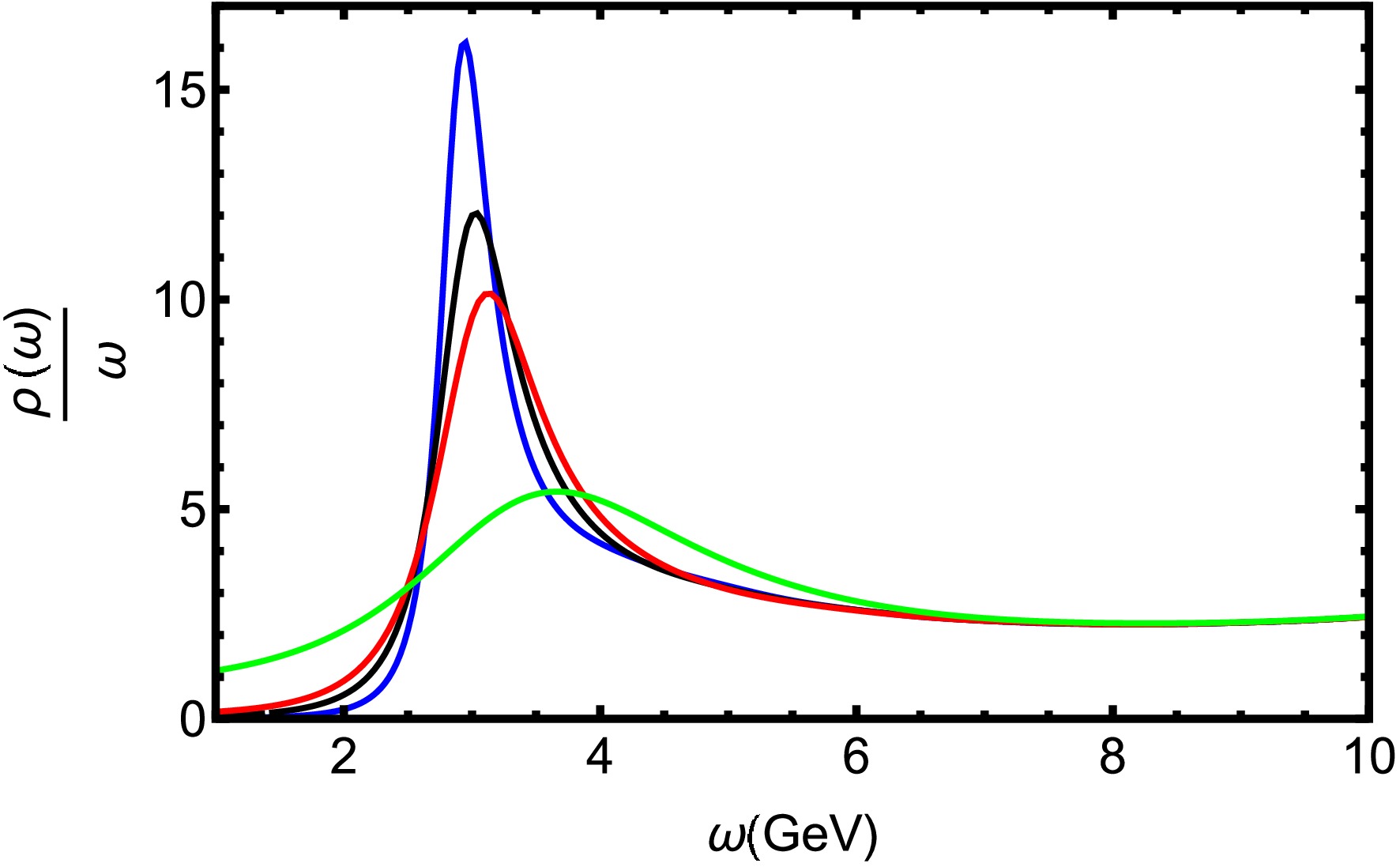
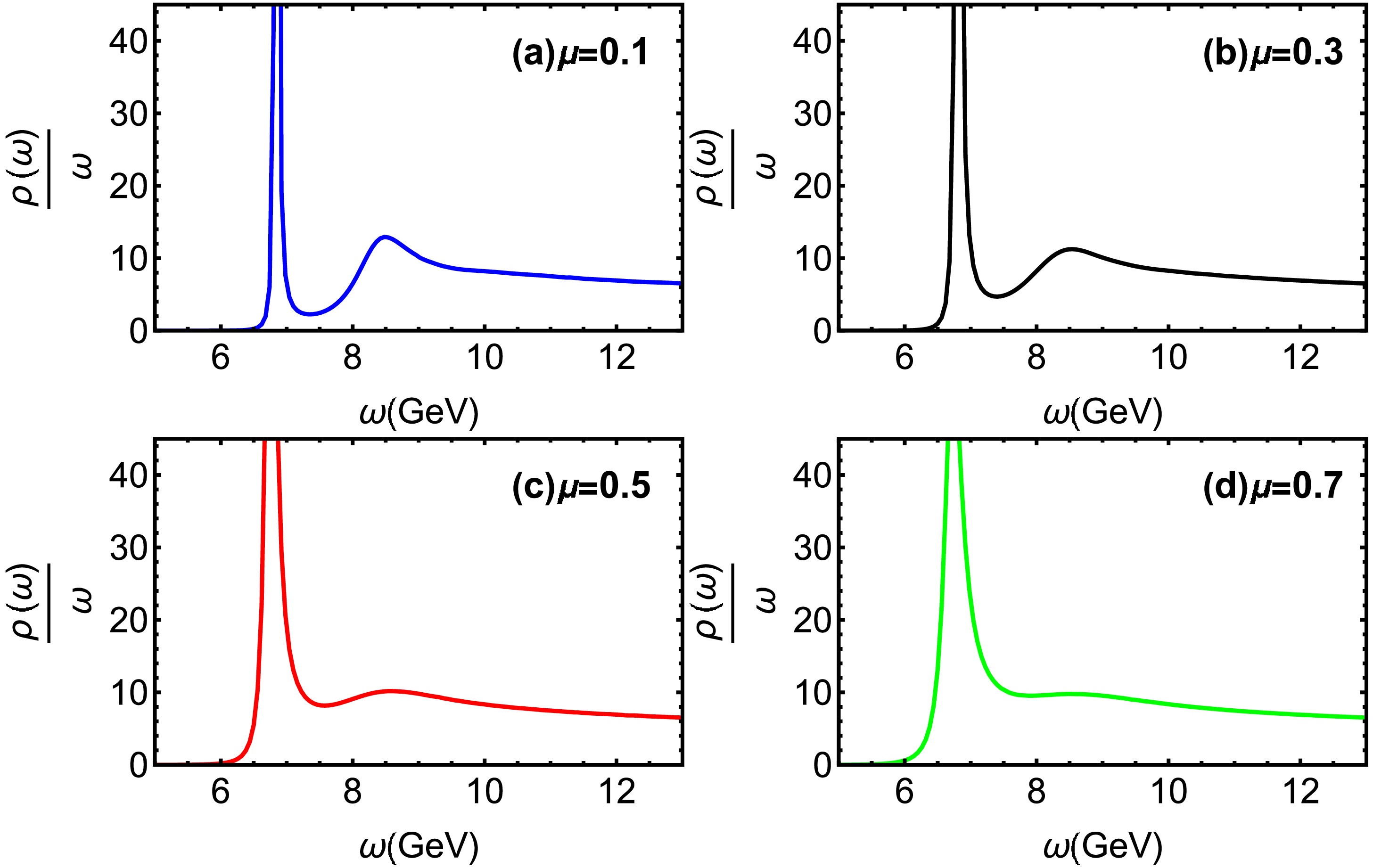
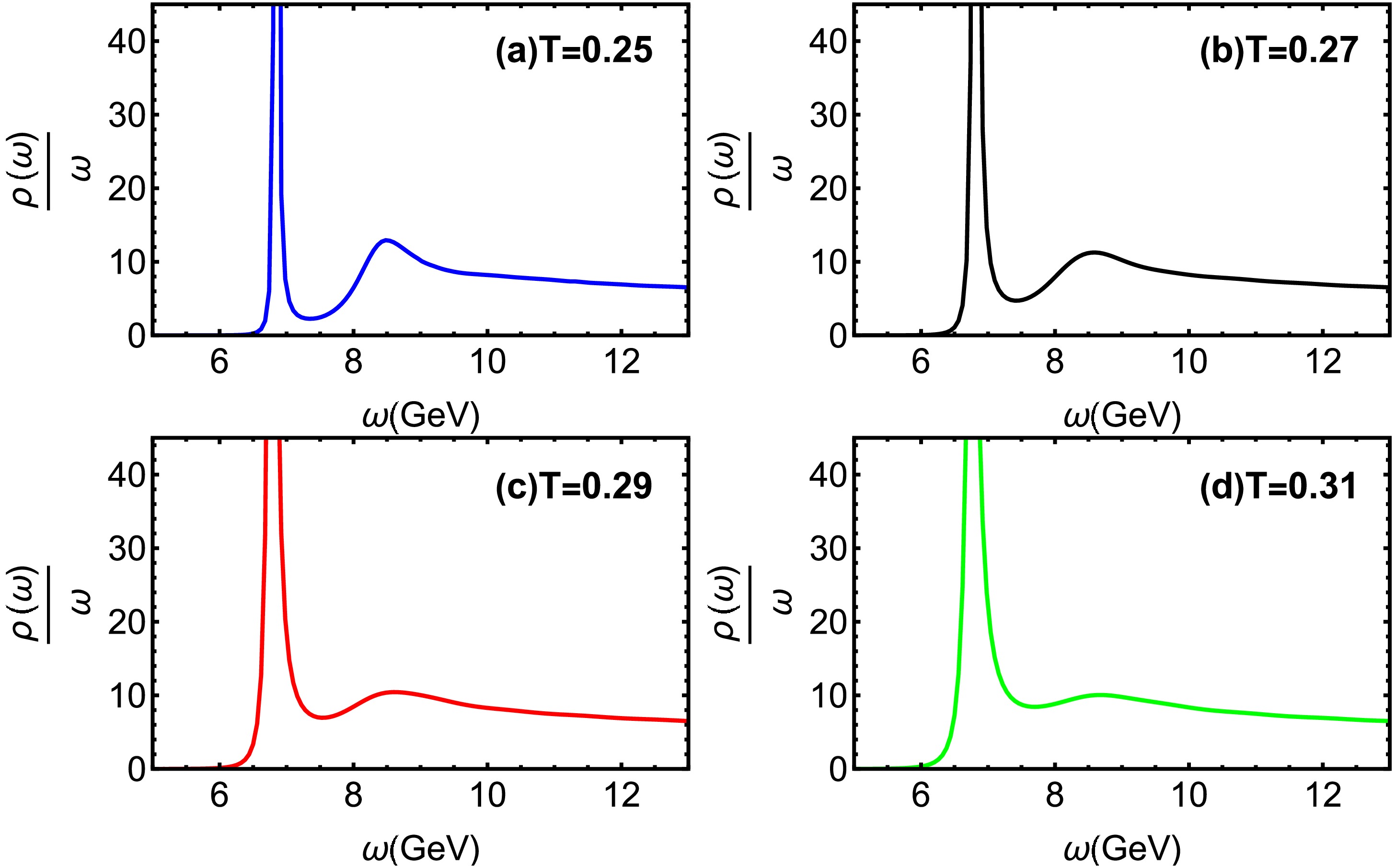
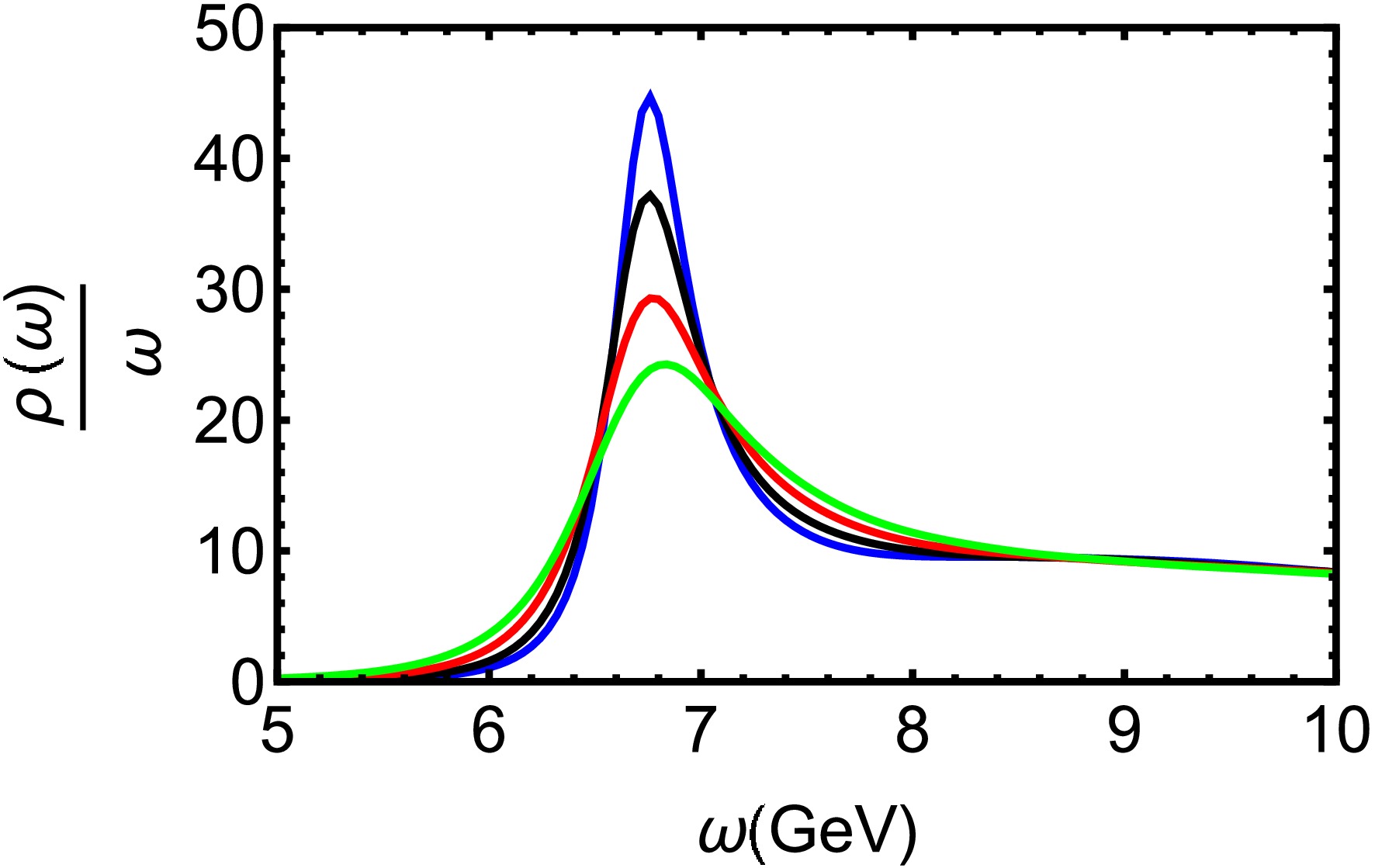
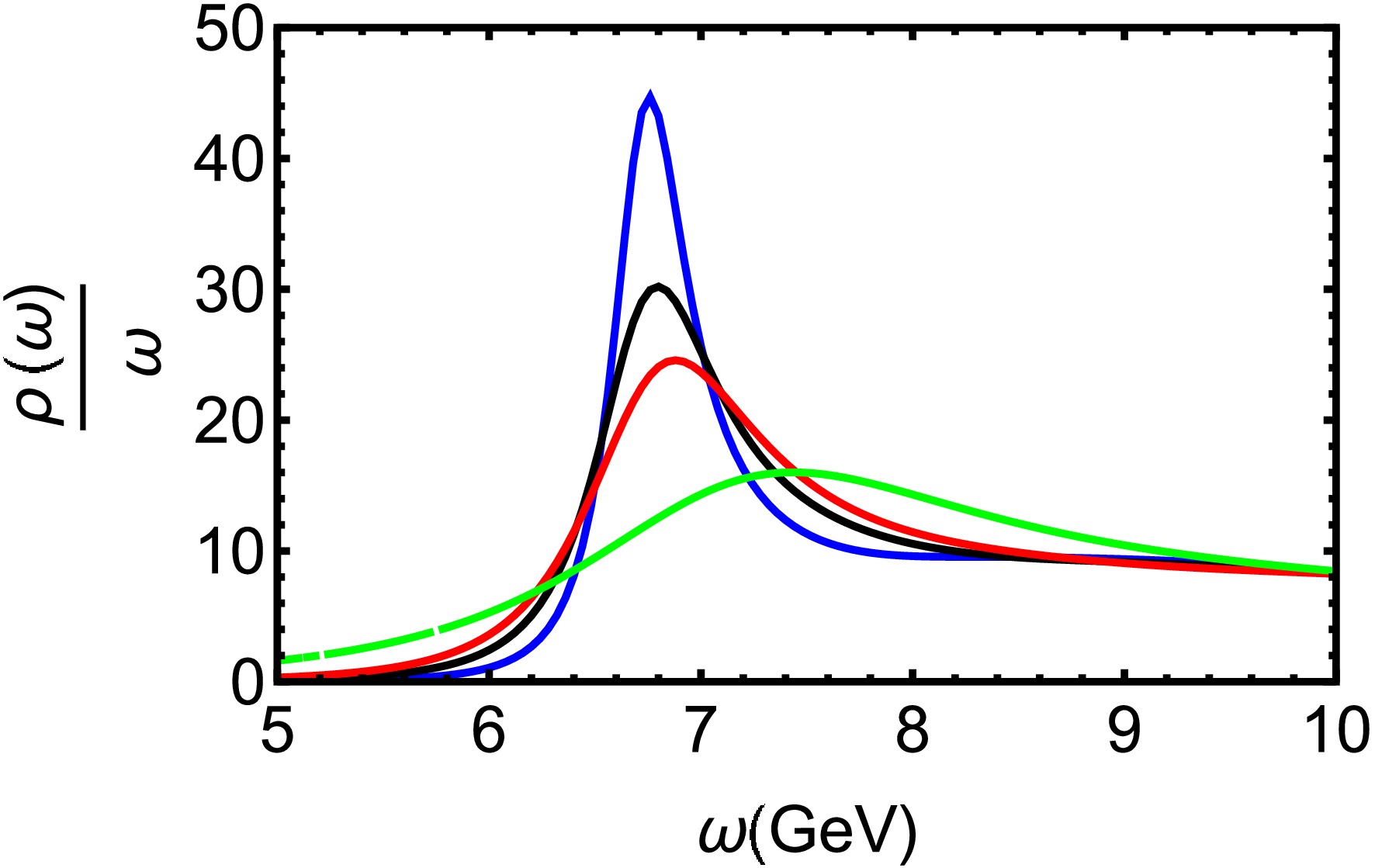
In this work, we study the dissociation of heavy quarkonium from a data-driven holographic QCD model. The model parameters were optimized using machine learning, which successfully reproduced lattice QCD data. Subsequently, we explore the spectral function for charmonium and bottomonium at finite temperature and baryon chemical potential, focusing on the behavior of the 1S and 2S states. Our results show that increasing the temperature or chemical potential strongly suppresses the quasiparticle peaks, with the 2S state dissolving earlier than the 1S ground state. The charmonium 2S state melts completely around\begin{document}$ 1.64T_c $\end{document} \begin{document}$ T_c $\end{document} \begin{document}$ 2.42T_c $\end{document} \begin{document}$ J/\Psi $\end{document} \begin{document}$ 3.52T_c $\end{document} \begin{document}$ \Upsilon(1S) $\end{document} \begin{document}$ 4.30T_c $\end{document}
In this work, we study the dissociation of heavy quarkonium from a data-driven holographic QCD model. The model parameters were optimized using machine learning, which successfully reproduced lattice QCD data. Subsequently, we explore the spectral function for charmonium and bottomonium at finite temperature and baryon chemical potential, focusing on the behavior of the 1S and 2S states. Our results show that increasing the temperature or chemical potential strongly suppresses the quasiparticle peaks, with the 2S state dissolving earlier than the 1S ground state. The charmonium 2S state melts completely around
2026, 50(4): 043106. doi: 10.1088/1674-1137/ae3602
Abstract:
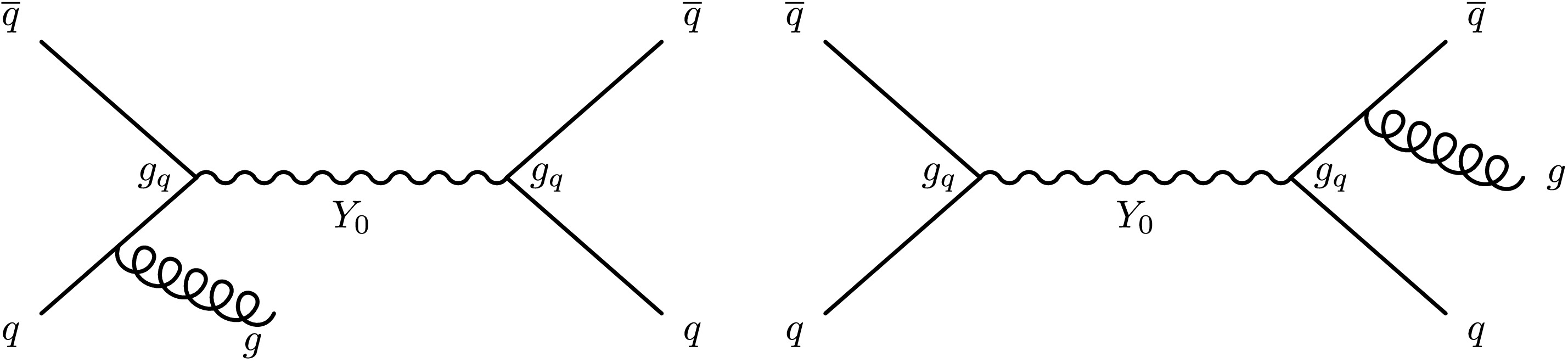
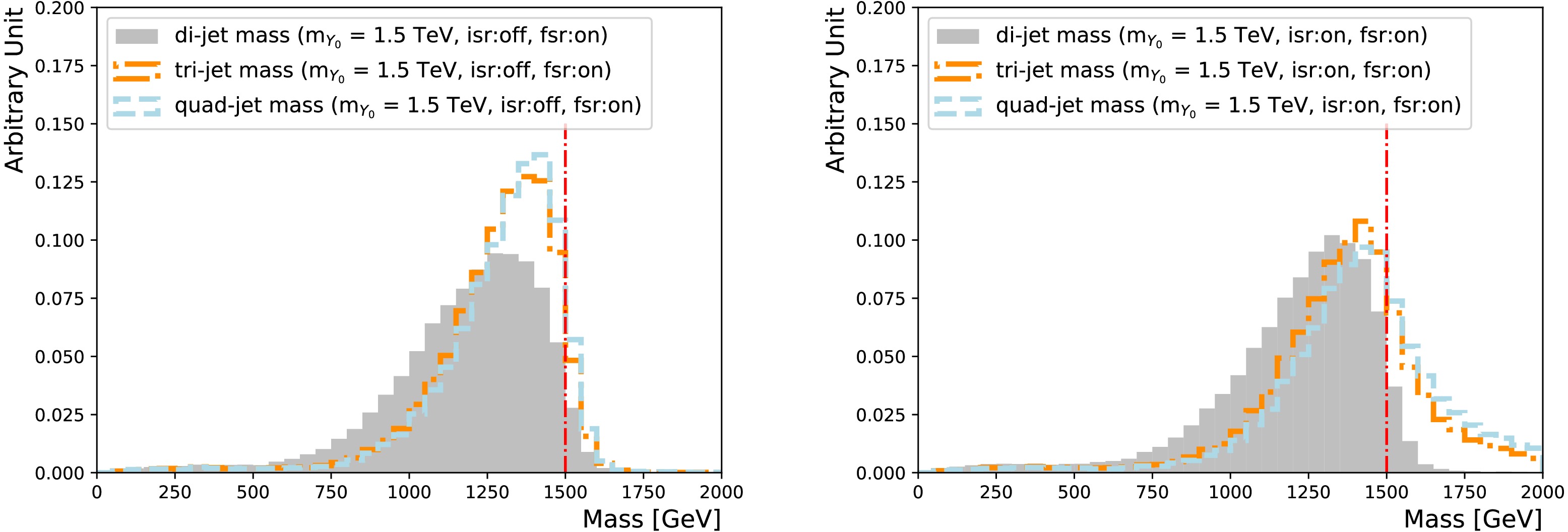
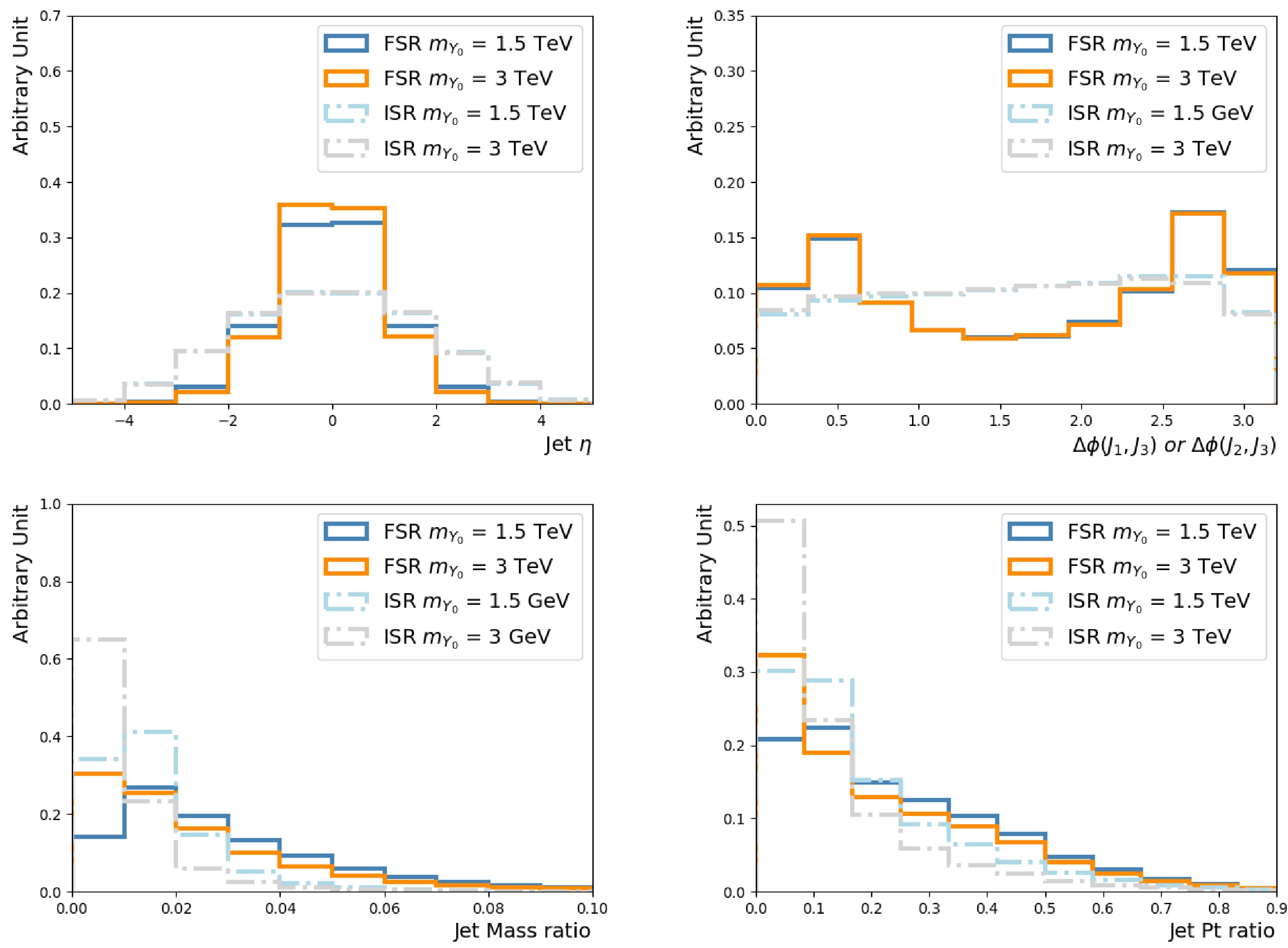
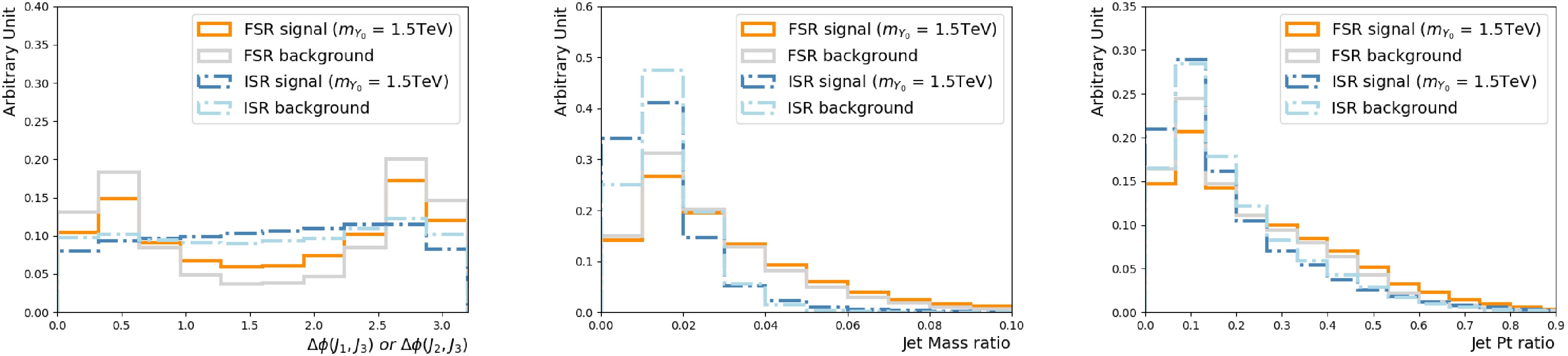
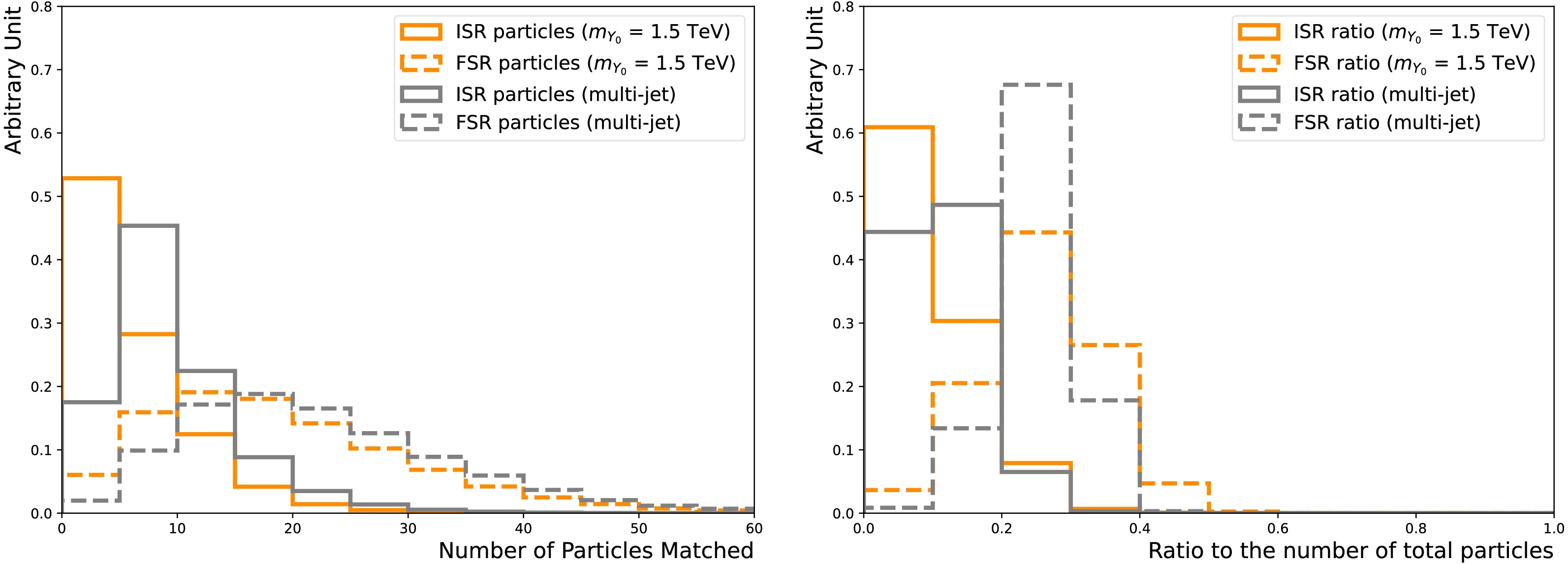
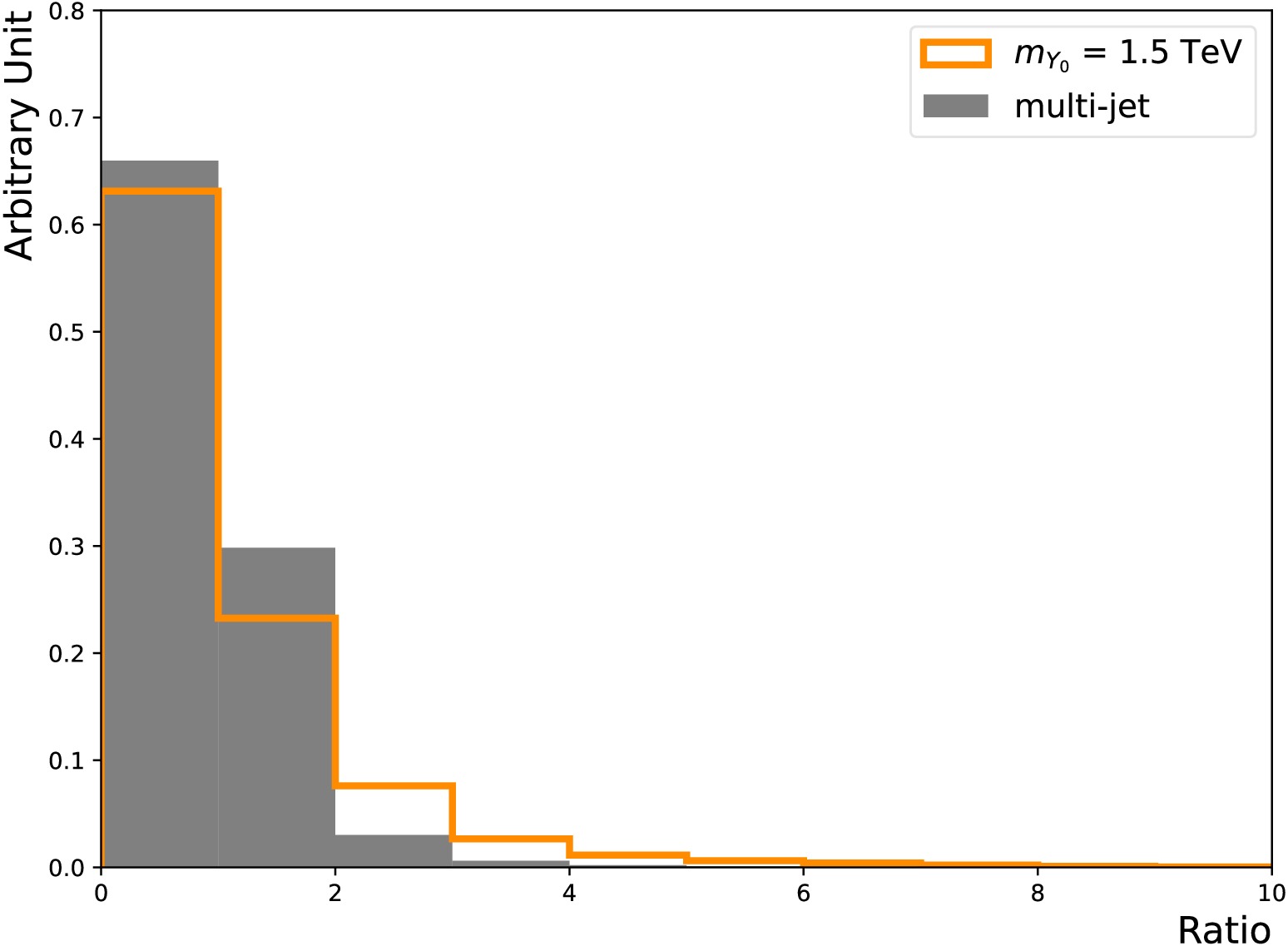
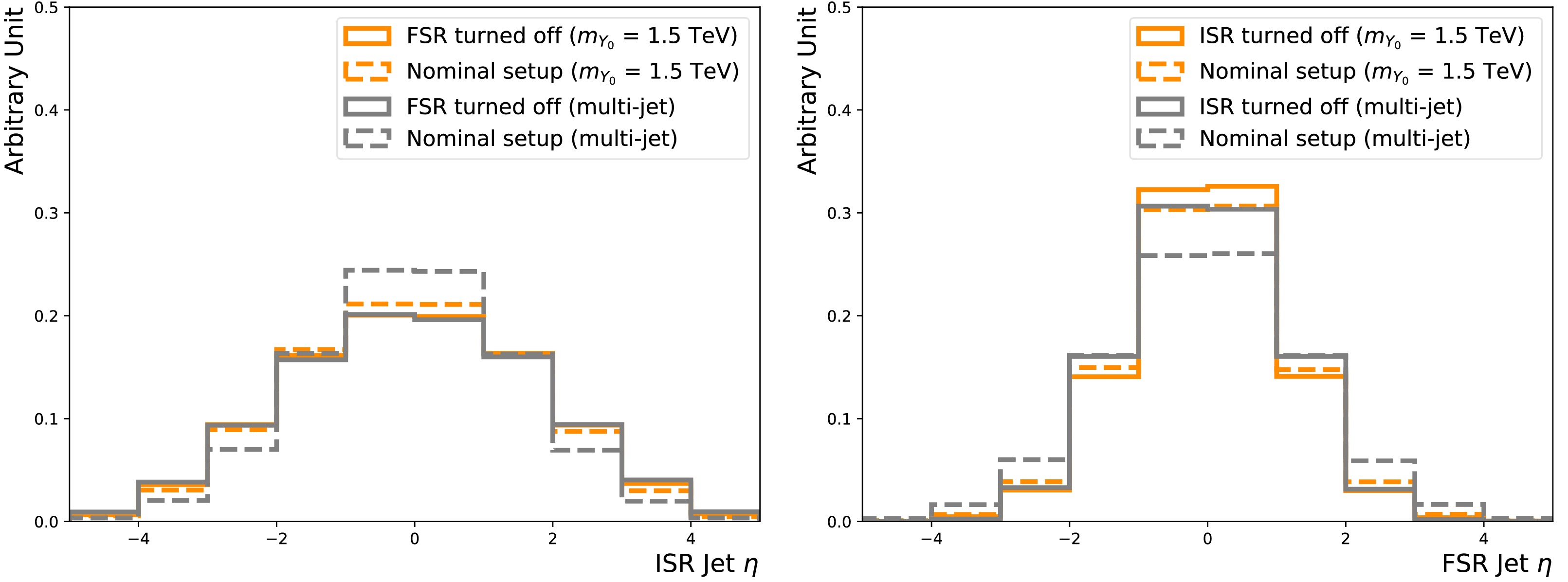
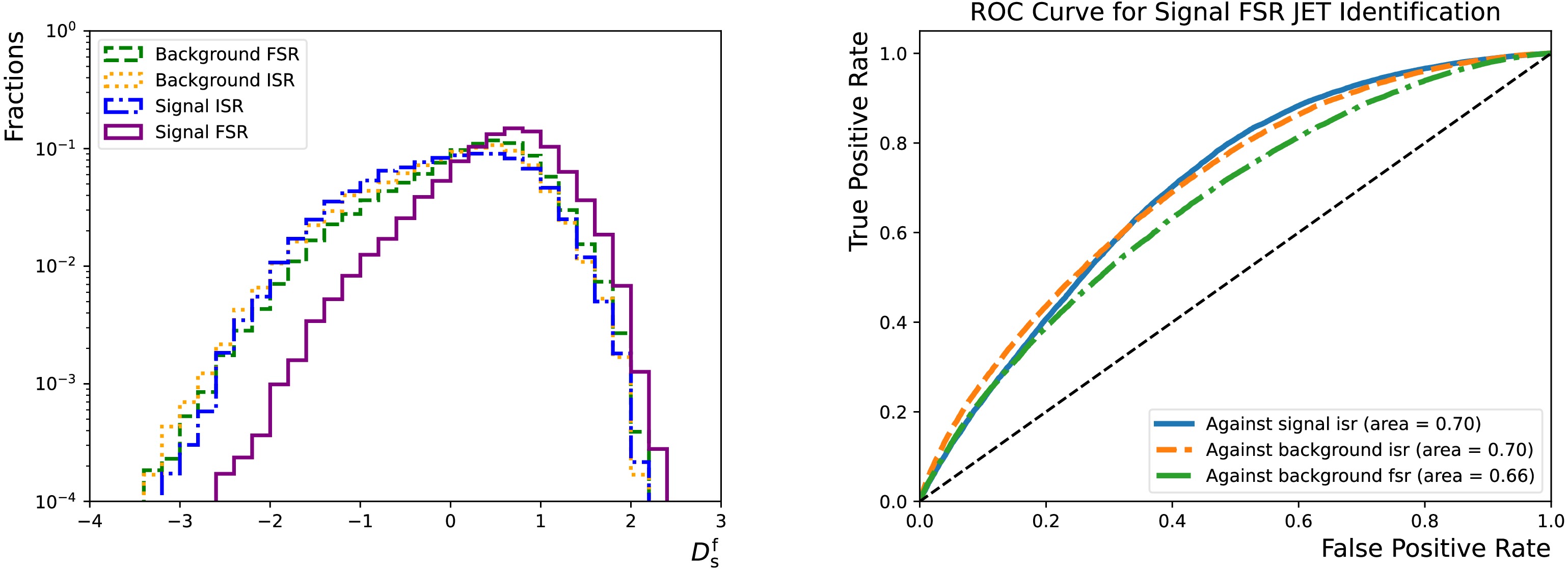
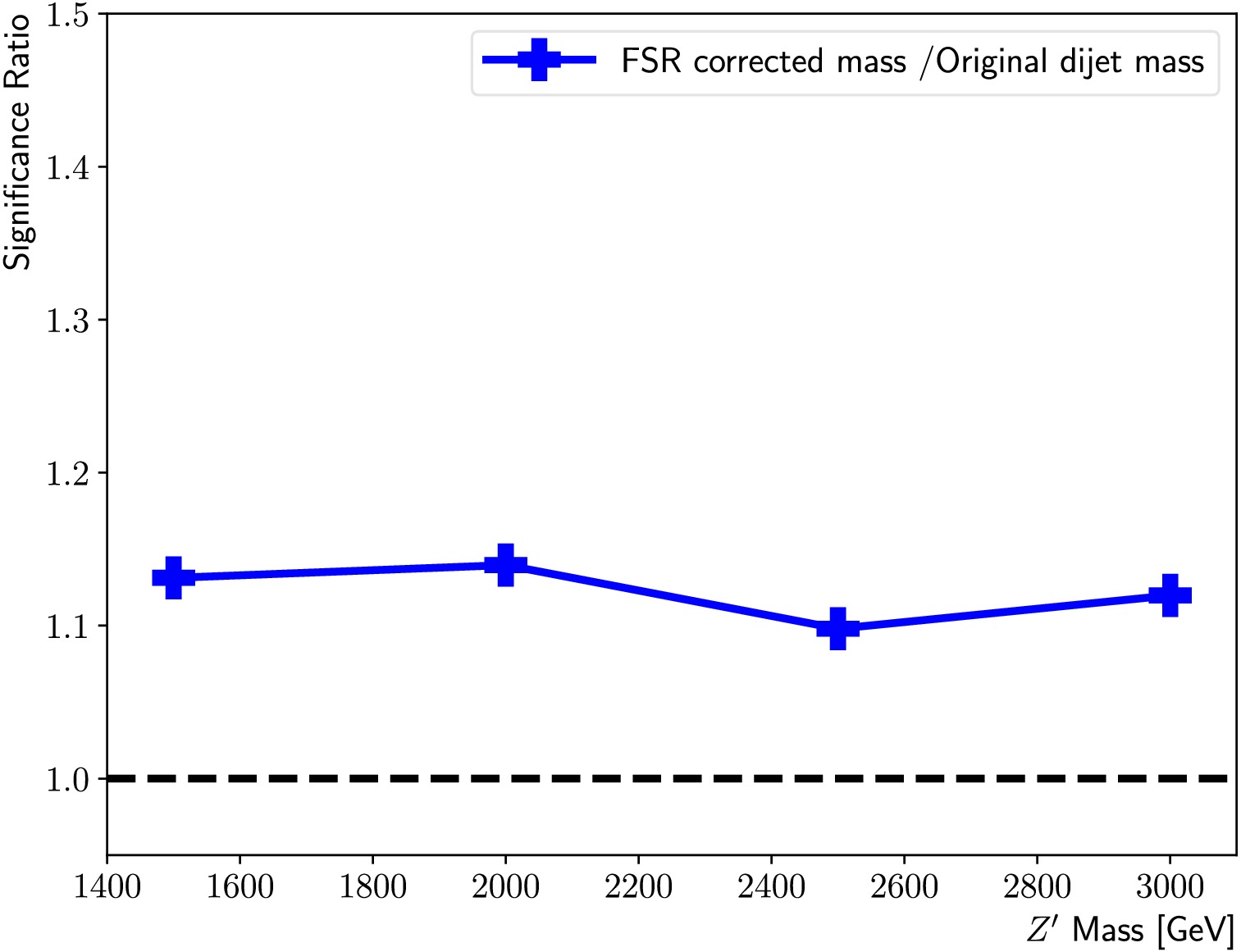
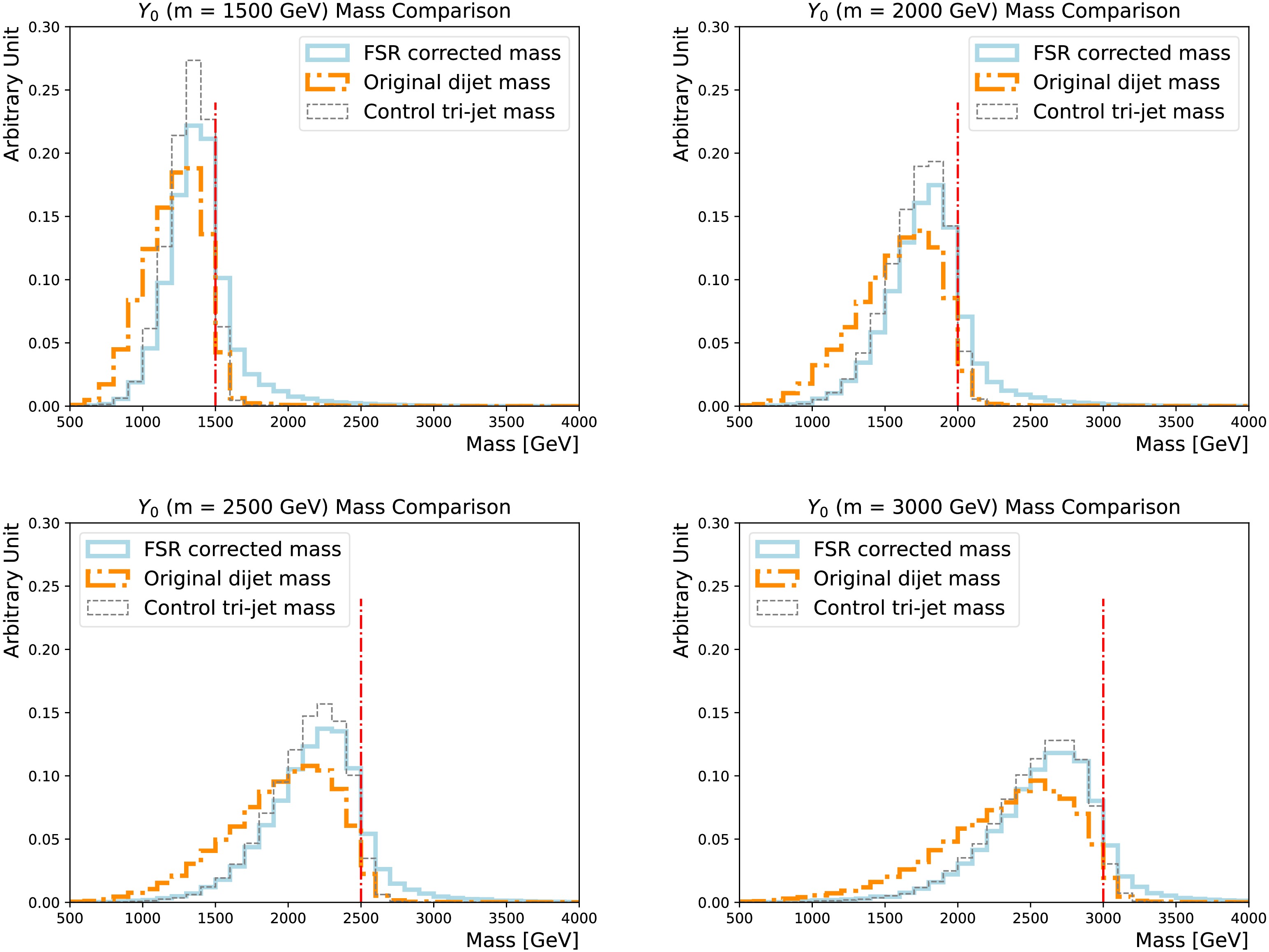
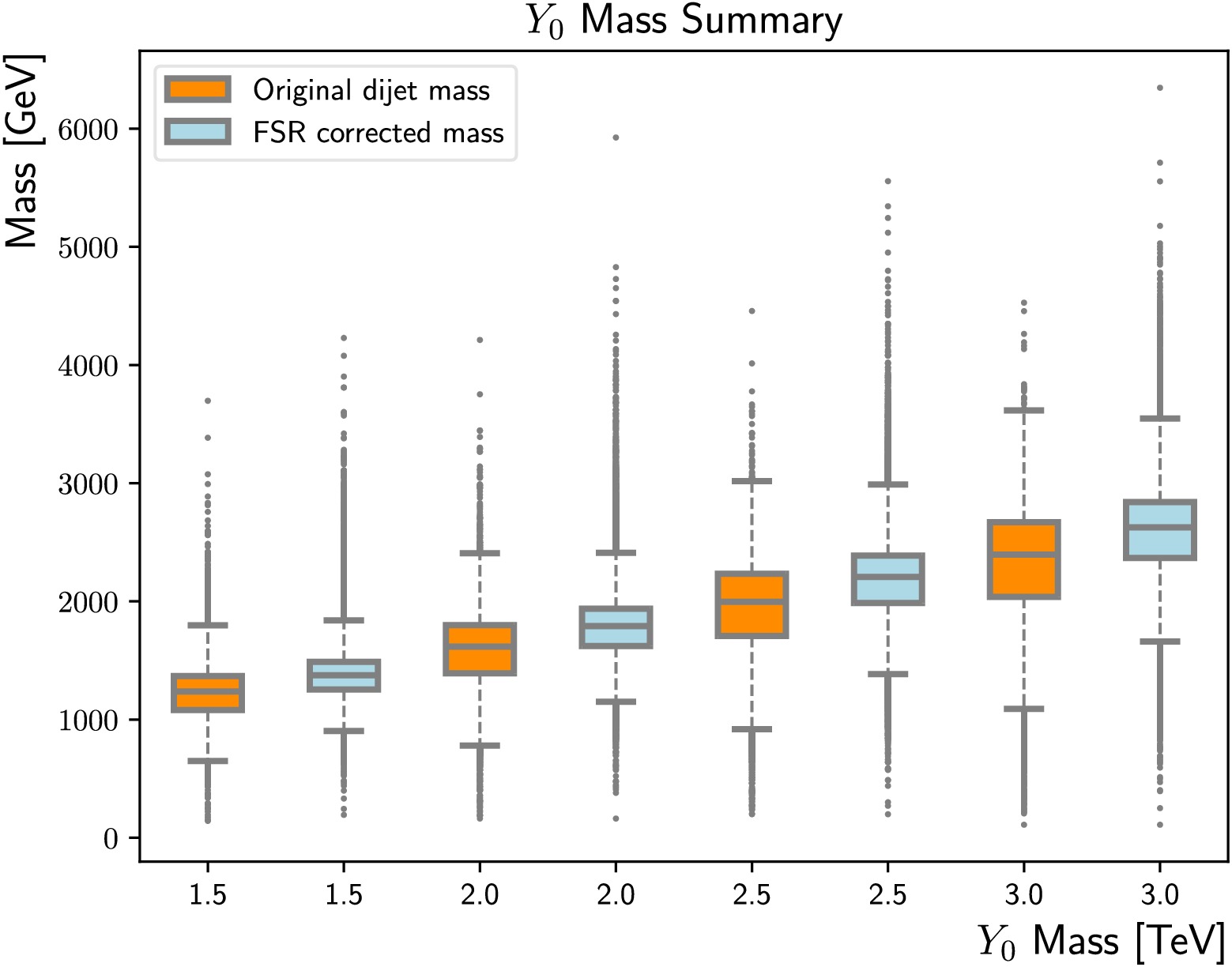
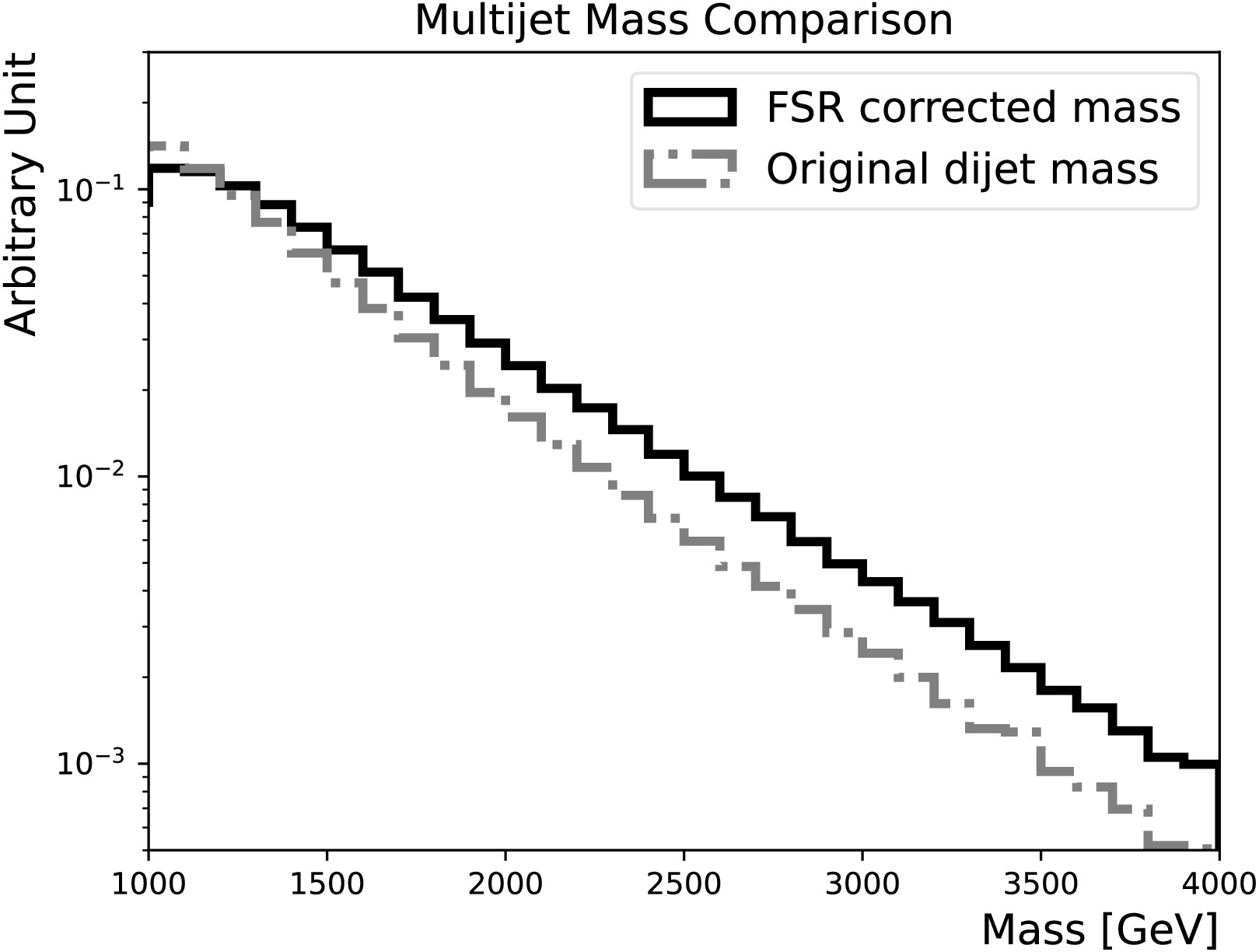
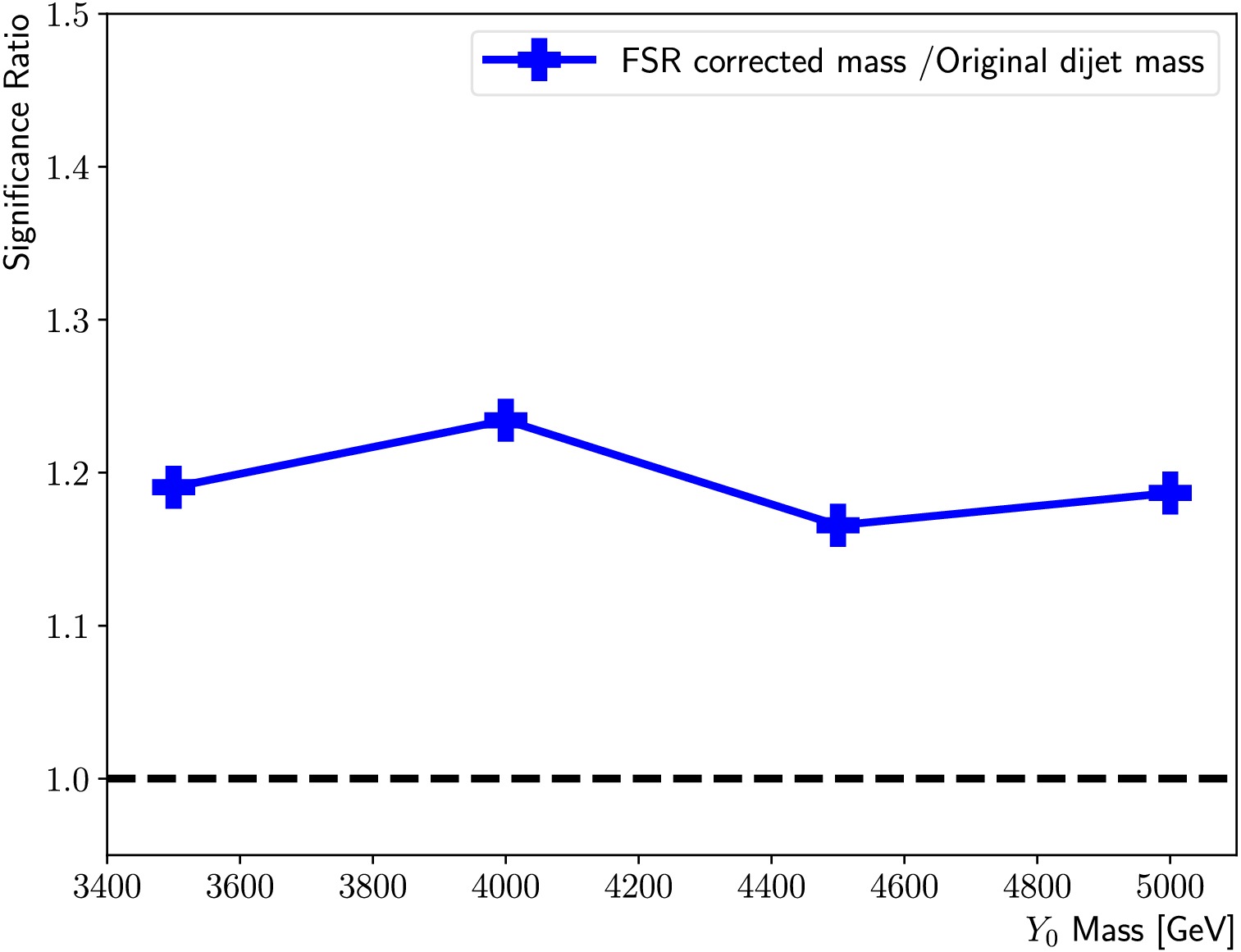
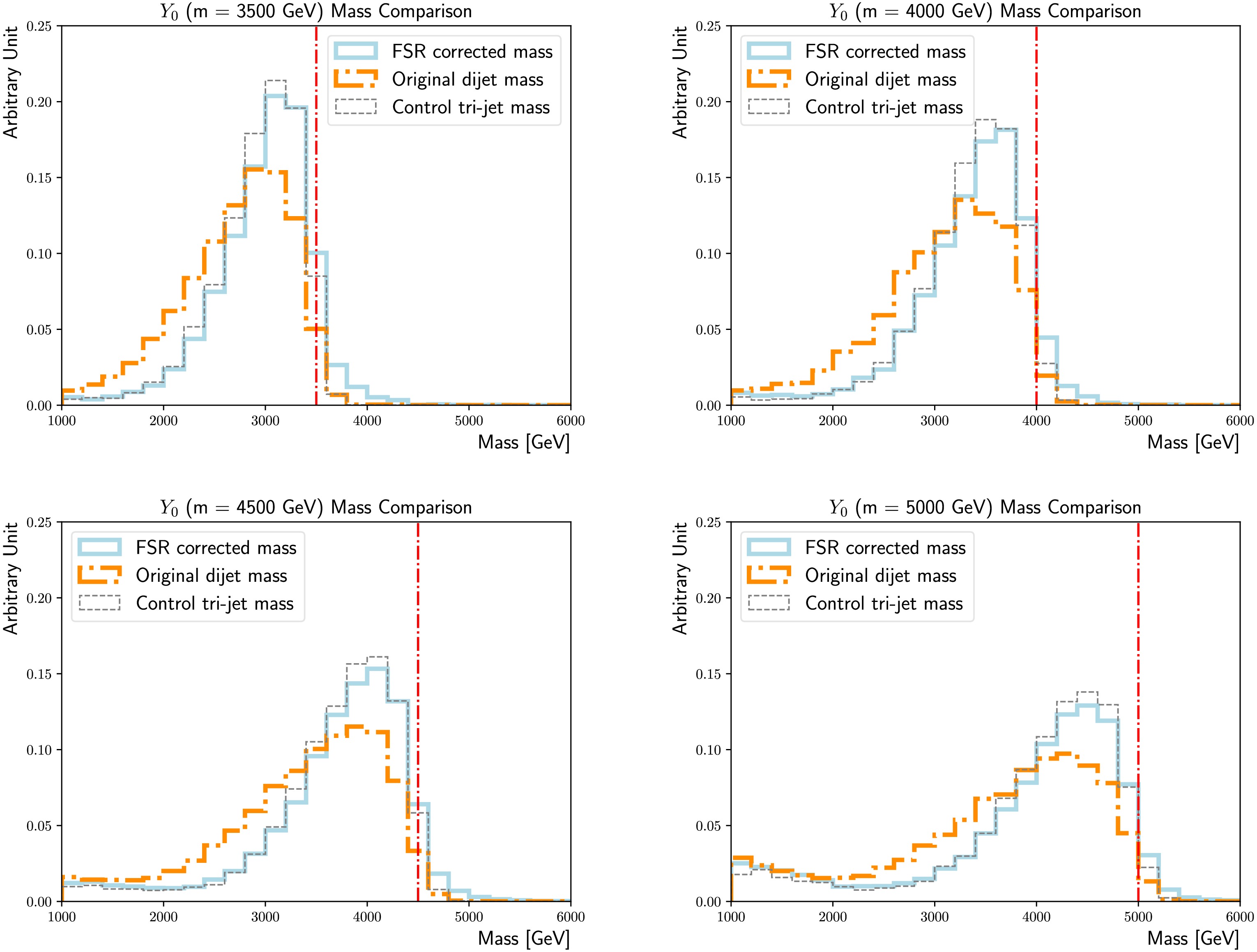
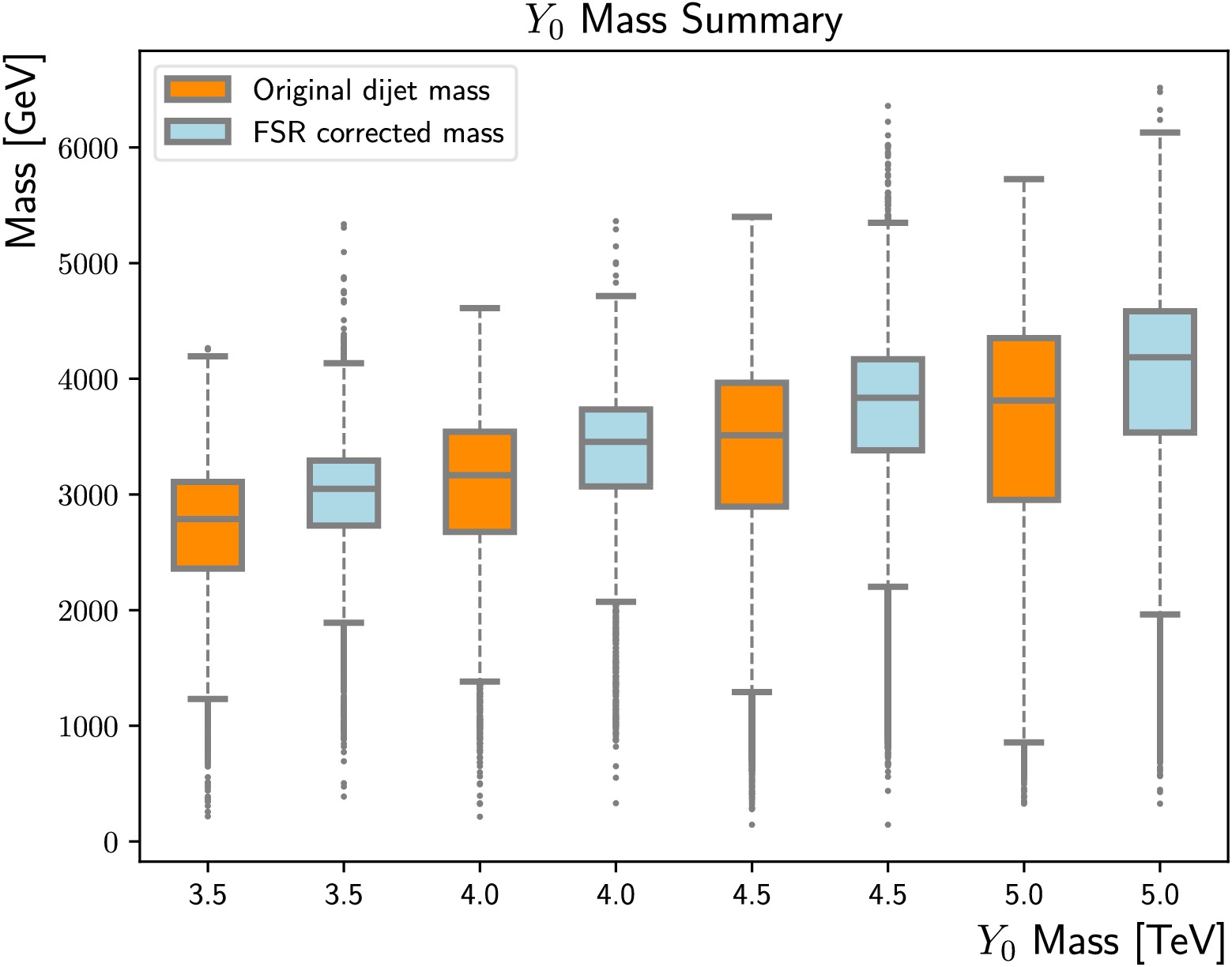
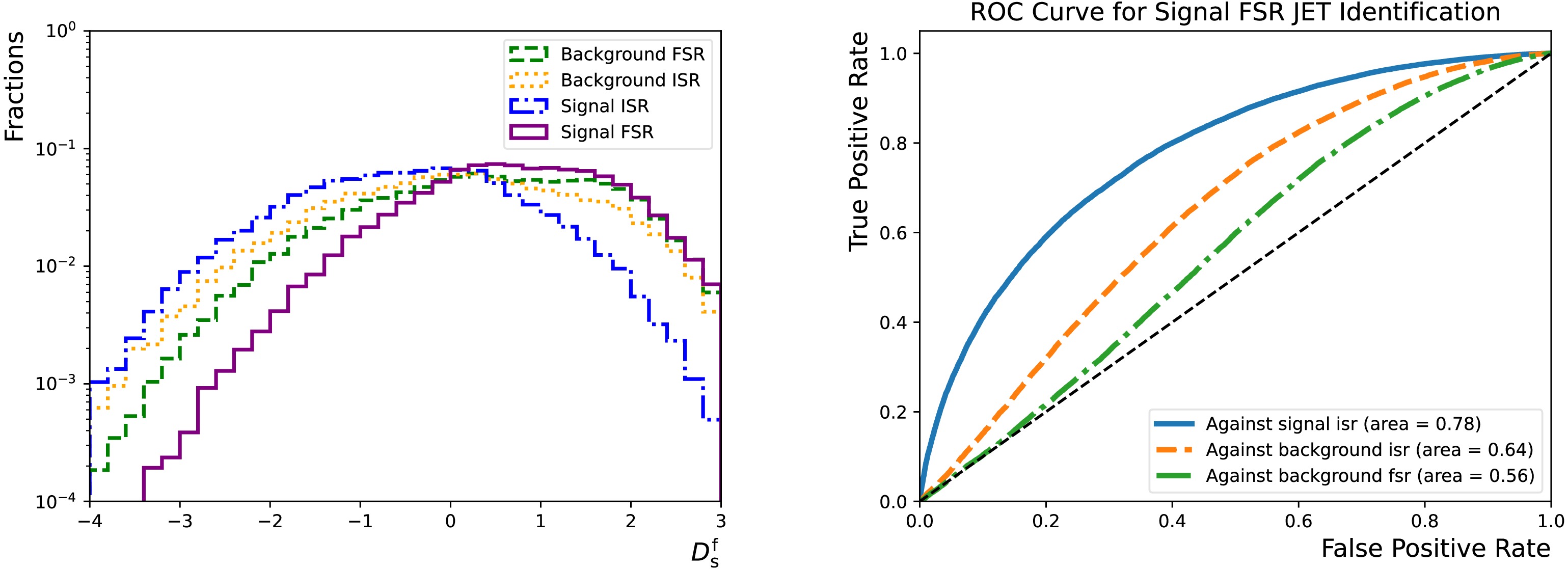
In this study, we investigate the possibility of enhancing the di-jet resonance searches by tagging the final state radiation (FSR) jet using an event-level deep neural network. It is found that solely relying on the 4-momenta of the leading three jets allows the algorithm to achieve good discriminating power that can identify the hardest FSR jet in the signal while rejecting other soft jets. Once the invariant mass is corrected with the tagged FSR jet, the mass resolution of the signal is greatly enhanced, and the sensitivity of the search is also improved by more than 10%. By crafting the input variables carefully, the algorithm introduces minimal mass sculpting for the background, and its applicability extends to a broad mass range. This work proves that FSR jet tagging can potentially enhance di-jet resonance searches, suiting various stages of the physics programmes at the Large Hadron Collider (LHC) and High-Luminosity LHC (HL-LHC).
In this study, we investigate the possibility of enhancing the di-jet resonance searches by tagging the final state radiation (FSR) jet using an event-level deep neural network. It is found that solely relying on the 4-momenta of the leading three jets allows the algorithm to achieve good discriminating power that can identify the hardest FSR jet in the signal while rejecting other soft jets. Once the invariant mass is corrected with the tagged FSR jet, the mass resolution of the signal is greatly enhanced, and the sensitivity of the search is also improved by more than 10%. By crafting the input variables carefully, the algorithm introduces minimal mass sculpting for the background, and its applicability extends to a broad mass range. This work proves that FSR jet tagging can potentially enhance di-jet resonance searches, suiting various stages of the physics programmes at the Large Hadron Collider (LHC) and High-Luminosity LHC (HL-LHC).
2026, 50(4): 043107. doi: 10.1088/1674-1137/ae37f0
Abstract:
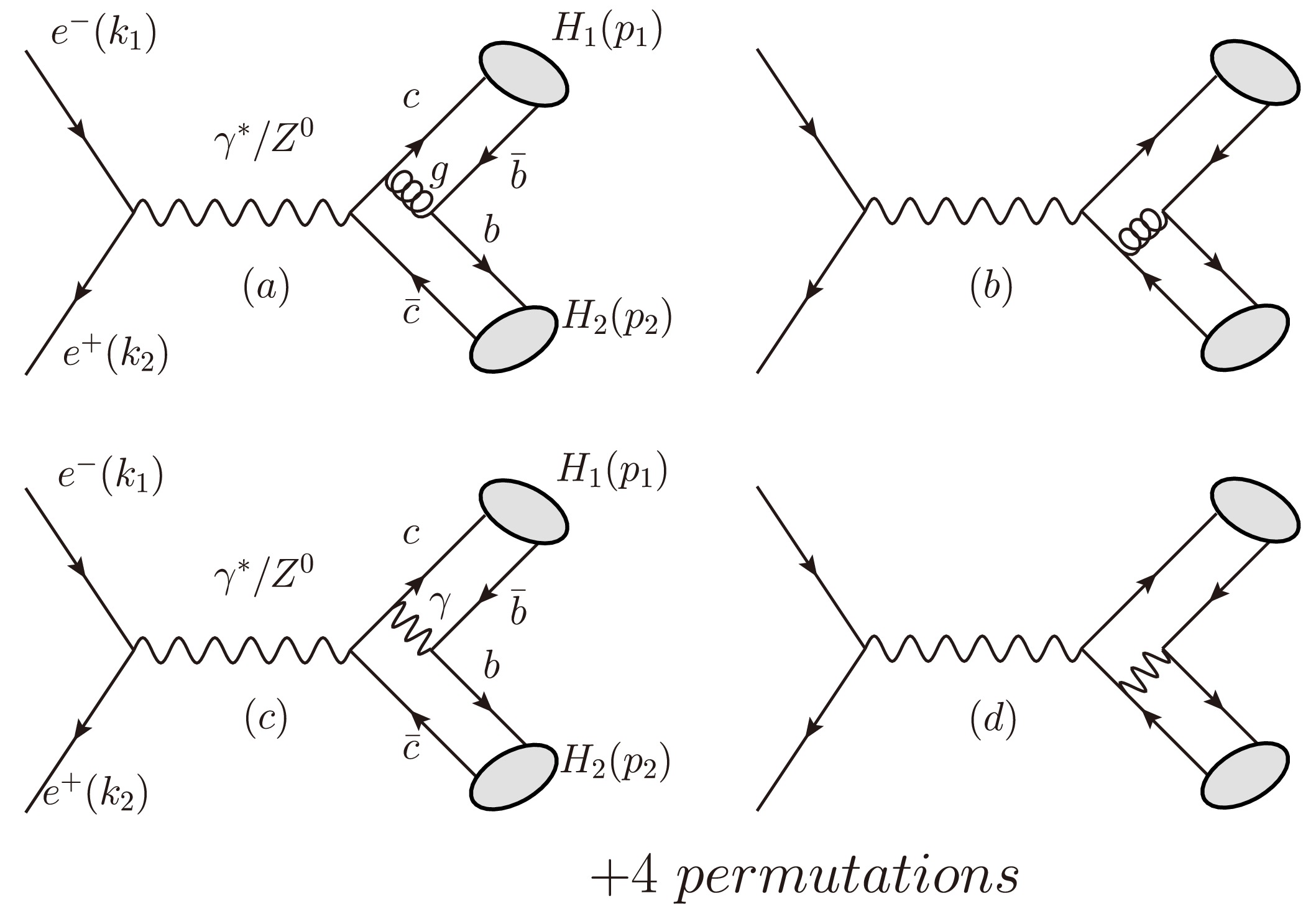
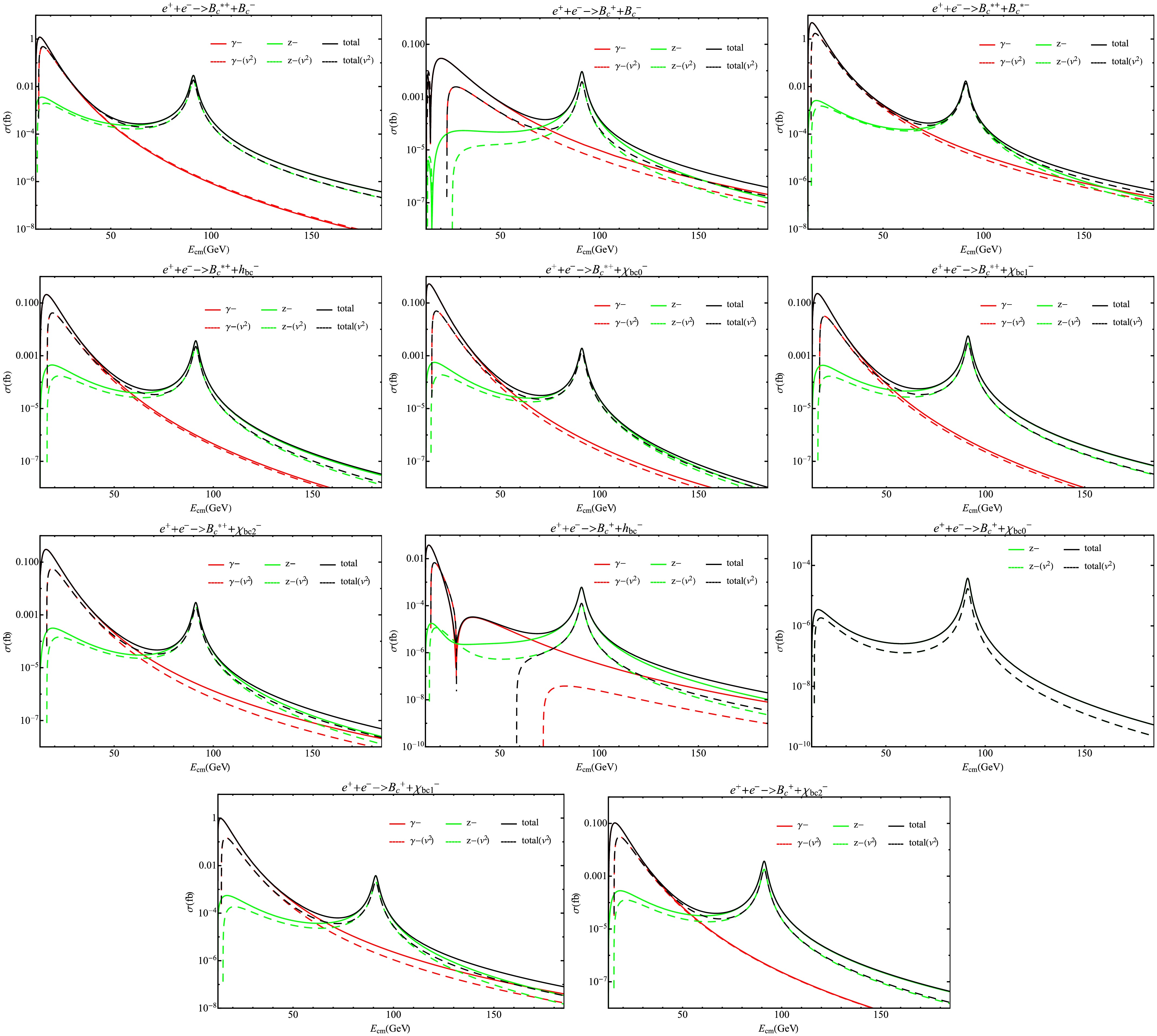
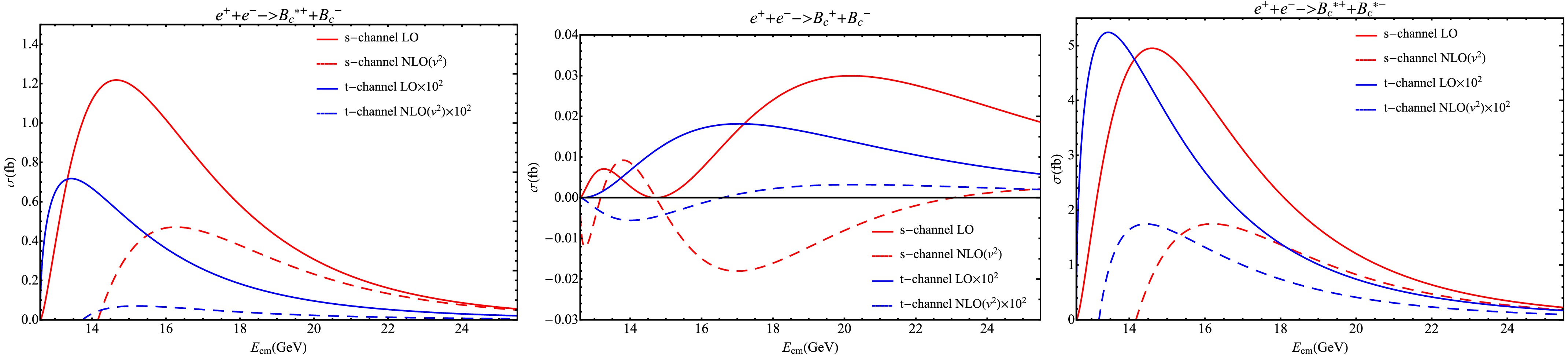
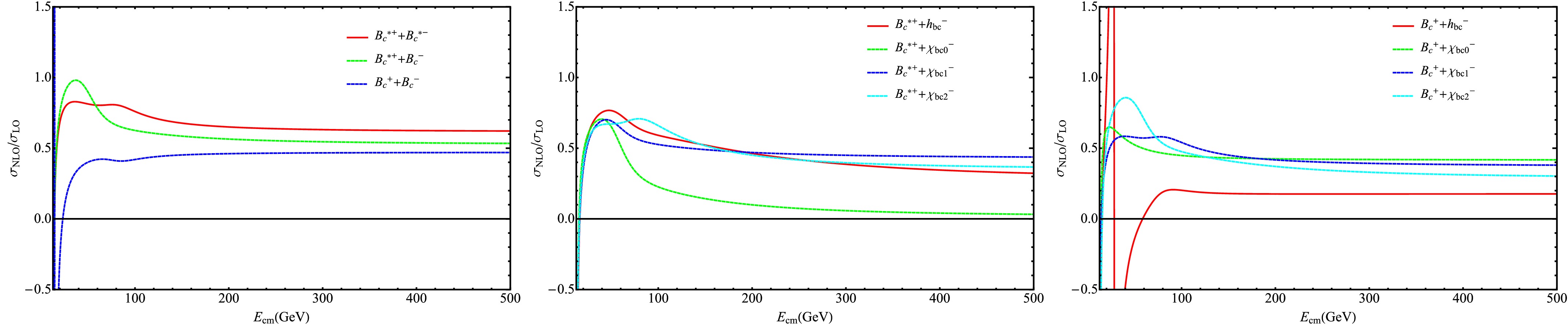
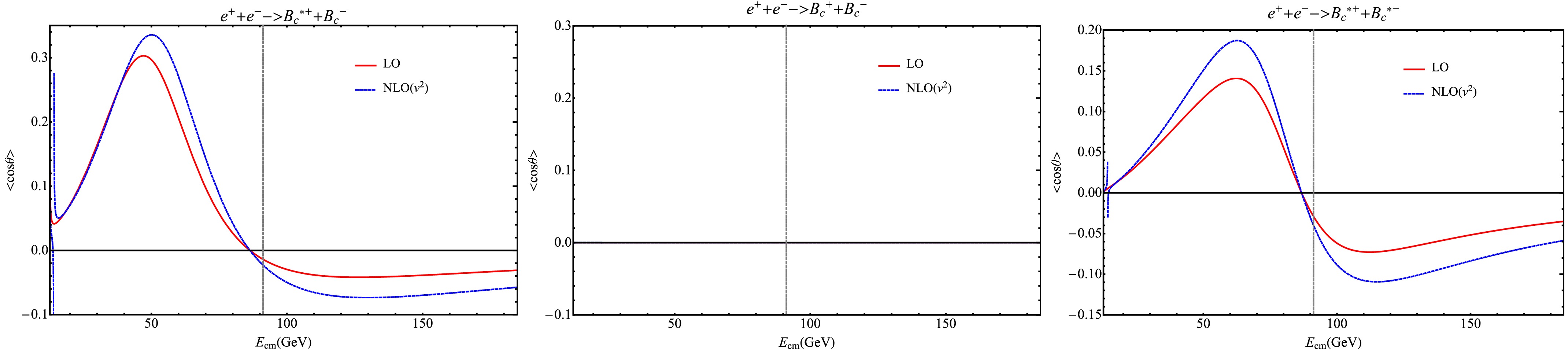
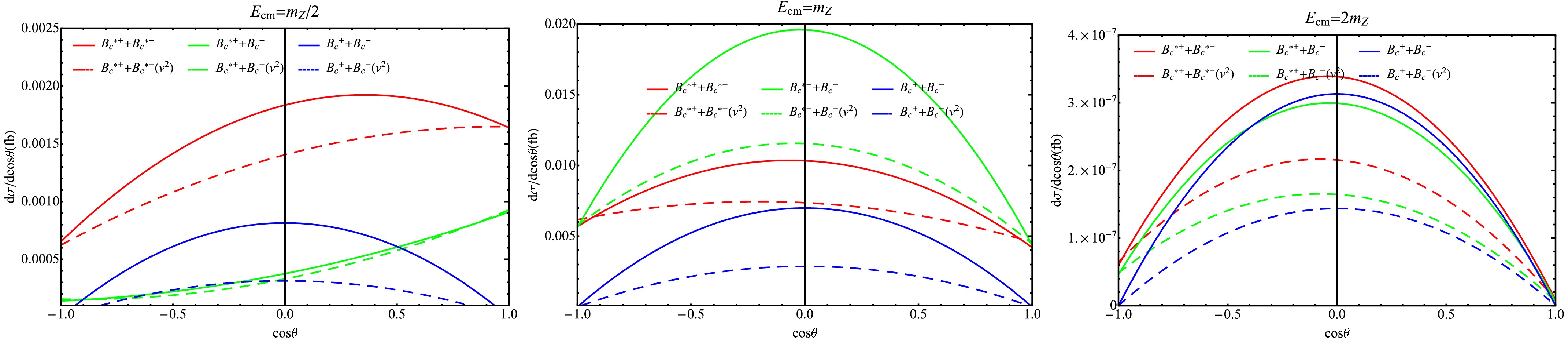
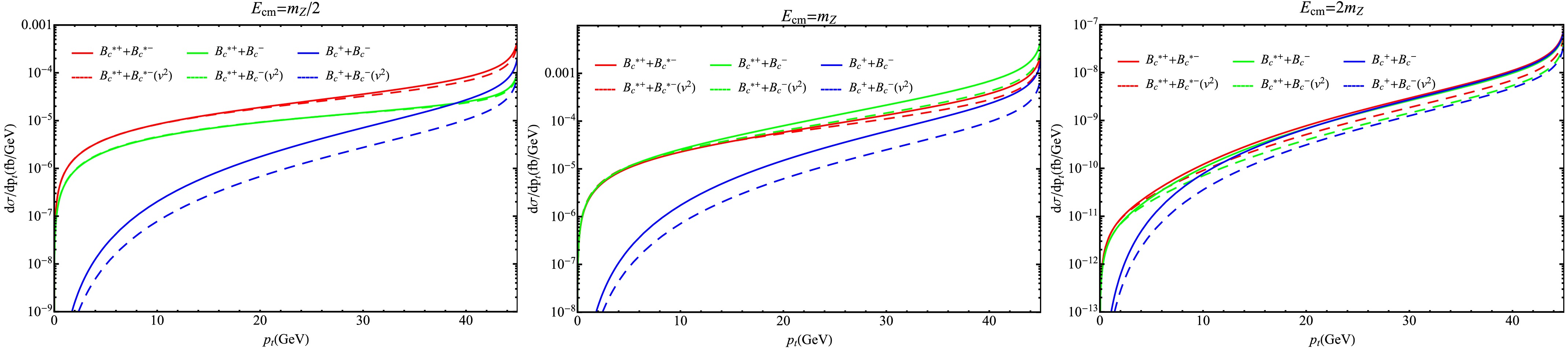
Within the framework of nonrelativistic quantum chronodynamics factorization, we investigate relativistic corrections to the production of a pair of\begin{document}$ B_c $\end{document} \begin{document}$ e^+e^- $\end{document} \begin{document}$ 2\;m_Z $\end{document} \begin{document}$ Z^0 $\end{document}
Within the framework of nonrelativistic quantum chronodynamics factorization, we investigate relativistic corrections to the production of a pair of
2026, 50(4): 043108. doi: 10.1088/1674-1137/ae3b37
Abstract:
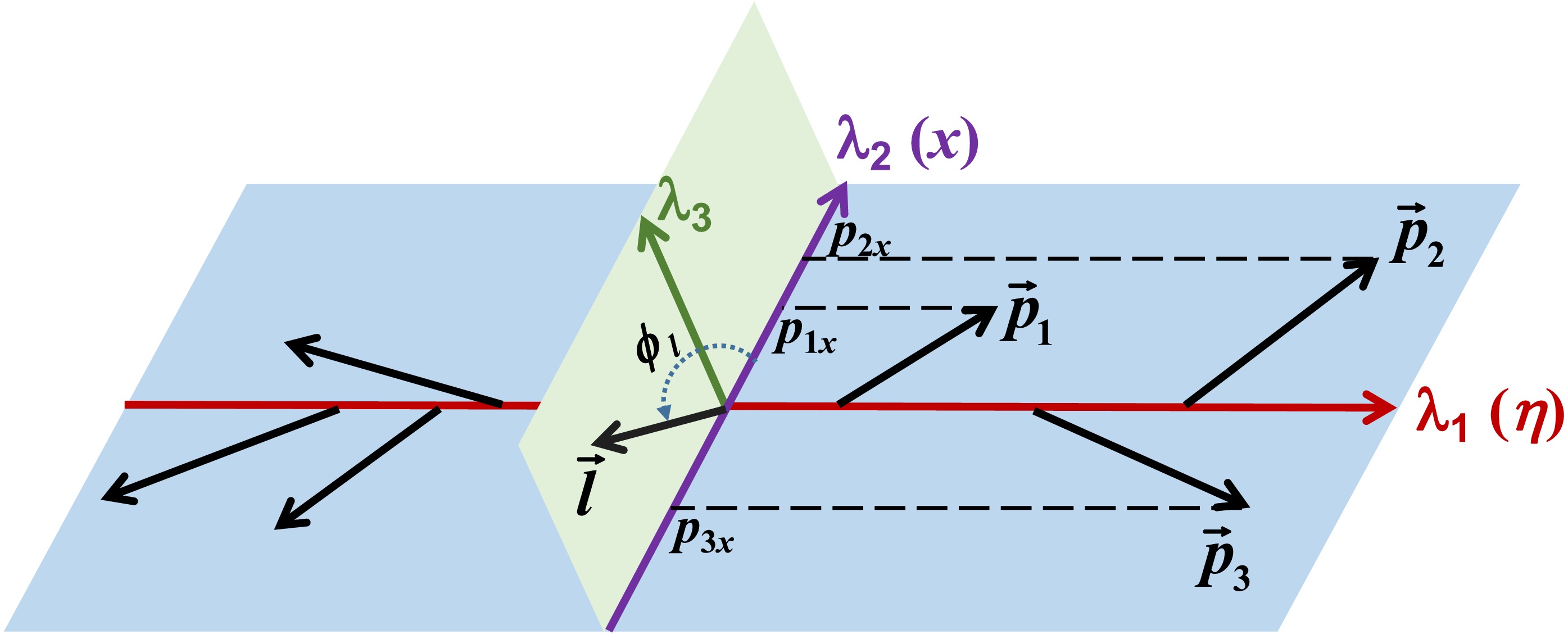
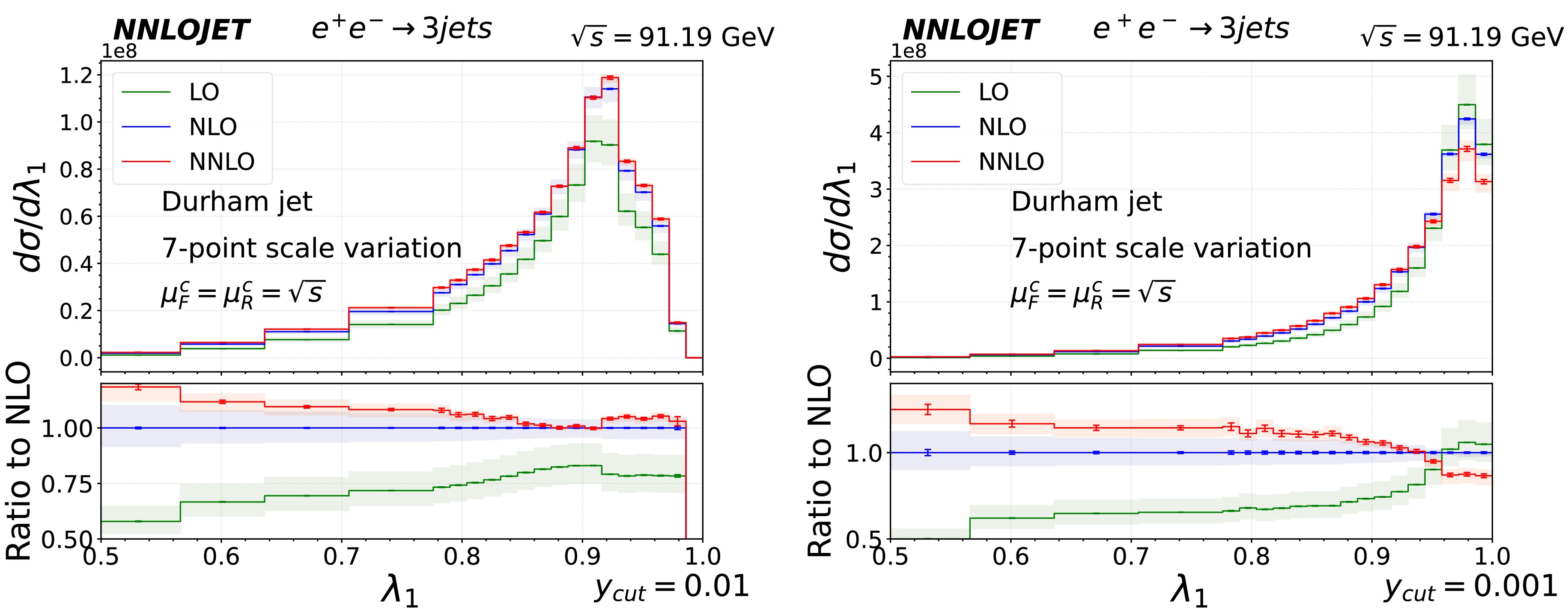
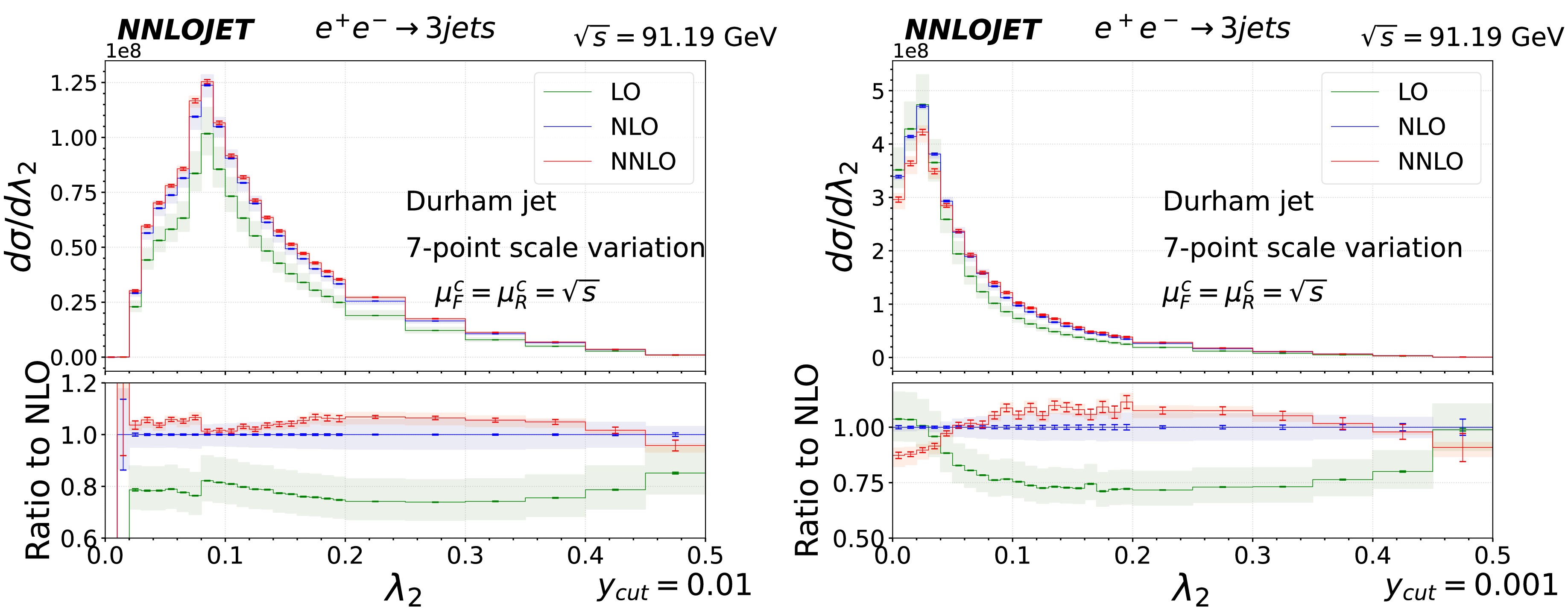
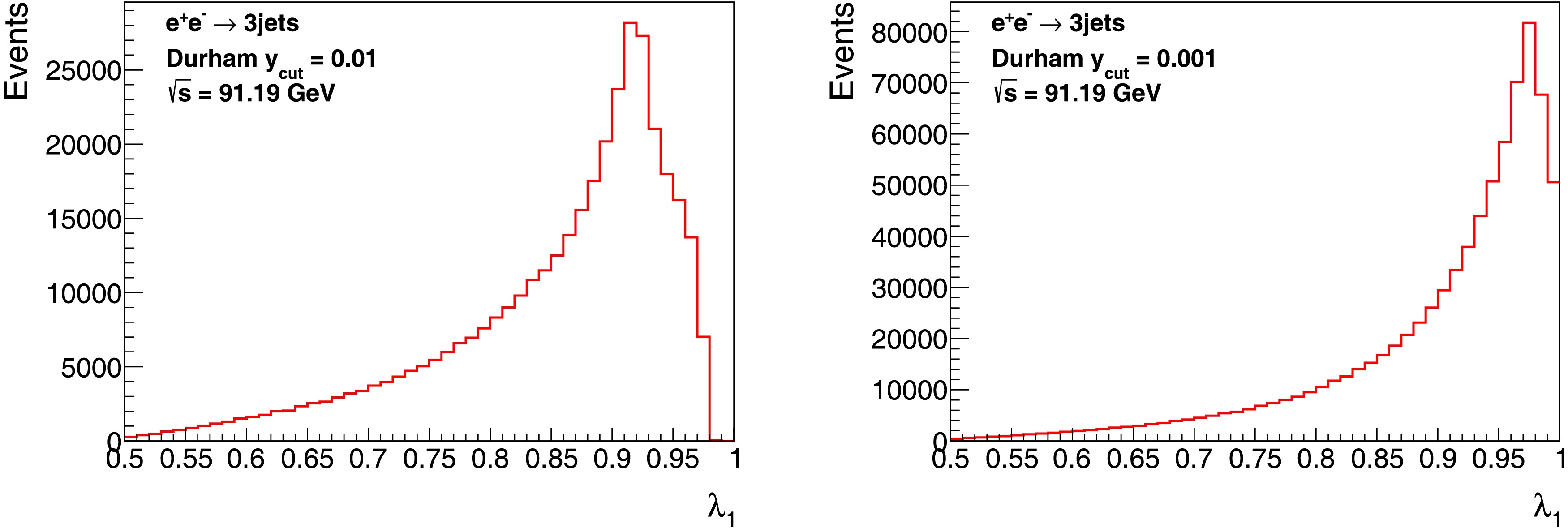
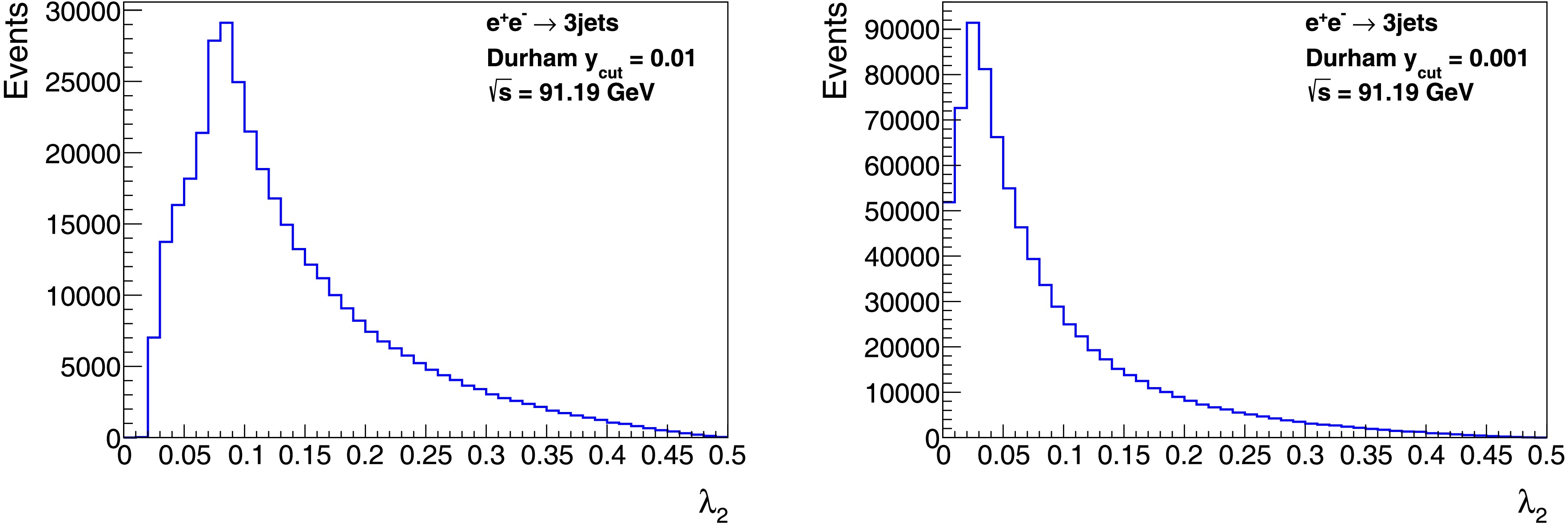
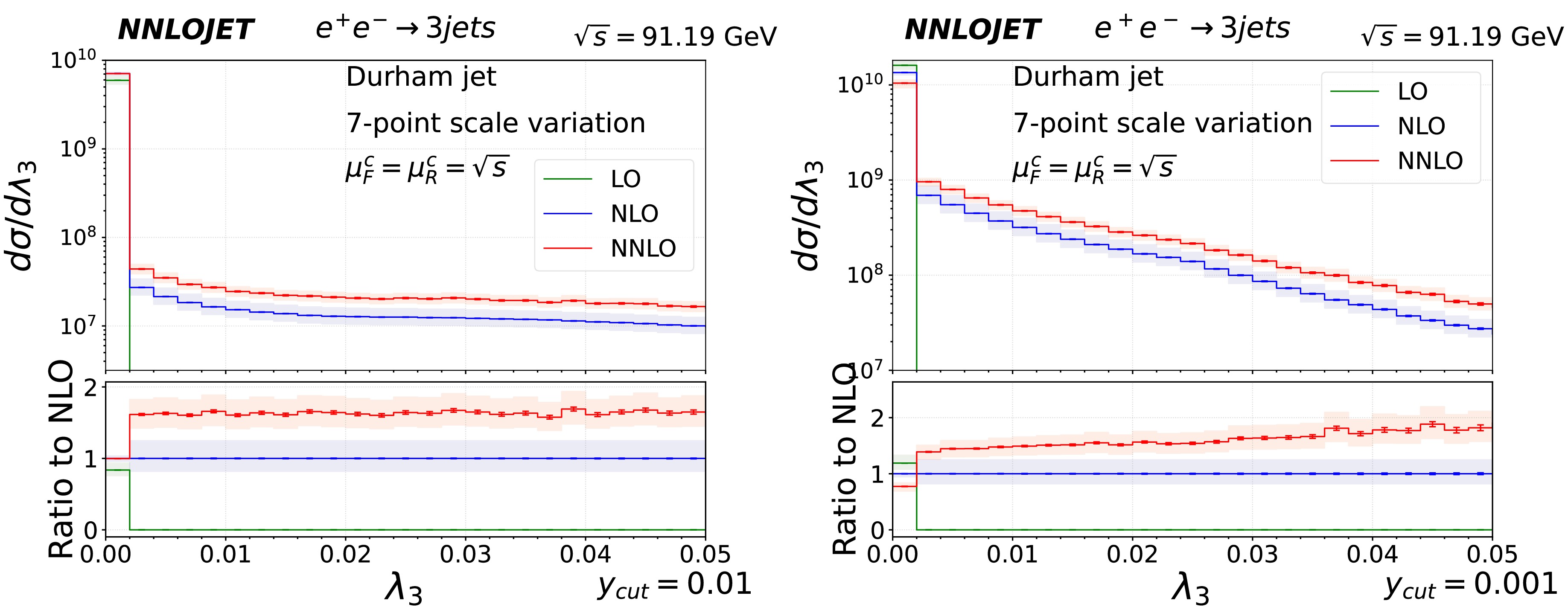
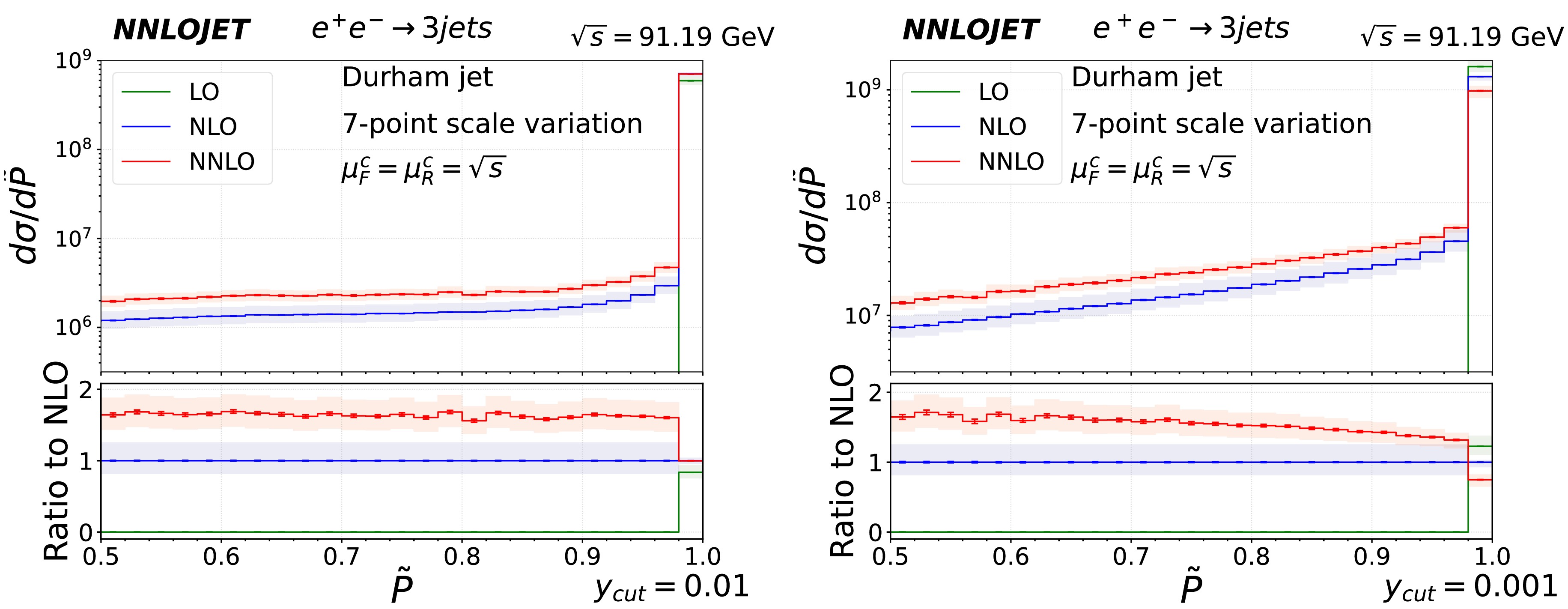
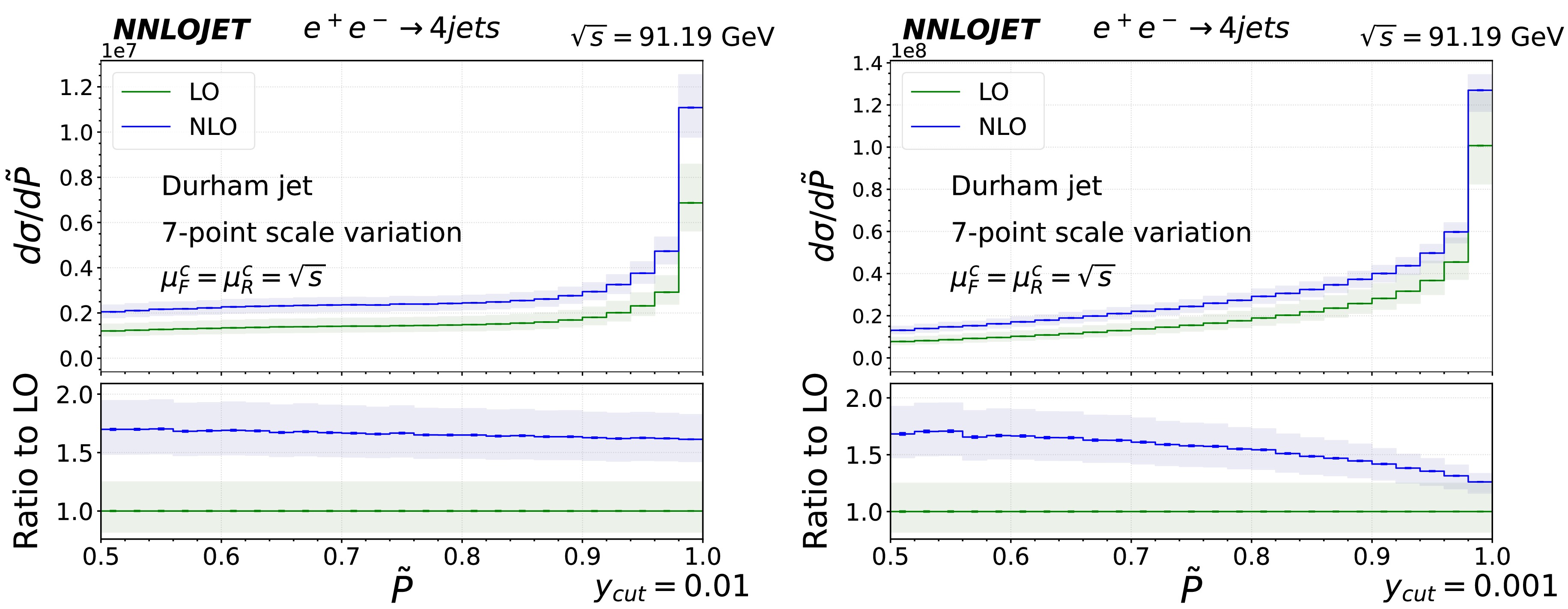
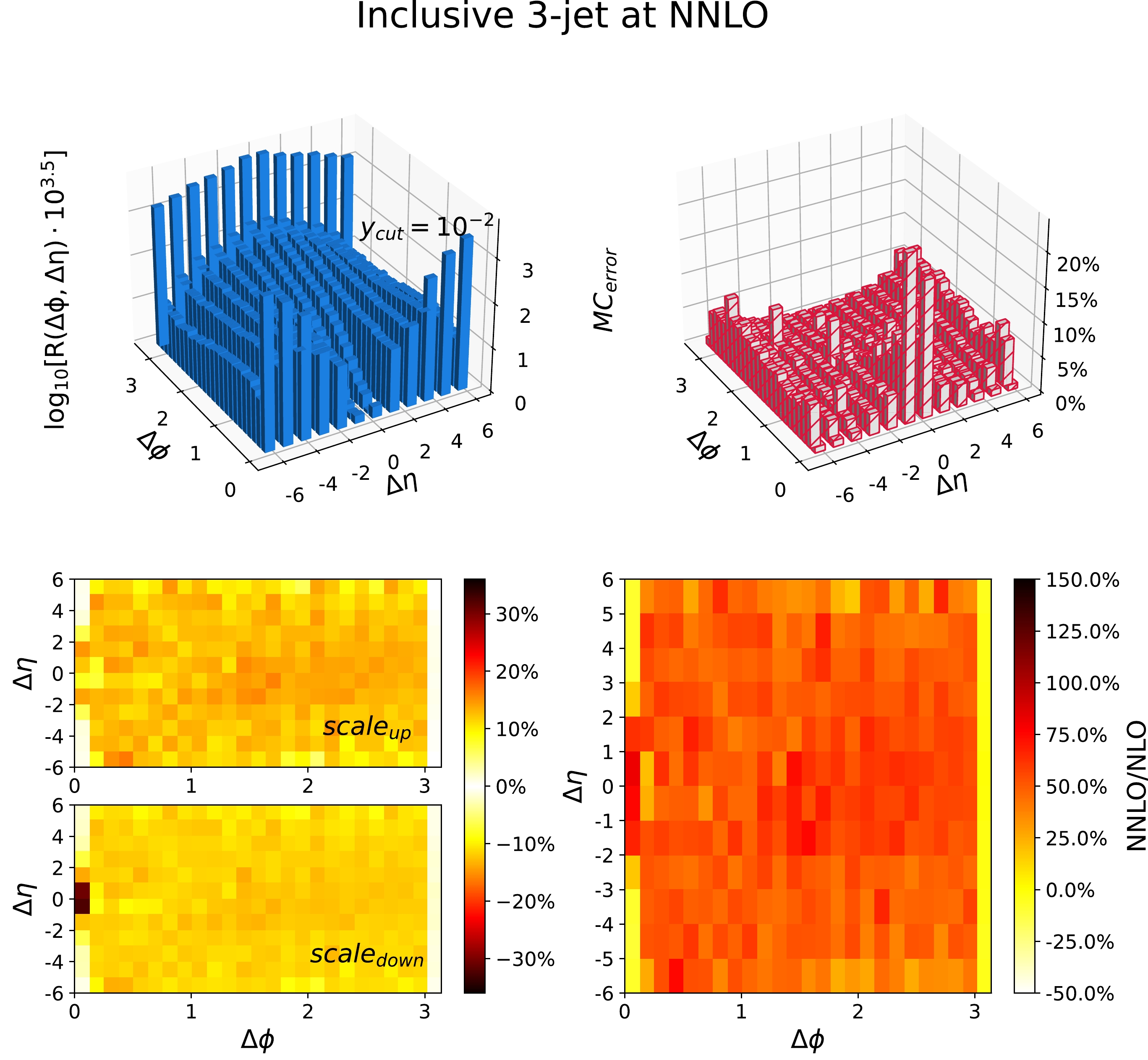
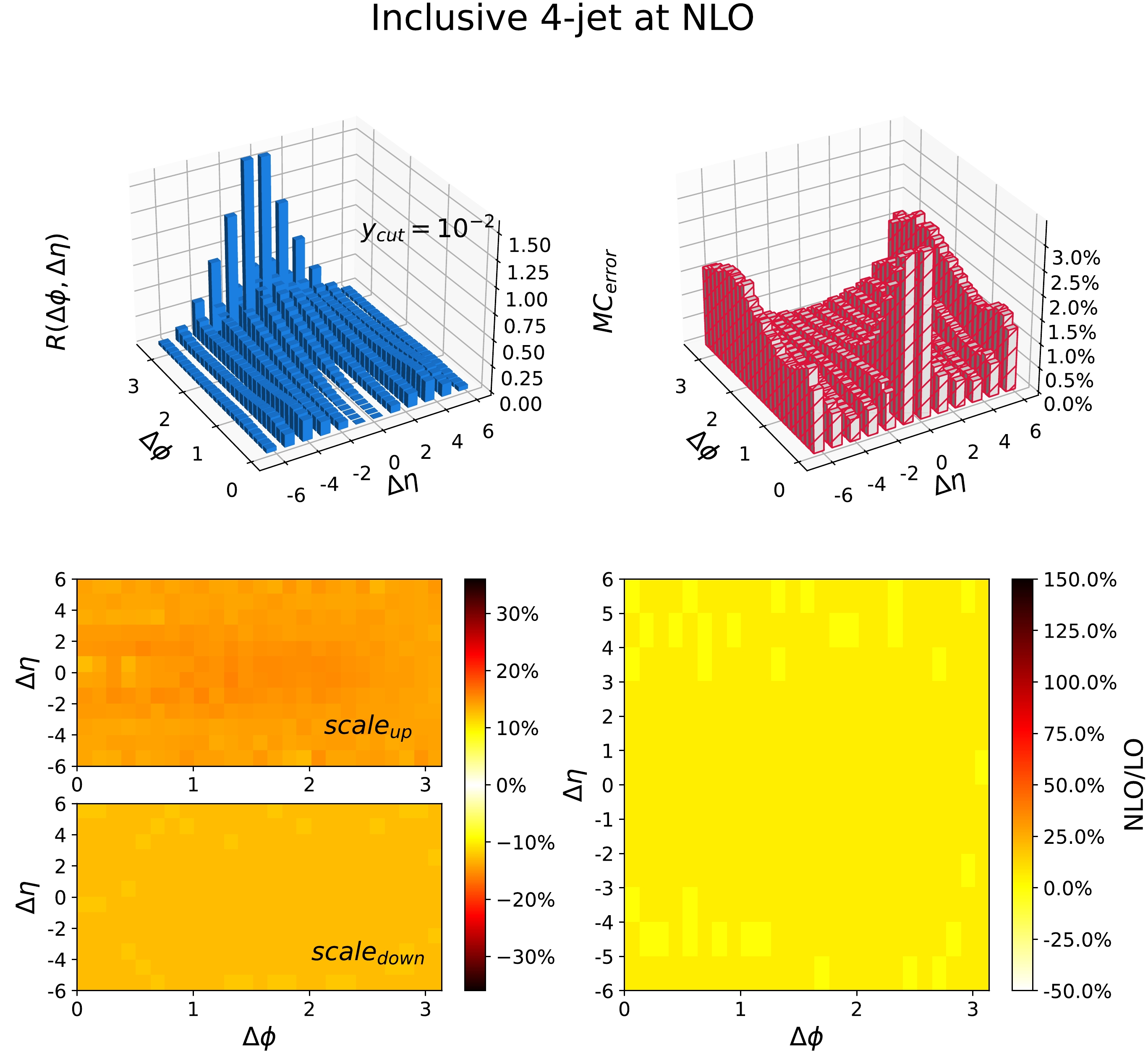
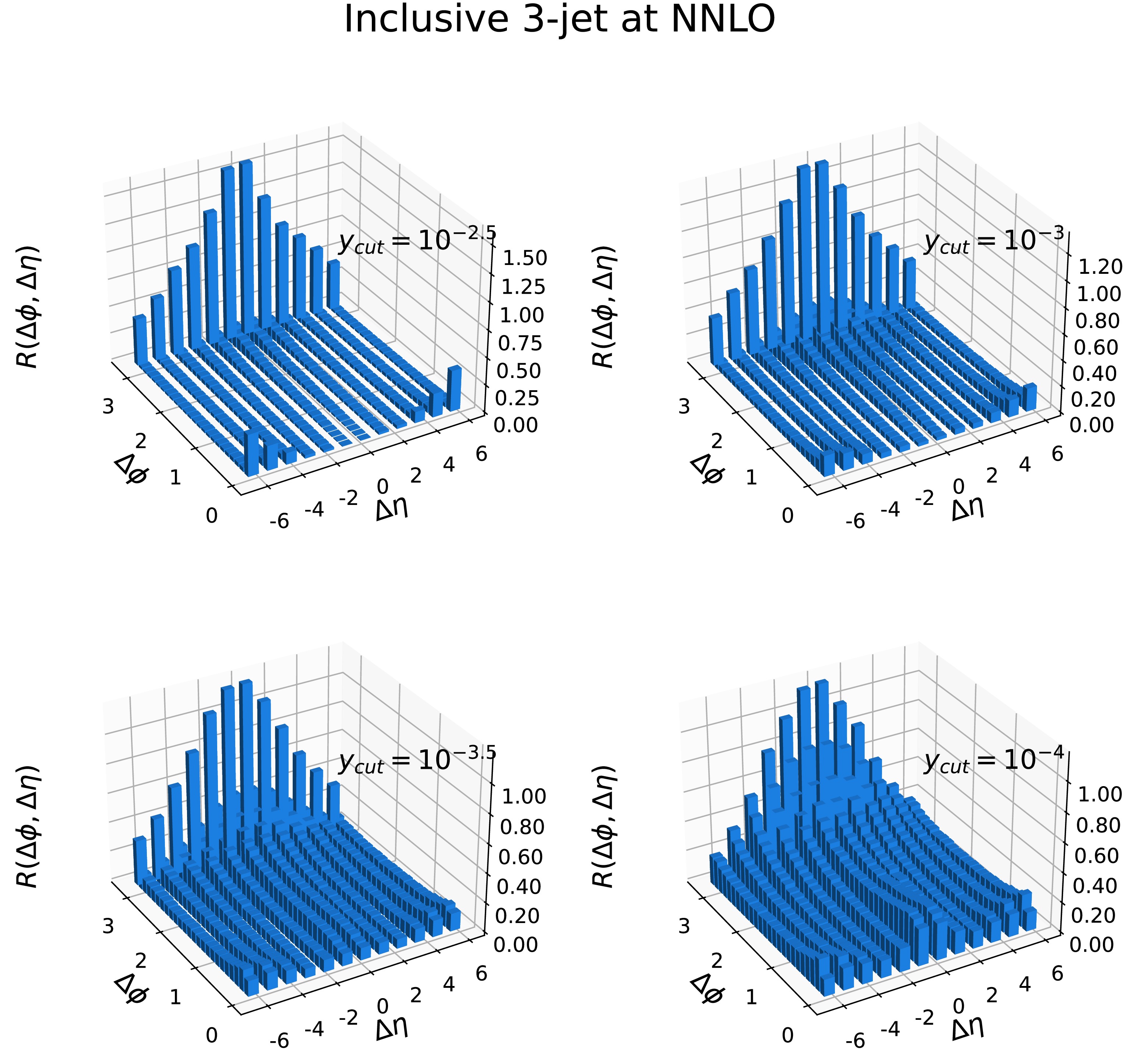
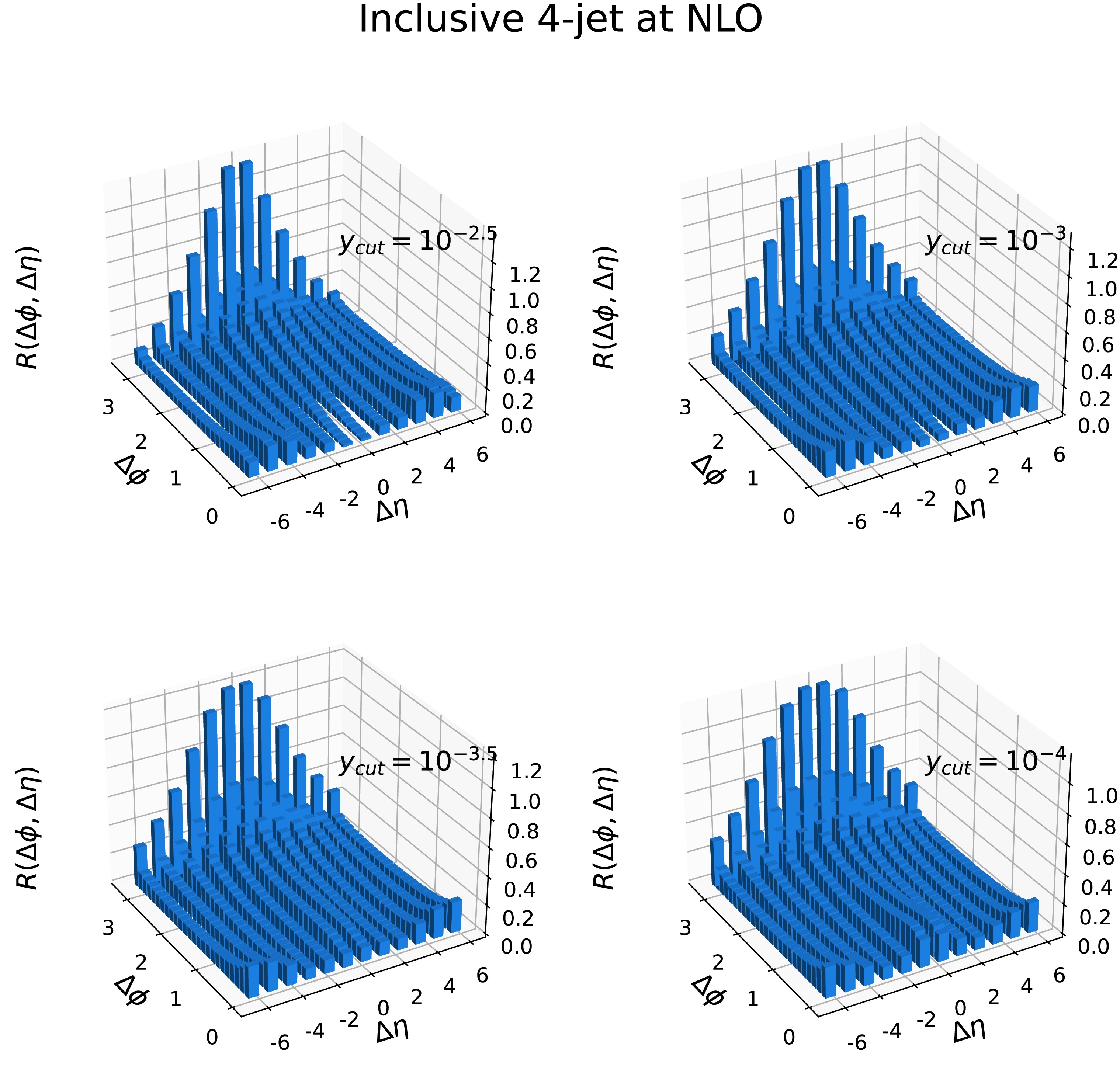
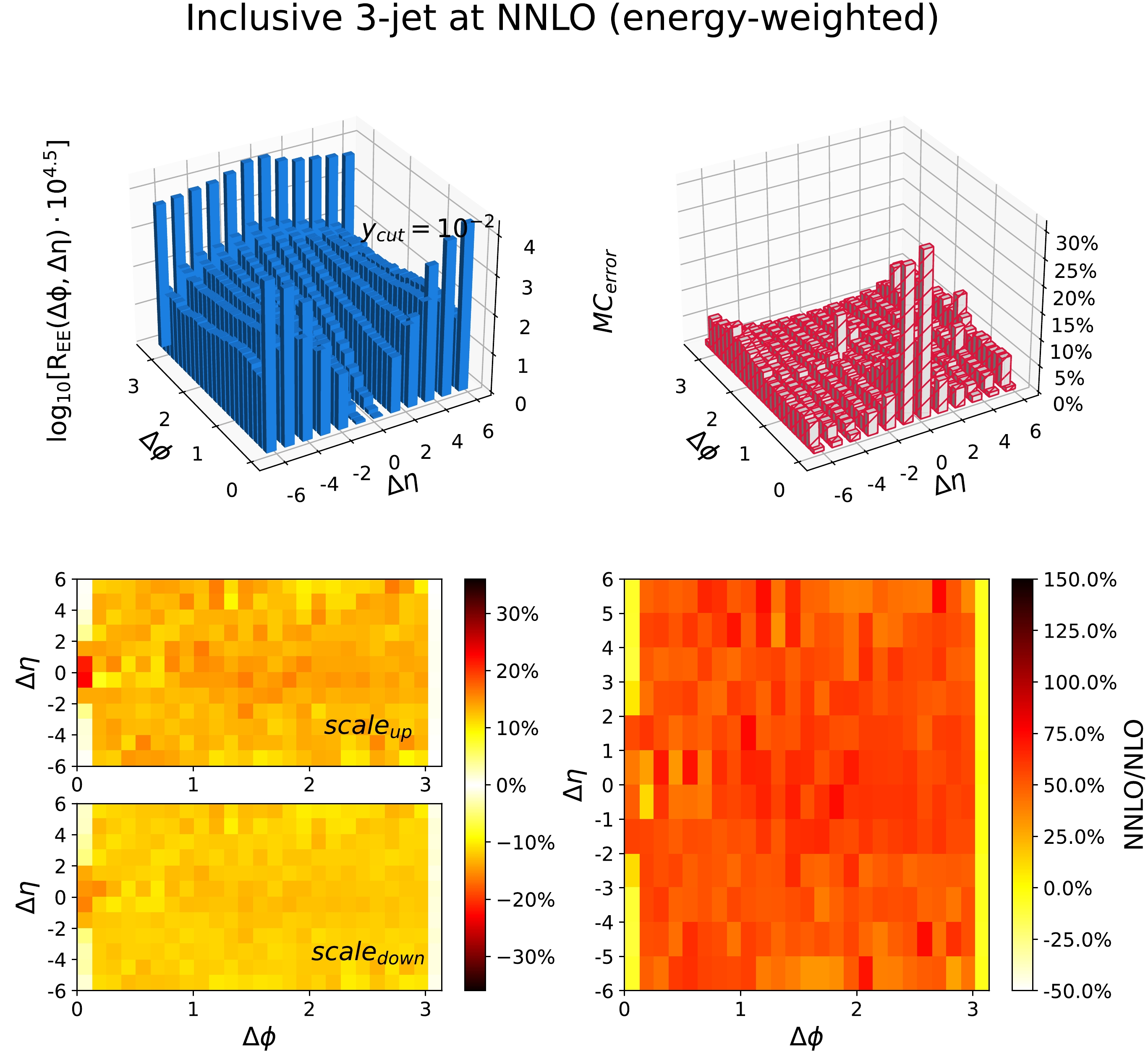
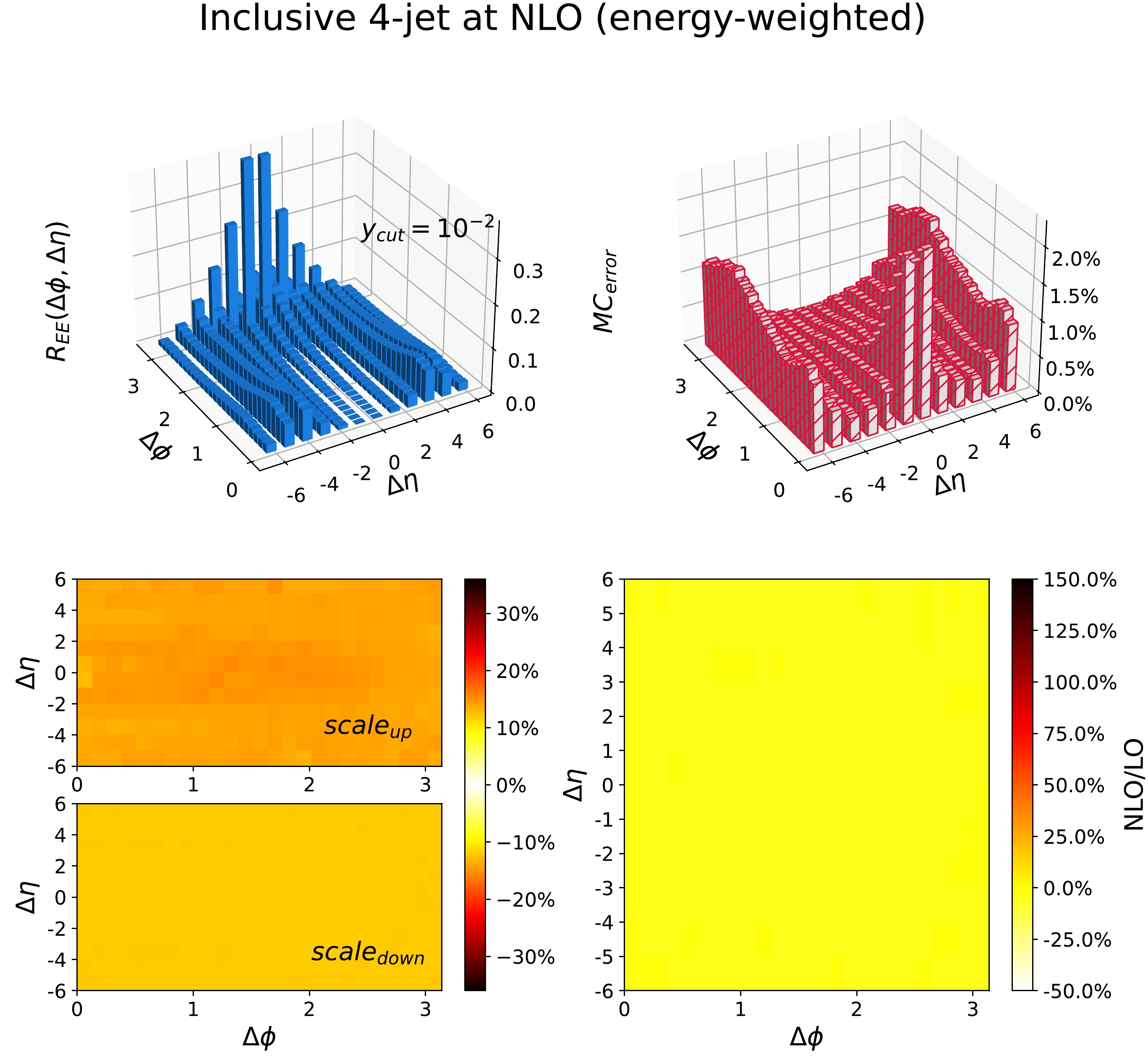
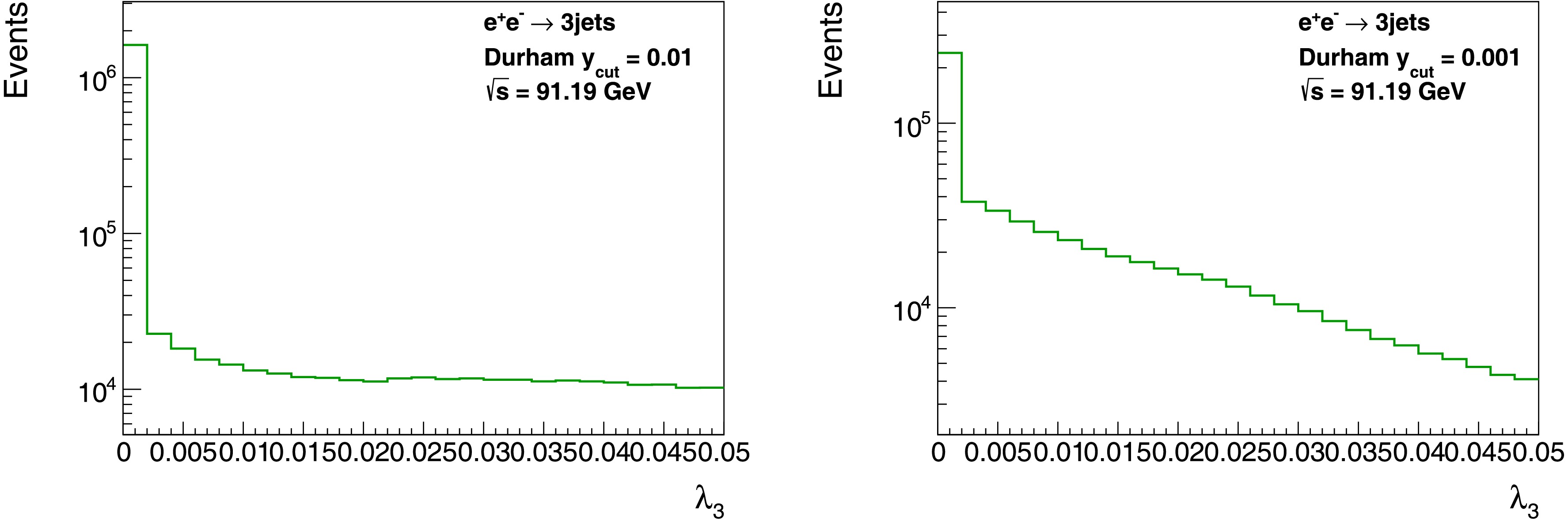
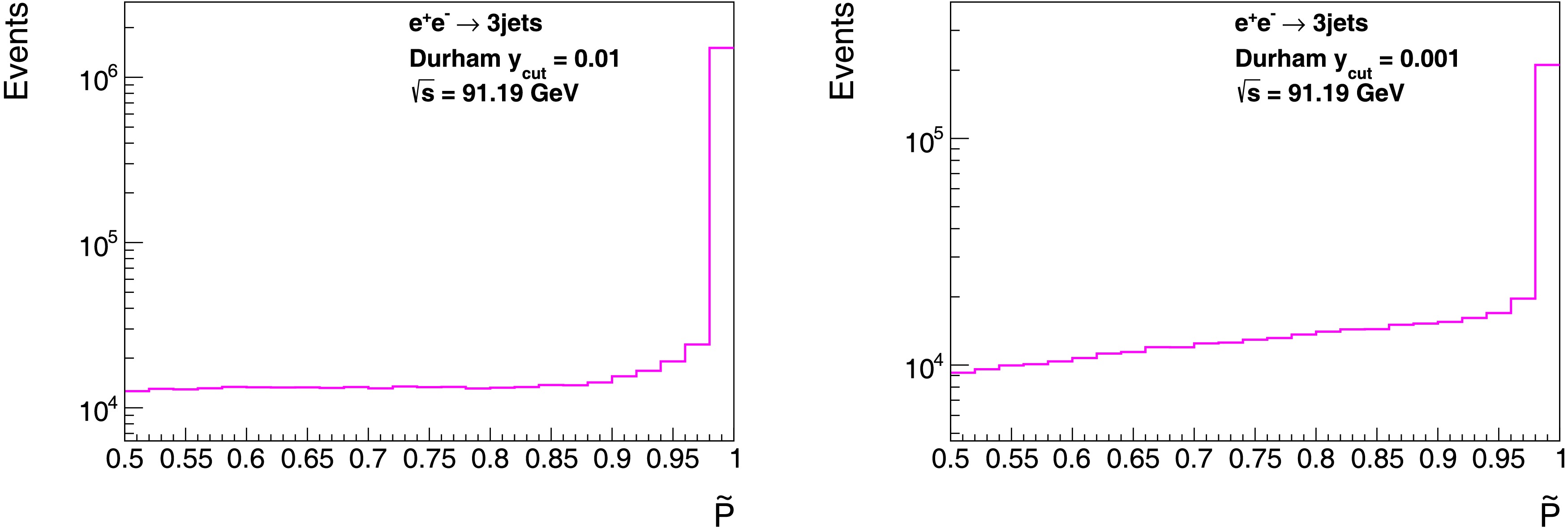
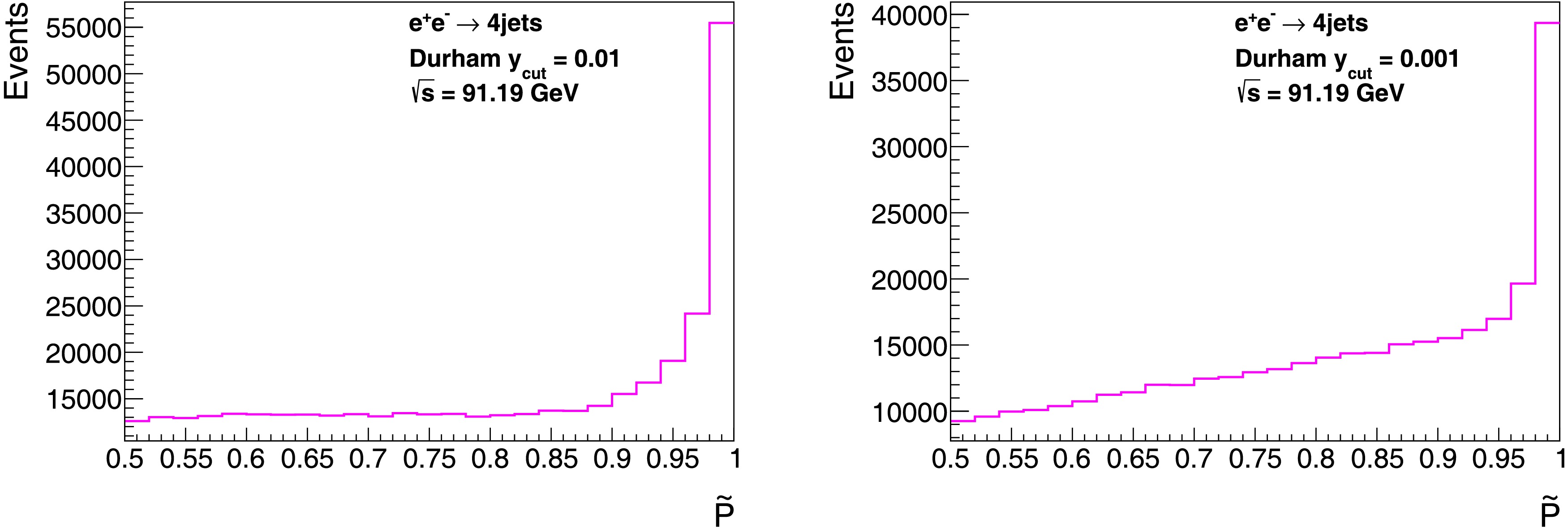
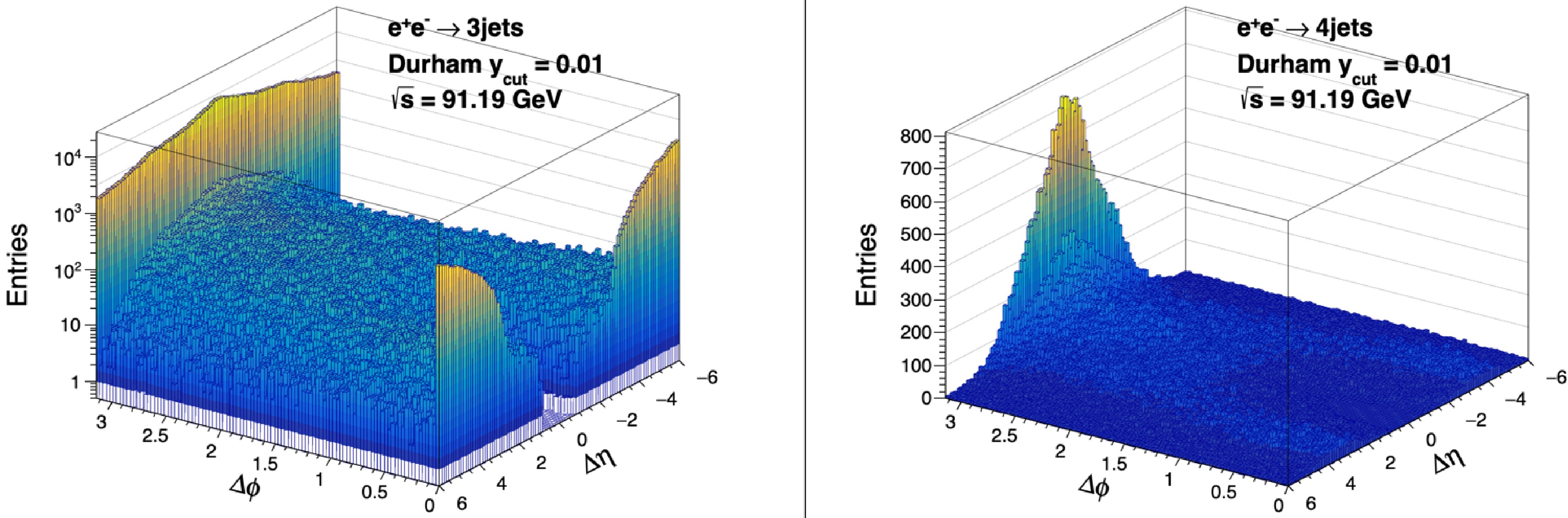
The\begin{document}$ e^+e^- $\end{document} \begin{document}$ {\cal{O}} $\end{document} \begin{document}$ \alpha_{s}^{3} $\end{document}
The
2026, 50(4): 043109. doi: 10.1088/1674-1137/acda85
Abstract:
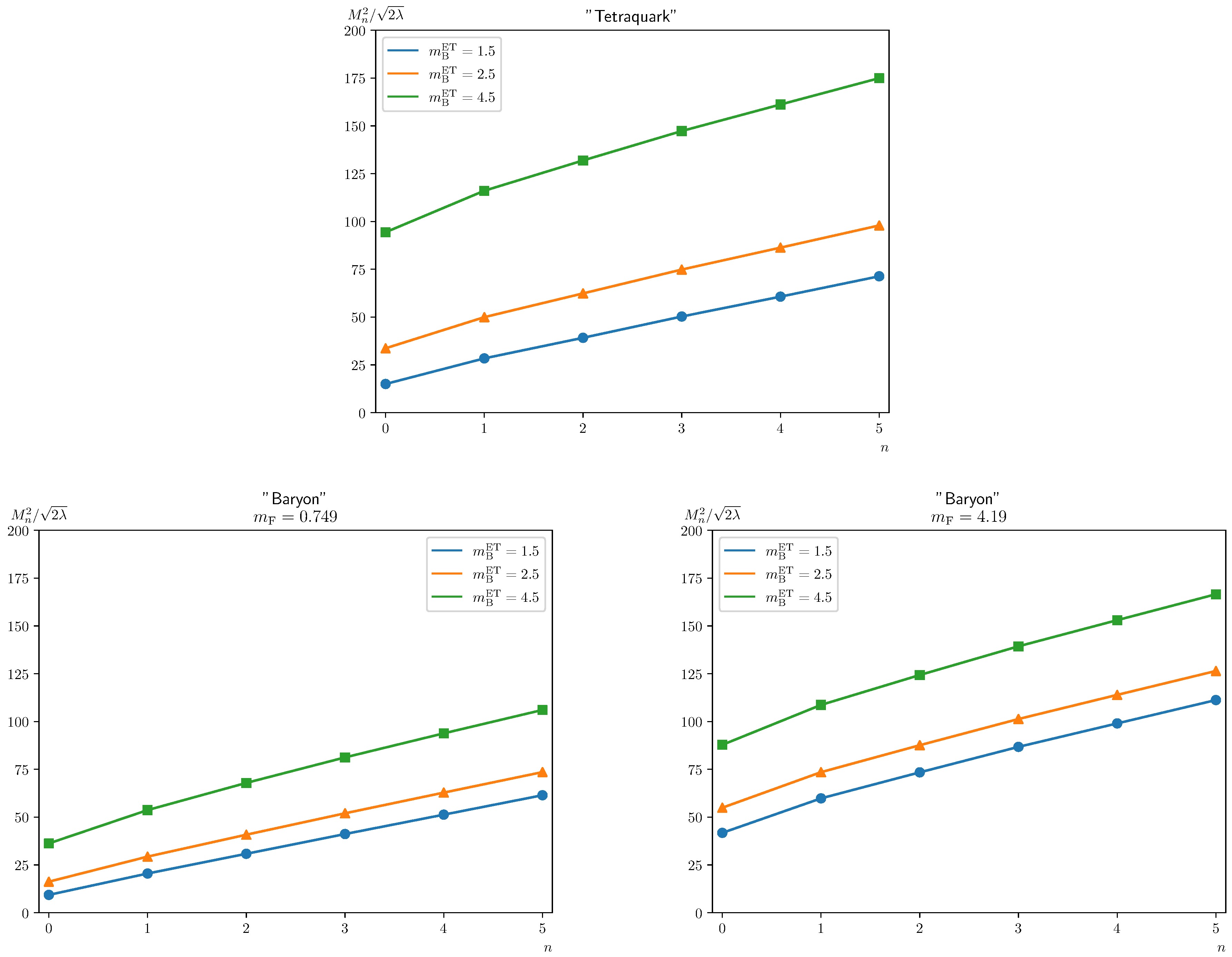
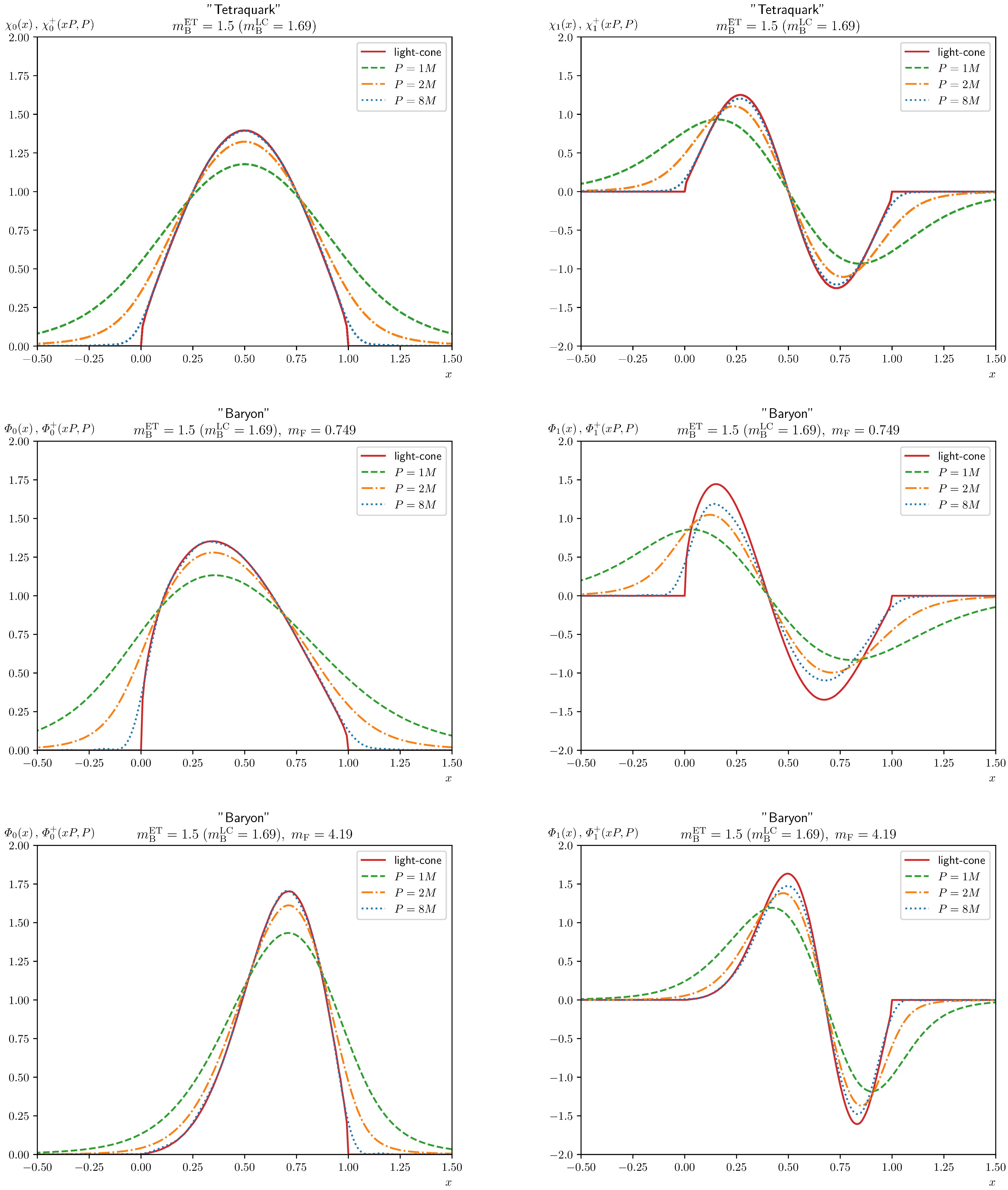
We investigate the bound-state equations (BSEs) in two-dimensional QCD in the\begin{document}$ N_{\rm{c}}\to \infty$\end{document}
We investigate the bound-state equations (BSEs) in two-dimensional QCD in the
2026, 50(4): 044001. doi: 10.1088/1674-1137/ae3601
Abstract:
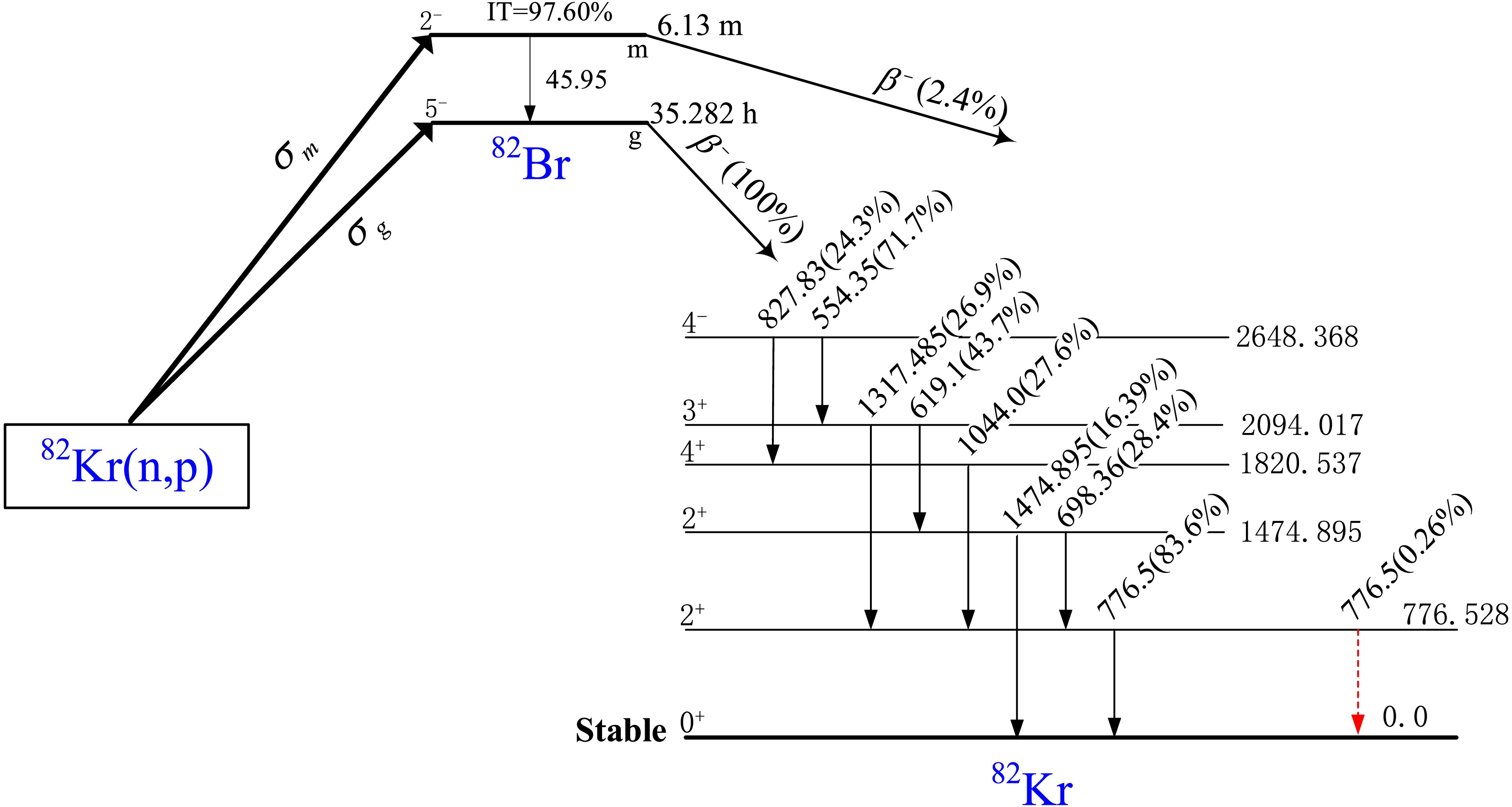
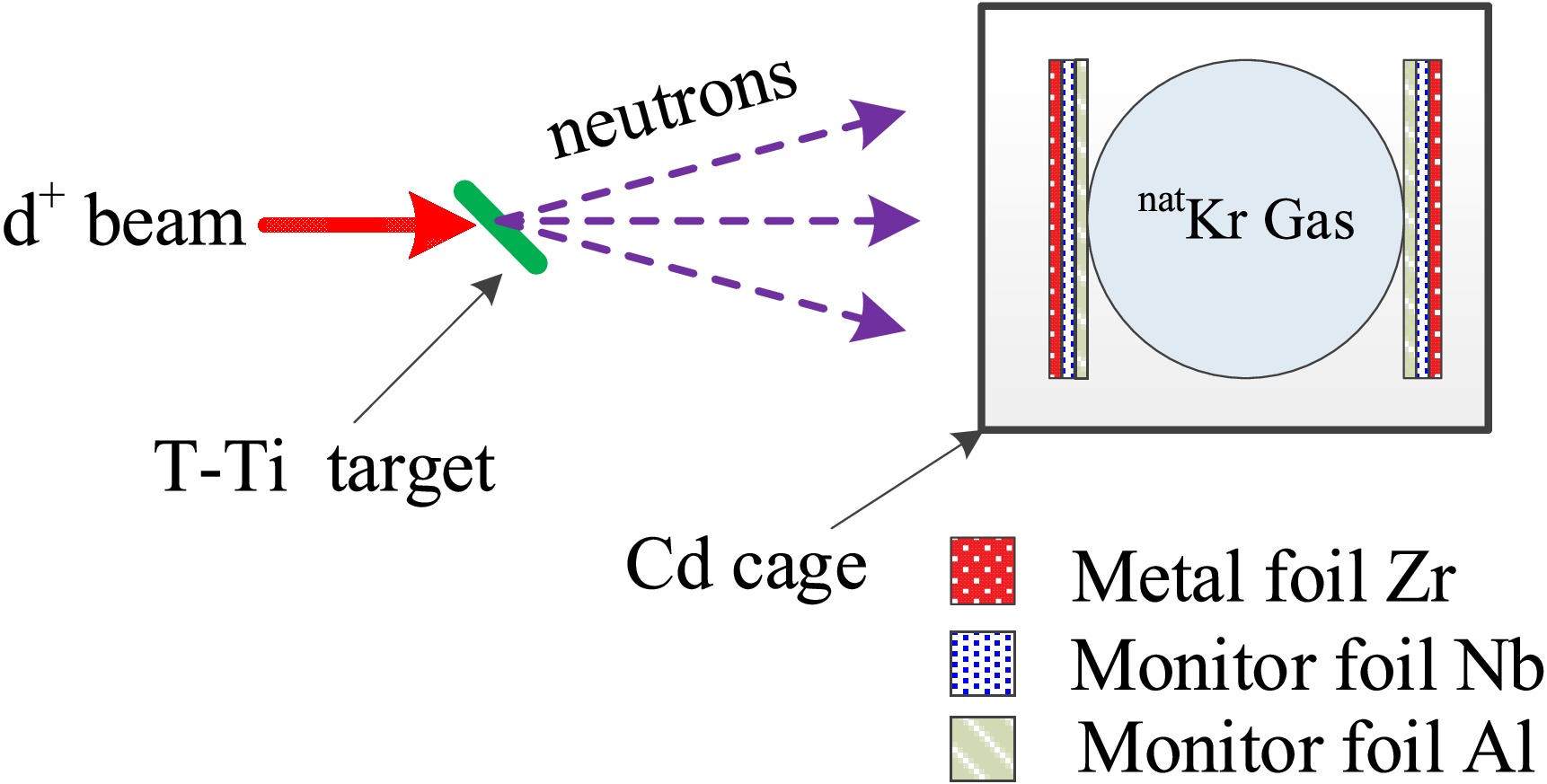
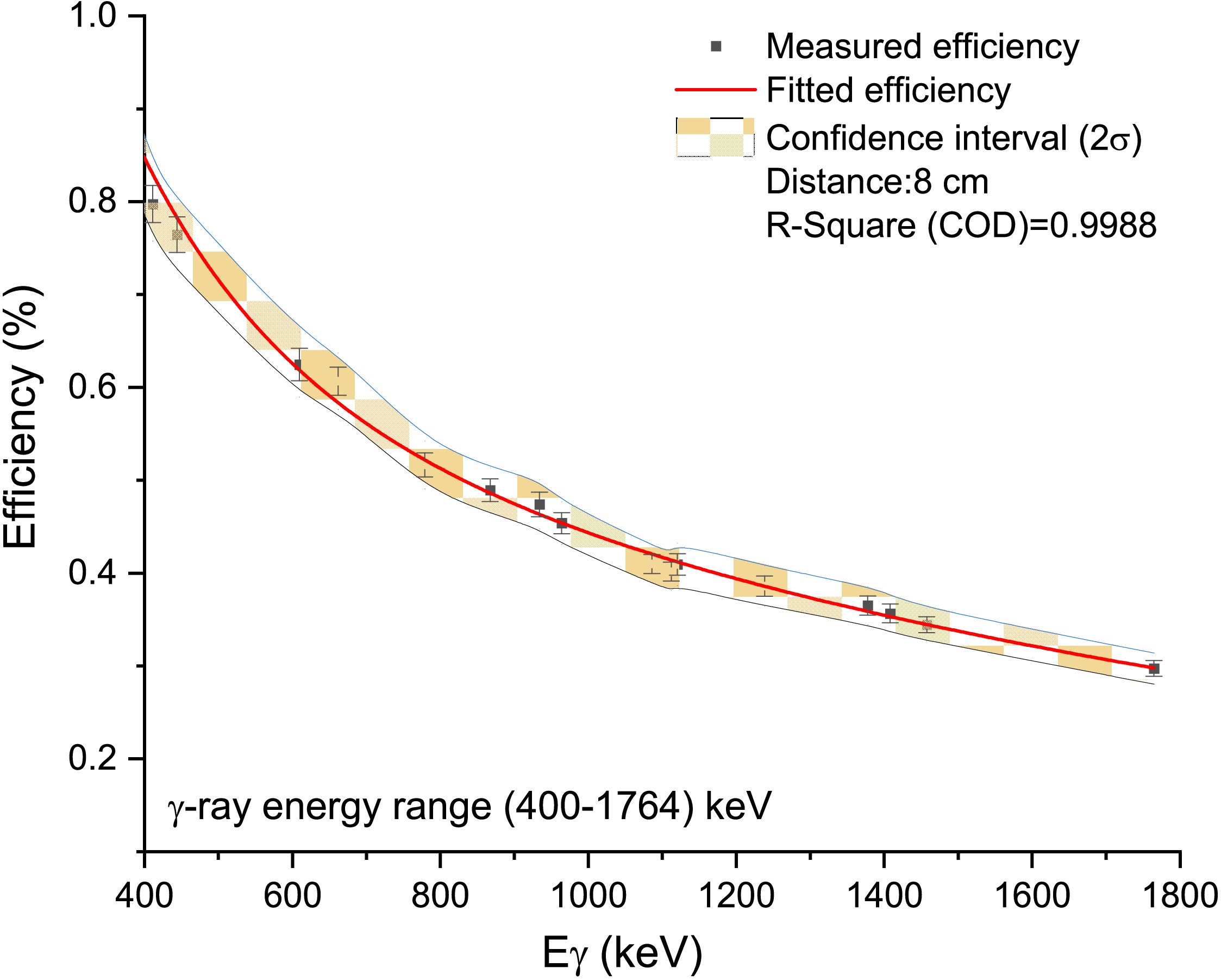
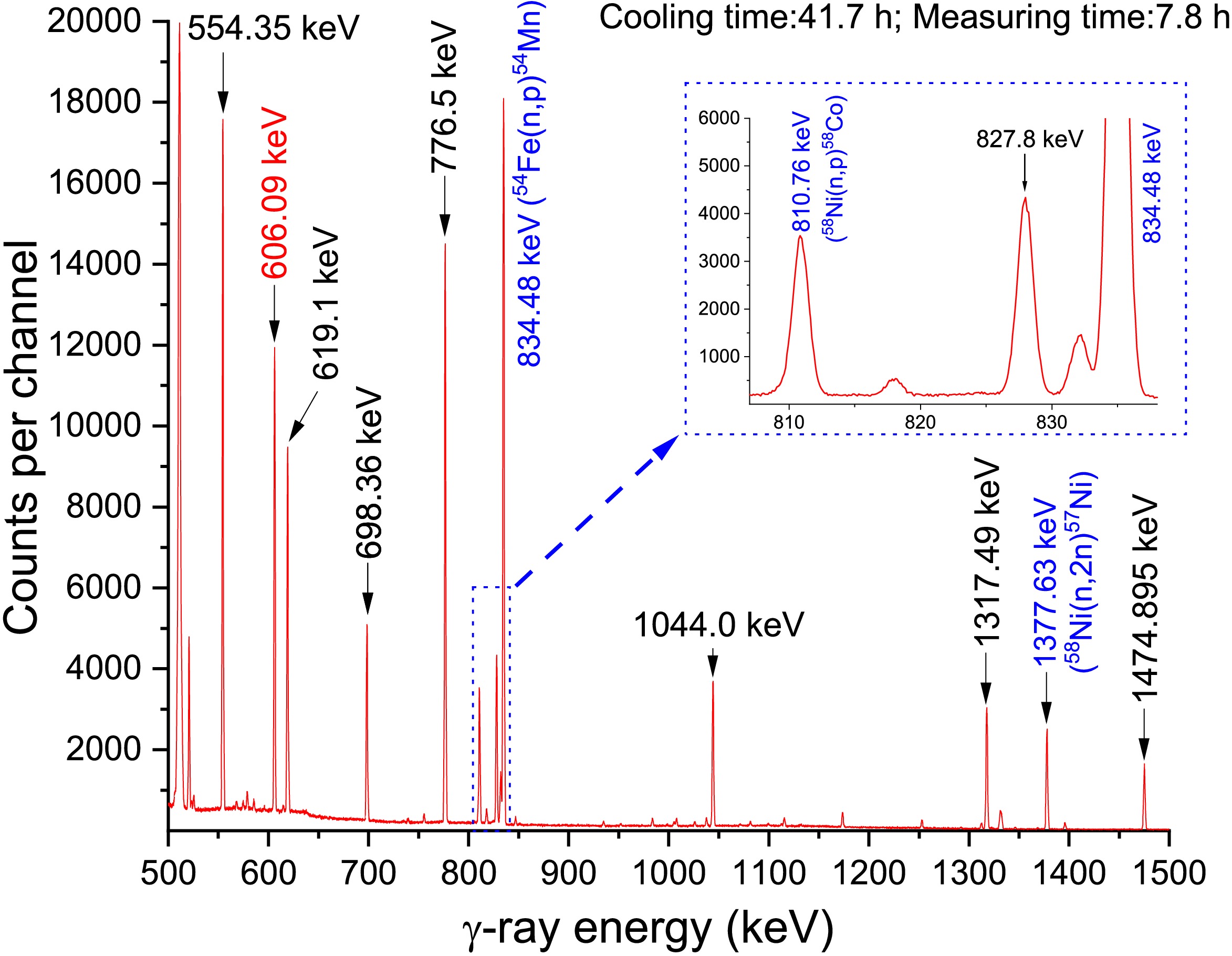
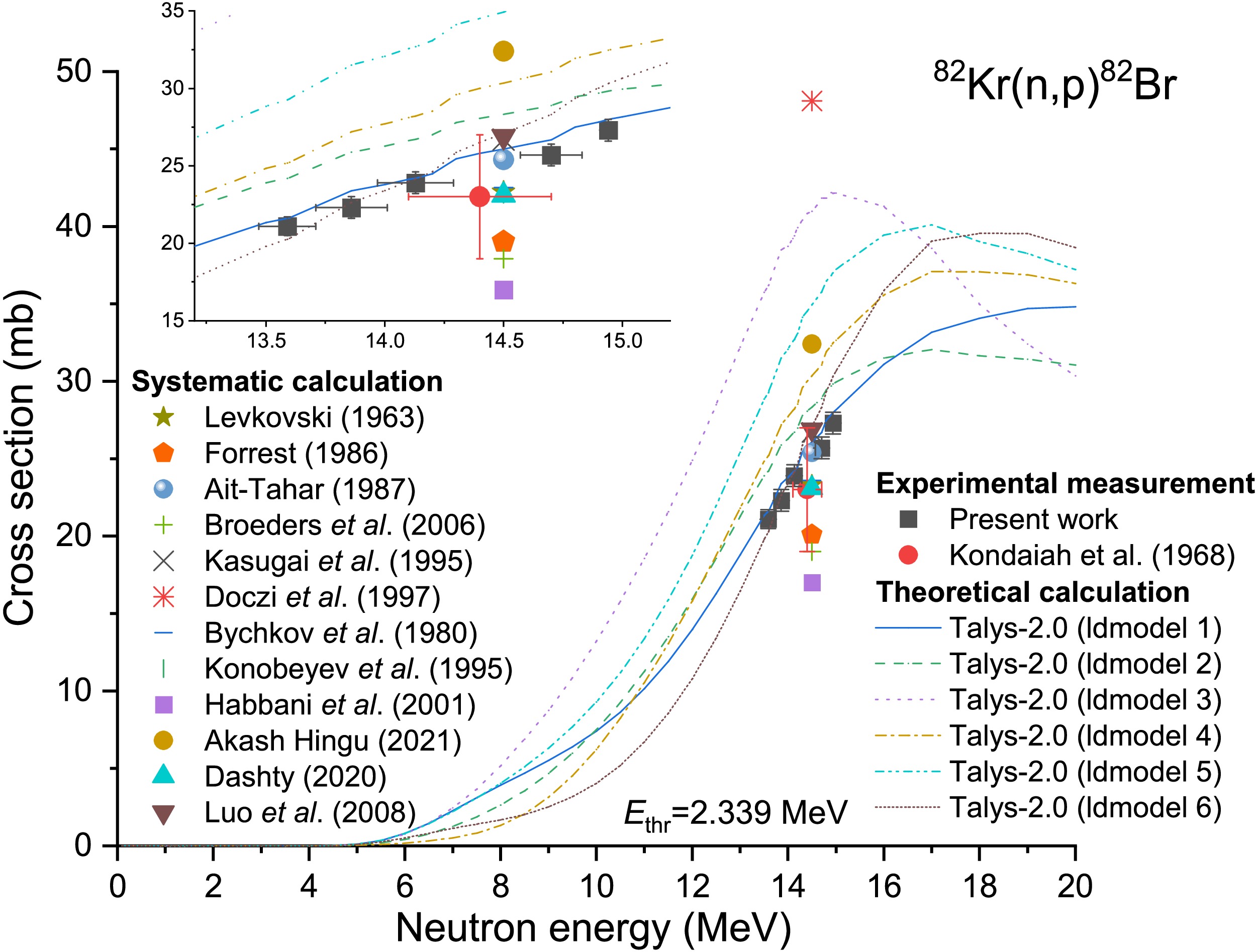
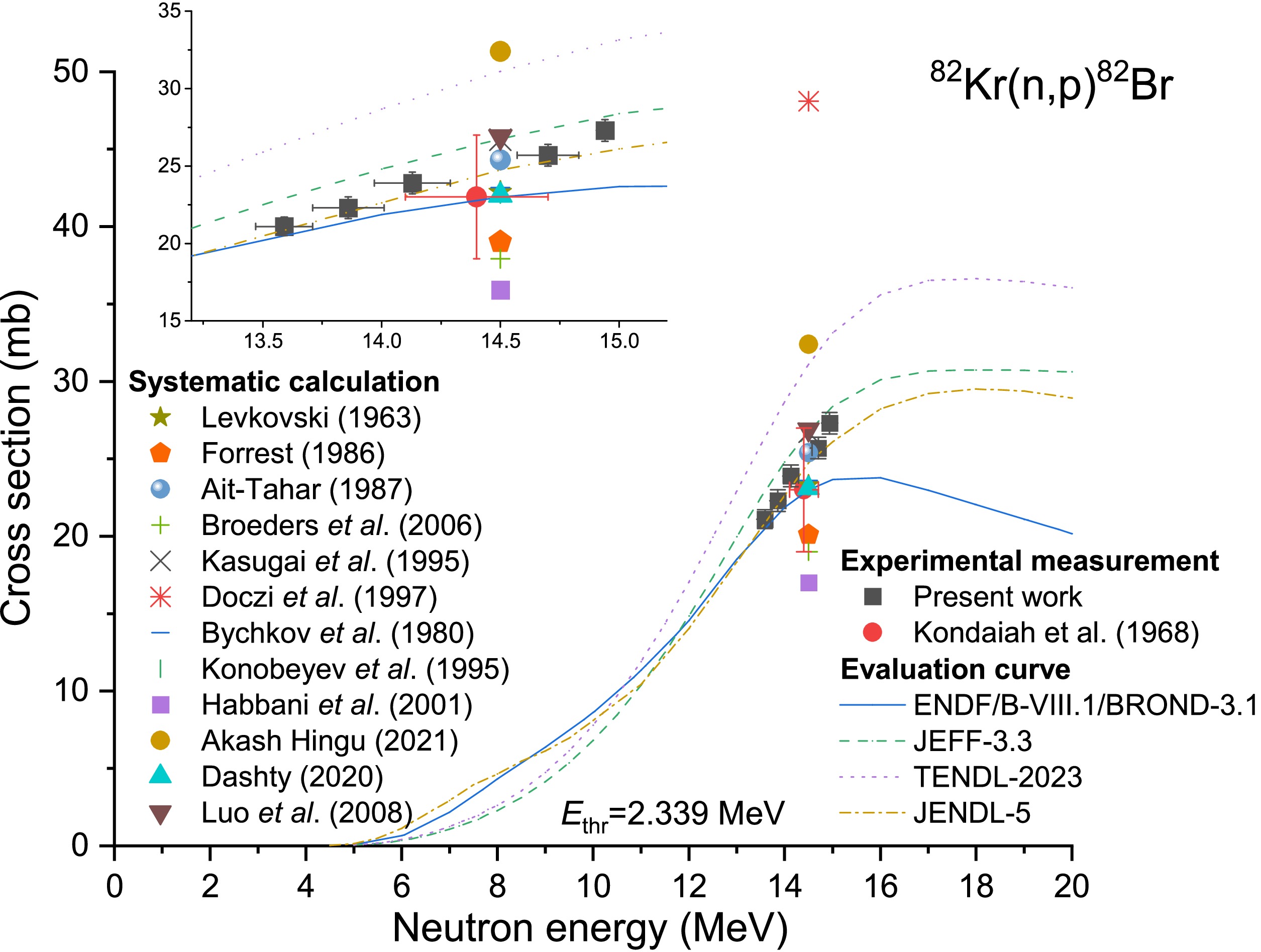
The cross section of the 82Kr(n, p)82Br reaction induced by d-T neutrons was measured using the activation method. Incident neutrons are generated through the 3H(d, n)4He reaction. High-purity natural krypton gas held at high pressure was used as the target sample. The neutron energy and its uncertainty were determined based on the Q-value equation of the 3H(d, n)4He reaction and the experimental conditions. The neutron fluence incident on the sample is monitored by the 27Al(n, α)24Na reaction. The eight characteristic gamma rays of the 82Br daughter nucleus were selected to determine its activity by off-line gamma spectrometry using an HPGe detector. The 82Kr(n, p)82Br reaction cross sections with lower uncertainties were finally determined at five neutron energies by the weighted method. The measured cross sections were compared with previous experimental studies, theoretical values from Talys-2.0, calculation results from the systematics (empirical and semi-empirical) formulas, and evaluation results. The present high-precision cross sections for the 82Kr(n, p)82Br reaction over a wide energy range not only help to validate and evaluate nuclear reaction models, but also substantially enrich the neutron-induced nuclear reaction cross sections database.
The cross section of the 82Kr(n, p)82Br reaction induced by d-T neutrons was measured using the activation method. Incident neutrons are generated through the 3H(d, n)4He reaction. High-purity natural krypton gas held at high pressure was used as the target sample. The neutron energy and its uncertainty were determined based on the Q-value equation of the 3H(d, n)4He reaction and the experimental conditions. The neutron fluence incident on the sample is monitored by the 27Al(n, α)24Na reaction. The eight characteristic gamma rays of the 82Br daughter nucleus were selected to determine its activity by off-line gamma spectrometry using an HPGe detector. The 82Kr(n, p)82Br reaction cross sections with lower uncertainties were finally determined at five neutron energies by the weighted method. The measured cross sections were compared with previous experimental studies, theoretical values from Talys-2.0, calculation results from the systematics (empirical and semi-empirical) formulas, and evaluation results. The present high-precision cross sections for the 82Kr(n, p)82Br reaction over a wide energy range not only help to validate and evaluate nuclear reaction models, but also substantially enrich the neutron-induced nuclear reaction cross sections database.
2026, 50(4): 044002. doi: 10.1088/1674-1137/ae2f57
Abstract:
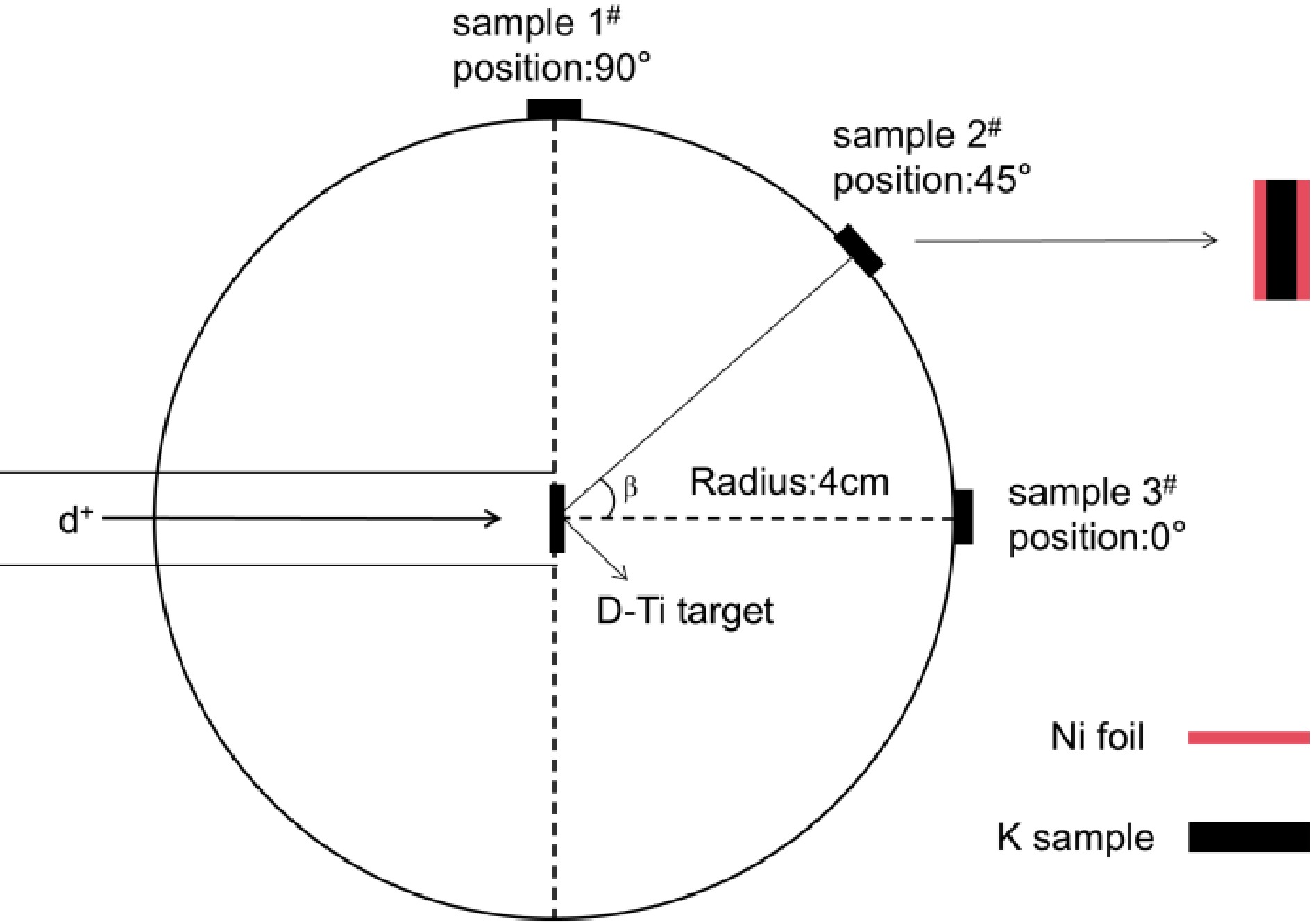
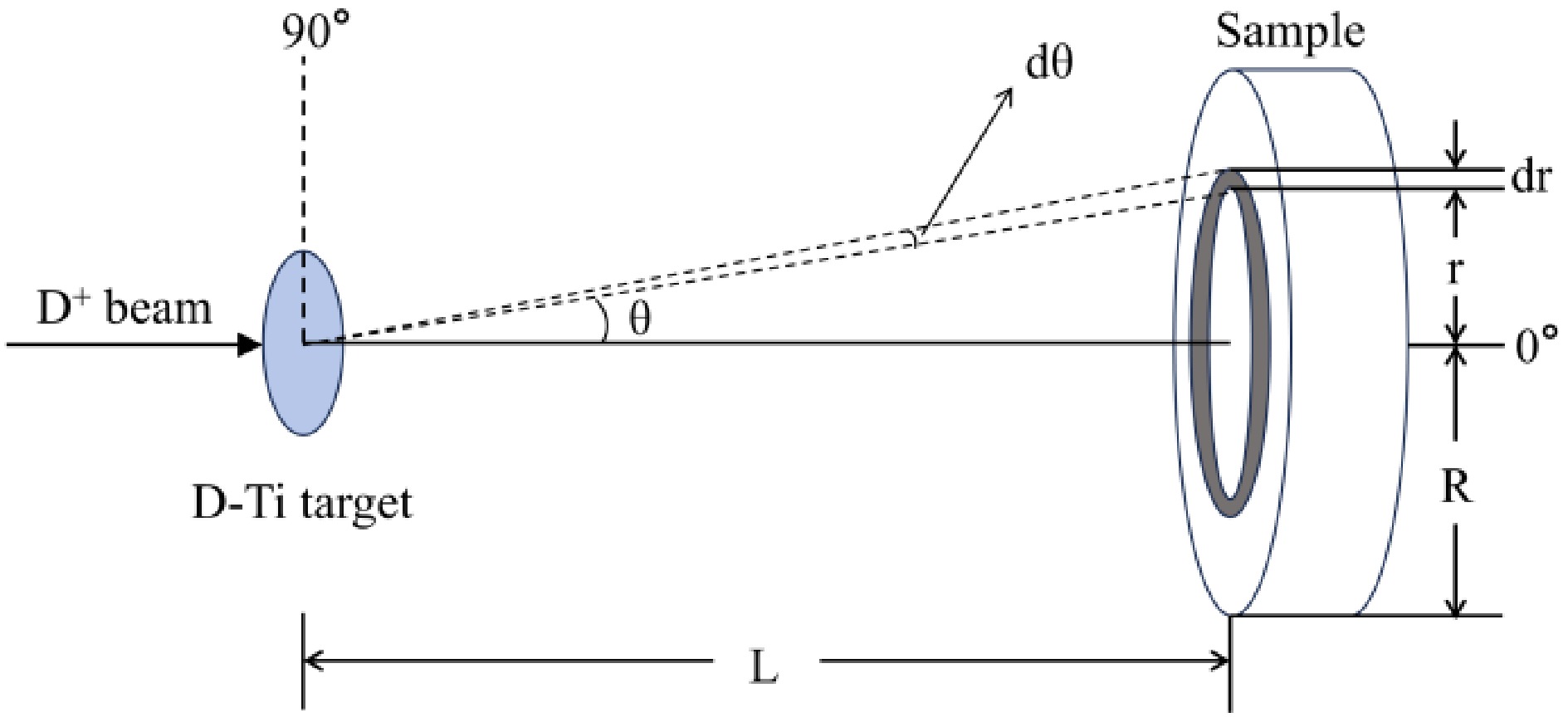
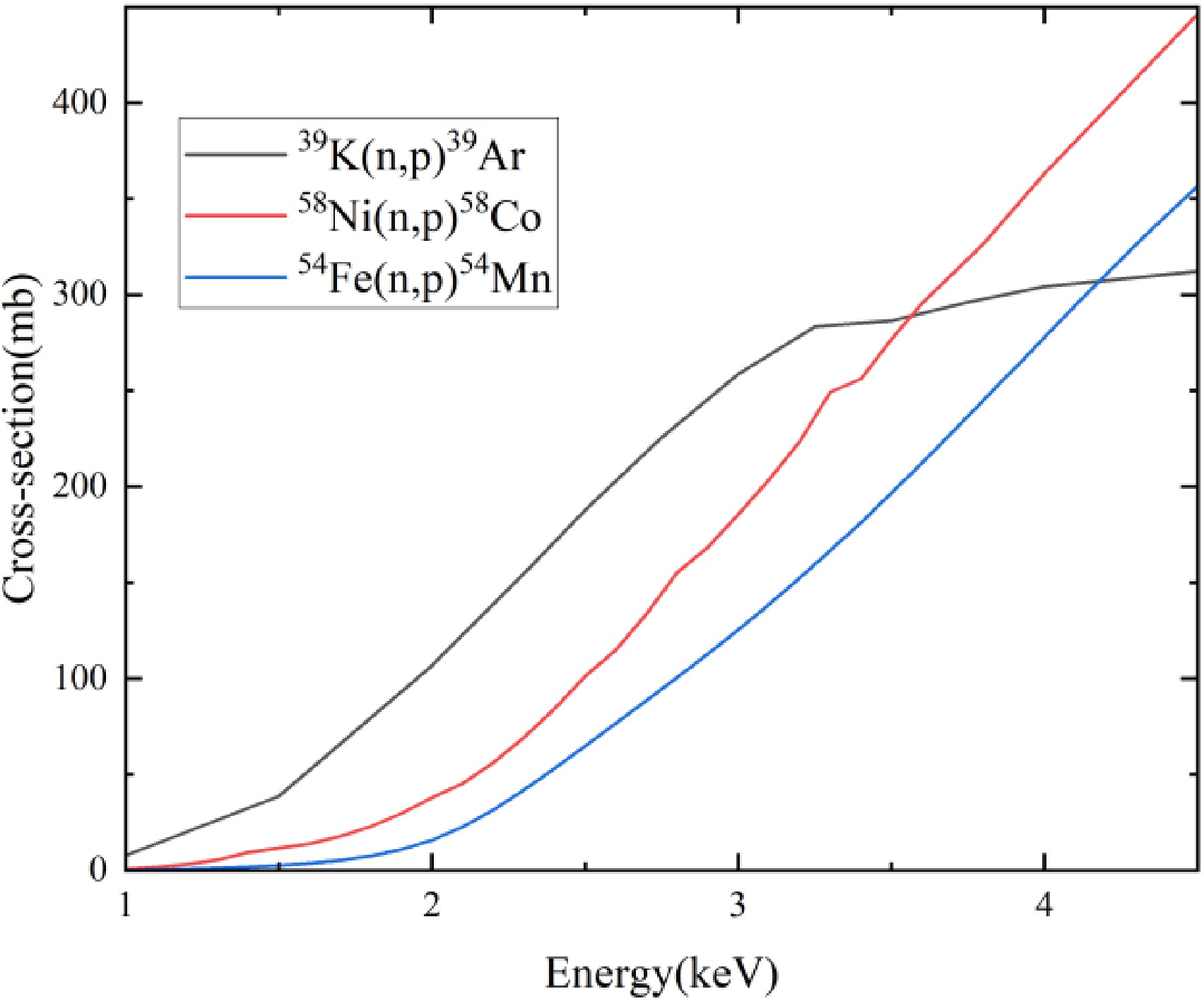
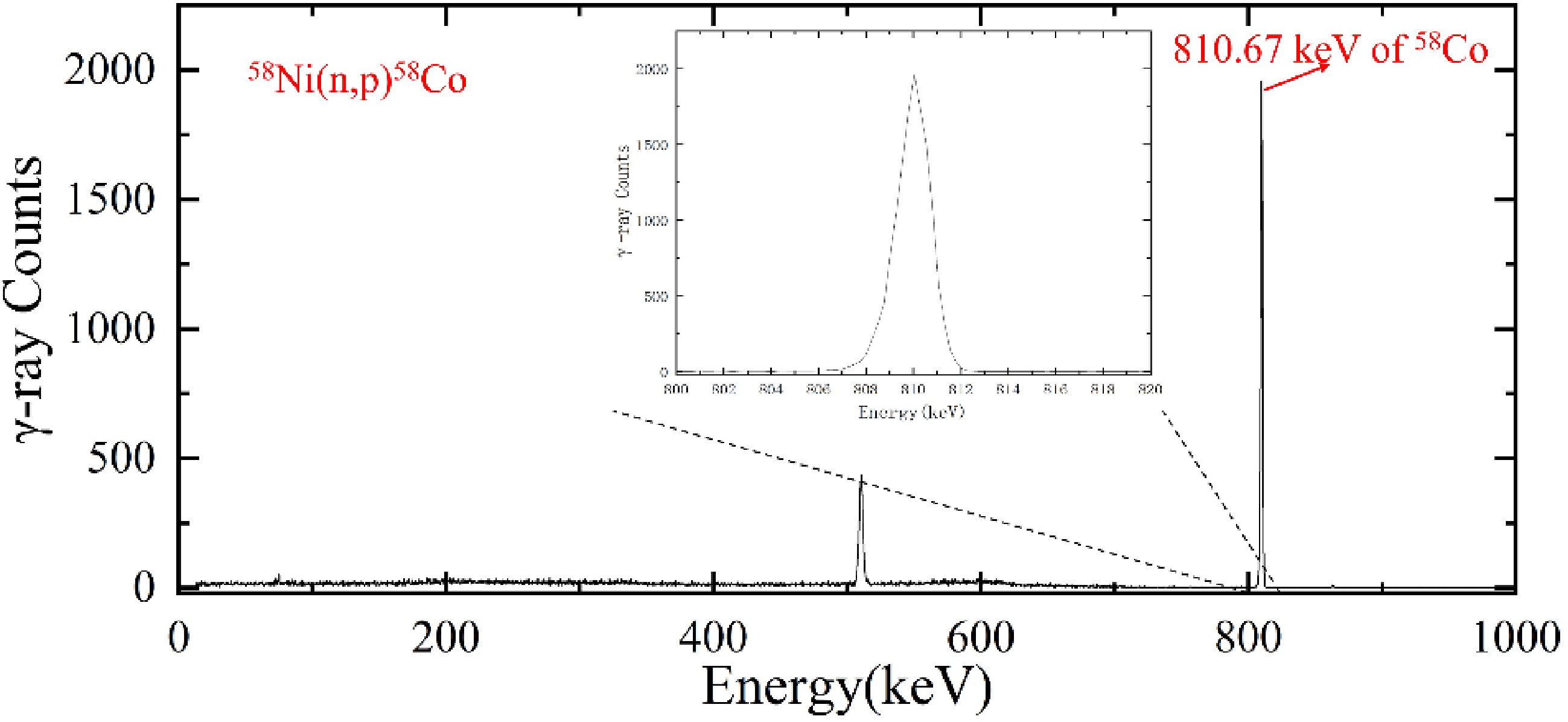
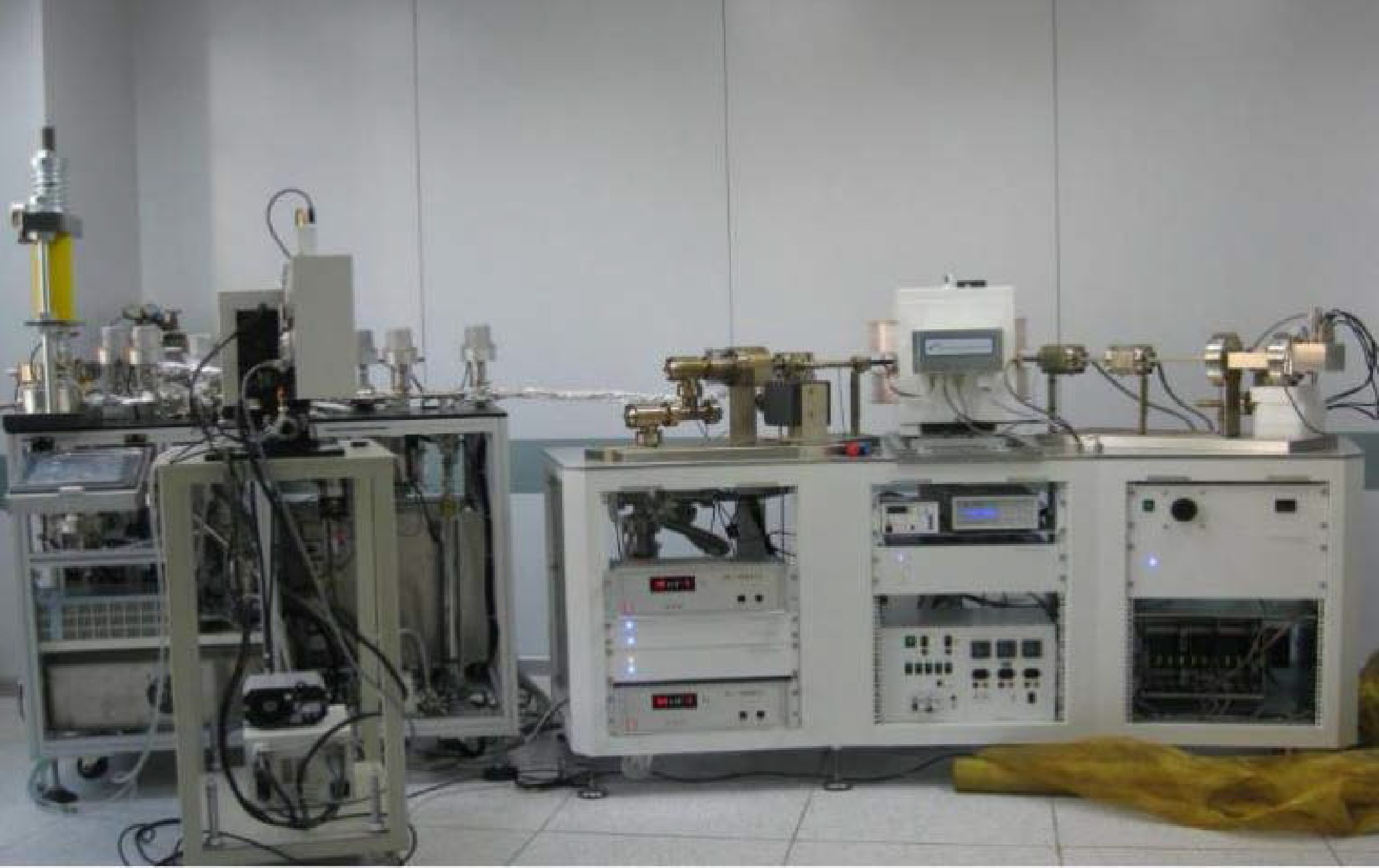
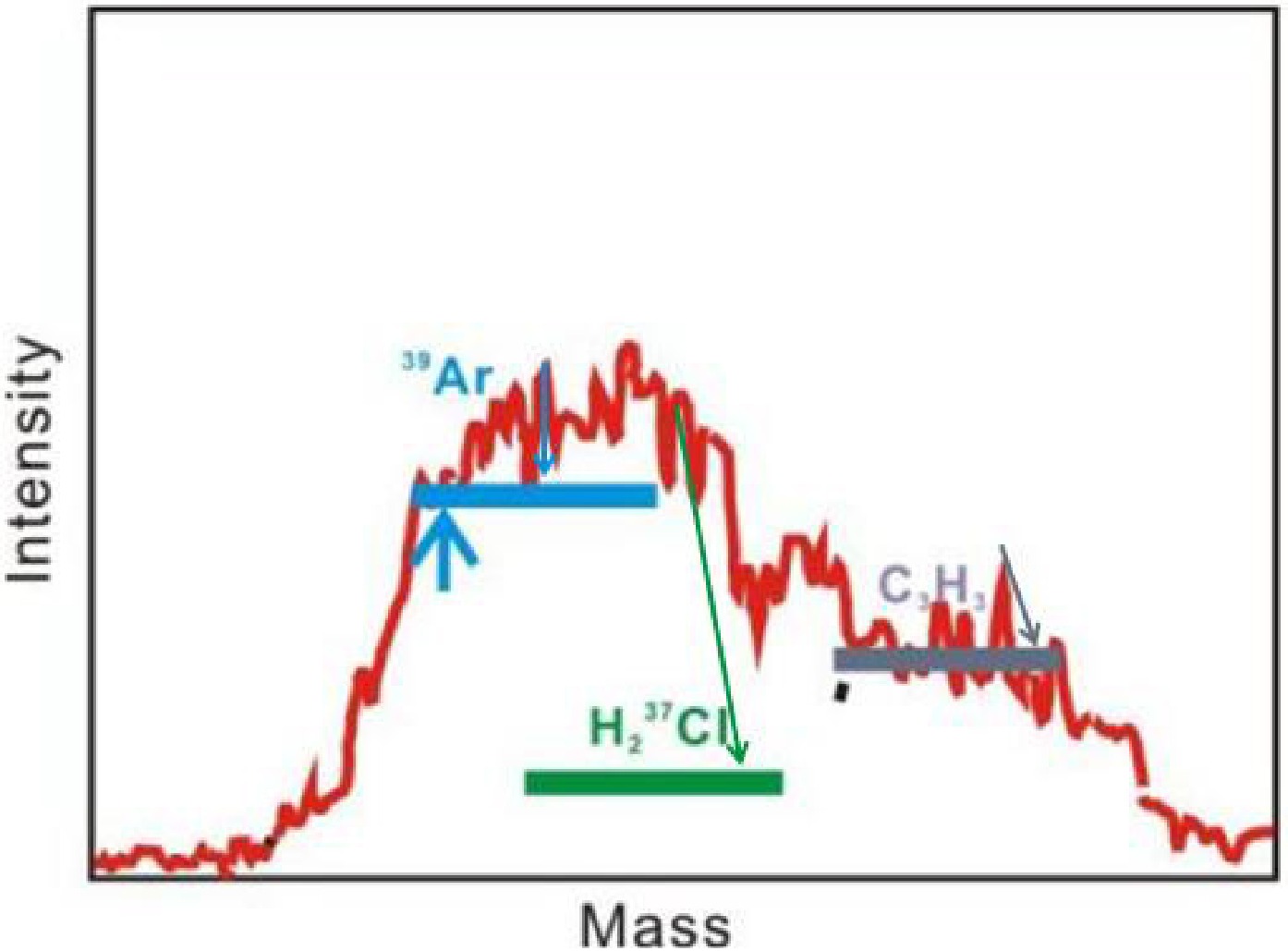
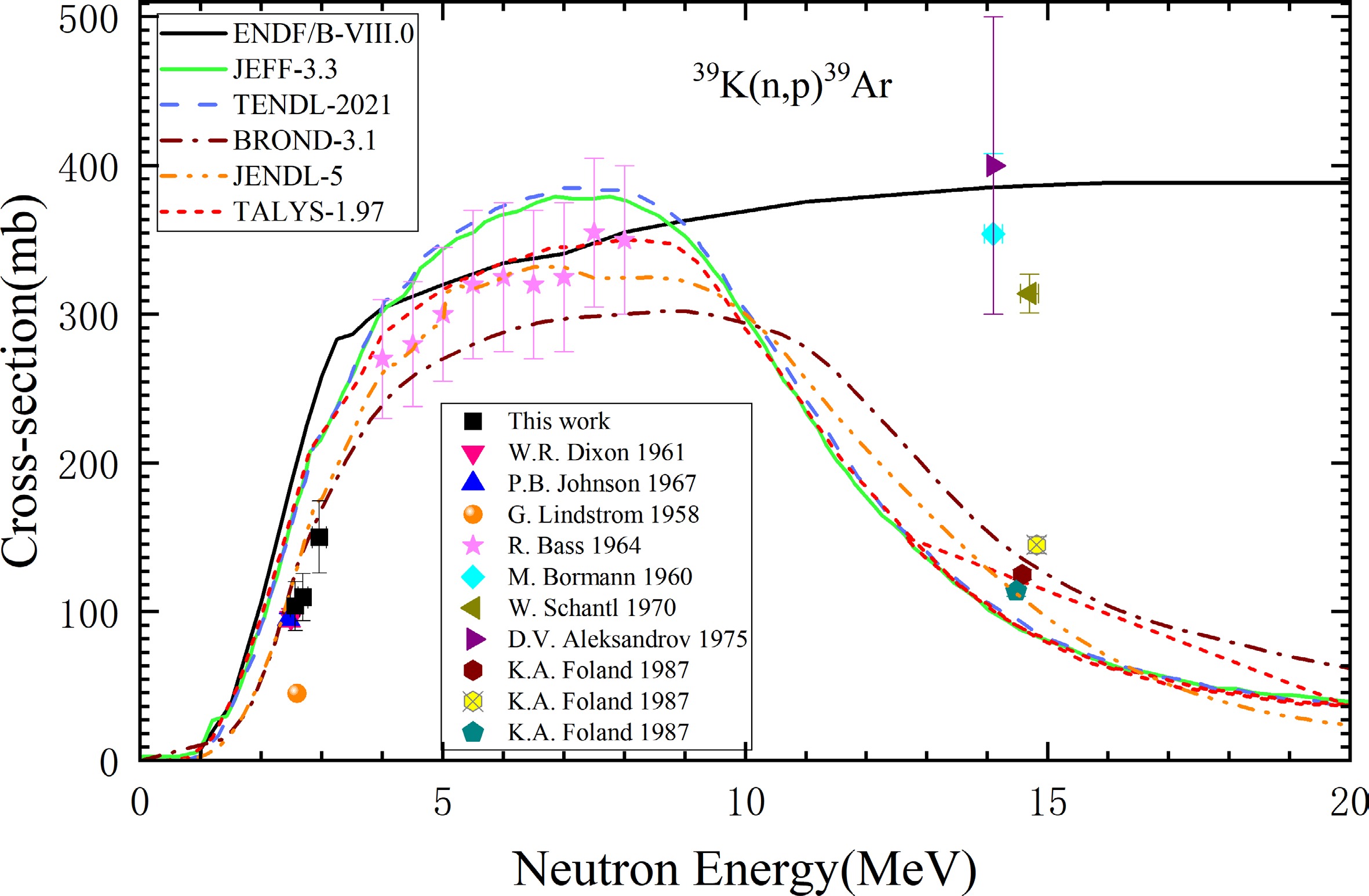
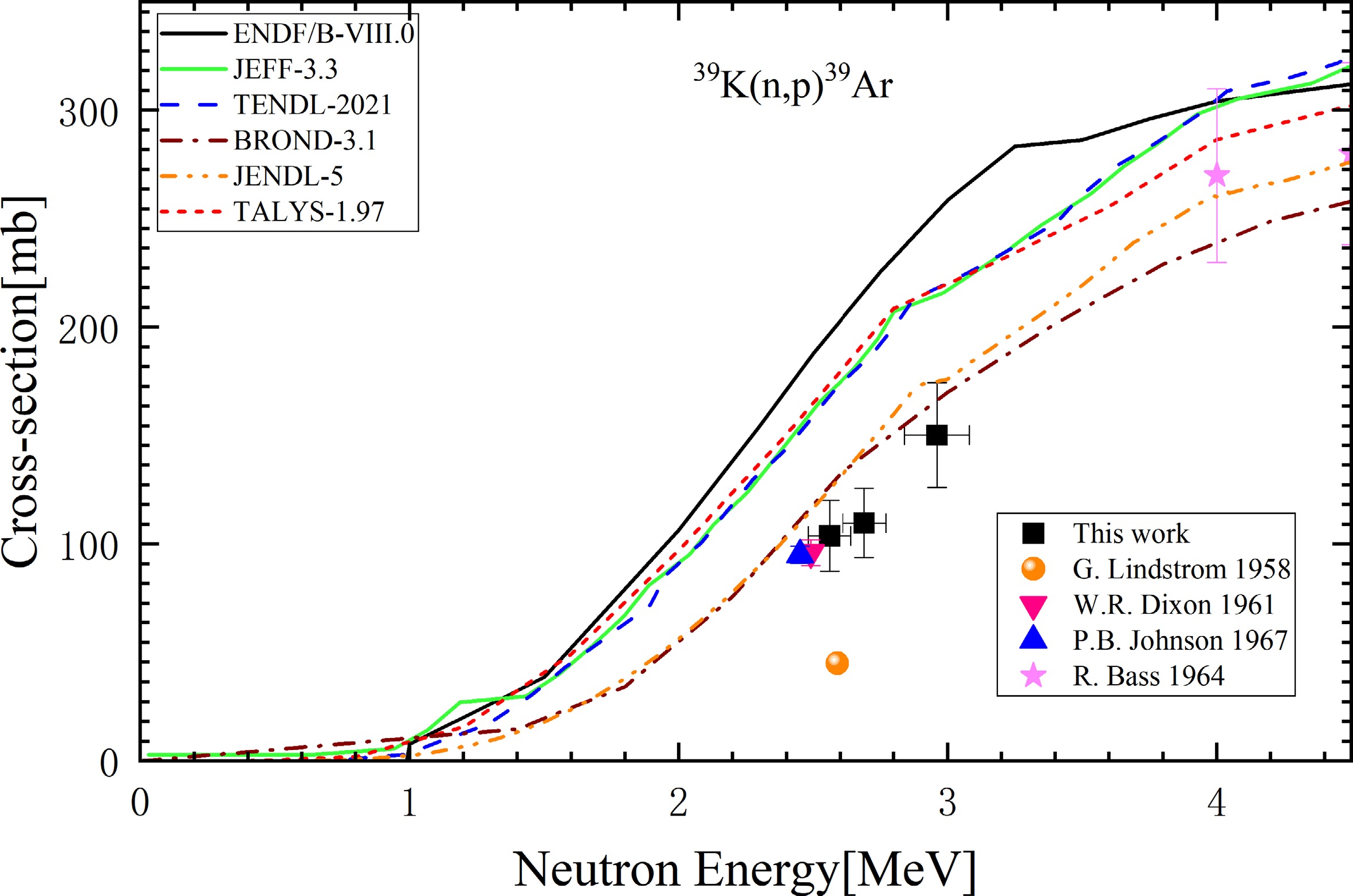
The cross-sections of 39K(n, p)39Ar at an energy of 2–3 MeV play an important role in nuclear structure research and 40Ar/39Ar geochronology application. Due to the limitations of n-3He coincidence technology and counting instruments, the data in literature are from before 1967, and existing data are scarce and significantly diverge. Meanwhile, there are large discrepancies between the measured and evaluation results. By taking advantage of the high sensitivity and resolution of the noble gas mass spectrometer at the Institute of Geology and Geophysics, Chinese Academy of Sciences (IGGCAS), the cross-sections of 39K(n, p)39Ar were measured by combining neutron activity analysis and noble gas mass spectrometry, and the uncertainties are discussed in detail. The cross-sections of 39K(n, p)39Ar were measured as 103.84 ± 16.33, 109.76 ± 15.88, and 150.27 ± 24.19 mb at 2.56 ± 0.08, 2.69 ± 0.08, and 2.96 ± 0.12 MeV energies, respectively. The measured data filled the data gaps and provided more accurate data support for 40Ar/39Ar dating. Furthermore, the theoretical excitation function of 39K(n, p)39Ar was calculated using TALYS-1.97 computer codes. Then, the experimentally determined cross-sections were analyzed by comparing them with the data from the EXFOR database and evaluated nuclear data in ENDF/B-VIII.0, JEFF-3.2, TENDL-2021, BROND-3.1, and JENDL-5 databases. According to the comparative results, the measured cross-sections of 39K(n, p)39Ar exhibit a rapid energy-dependent increase between 2–3 MeV, aligning with higher literature values and resolving previous discrepancies. Compared with the previously reported data, the precision of the determined cross-sections in this study showed considerable improvement. The comparison of measured data indicates that the combined detection method of neutron activity analysis and noble gas mass spectrometry techniques is suitable for measuring the cross-sections of nuclear reactions with long-lived product nuclei and the application of 40Ar/39Ar geochronology with a D-D neutron source.
The cross-sections of 39K(n, p)39Ar at an energy of 2–3 MeV play an important role in nuclear structure research and 40Ar/39Ar geochronology application. Due to the limitations of n-3He coincidence technology and counting instruments, the data in literature are from before 1967, and existing data are scarce and significantly diverge. Meanwhile, there are large discrepancies between the measured and evaluation results. By taking advantage of the high sensitivity and resolution of the noble gas mass spectrometer at the Institute of Geology and Geophysics, Chinese Academy of Sciences (IGGCAS), the cross-sections of 39K(n, p)39Ar were measured by combining neutron activity analysis and noble gas mass spectrometry, and the uncertainties are discussed in detail. The cross-sections of 39K(n, p)39Ar were measured as 103.84 ± 16.33, 109.76 ± 15.88, and 150.27 ± 24.19 mb at 2.56 ± 0.08, 2.69 ± 0.08, and 2.96 ± 0.12 MeV energies, respectively. The measured data filled the data gaps and provided more accurate data support for 40Ar/39Ar dating. Furthermore, the theoretical excitation function of 39K(n, p)39Ar was calculated using TALYS-1.97 computer codes. Then, the experimentally determined cross-sections were analyzed by comparing them with the data from the EXFOR database and evaluated nuclear data in ENDF/B-VIII.0, JEFF-3.2, TENDL-2021, BROND-3.1, and JENDL-5 databases. According to the comparative results, the measured cross-sections of 39K(n, p)39Ar exhibit a rapid energy-dependent increase between 2–3 MeV, aligning with higher literature values and resolving previous discrepancies. Compared with the previously reported data, the precision of the determined cross-sections in this study showed considerable improvement. The comparison of measured data indicates that the combined detection method of neutron activity analysis and noble gas mass spectrometry techniques is suitable for measuring the cross-sections of nuclear reactions with long-lived product nuclei and the application of 40Ar/39Ar geochronology with a D-D neutron source.
Production of medical radioisotopes 51Cr, 62,64Cu, and 99mTc by laser-induced photonuclear reactions

2026, 50(4): 044003. doi: 10.1088/1674-1137/ae32fa
Abstract:
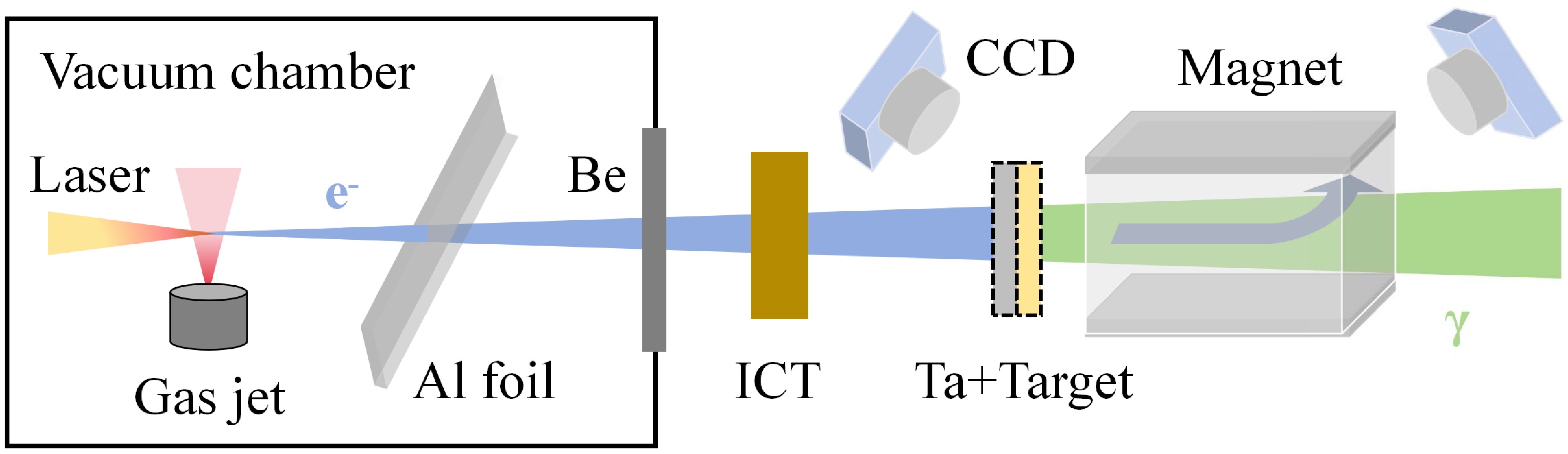
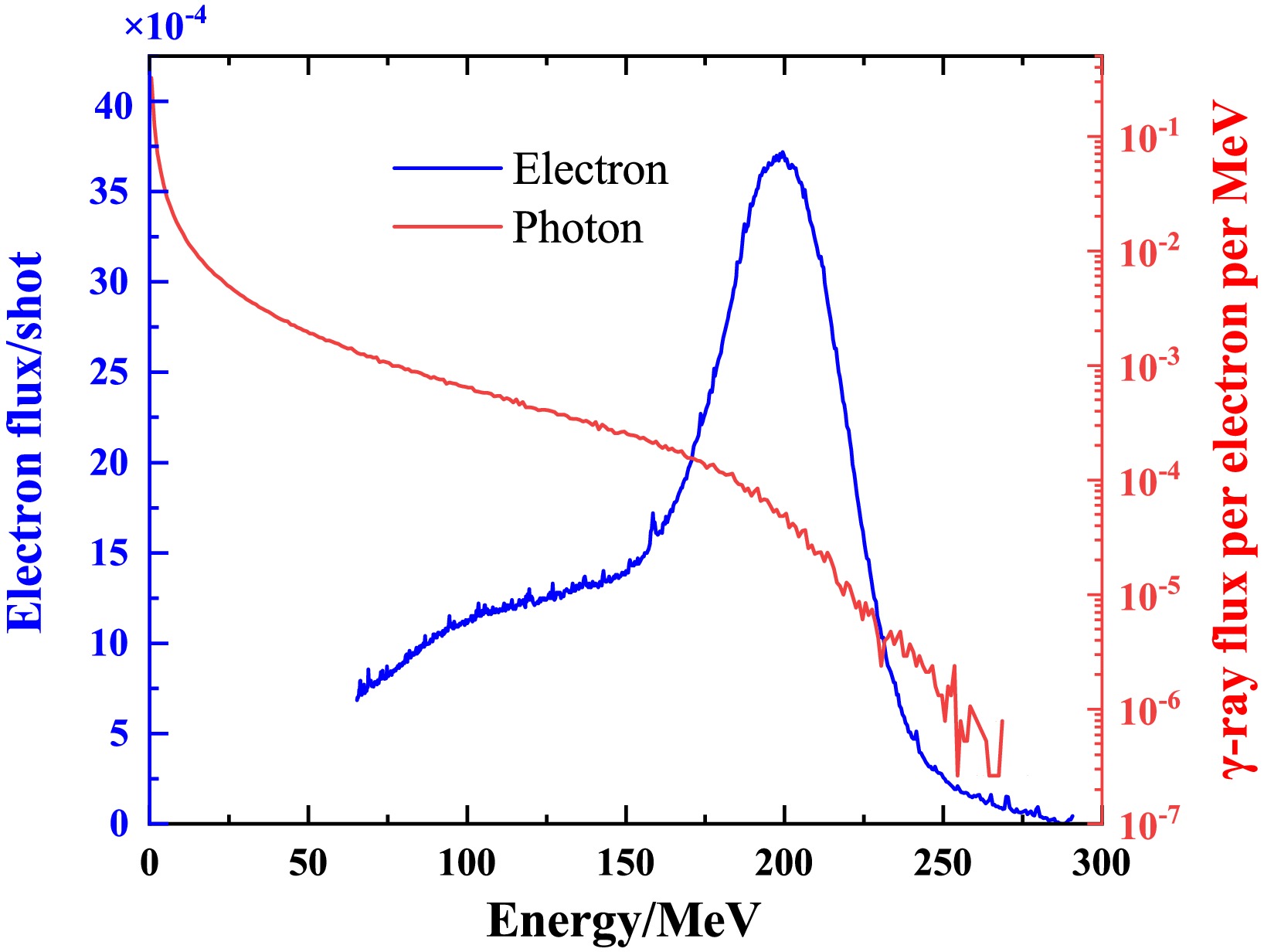
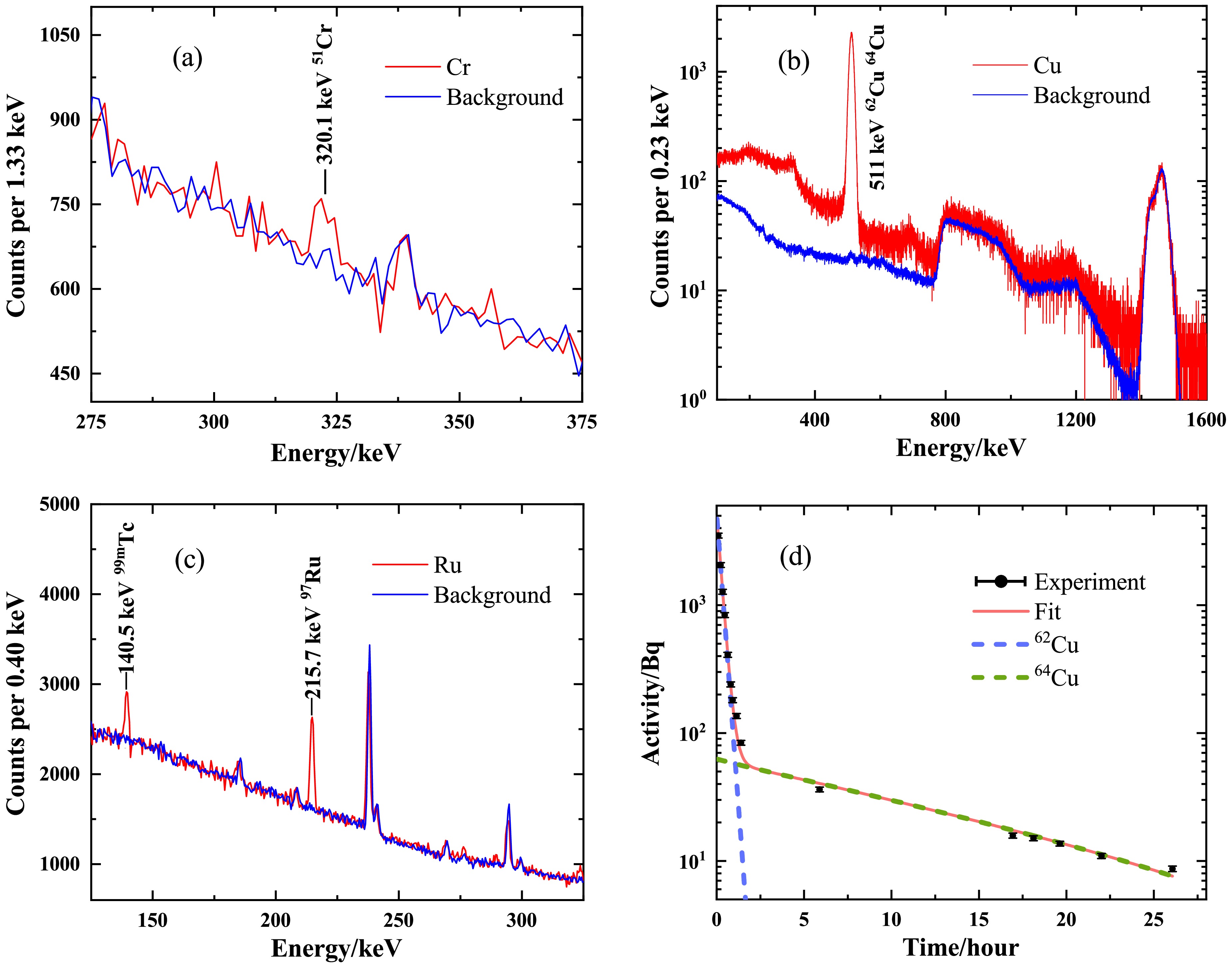
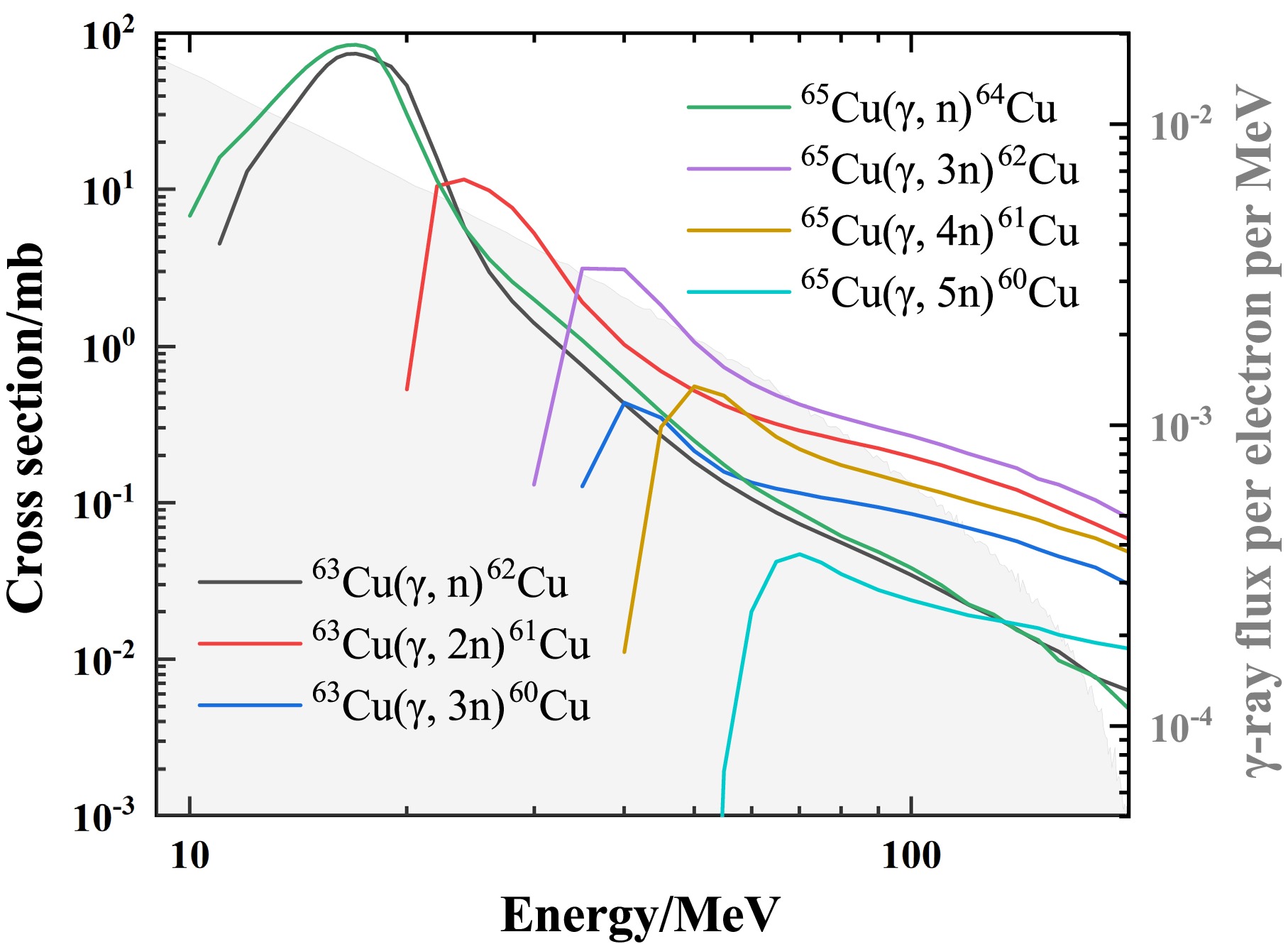
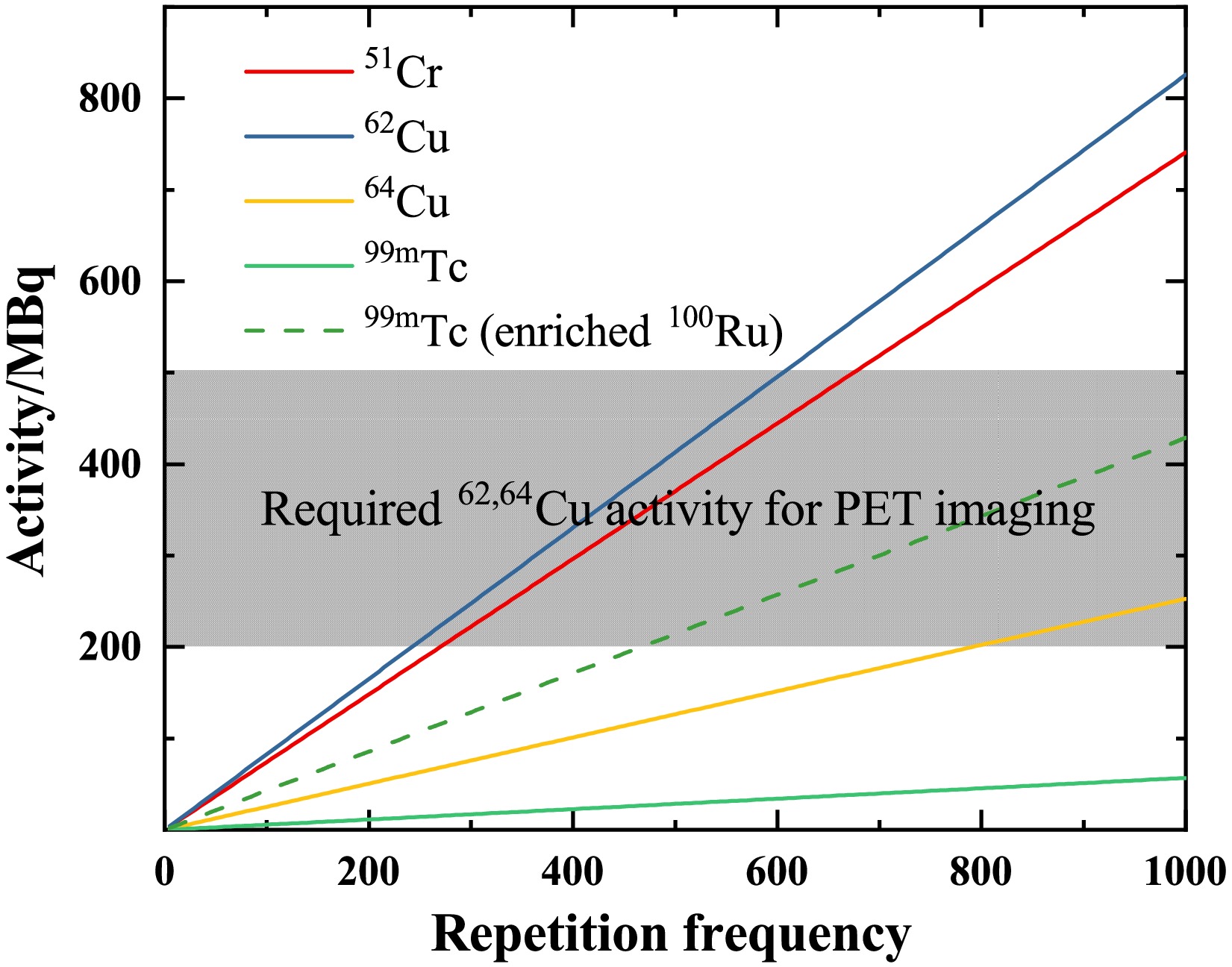
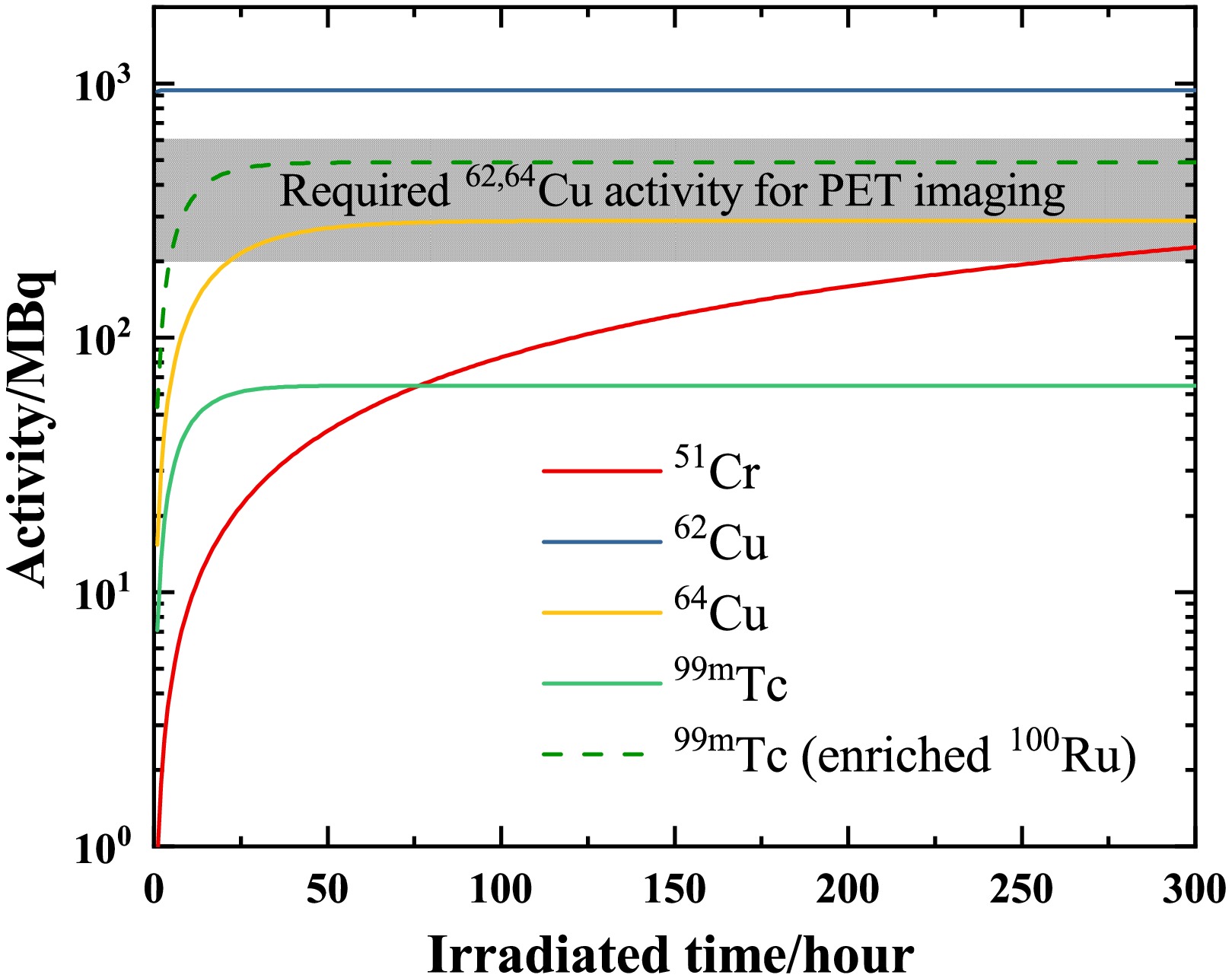
Laser-driven bremsstrahlung photon sources offer a promising approach to producing medical radioisotopes by photonuclear reactions. In this work, we report new activation measurements of natCr, natCu, and natRu using laser-driven bremsstrahlung at Peking University’s Compact Laser Plasma Accelerator laboratory. The 200 TW laser was utilized with a 0.2 Hz repetition frequency. Activities of 2.27 Bq for 51Cr, 5110 Bq for 62Cu, 53.9 Bq for 64Cu, and 16.4 Bq for 99mTc are achieved after irradiation for 20−30 min, using targets with a thickness of 2 mm. These crucial data, together with dedicated Monte Carlo simulations, enable a realistic evaluation to address the increasing demand in nuclear medicine. It is found that utilizing a repetition frequency of 100 Hz for the 200 TW laser and 10-cm-thick targets can satisfy the clinical diagnostic requirements of a typical activity of MBq for the isotopes of interest.
Laser-driven bremsstrahlung photon sources offer a promising approach to producing medical radioisotopes by photonuclear reactions. In this work, we report new activation measurements of natCr, natCu, and natRu using laser-driven bremsstrahlung at Peking University’s Compact Laser Plasma Accelerator laboratory. The 200 TW laser was utilized with a 0.2 Hz repetition frequency. Activities of 2.27 Bq for 51Cr, 5110 Bq for 62Cu, 53.9 Bq for 64Cu, and 16.4 Bq for 99mTc are achieved after irradiation for 20−30 min, using targets with a thickness of 2 mm. These crucial data, together with dedicated Monte Carlo simulations, enable a realistic evaluation to address the increasing demand in nuclear medicine. It is found that utilizing a repetition frequency of 100 Hz for the 200 TW laser and 10-cm-thick targets can satisfy the clinical diagnostic requirements of a typical activity of MBq for the isotopes of interest.
2026, 50(4): 044004. doi: 10.1088/1674-1137/ae372f
Abstract:
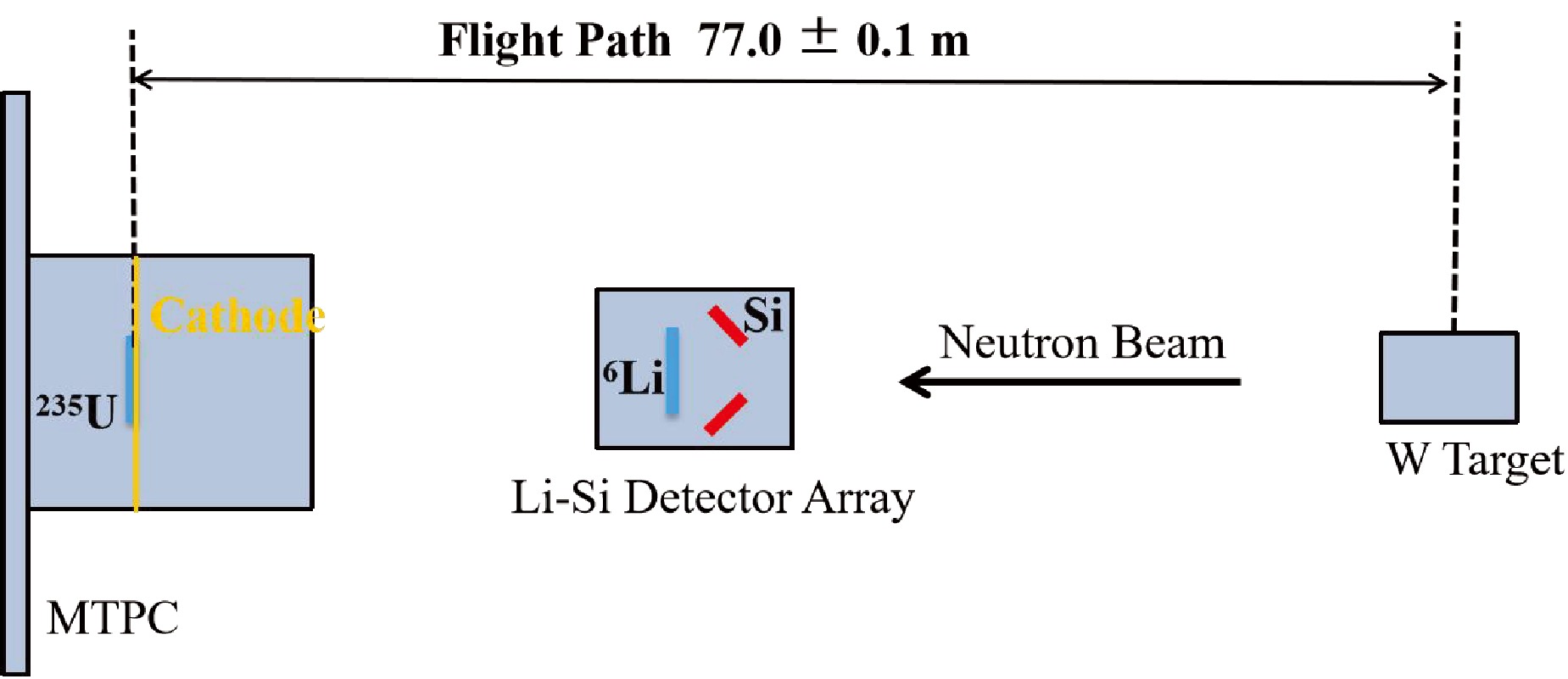
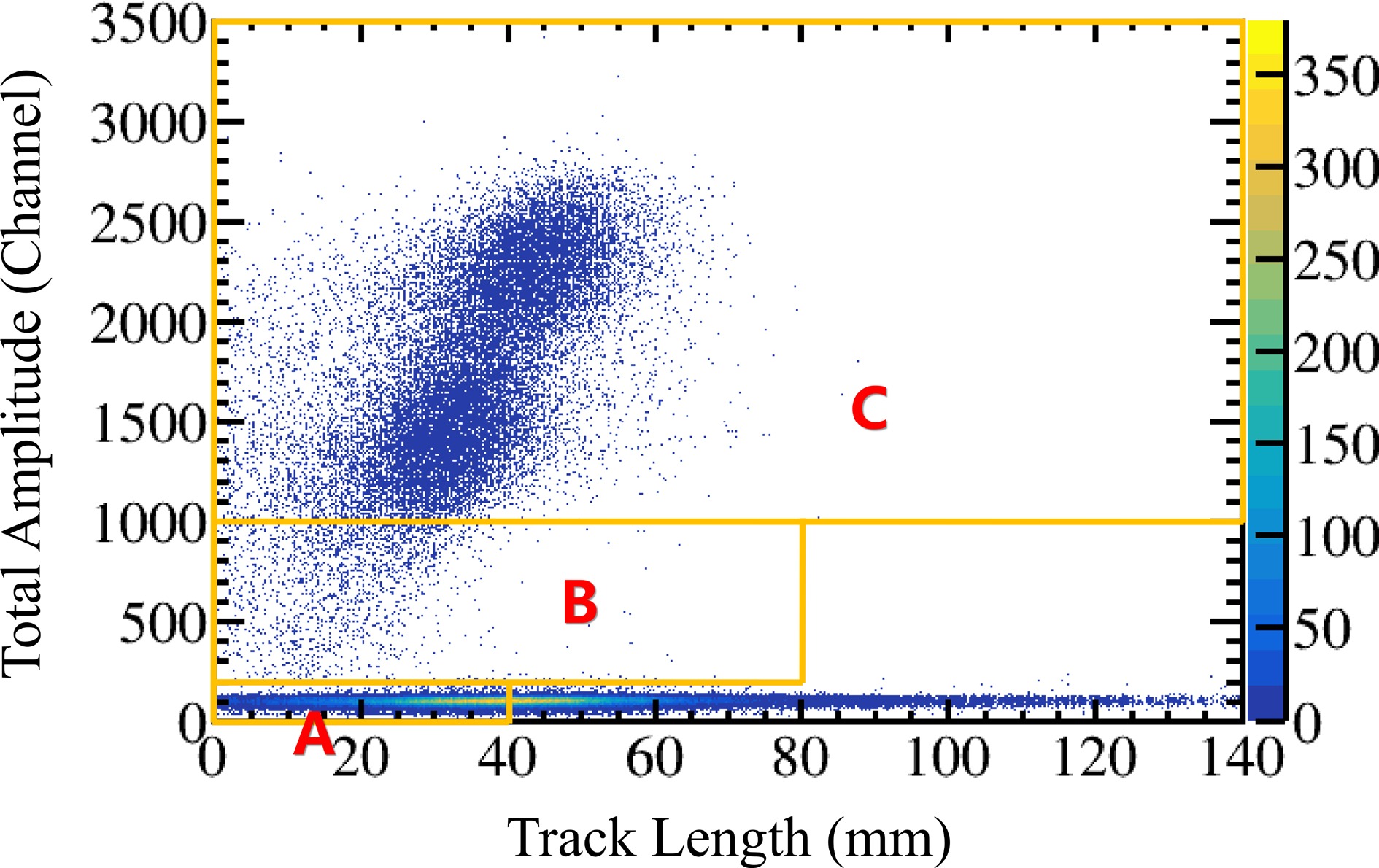
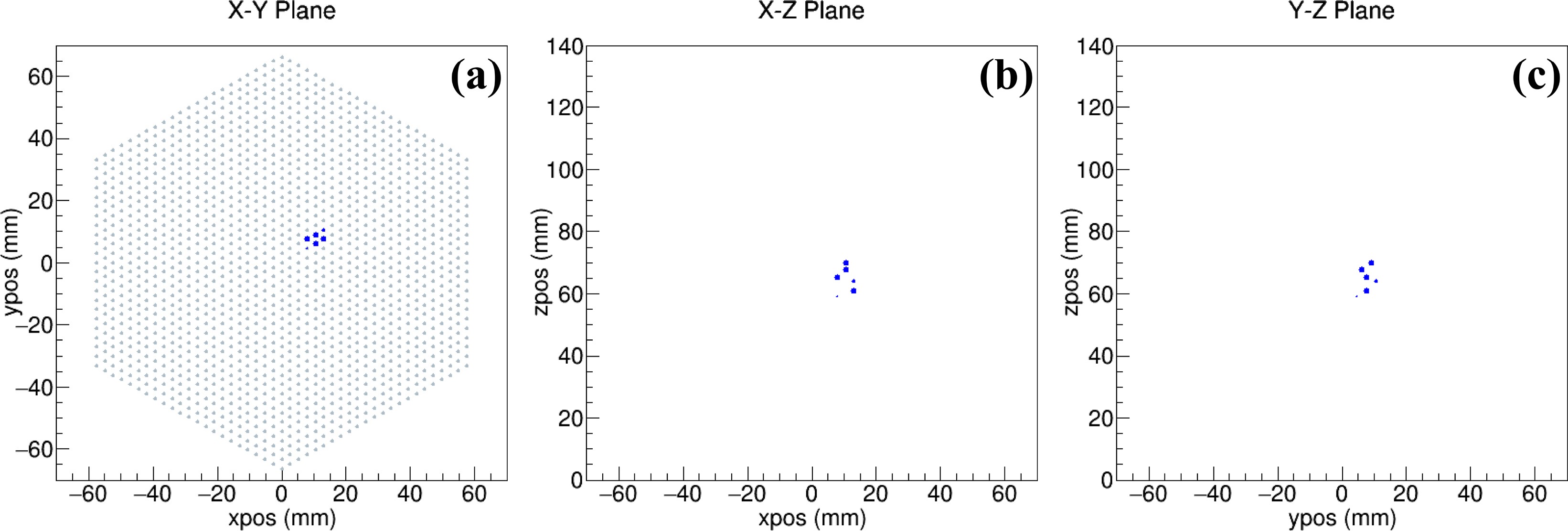
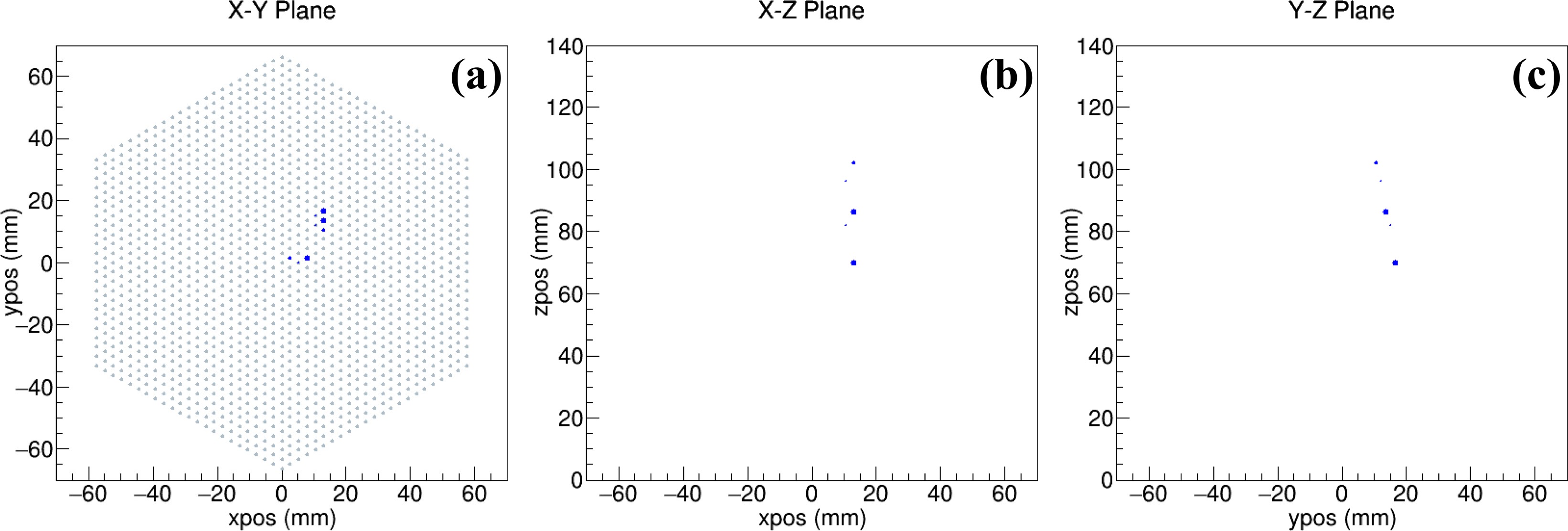
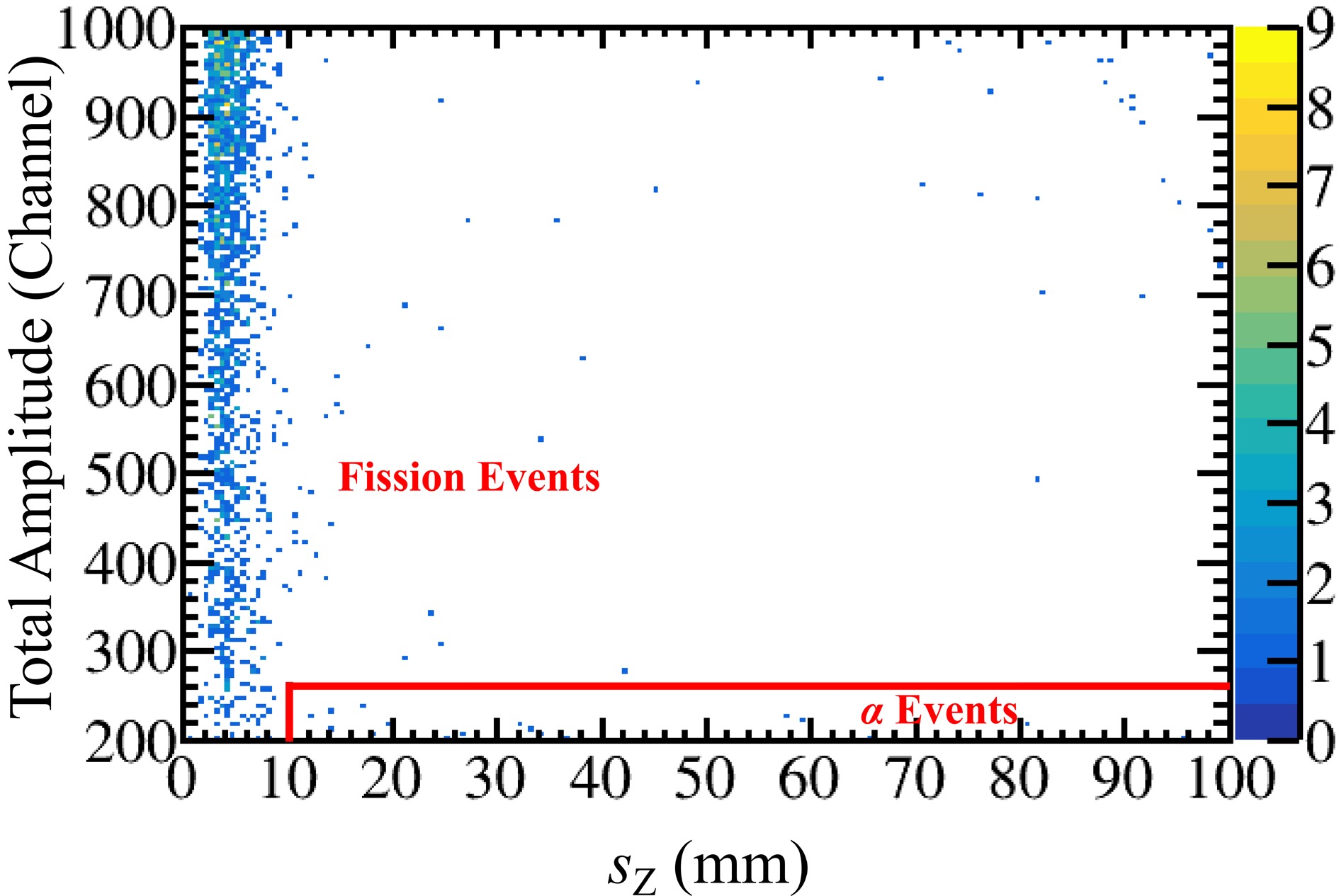
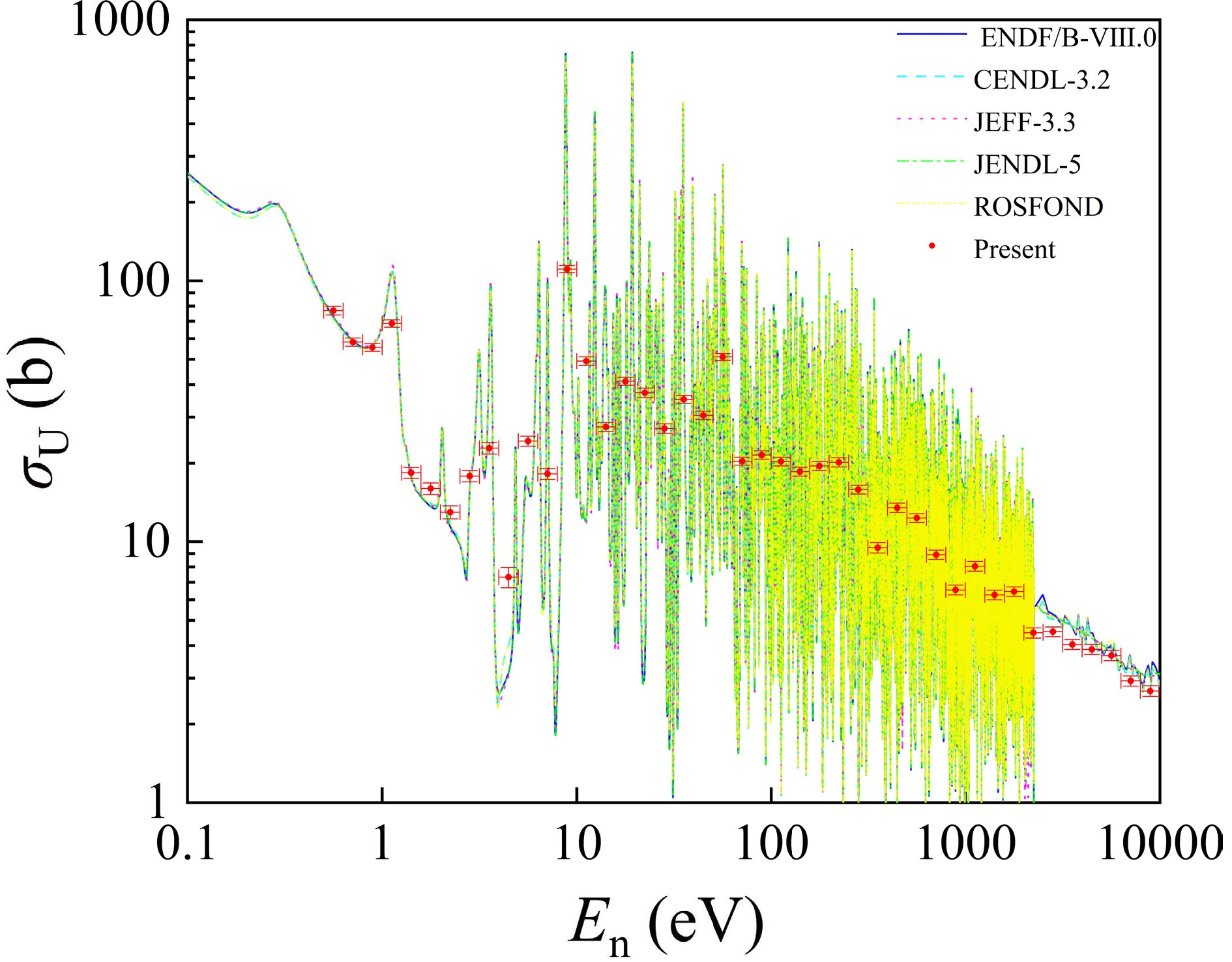
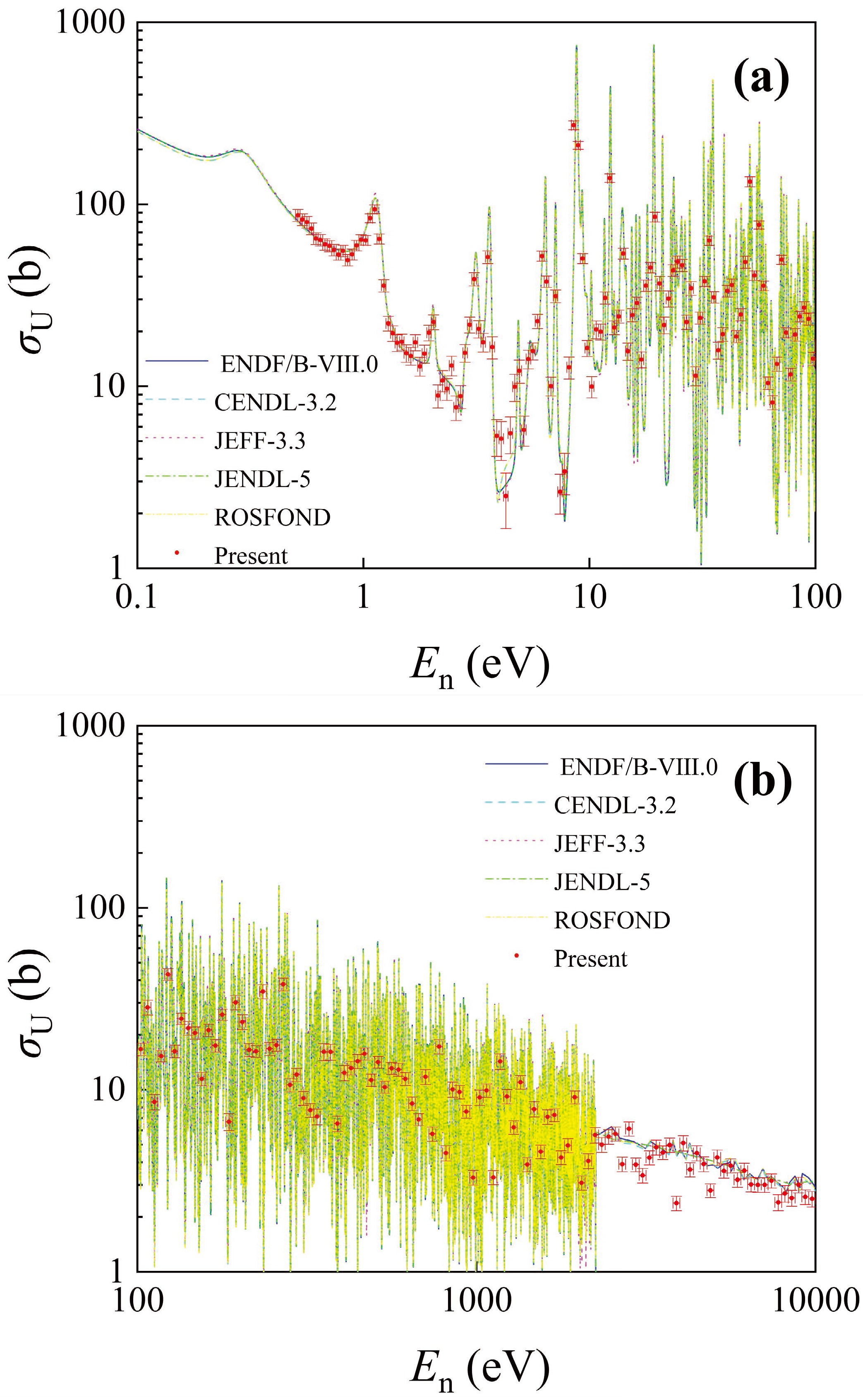
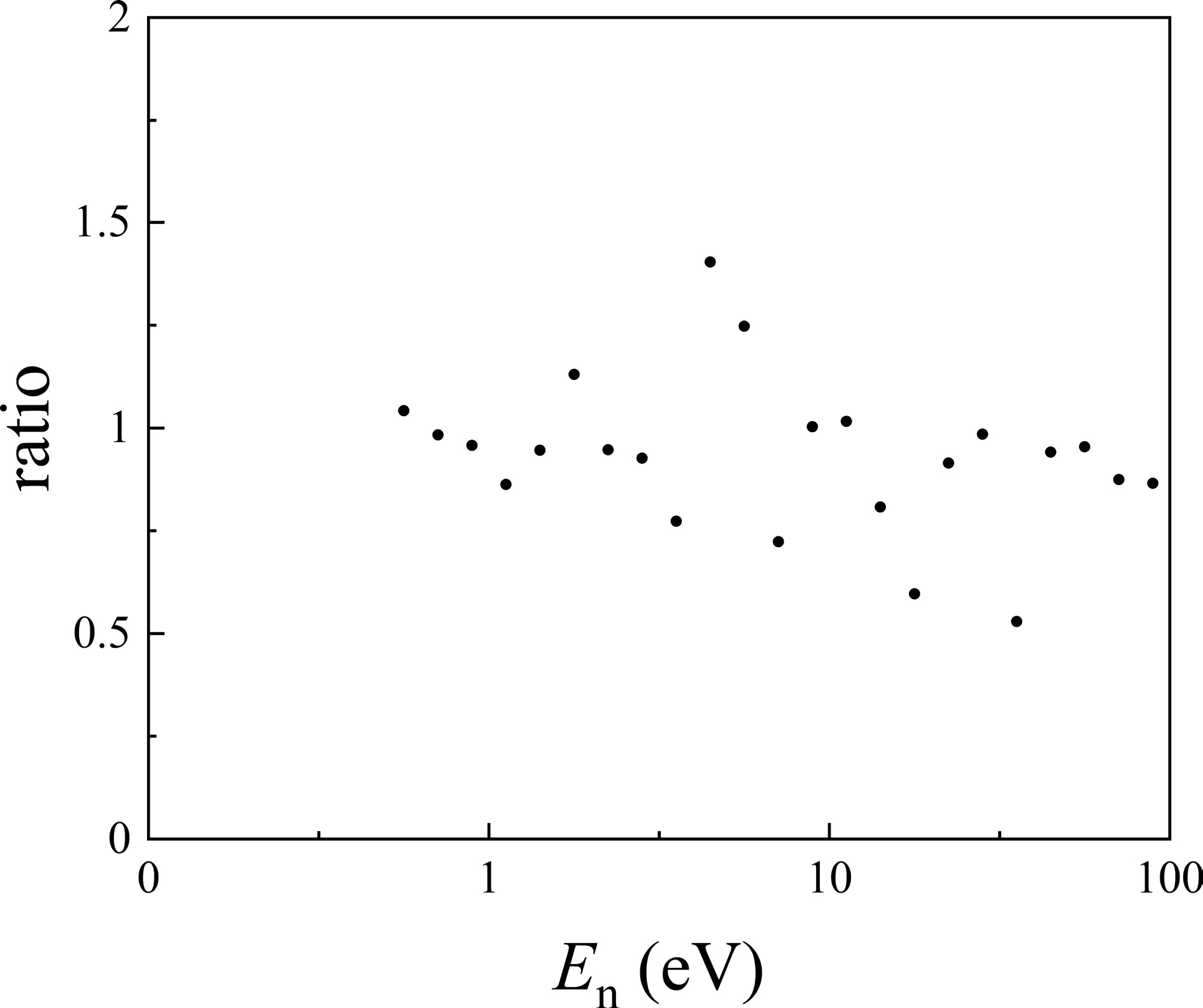
Accurate fission cross section data are essential for nuclear science and engineering. Traditional fission cross section measurements using the fission ionization chamber struggle to satisfy the accuracy requirements. The Time Projection Chamber (TPC) is a potential detector for high accuracy fission cross section measurement based on its track reconstruction and particle identification capacities. Using the Multi-purpose Time Projection Chamber (MTPC) at the China Spallation Neutron Source (CSNS), we have previously measured the cross sections of the 232Th(n, f) reaction based on the mono-energetic neutron source at Peking University (PKU), showing the potential of high accuracy fission cross section measurement. In this study, cross sections of the 235U(n, f) reaction were measured at 43 energies (10 energy bins per magnitude in equal logarithm intervals) and 215 energies (50 energy bins per magnitude in equal logarithm intervals) in the neutron energy range from 0.5 eV to 10 keV using the MTPC based on the CSNS Back-n white neutron source. The results are consistent with the data in the evaluation libraries, showing the reliability of the fission cross section measurement method using the MTPC. The measurement of the fission cross sections using the MTPC is extended from mono-energetic to white neutron sources. This study presents the first cross section results measured by the MTPC based on the CSNS Back-n white neutron source. With a longer beam time in future measurements, the uncertainties of the fission cross sections are expected to be greatly reduced.
Accurate fission cross section data are essential for nuclear science and engineering. Traditional fission cross section measurements using the fission ionization chamber struggle to satisfy the accuracy requirements. The Time Projection Chamber (TPC) is a potential detector for high accuracy fission cross section measurement based on its track reconstruction and particle identification capacities. Using the Multi-purpose Time Projection Chamber (MTPC) at the China Spallation Neutron Source (CSNS), we have previously measured the cross sections of the 232Th(n, f) reaction based on the mono-energetic neutron source at Peking University (PKU), showing the potential of high accuracy fission cross section measurement. In this study, cross sections of the 235U(n, f) reaction were measured at 43 energies (10 energy bins per magnitude in equal logarithm intervals) and 215 energies (50 energy bins per magnitude in equal logarithm intervals) in the neutron energy range from 0.5 eV to 10 keV using the MTPC based on the CSNS Back-n white neutron source. The results are consistent with the data in the evaluation libraries, showing the reliability of the fission cross section measurement method using the MTPC. The measurement of the fission cross sections using the MTPC is extended from mono-energetic to white neutron sources. This study presents the first cross section results measured by the MTPC based on the CSNS Back-n white neutron source. With a longer beam time in future measurements, the uncertainties of the fission cross sections are expected to be greatly reduced.

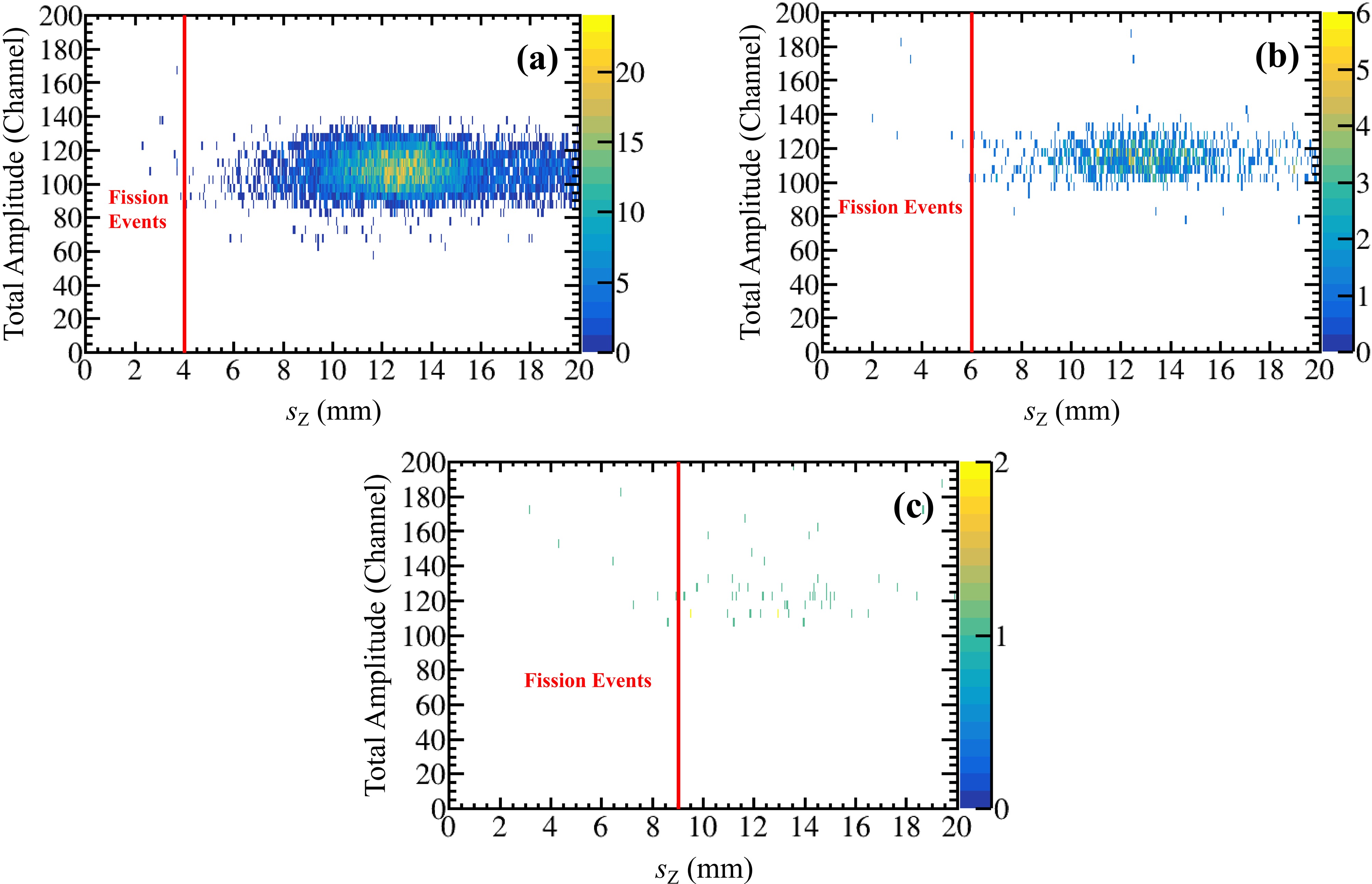
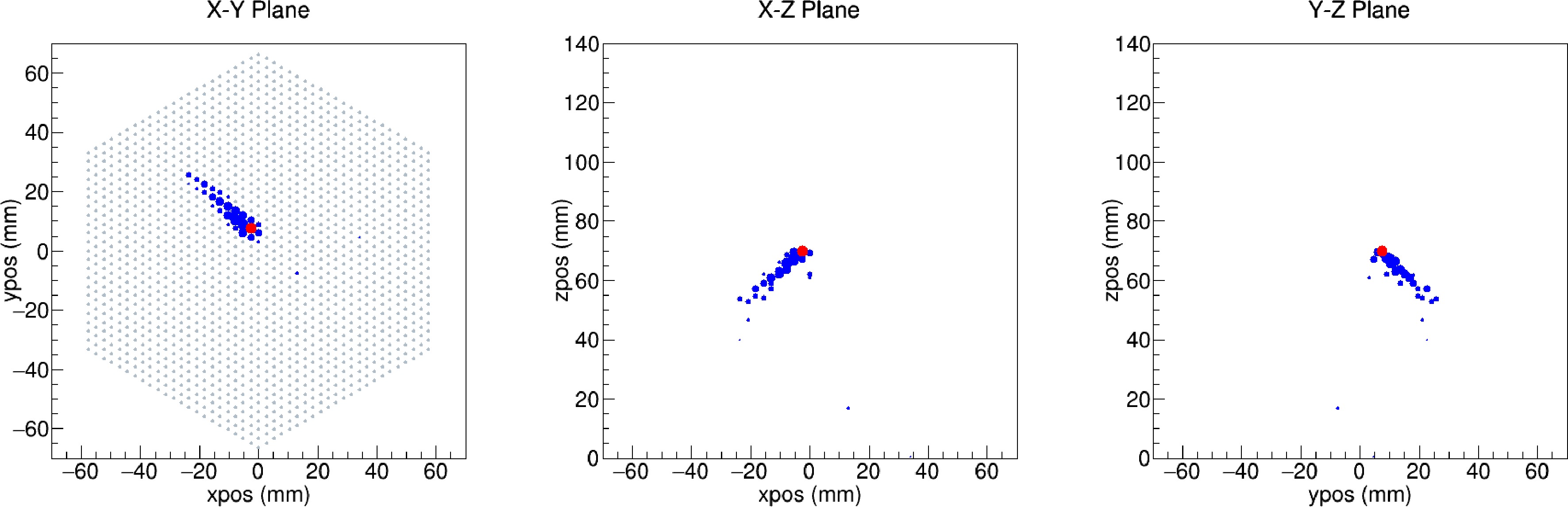
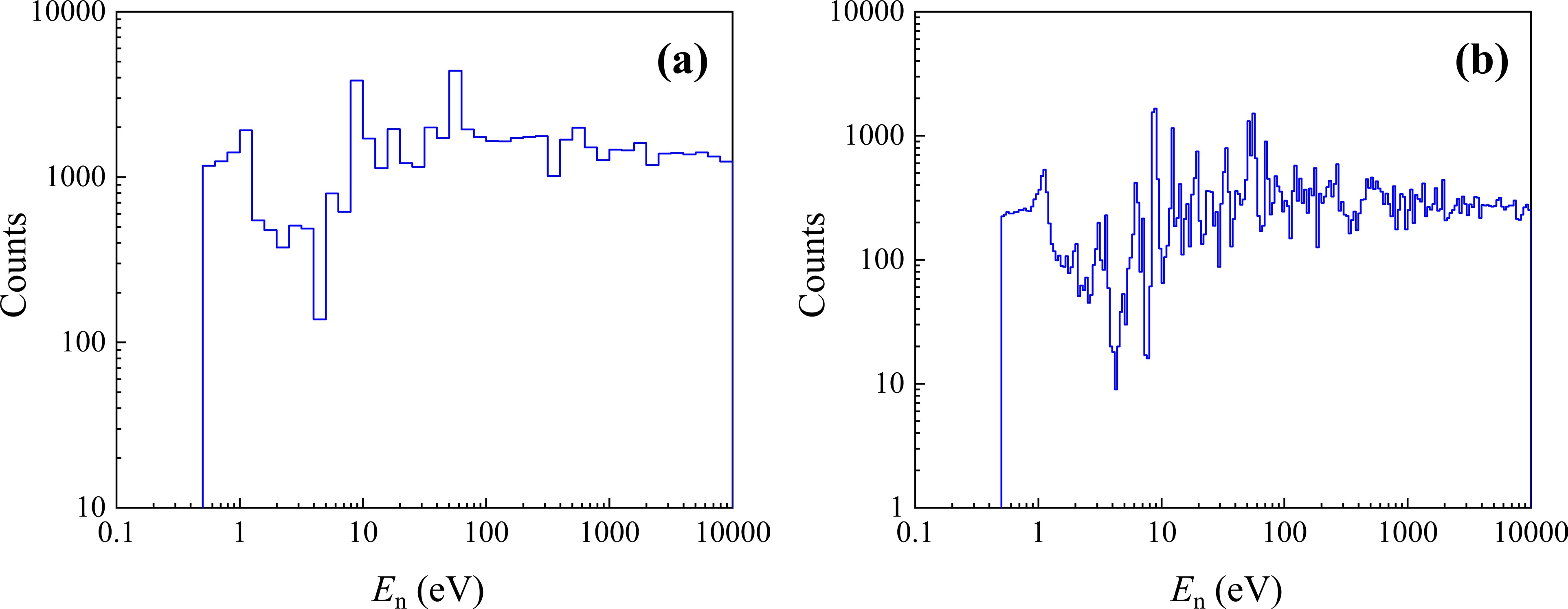
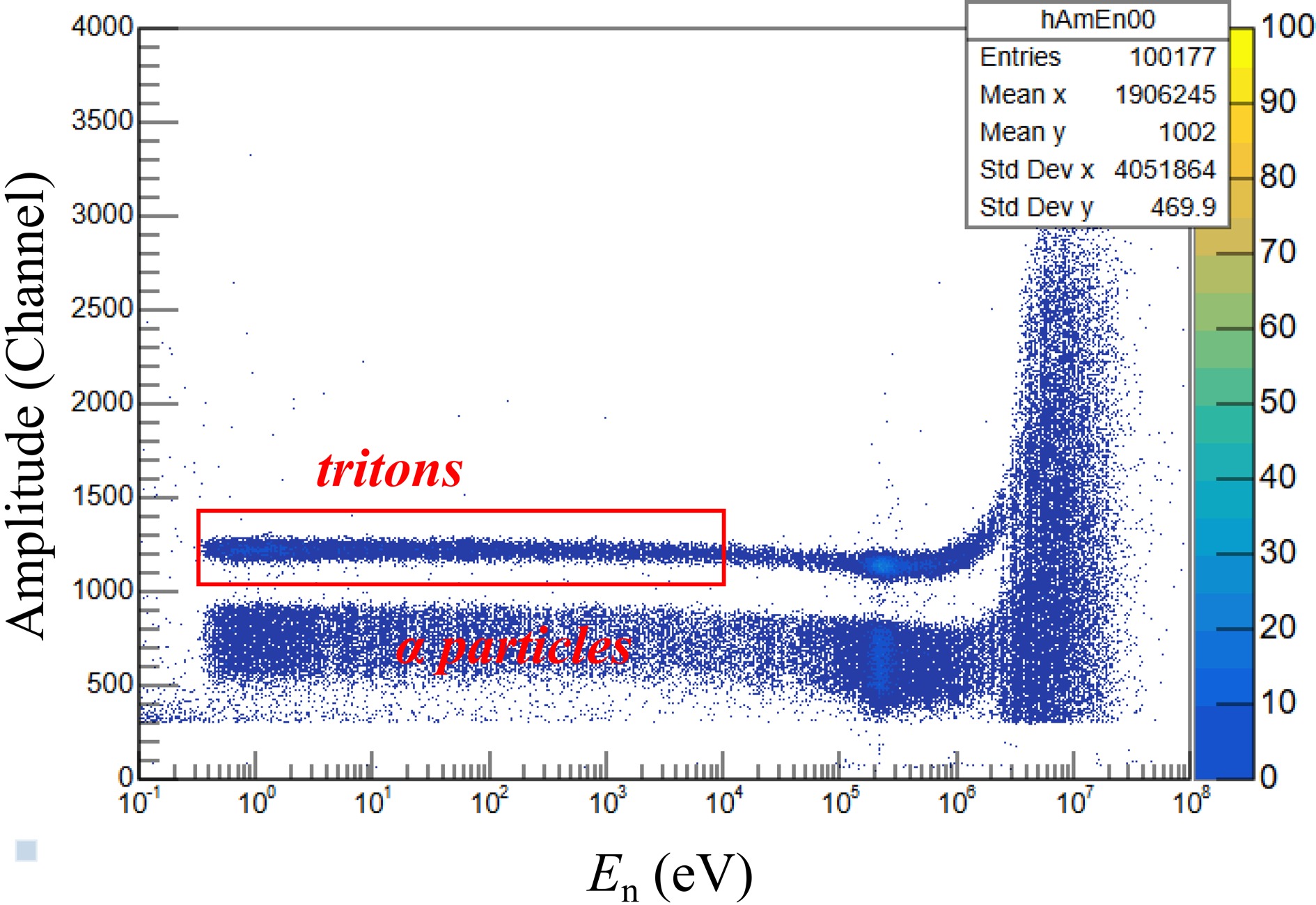
2026, 50(4): 044005. doi: 10.1088/1674-1137/ae368b
Abstract:
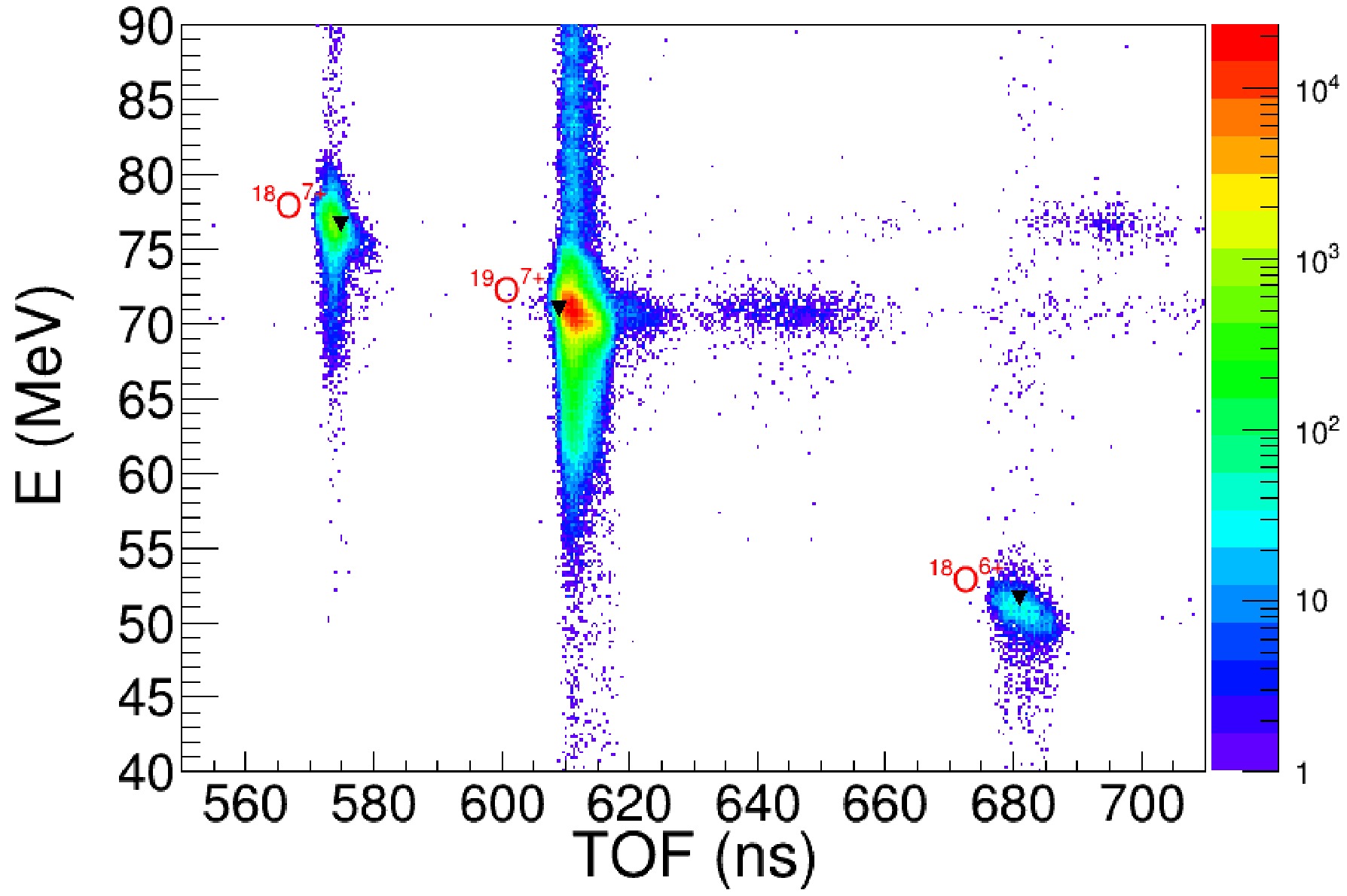
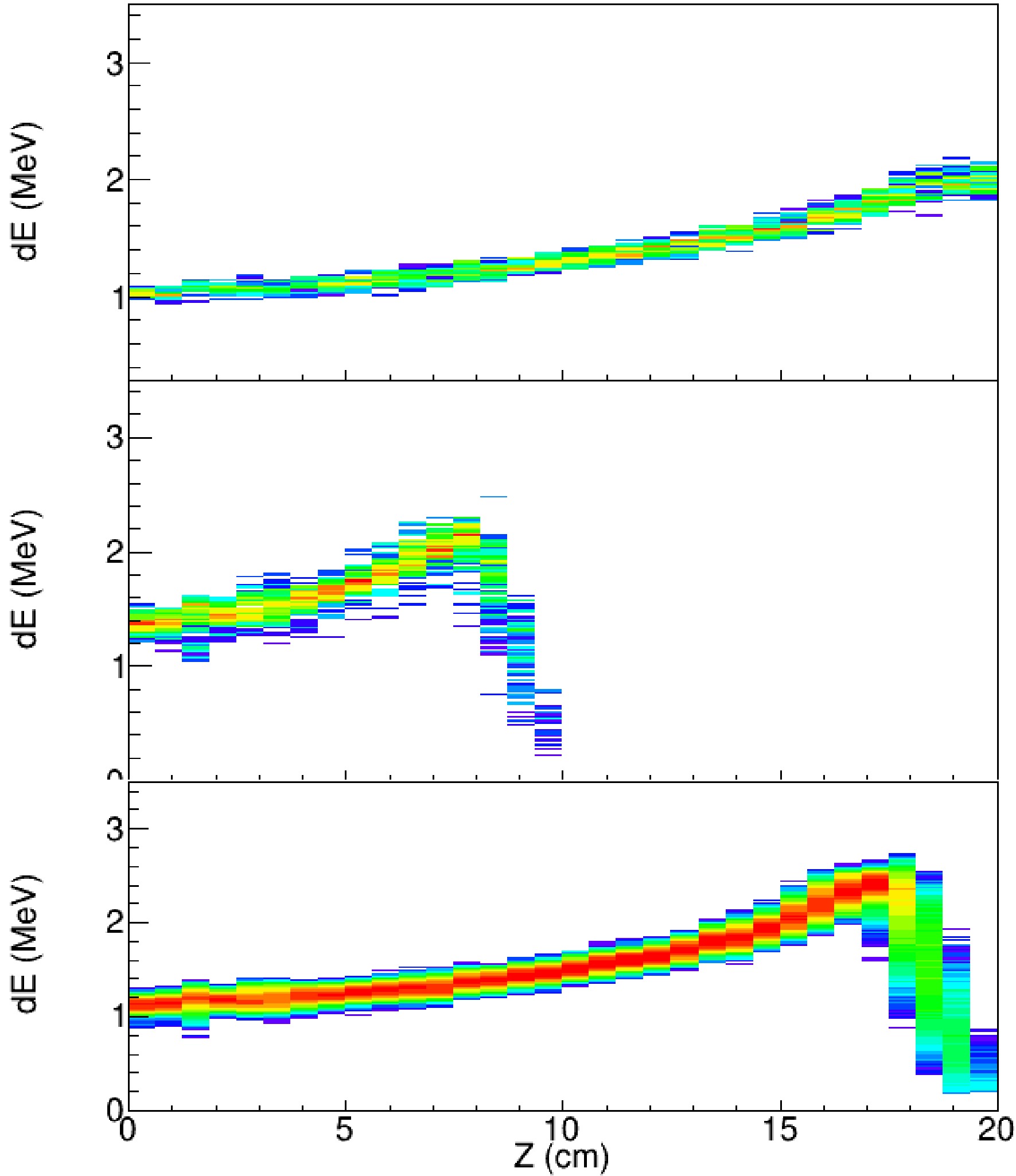
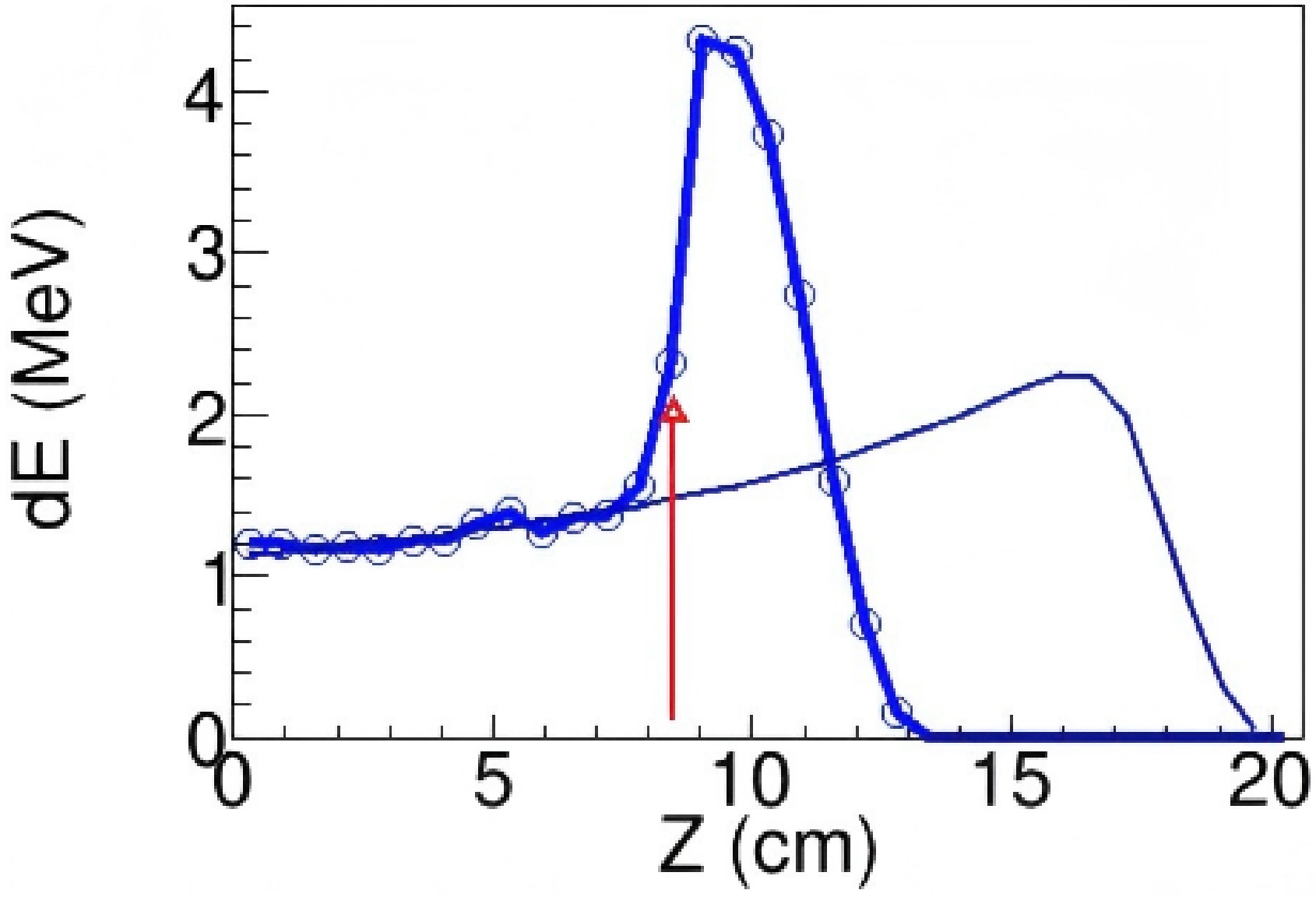
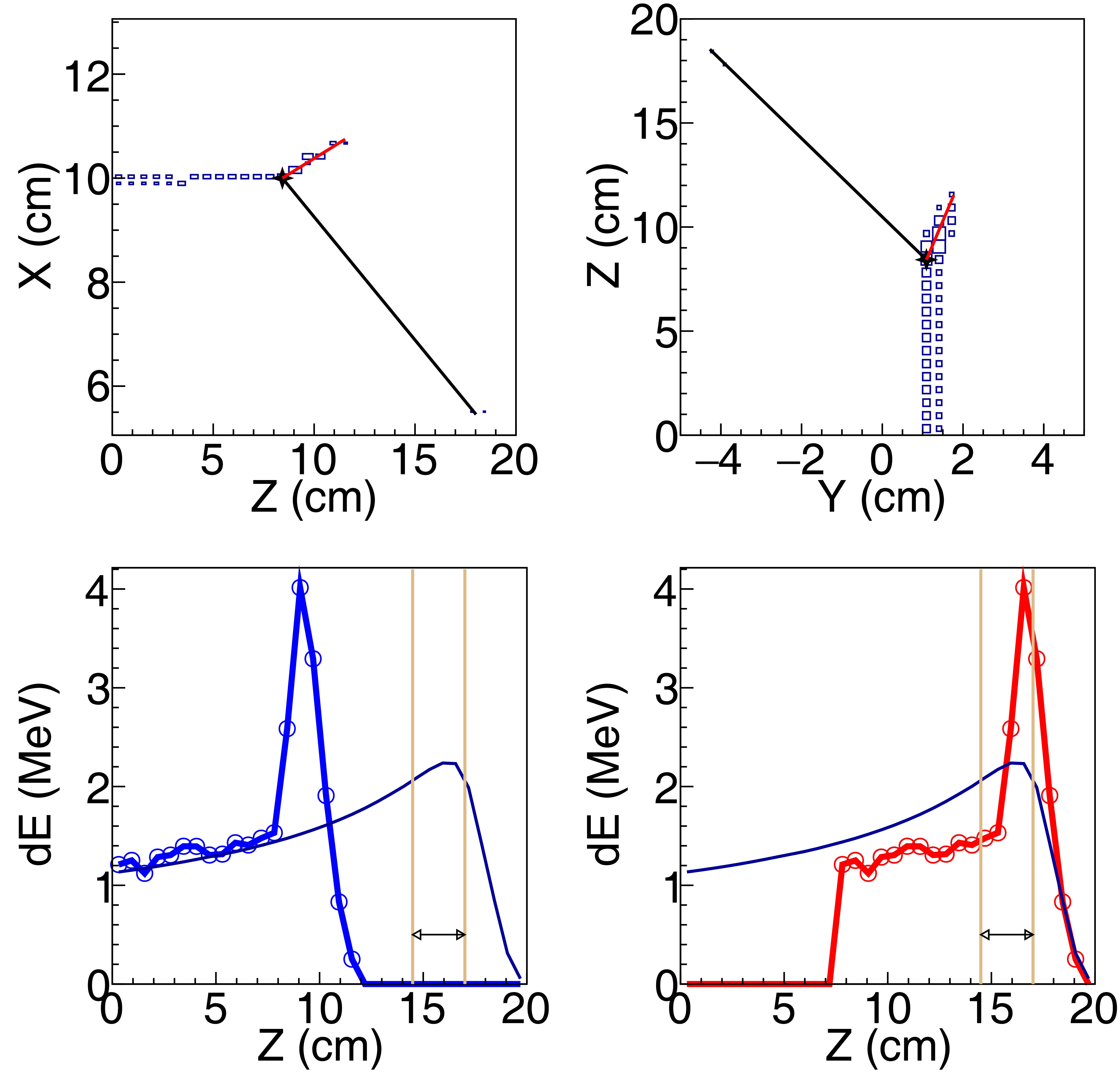
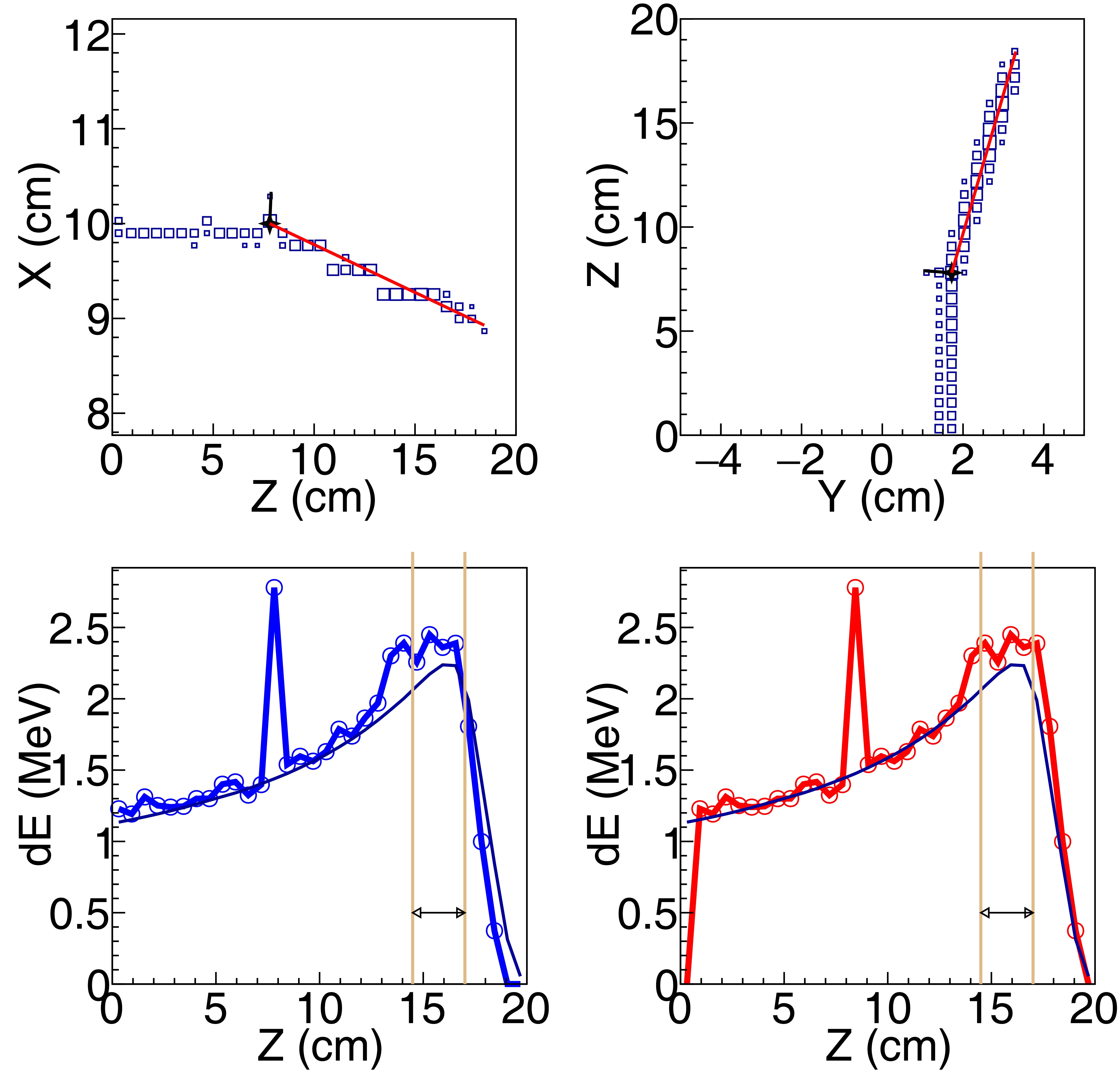
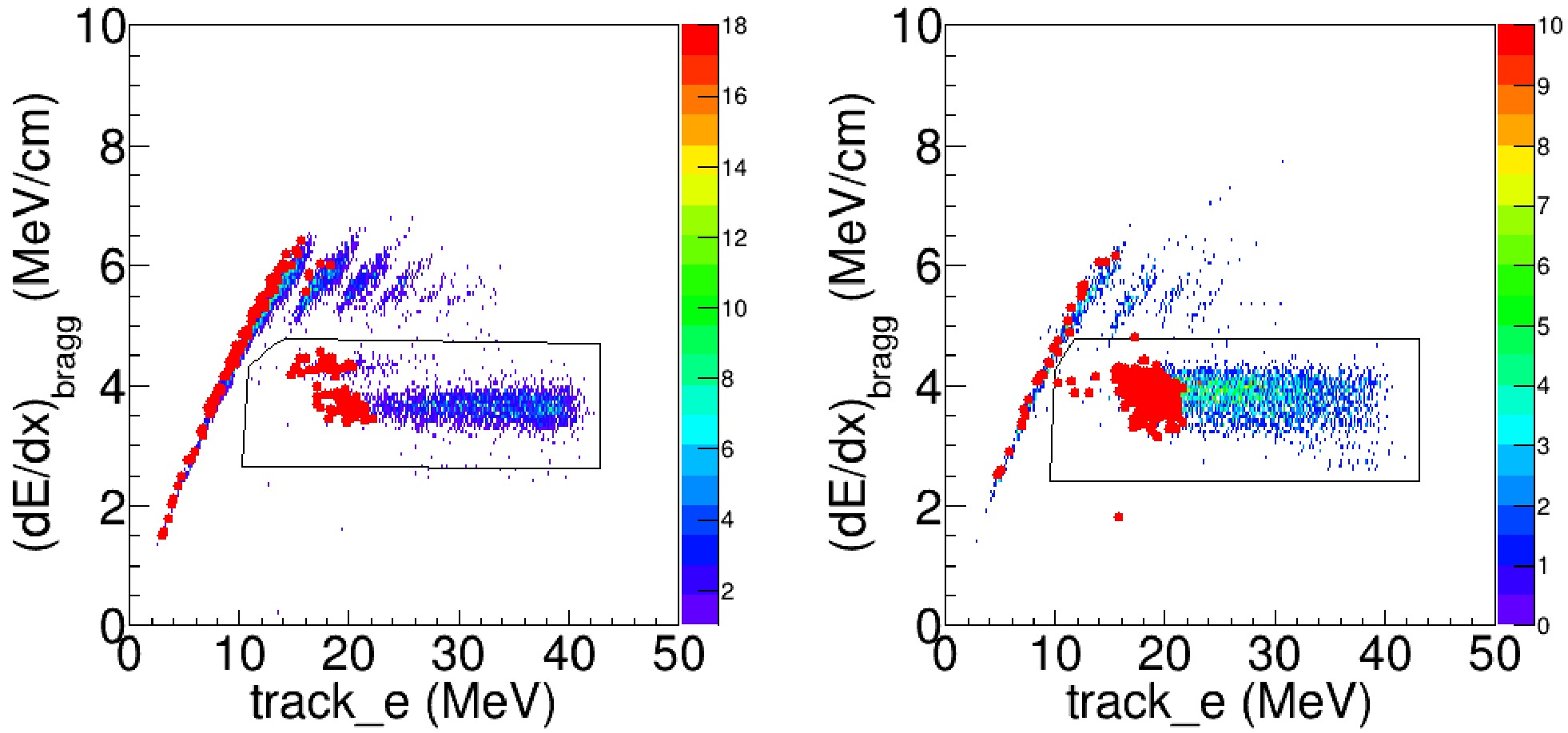
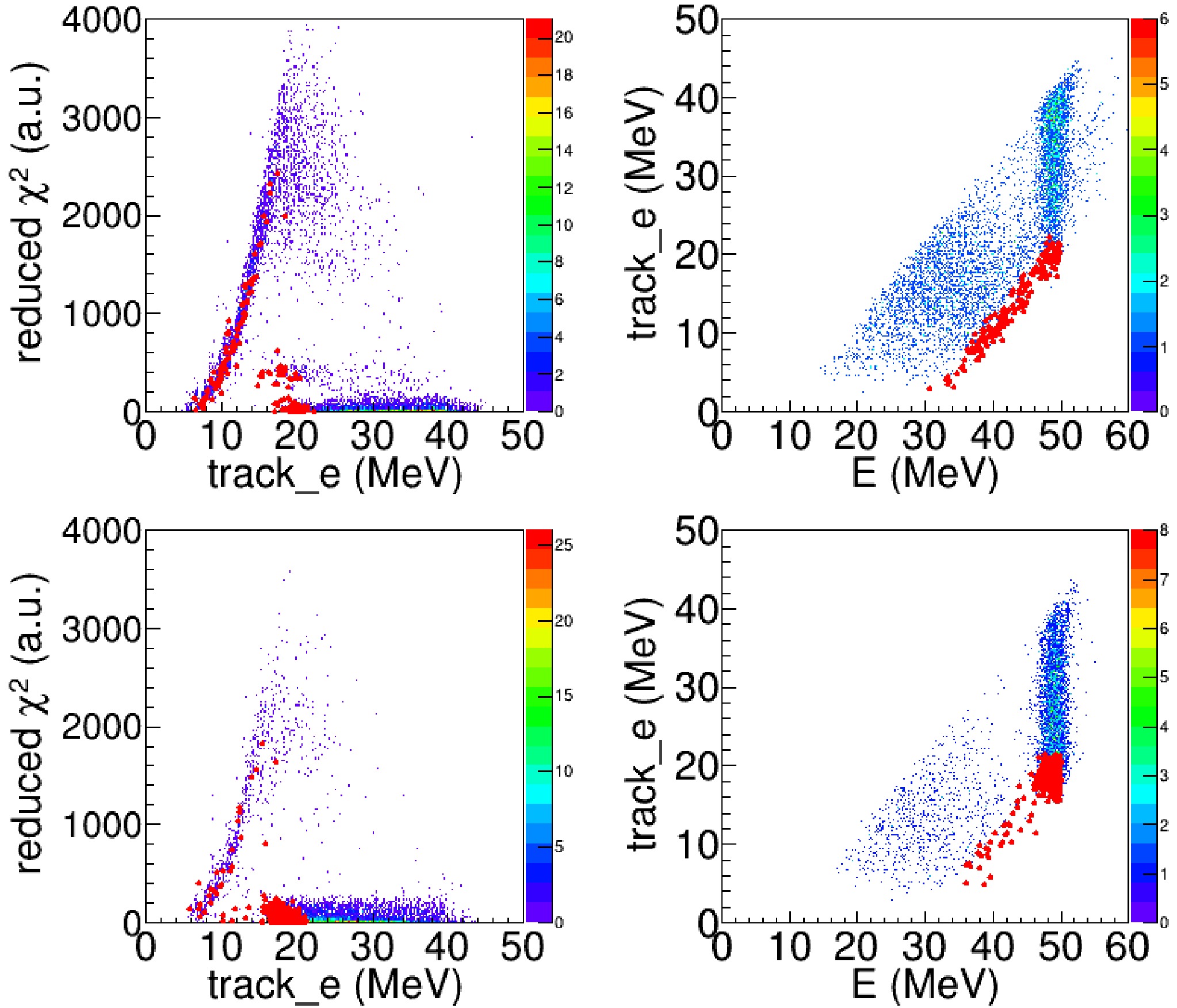
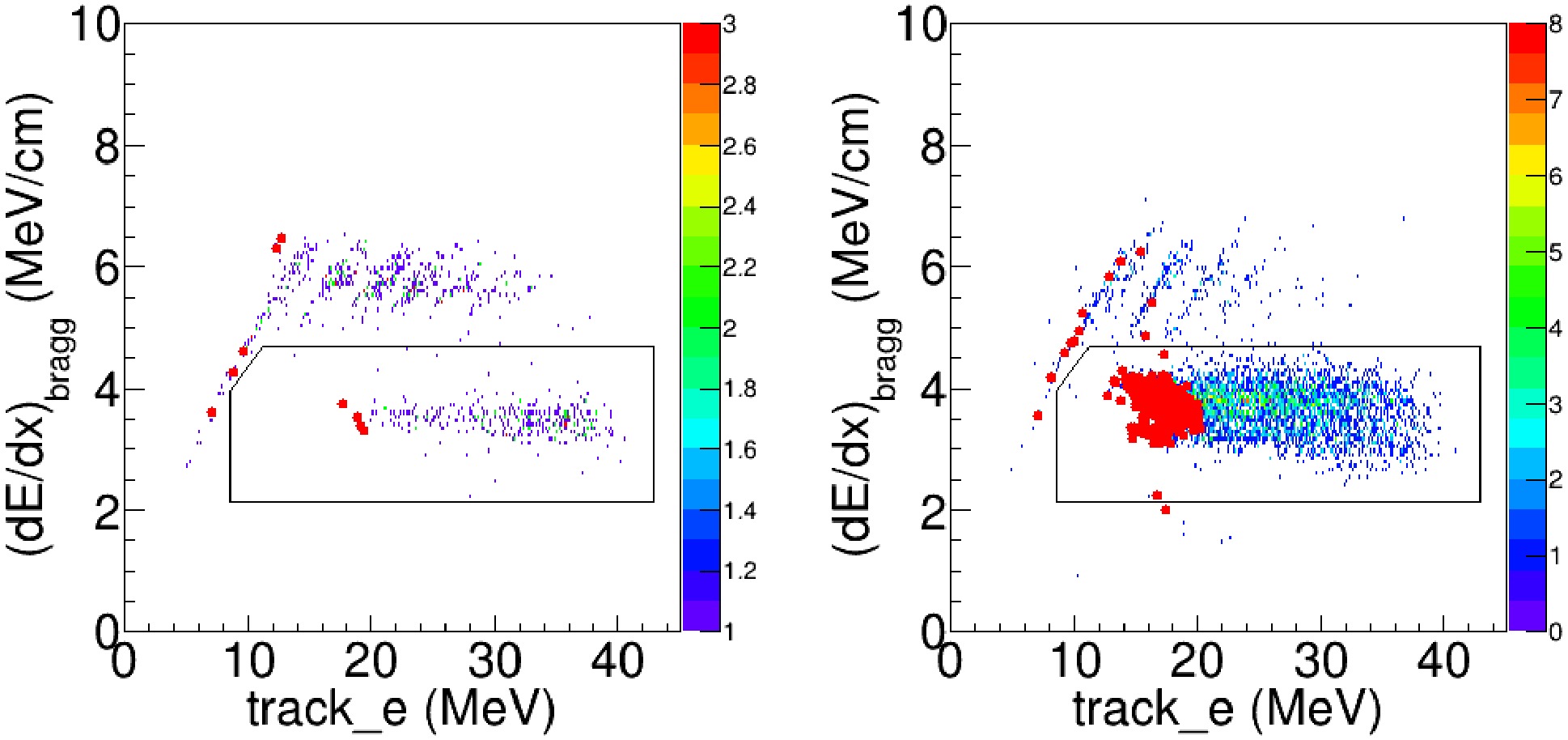
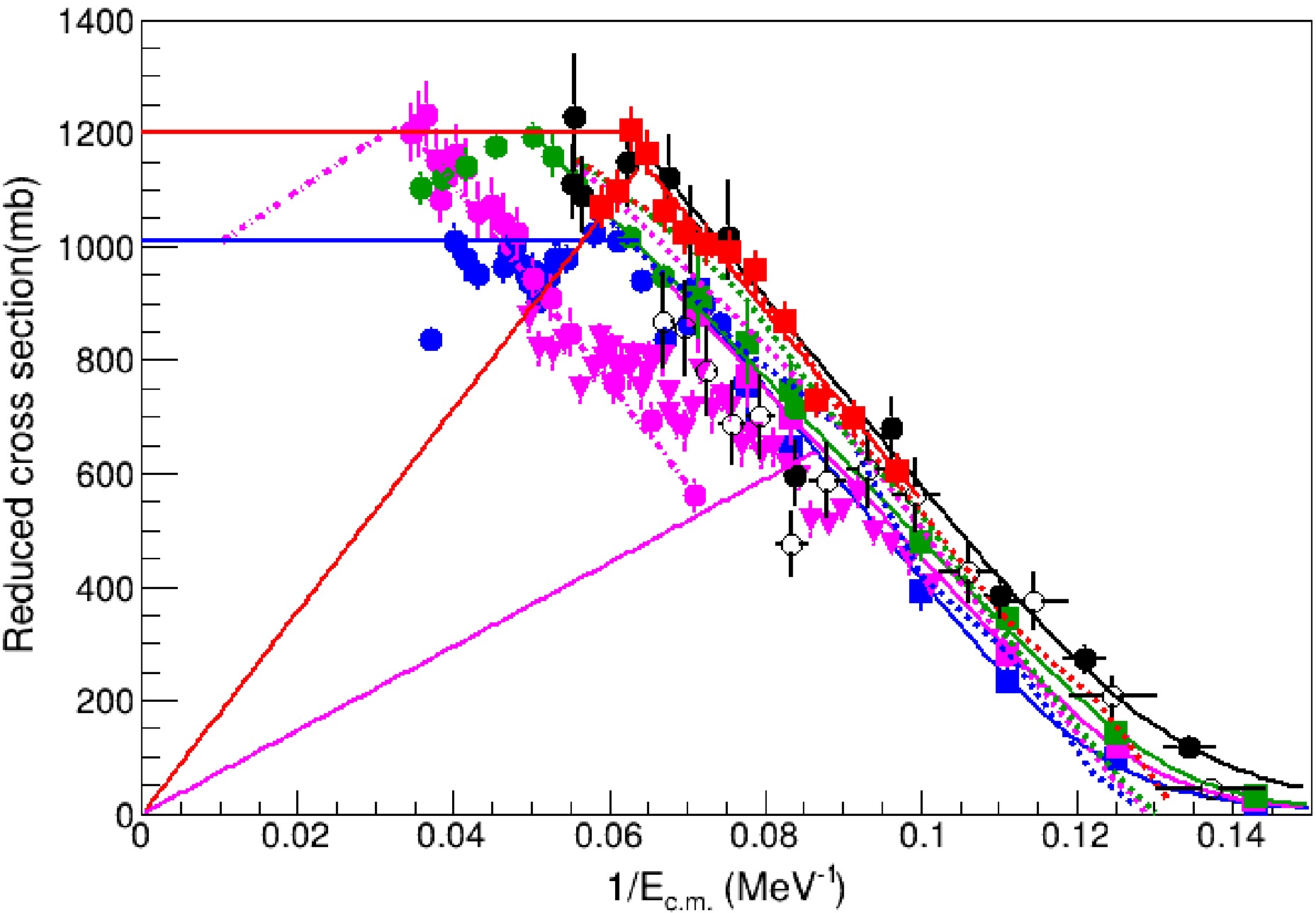
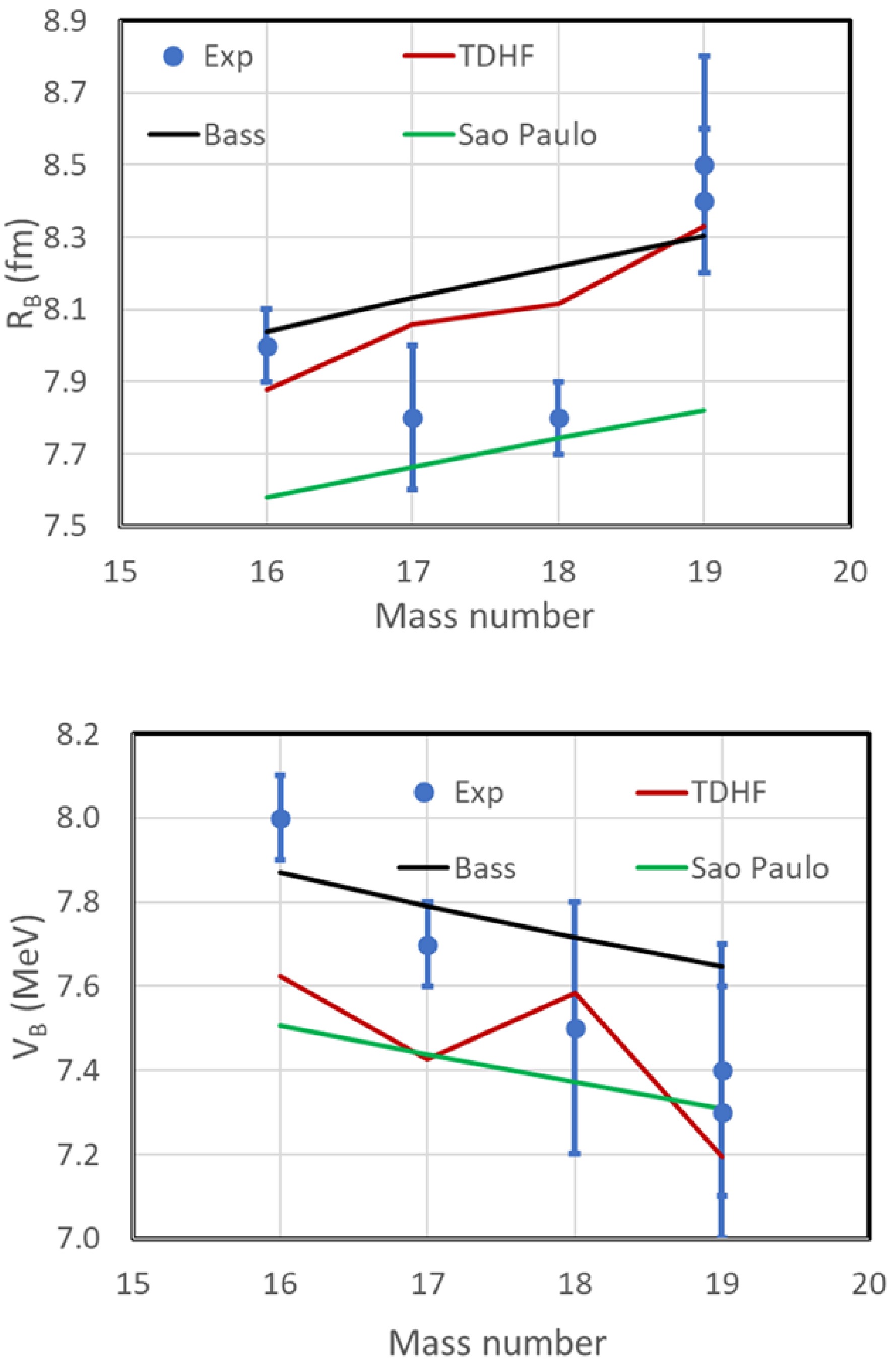
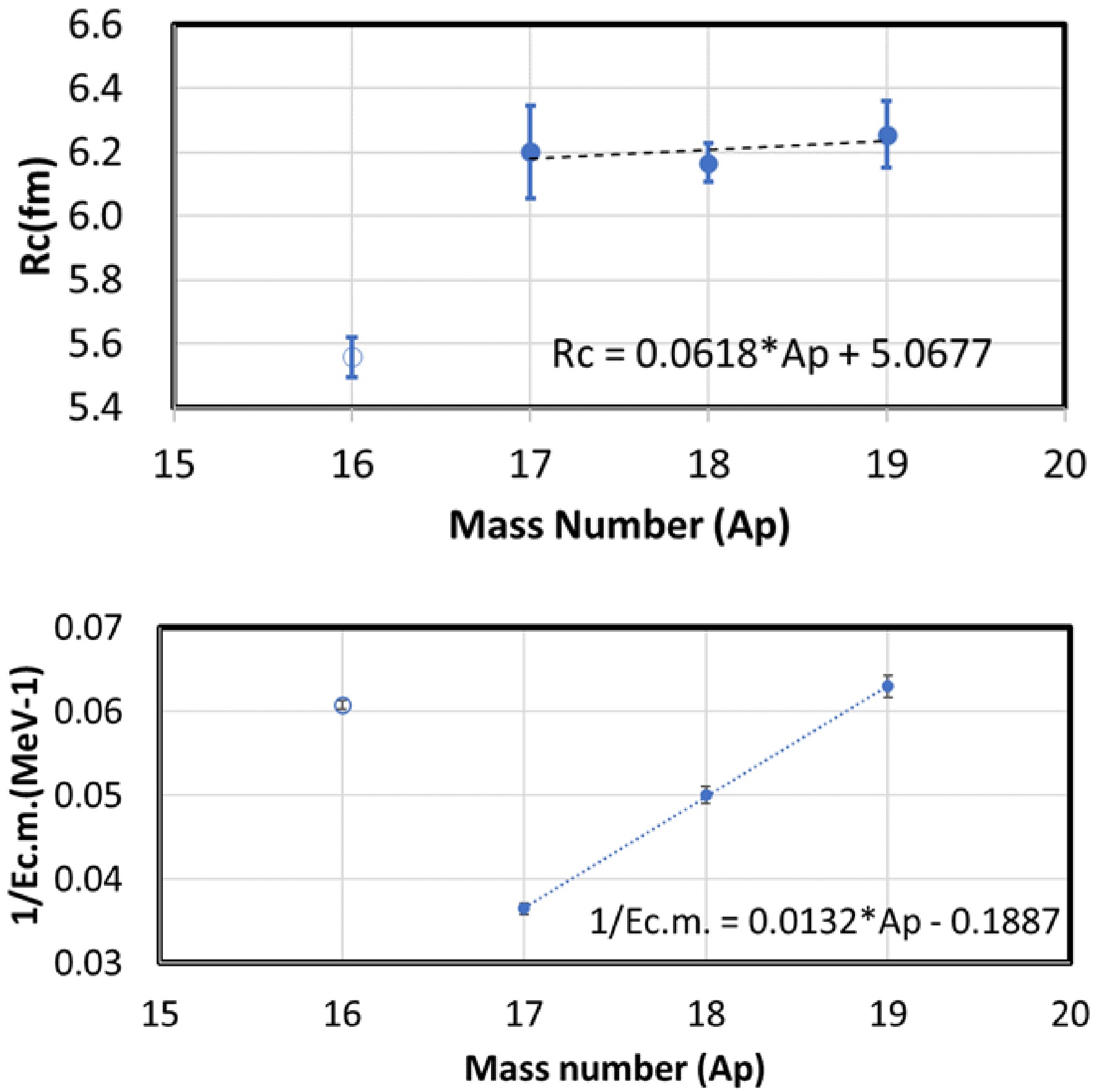
We measured the 19O+12C fusion excitation function using the MATE active-target TPC at IMP for\begin{document}$ 9.7 \leqslant E_{\rm{c.m.}} \leqslant 16.9$\end{document} \begin{document}$ 1/E_{\rm{cr}}$\end{document}
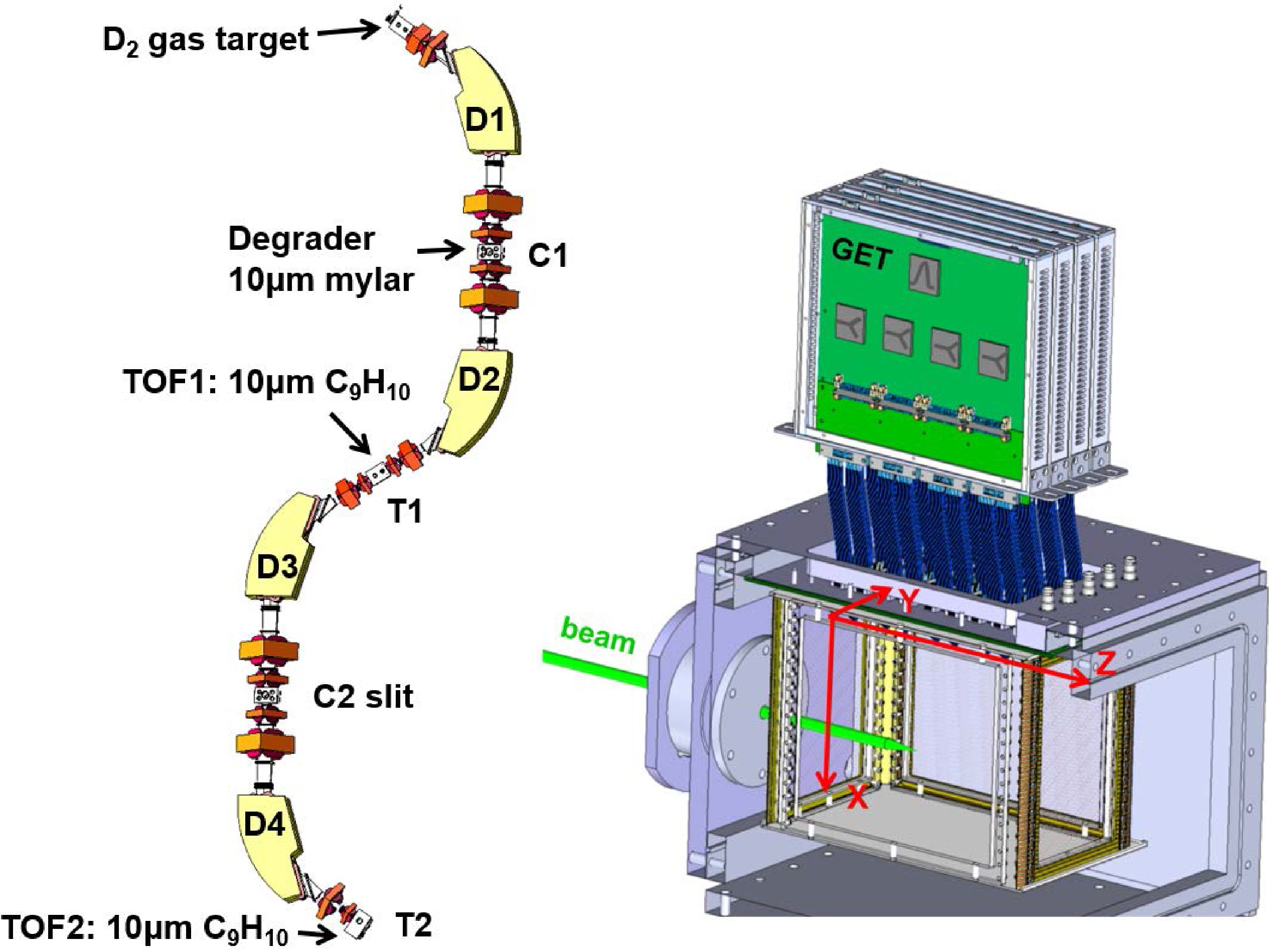
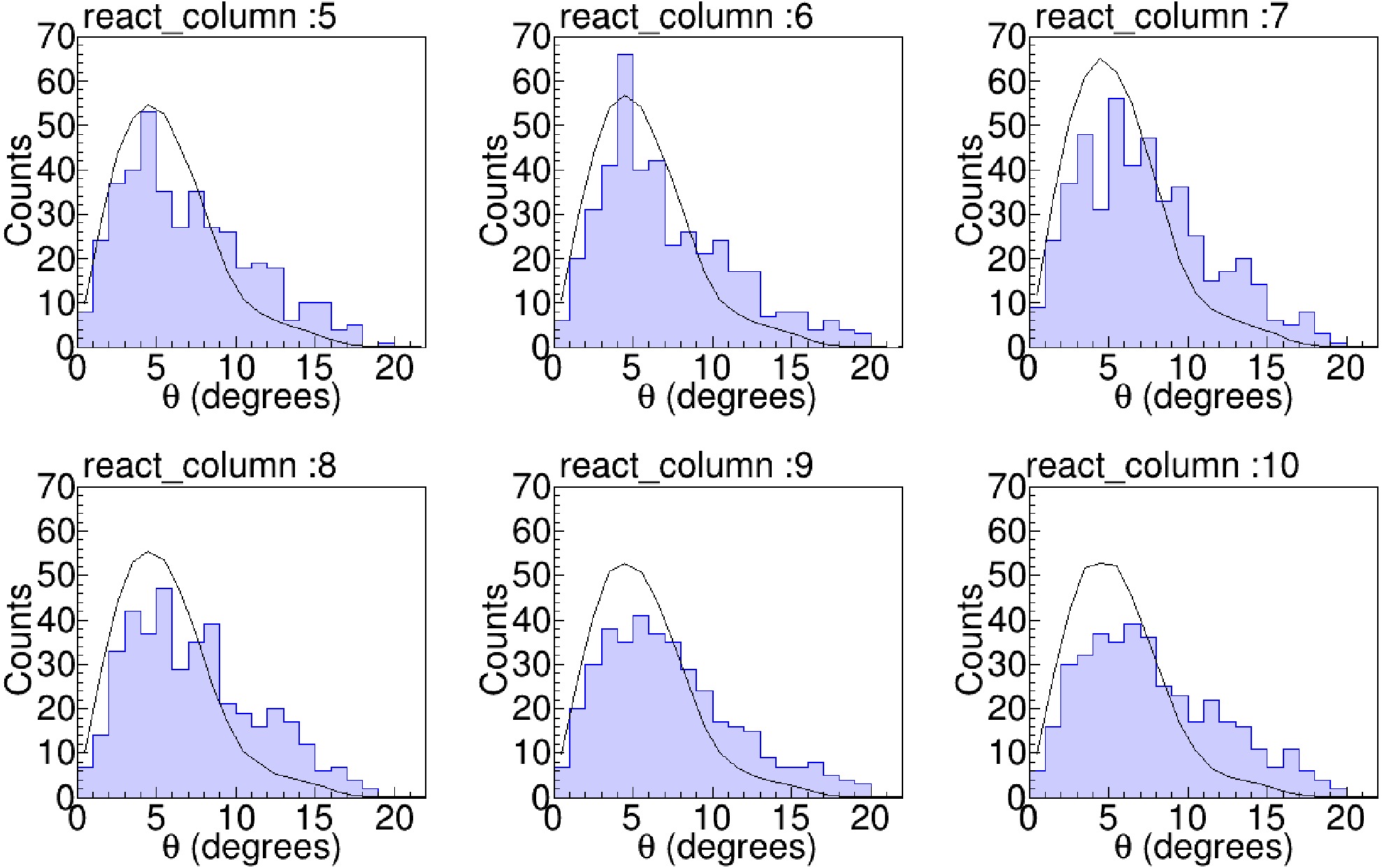
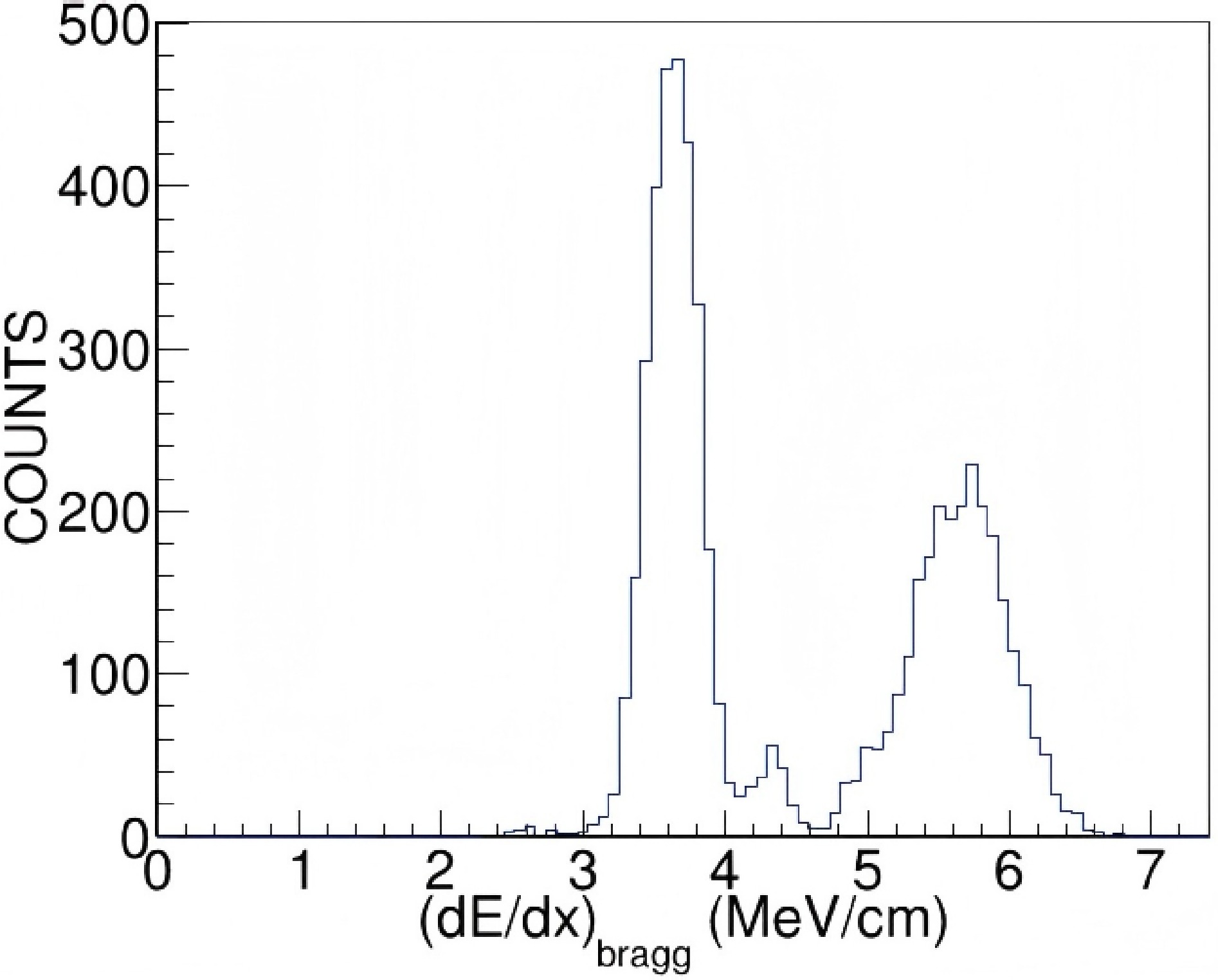
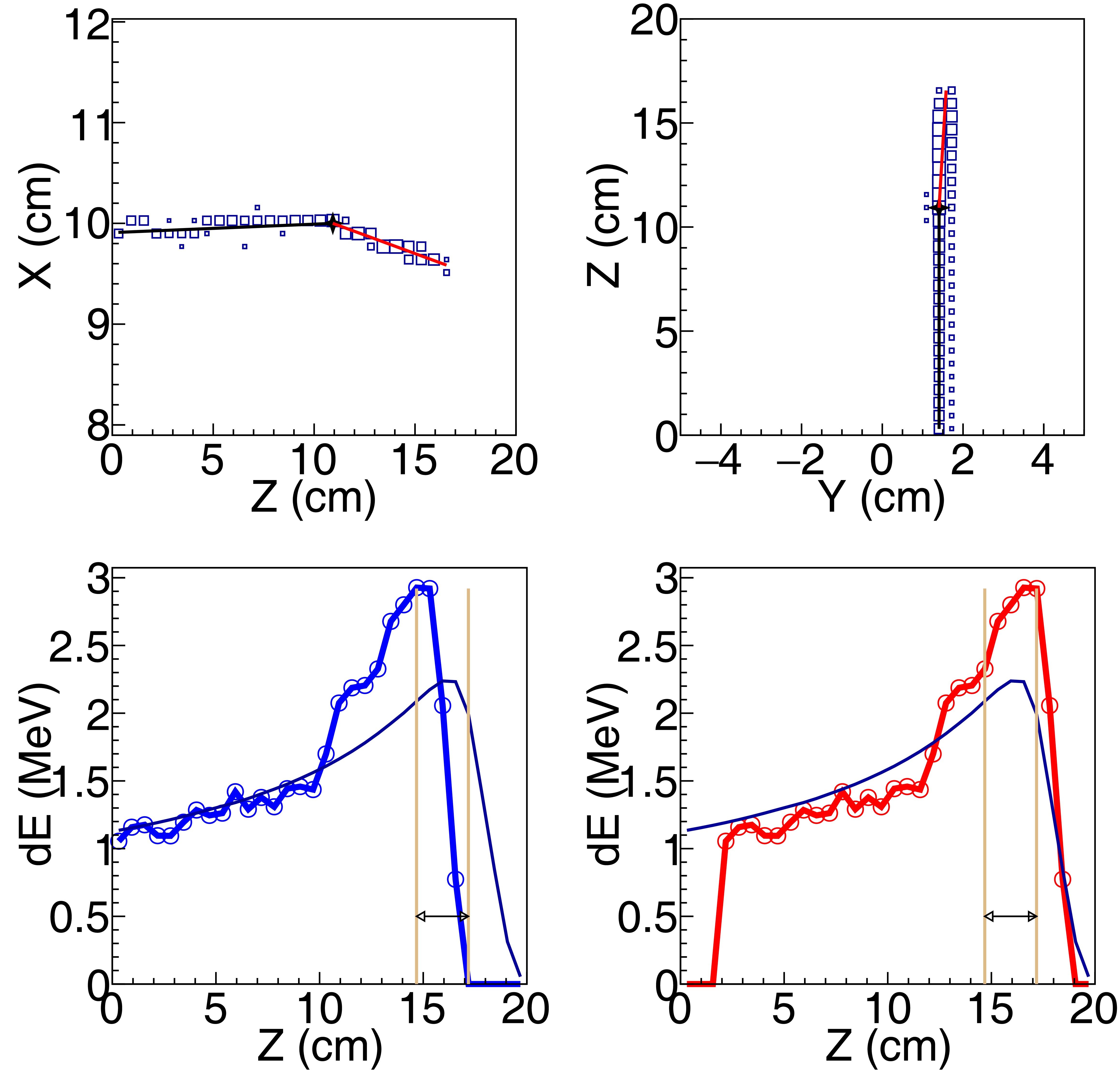
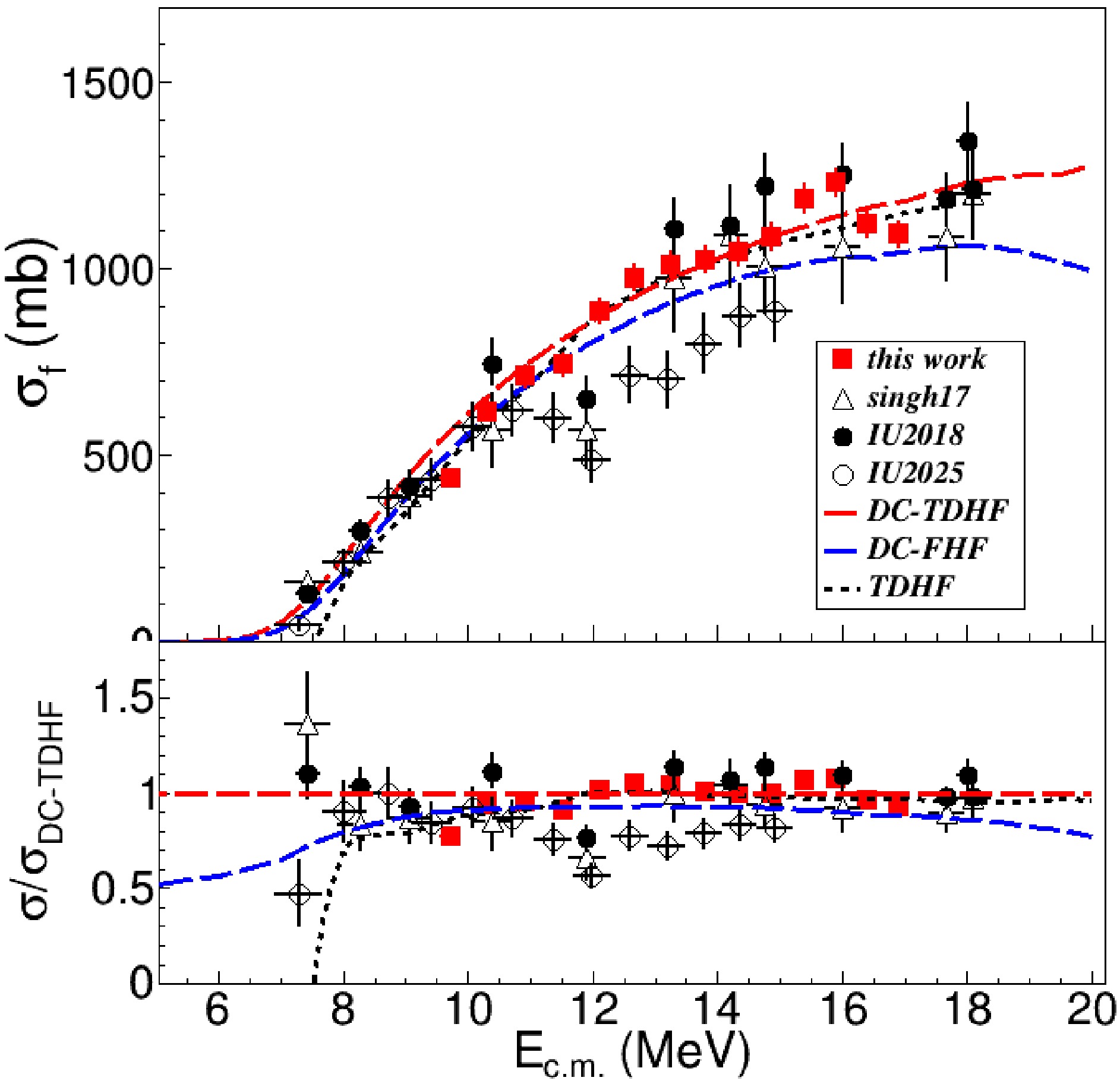
We measured the 19O+12C fusion excitation function using the MATE active-target TPC at IMP for
2026, 50(4): 044101. doi: 10.1088/1674-1137/ae25cd
Abstract:
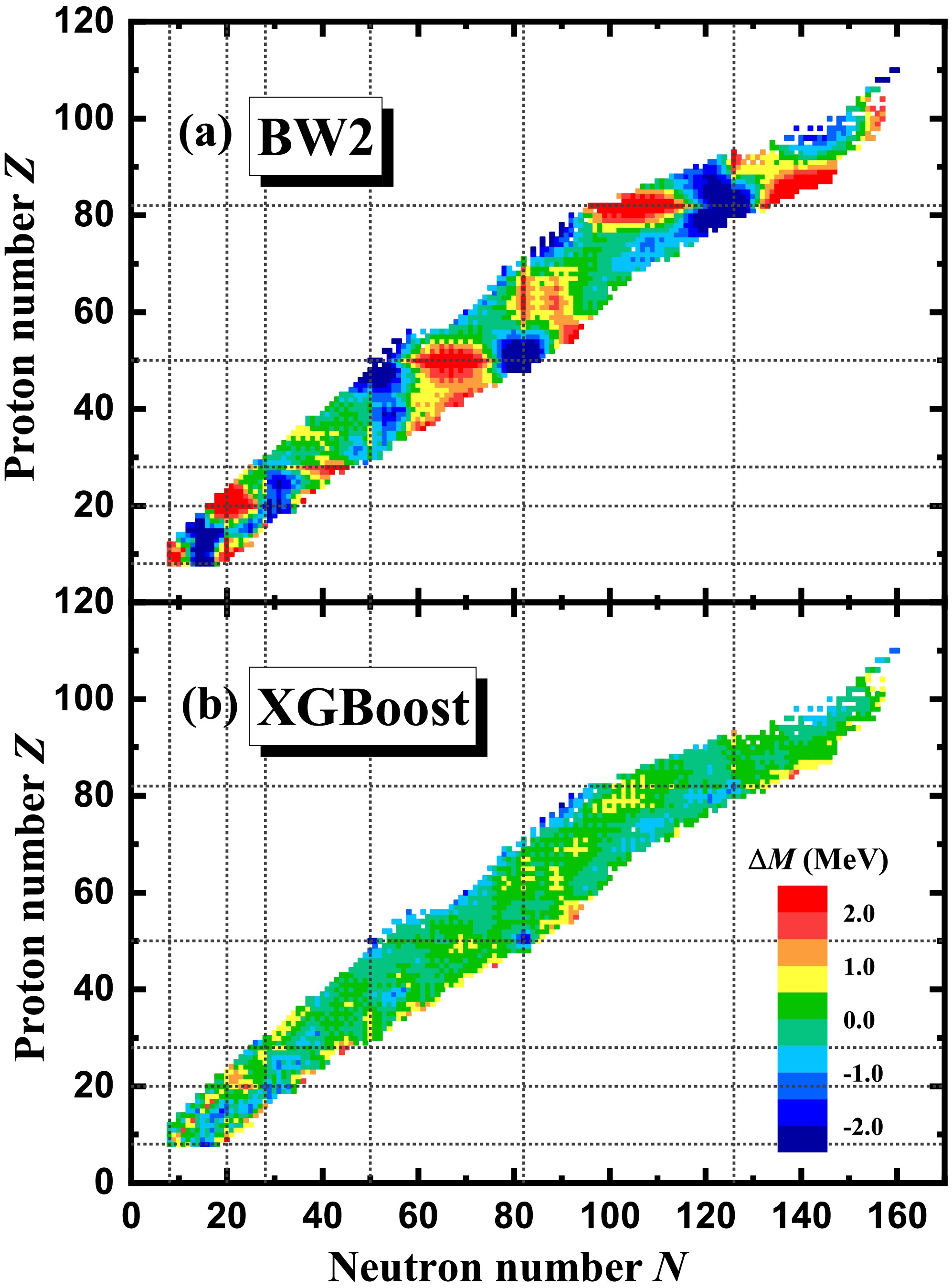
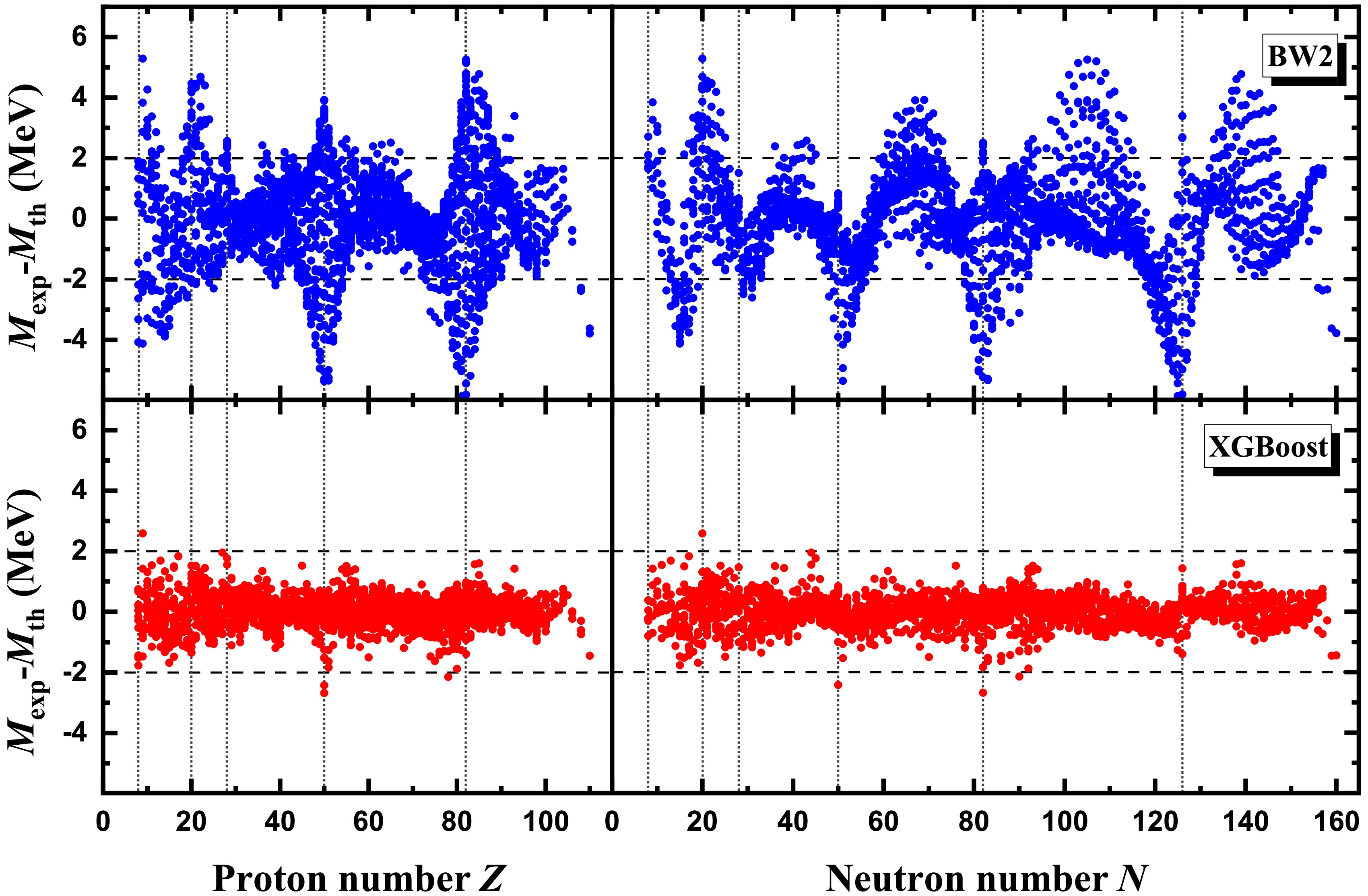
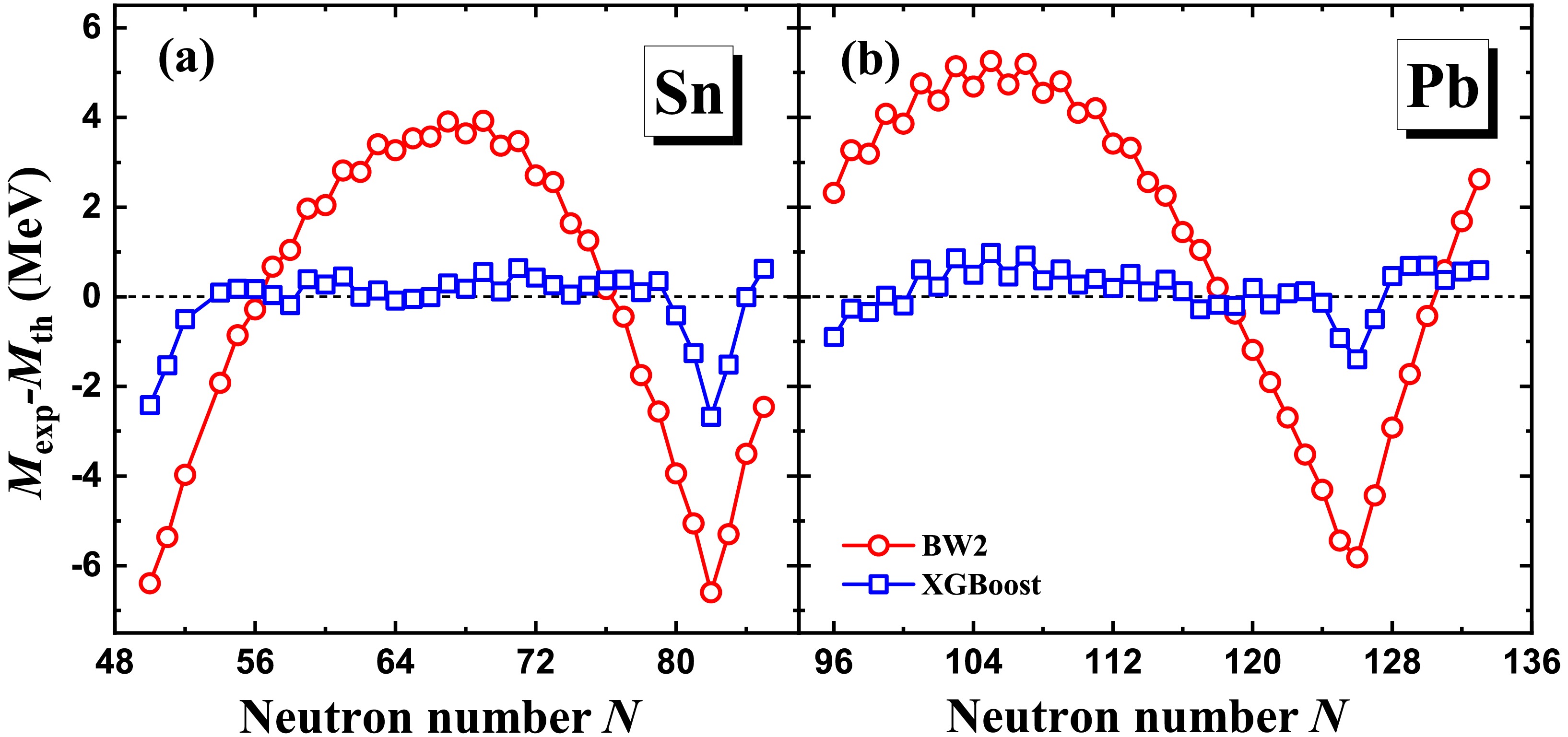
Nuclear masses are investigated for the first time using the eXtreme Gradient Boosting (XGBoost) method. Nucleon numbers, valence nucleon numbers, and physical quantities related to the magic number are used as input features for the decision tree, which learns the residuals of experimental binding energies with respect to the Bethe-Weizsäcker (BW2) formula predictions, and the XGBoost method can achieve high accuracy predictions of nuclear binding energy. For nuclear masses of magic number nuclei with prediction challenges, XGBoost can better capture the physical information associated with the magic number compared to that using BW2, and the root mean square deviation of its predicted nuclear mass ranges from 2.769 to 0.732 MeV. Comparing the results of BW2* and XGBoost* with the pseudo-experimental data of Finite-Range Droplet Model (FRDM12) suggests that the XGBoost* method may have better extrapolation abilities.
Nuclear masses are investigated for the first time using the eXtreme Gradient Boosting (XGBoost) method. Nucleon numbers, valence nucleon numbers, and physical quantities related to the magic number are used as input features for the decision tree, which learns the residuals of experimental binding energies with respect to the Bethe-Weizsäcker (BW2) formula predictions, and the XGBoost method can achieve high accuracy predictions of nuclear binding energy. For nuclear masses of magic number nuclei with prediction challenges, XGBoost can better capture the physical information associated with the magic number compared to that using BW2, and the root mean square deviation of its predicted nuclear mass ranges from 2.769 to 0.732 MeV. Comparing the results of BW2* and XGBoost* with the pseudo-experimental data of Finite-Range Droplet Model (FRDM12) suggests that the XGBoost* method may have better extrapolation abilities.


2026, 50(4): 044102. doi: 10.1088/1674-1137/ae2ab1
Abstract:
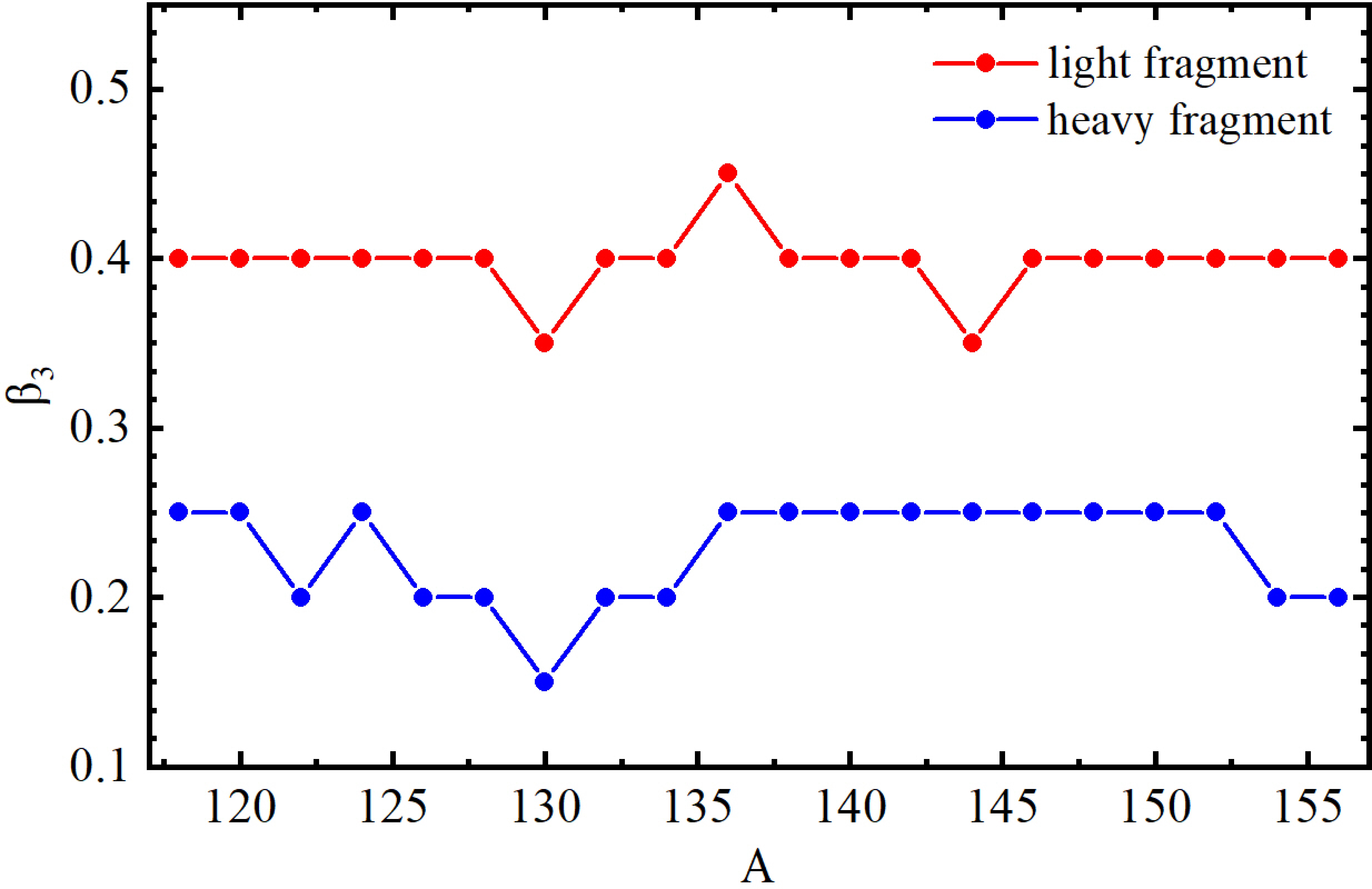
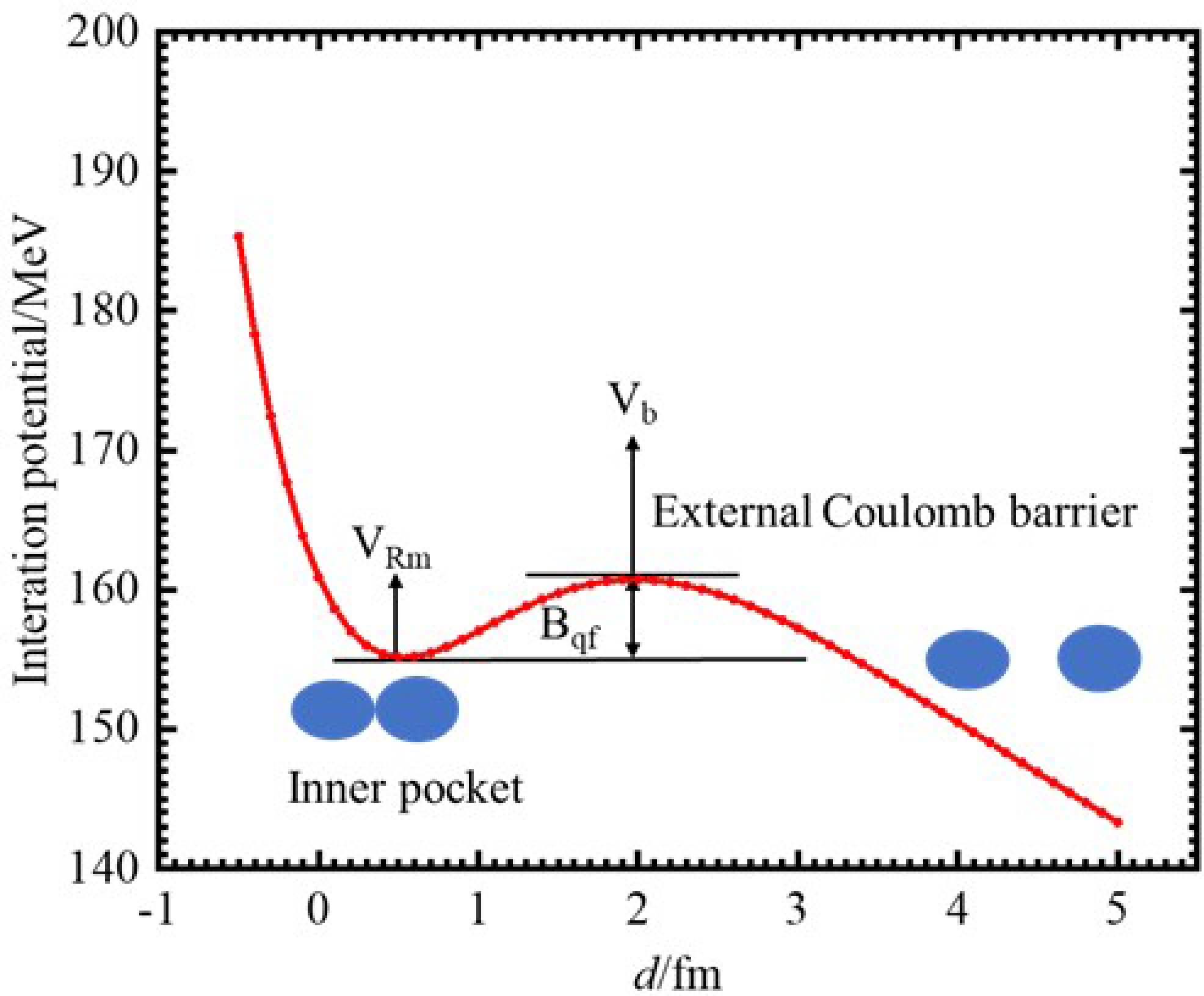
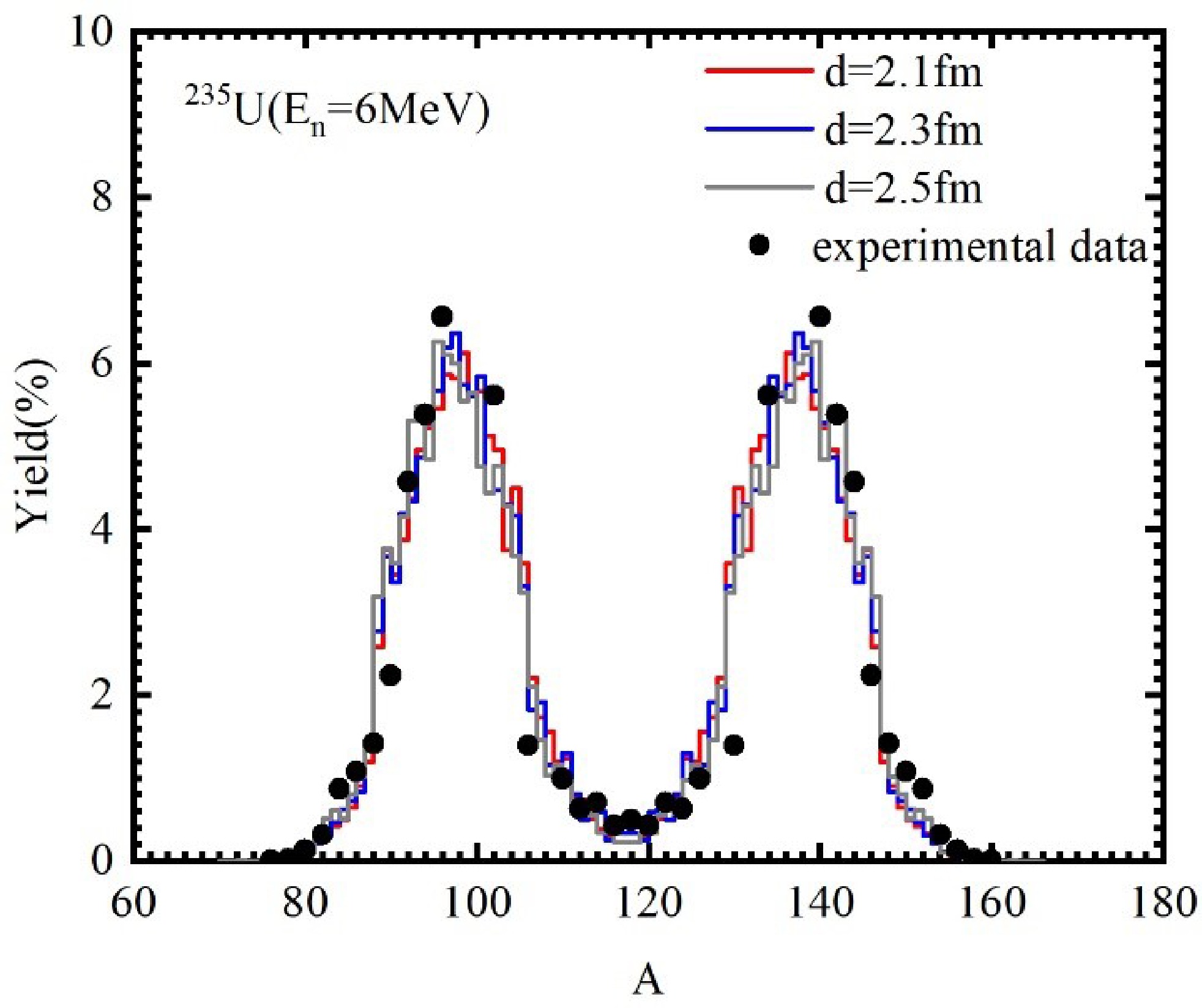
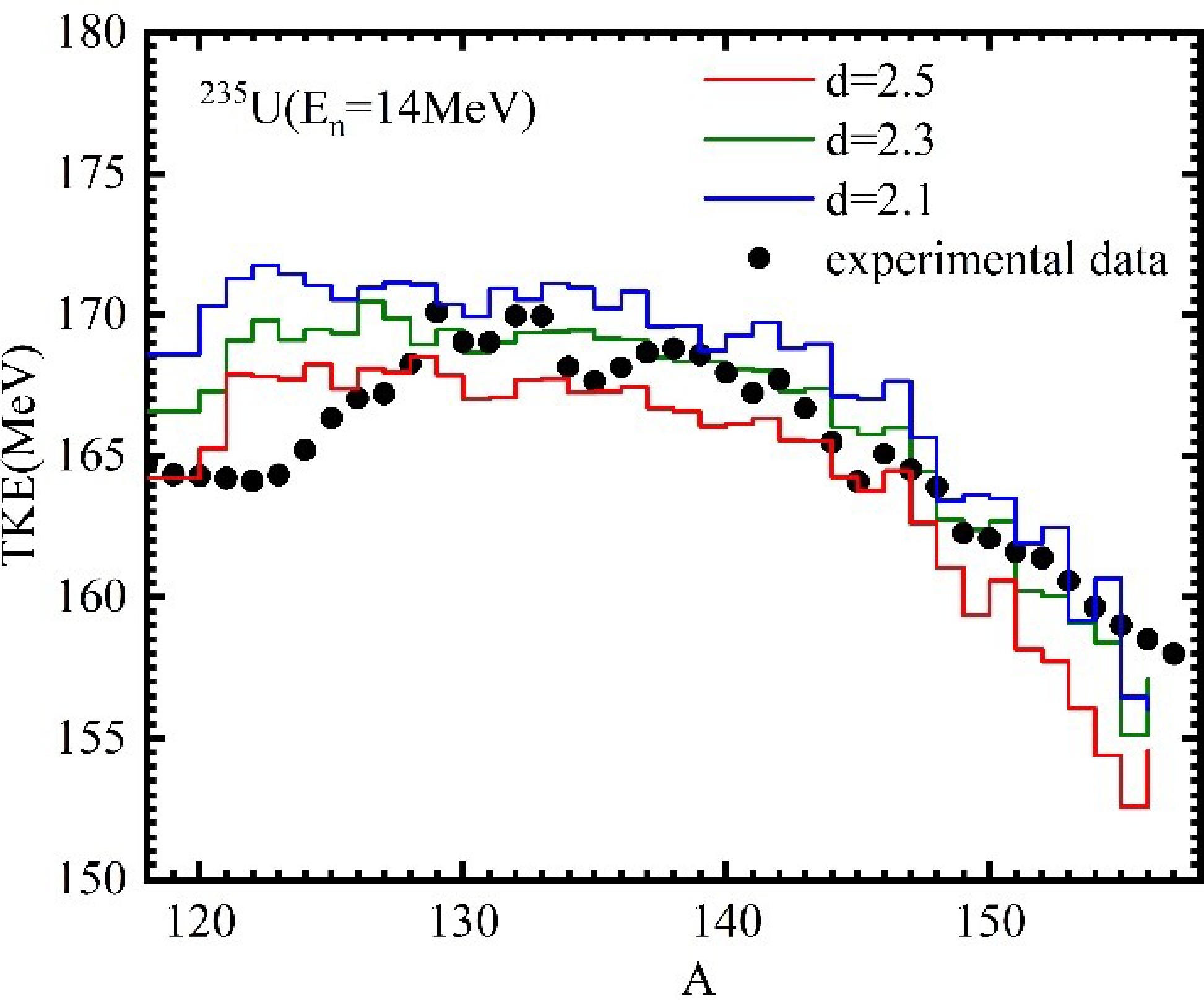
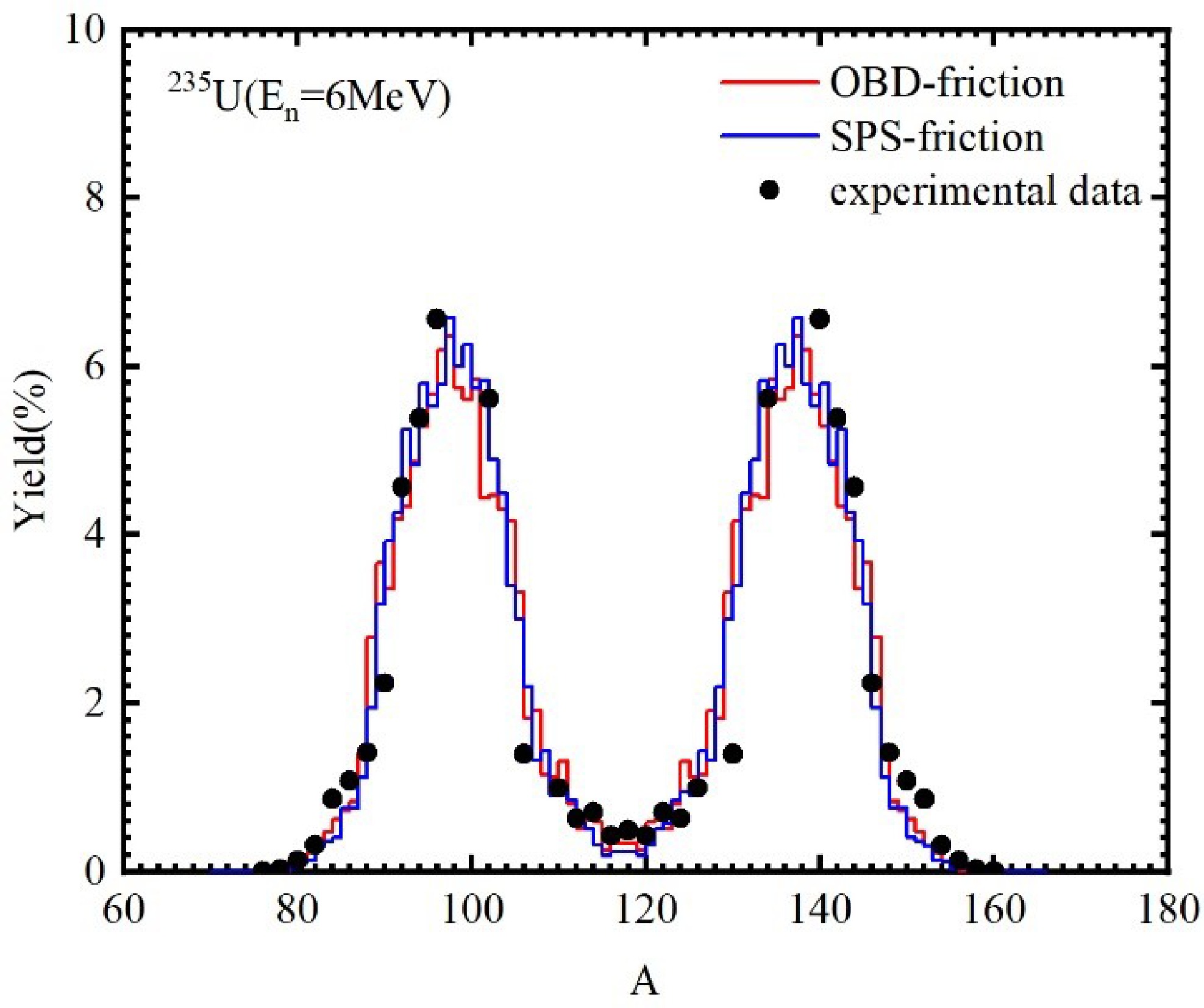
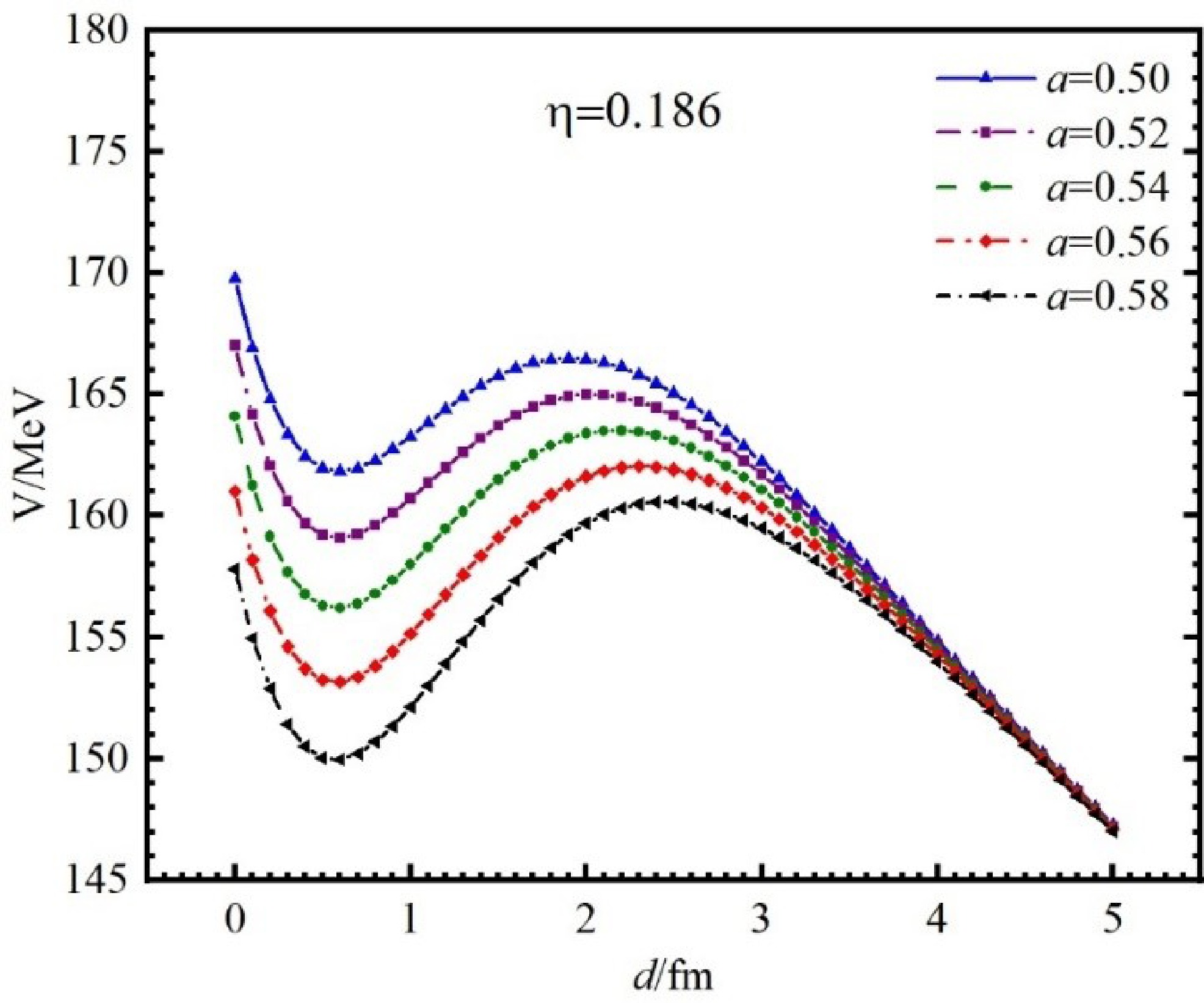
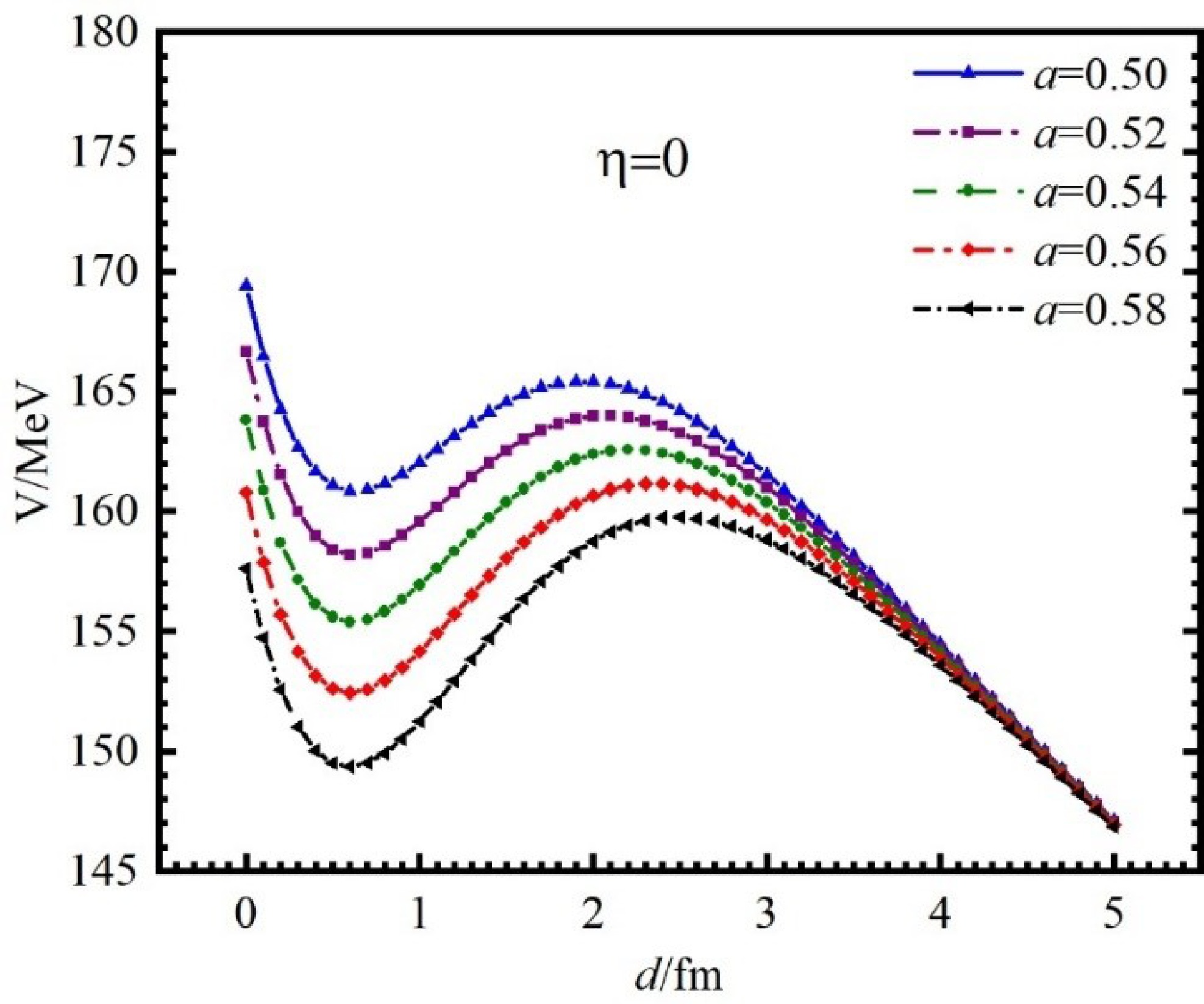
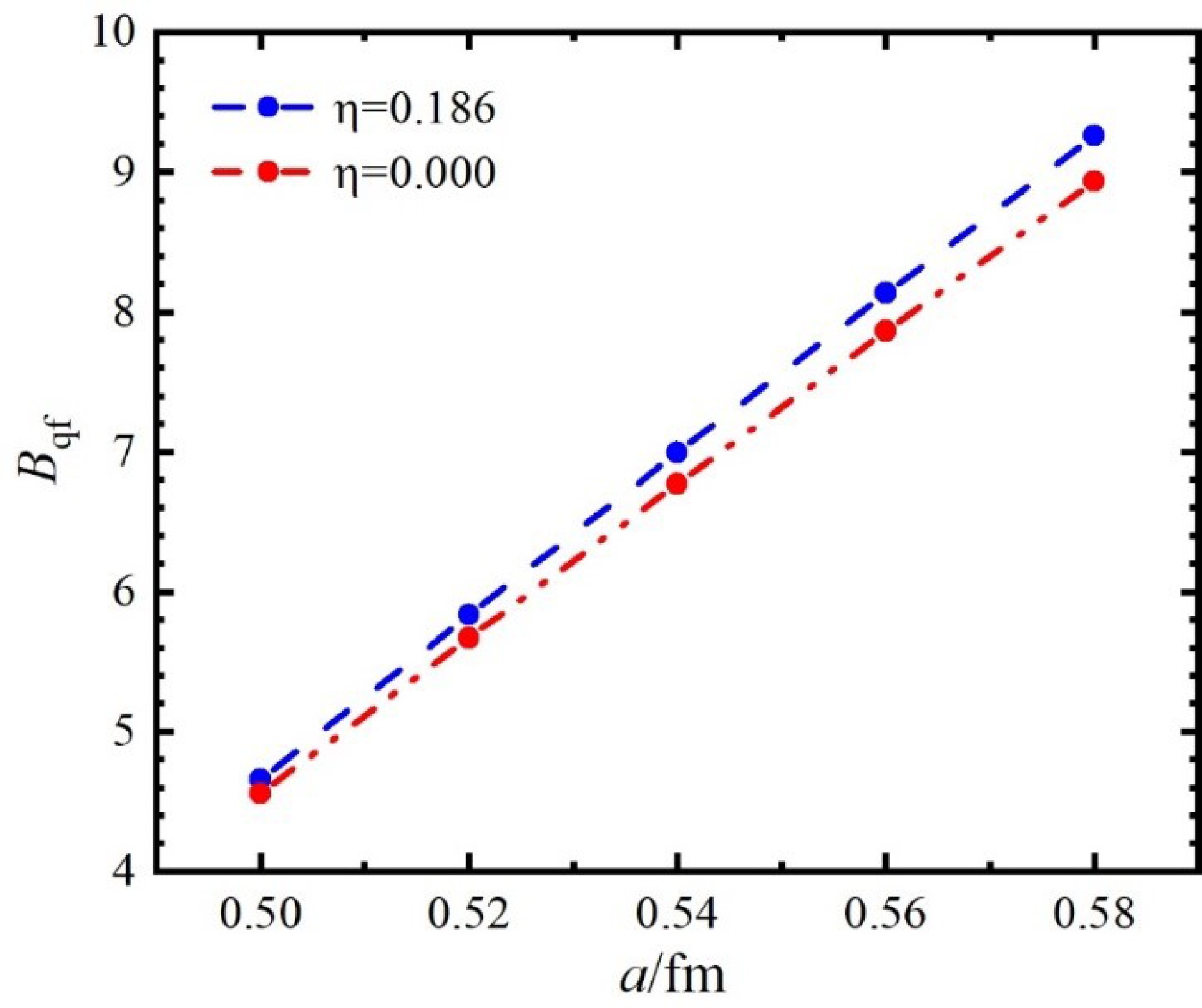
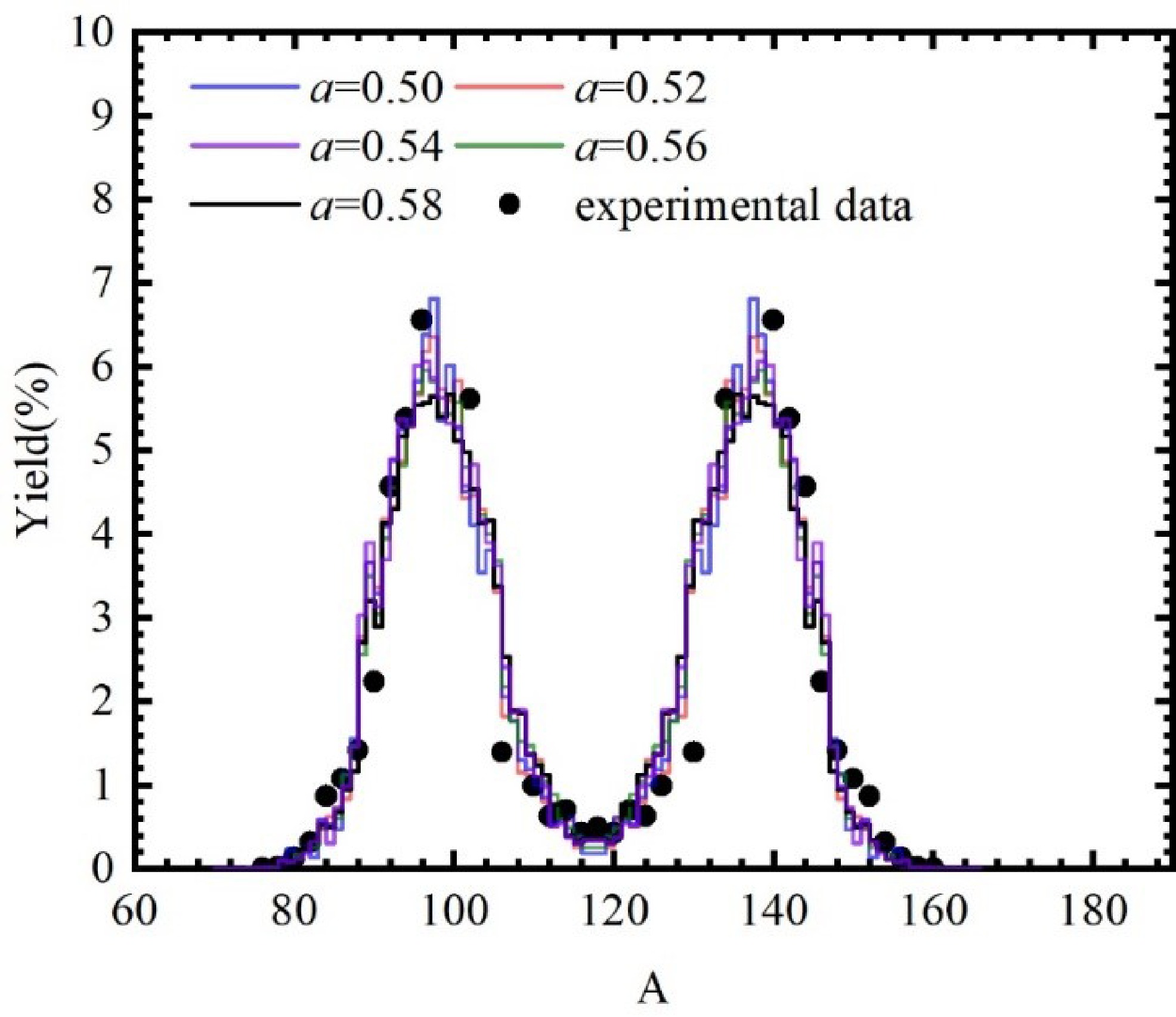
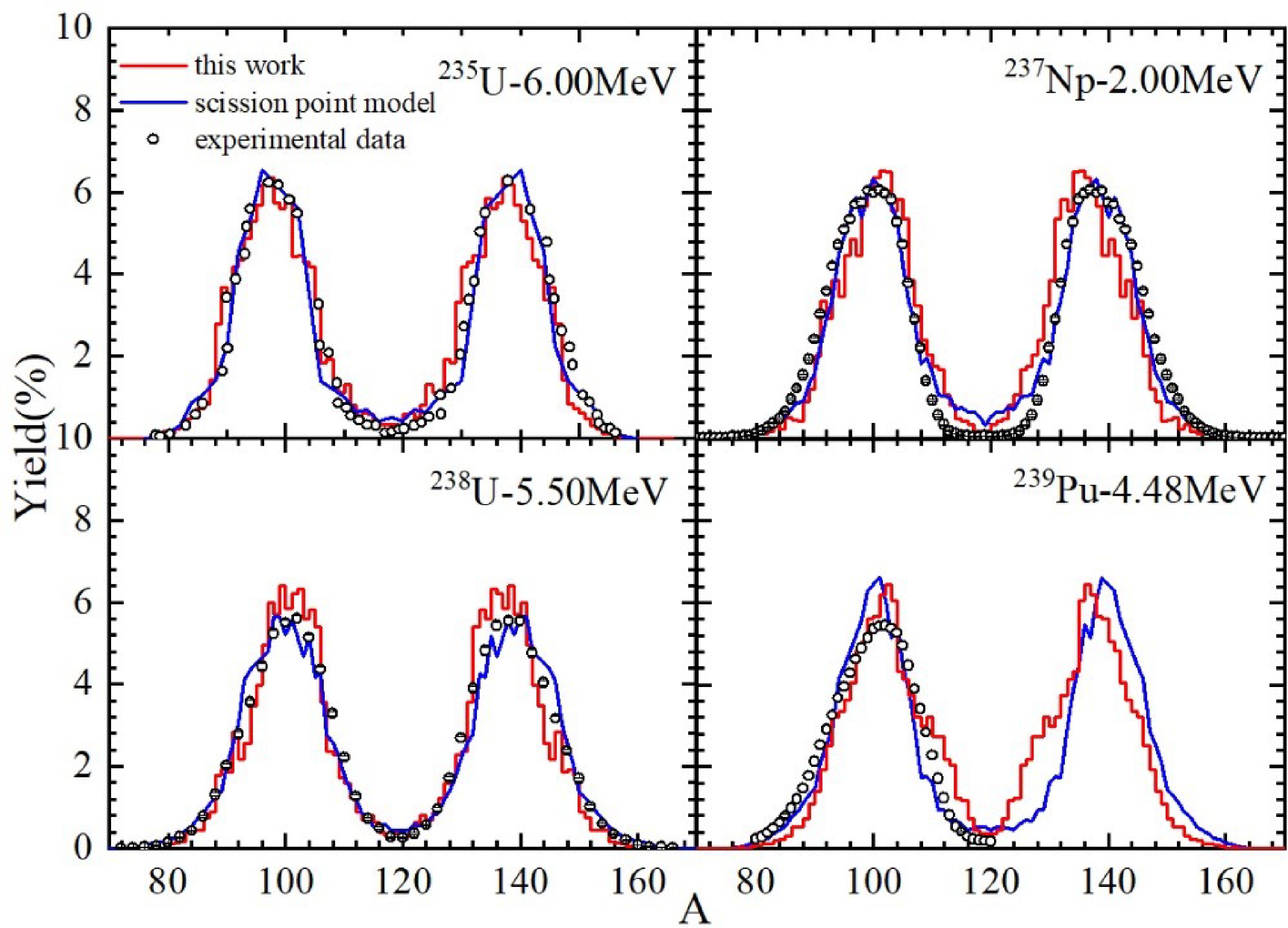
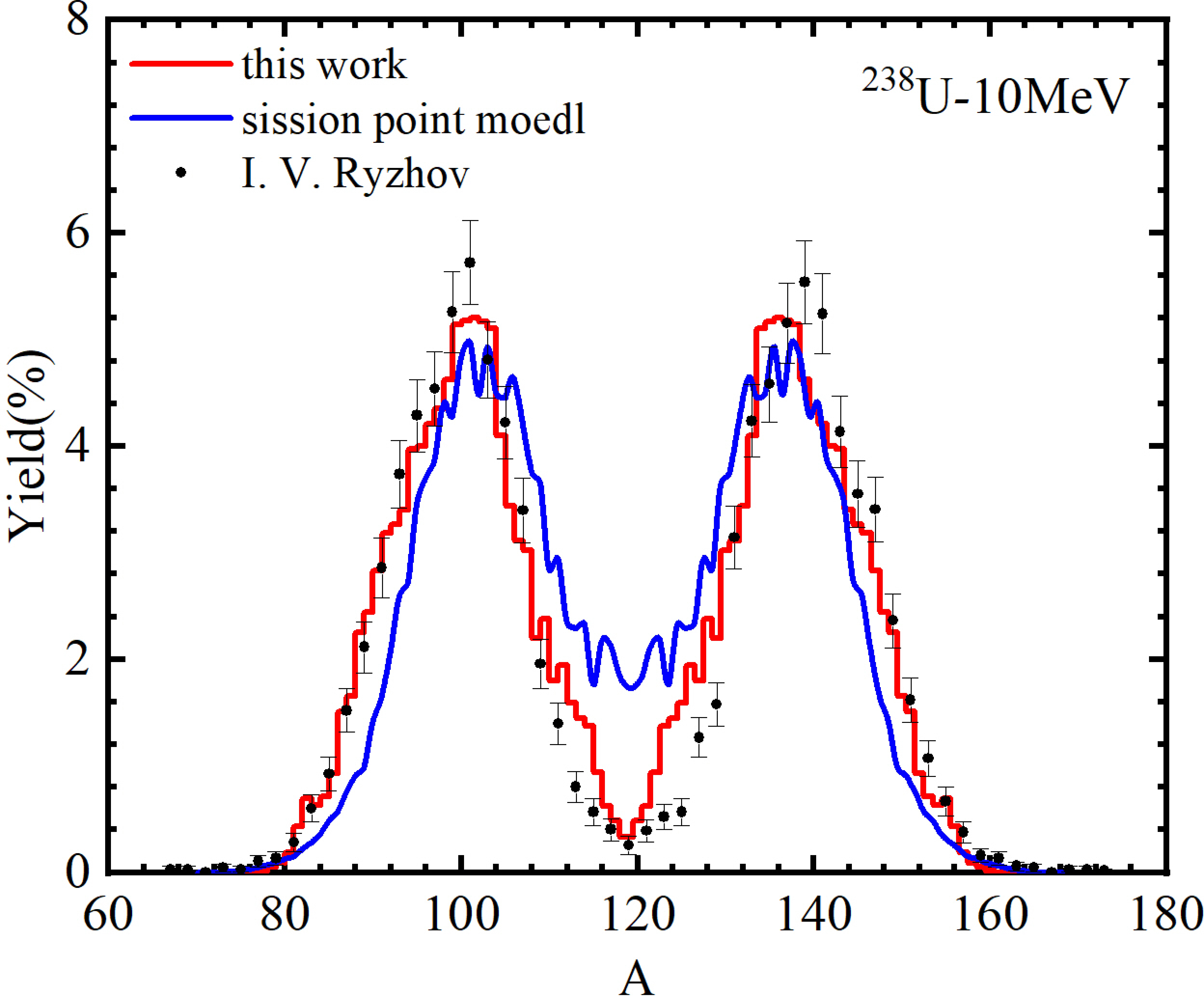
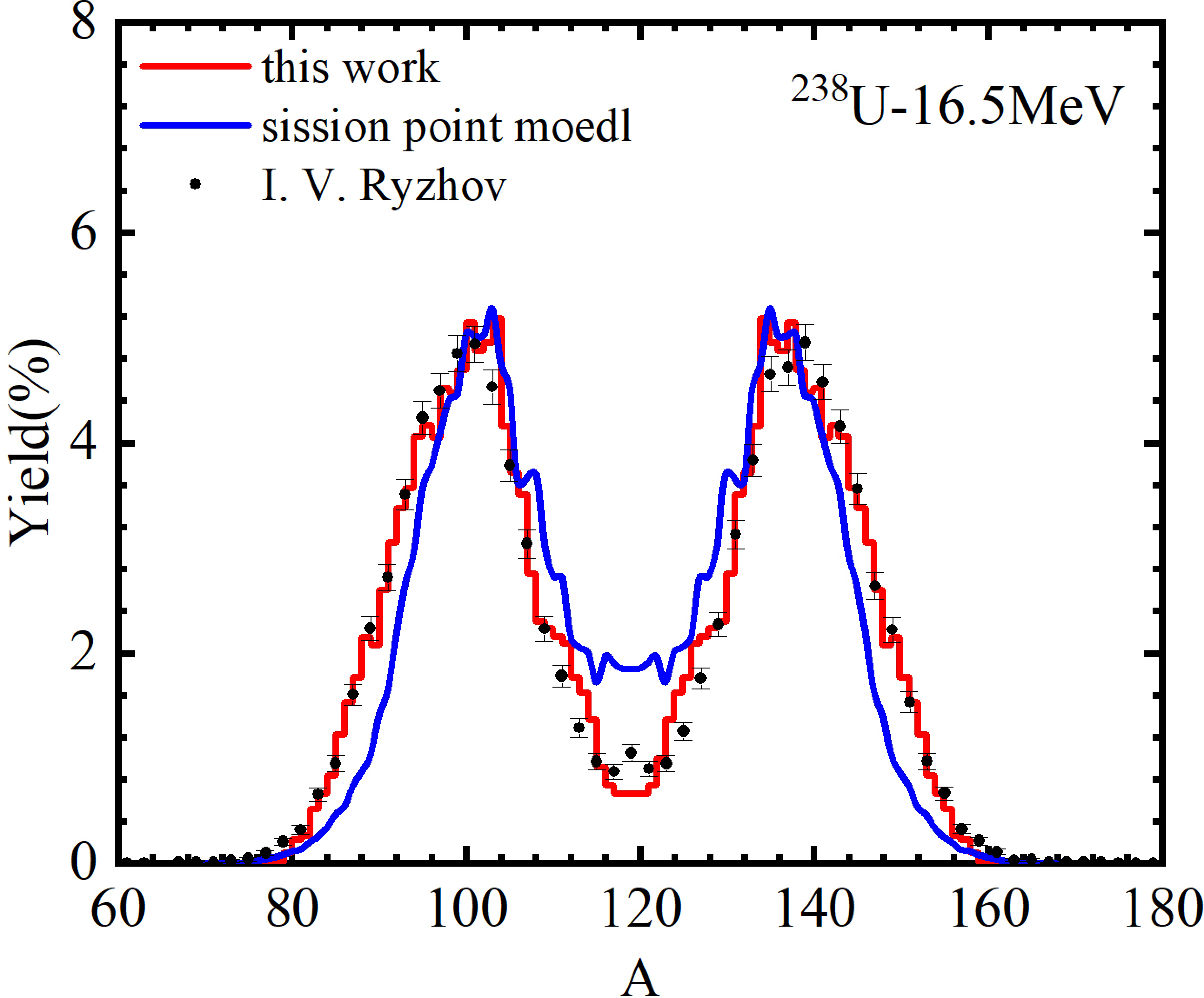
A scission point model with dynamical effects under the assumption of the Smoluchowski limit of strong coupling governs the final mass distribution that is in remarkable agreement with experimental data. This study investigates the sensitivity of mass distribution and mean total kinetic energy to various model components, including the scission point condition, dissipation tensor, and diffuseness width. The results of neutron-induced 235, 238U, 237Np, and 239Pu fission are consistent with the scission point statistical model. In the high-energy region, the calculation results of the dynamical method are in better agreement with the experimental data. This conclusion justifies the validity of using the strong coupling approach for neutron-induced actinides fission.
A scission point model with dynamical effects under the assumption of the Smoluchowski limit of strong coupling governs the final mass distribution that is in remarkable agreement with experimental data. This study investigates the sensitivity of mass distribution and mean total kinetic energy to various model components, including the scission point condition, dissipation tensor, and diffuseness width. The results of neutron-induced 235, 238U, 237Np, and 239Pu fission are consistent with the scission point statistical model. In the high-energy region, the calculation results of the dynamical method are in better agreement with the experimental data. This conclusion justifies the validity of using the strong coupling approach for neutron-induced actinides fission.
2026, 50(4): 044103. doi: 10.1088/1674-1137/ae3119
Abstract:
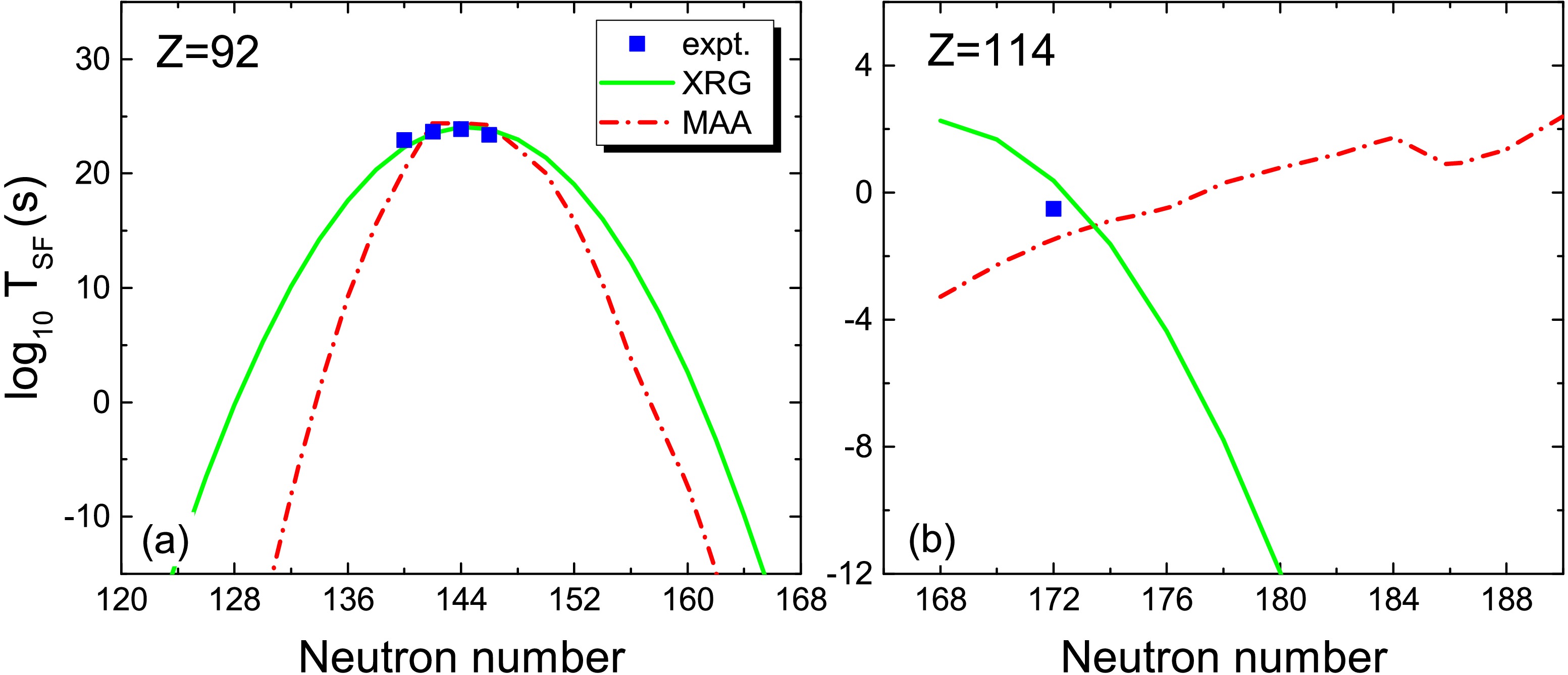
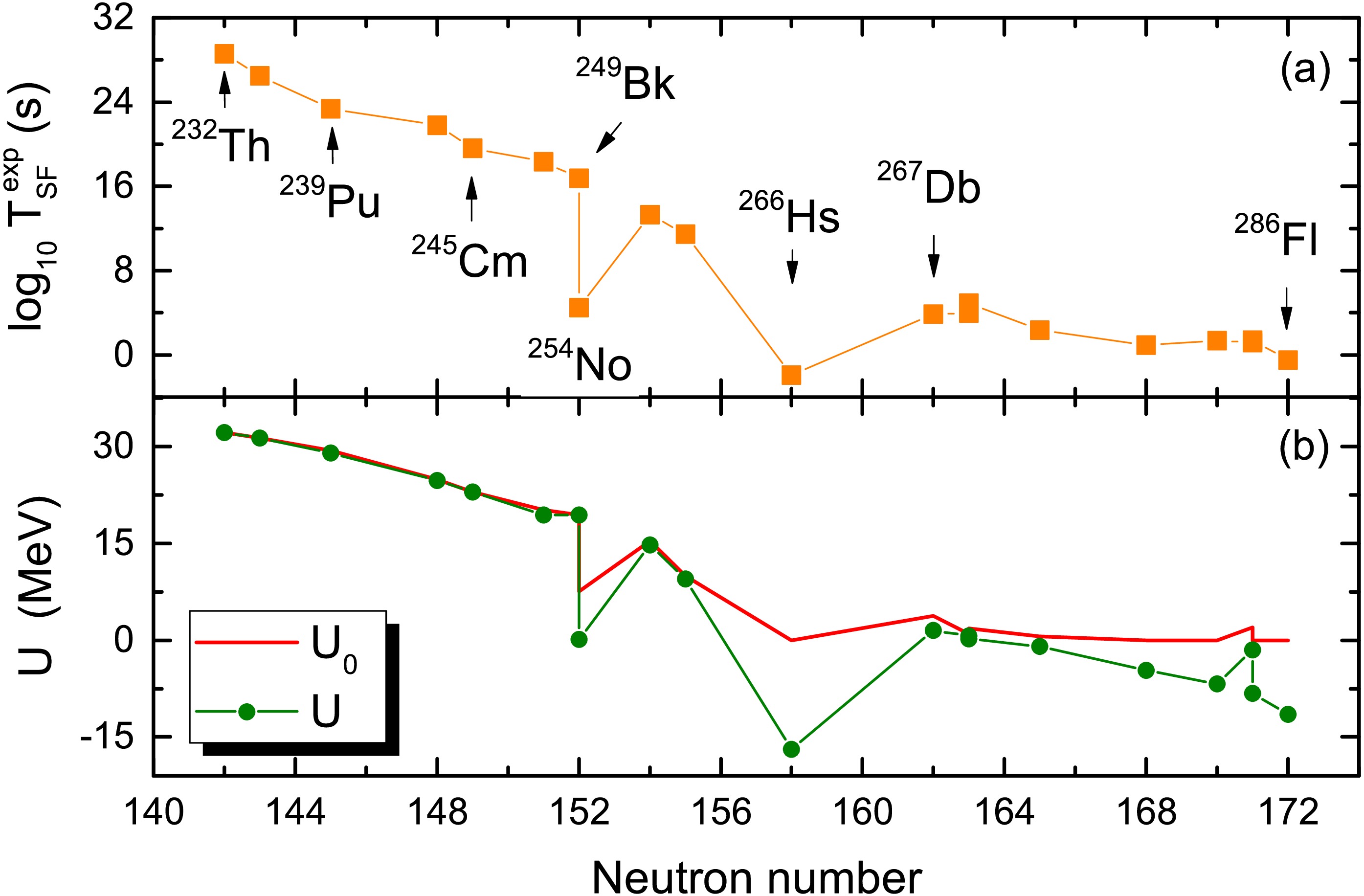
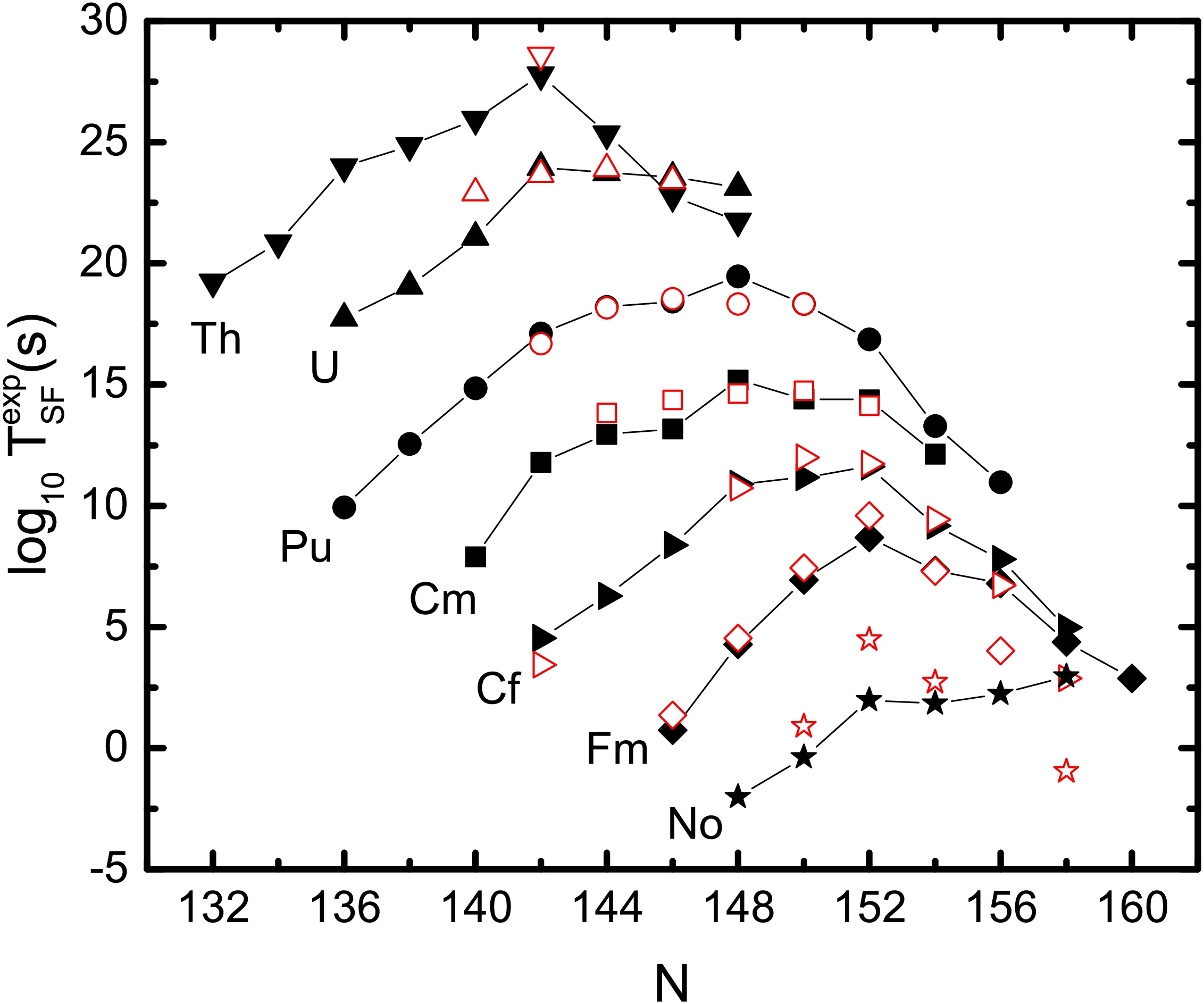
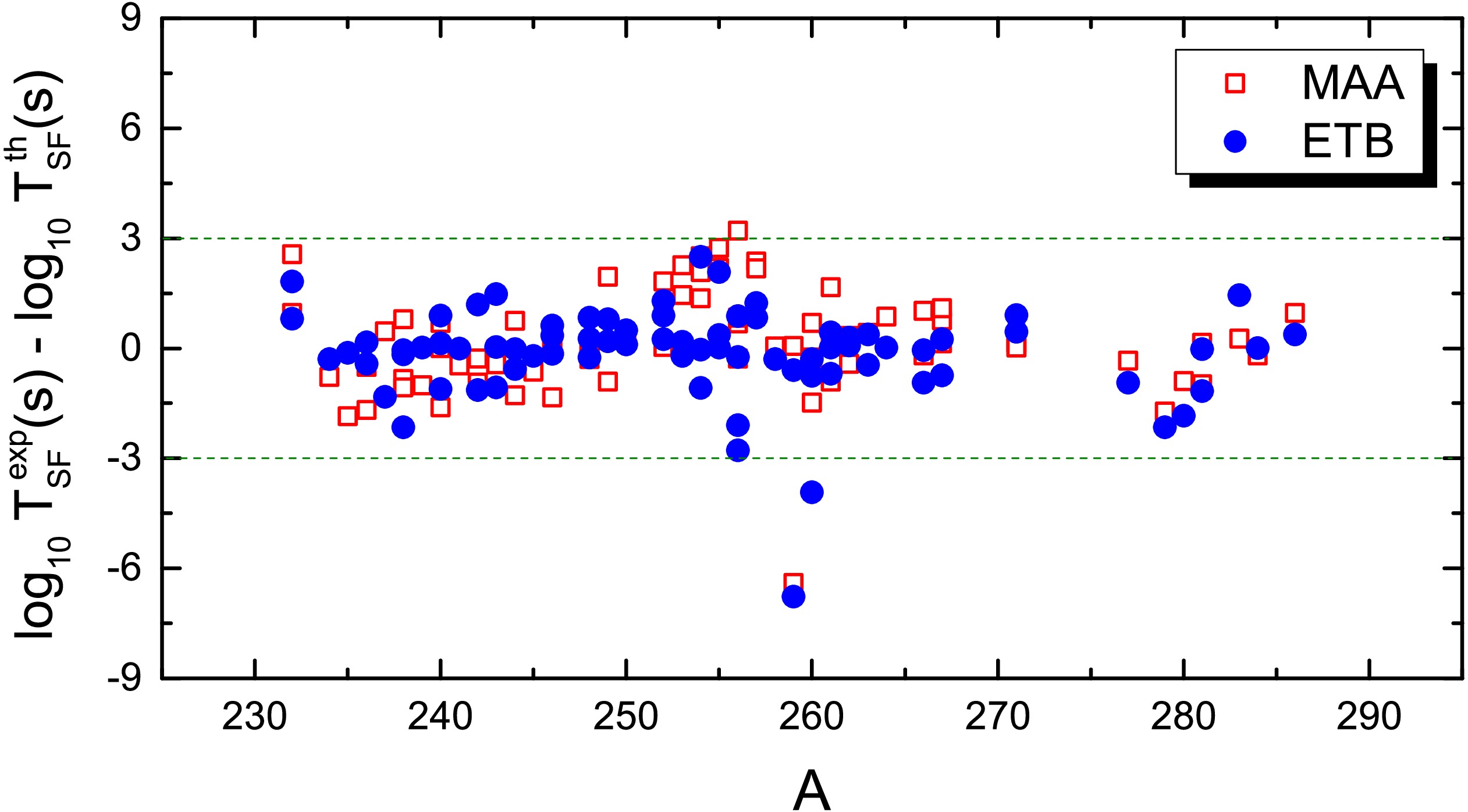
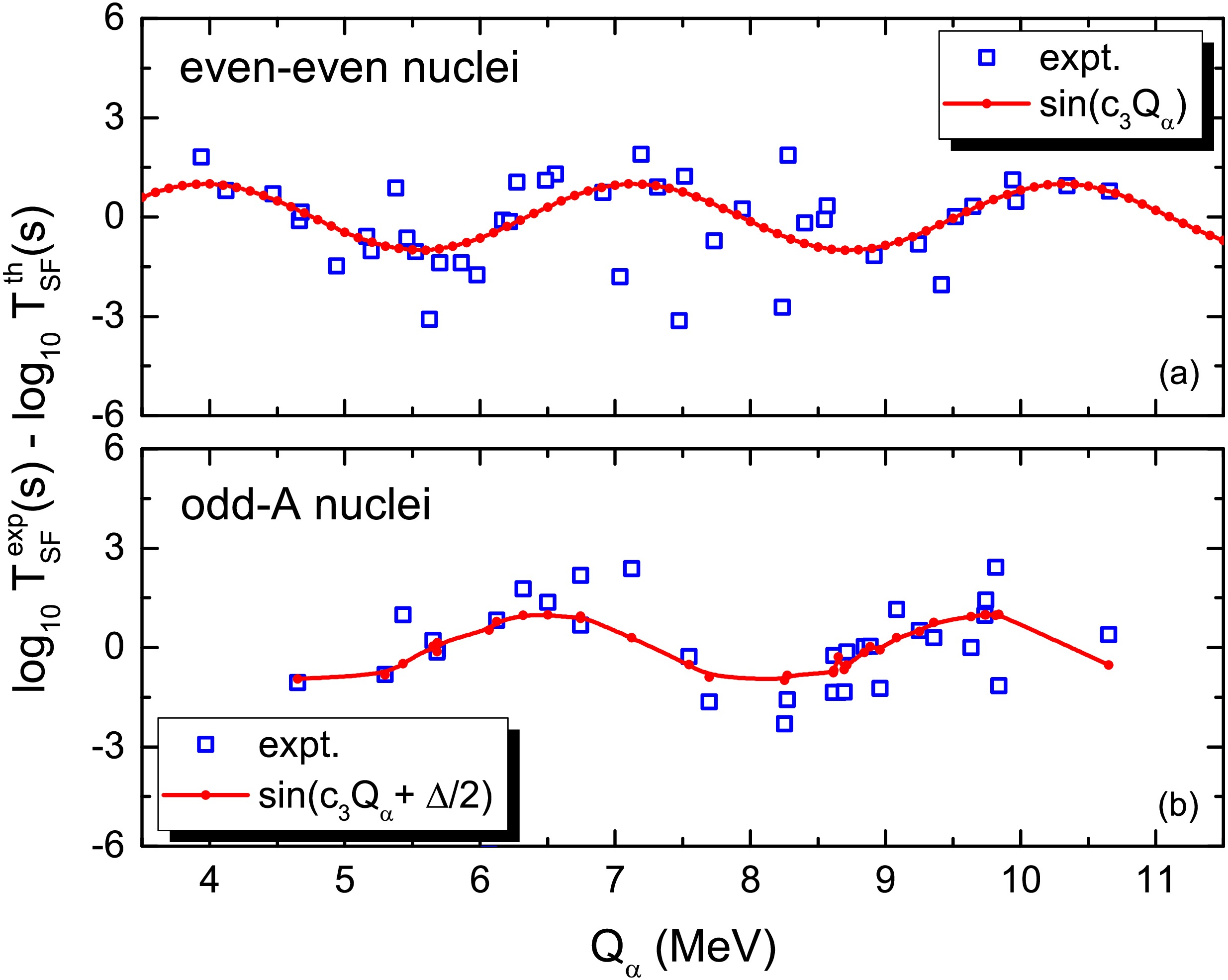
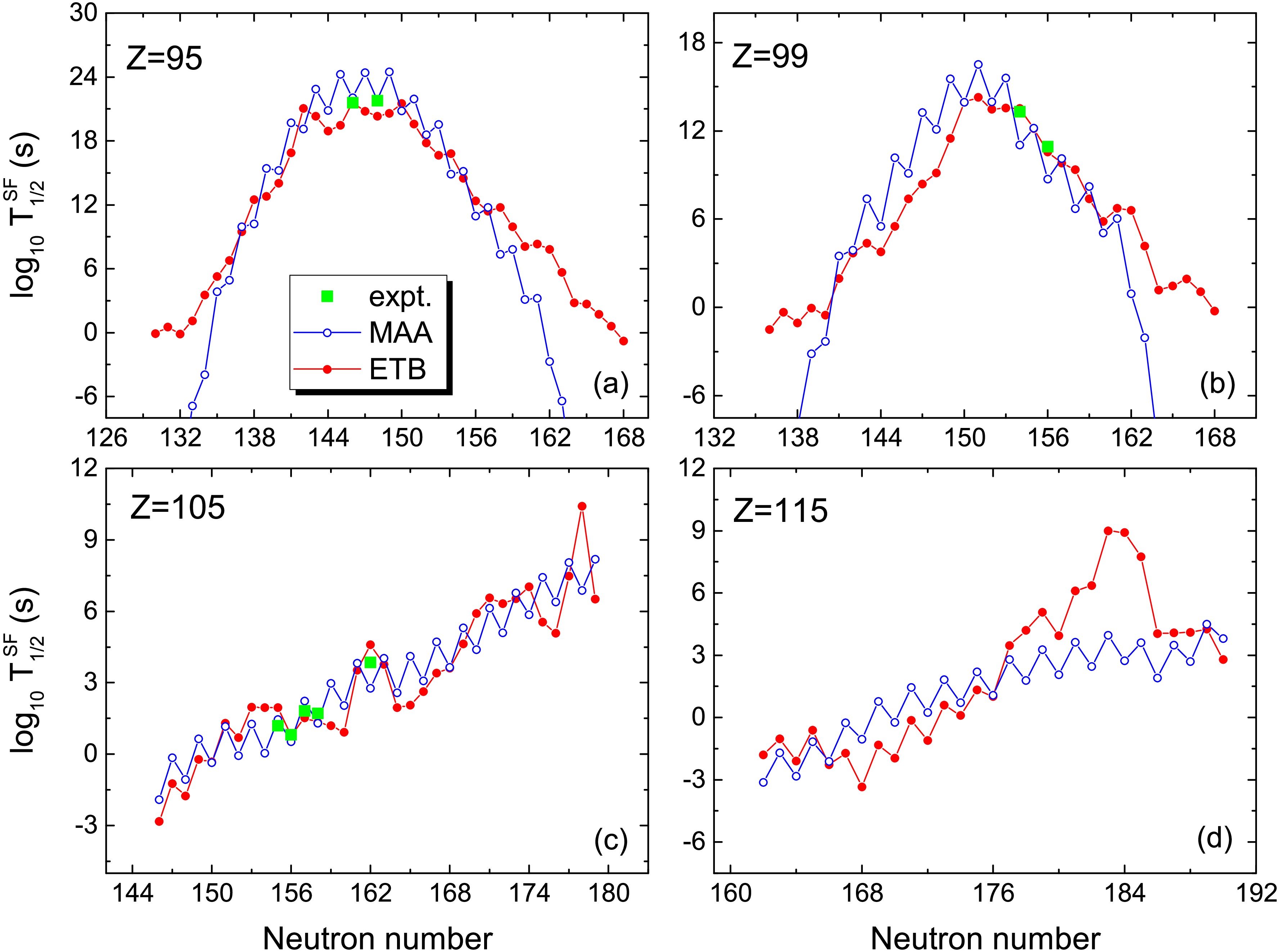
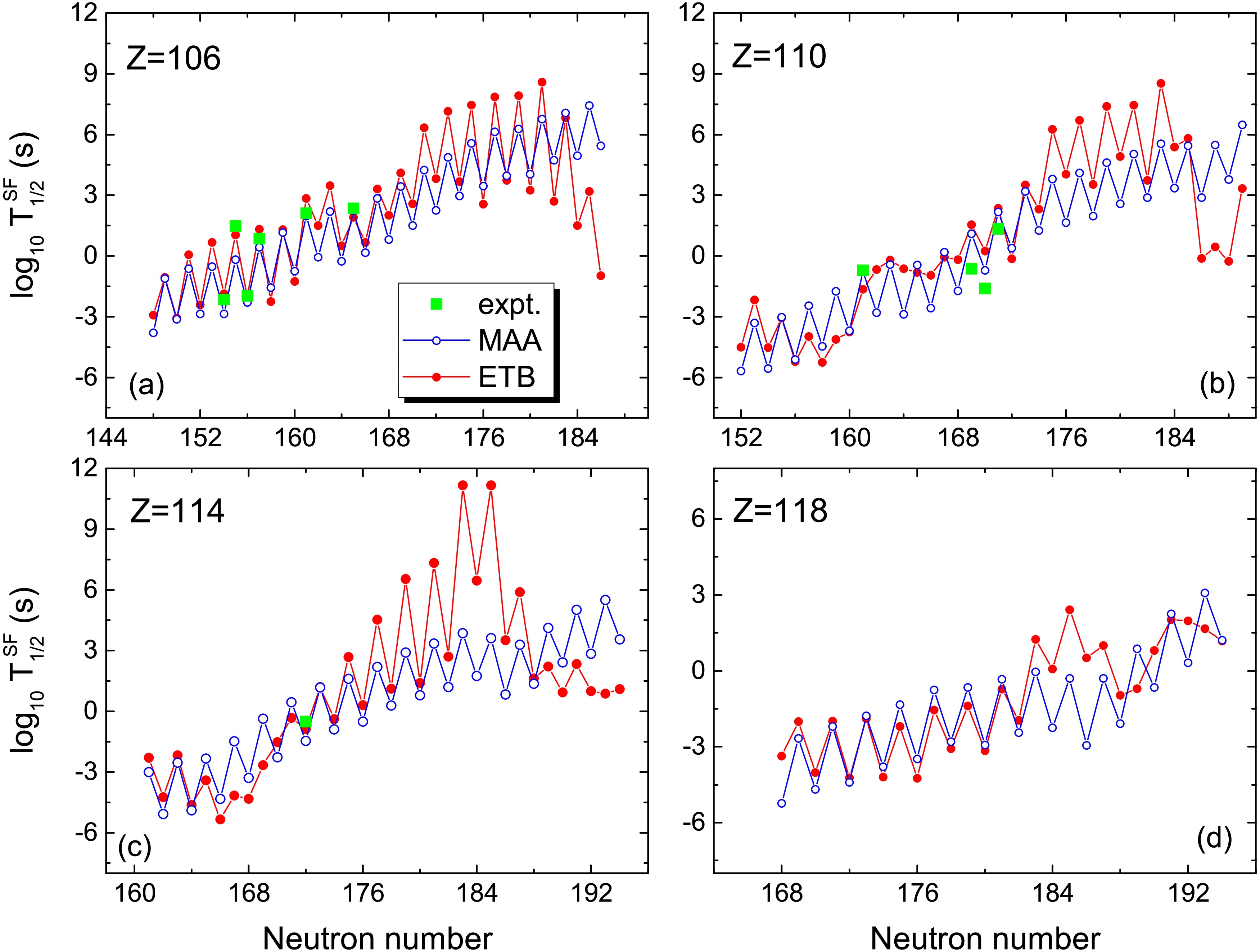
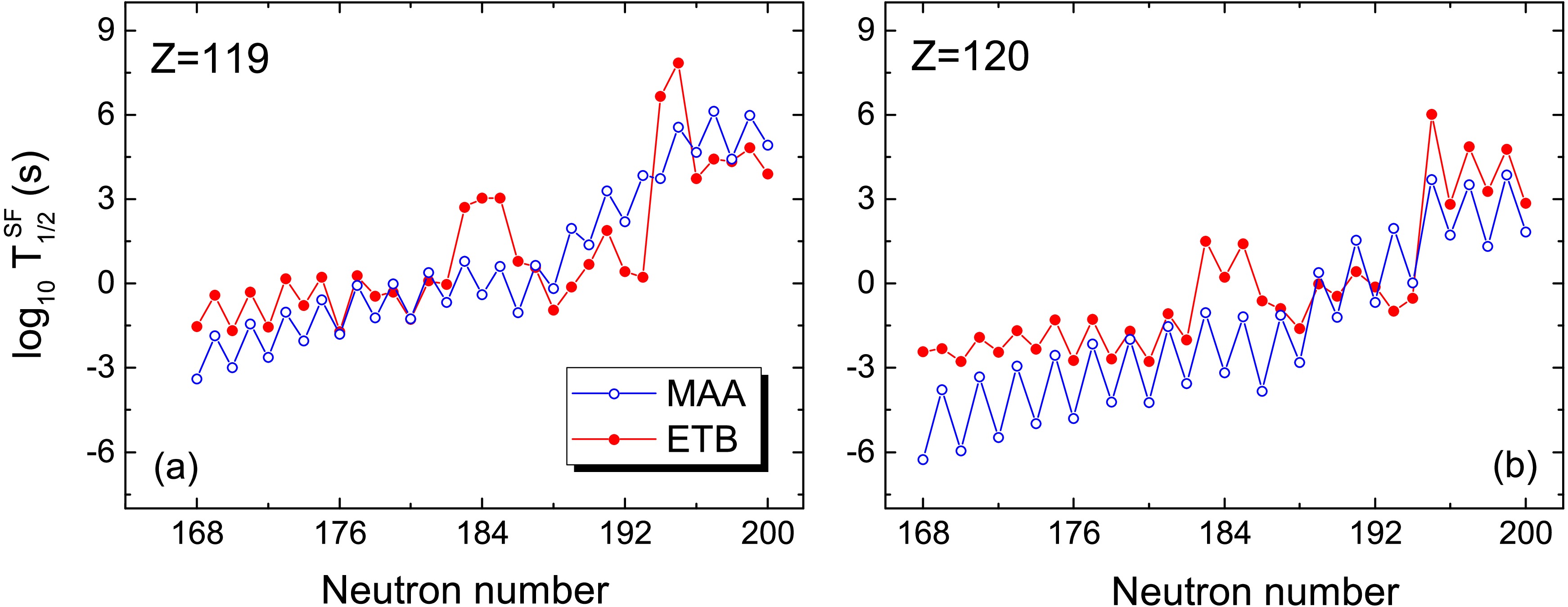
A phenomenological model is proposed for a systematic description of the spontaneous fission (SF) half-lives\begin{document}$T_{\rm SF}$\end{document} \begin{document}$17$\end{document} \begin{document}$45\leqslant N-Z \leqslant 61$\end{document} \begin{document}$N=184$\end{document} \begin{document}$T_{\rm SF}$\end{document} \begin{document}$^{304}$\end{document} \begin{document}$^{298}$\end{document} \begin{document}$10 \sim 160$\end{document} \begin{document}$T_{\rm SF}$\end{document} \begin{document}$^{293}119 $\end{document}
A phenomenological model is proposed for a systematic description of the spontaneous fission (SF) half-lives
2026, 50(4): 044104. doi: 10.1088/1674-1137/ae28ec
Abstract:
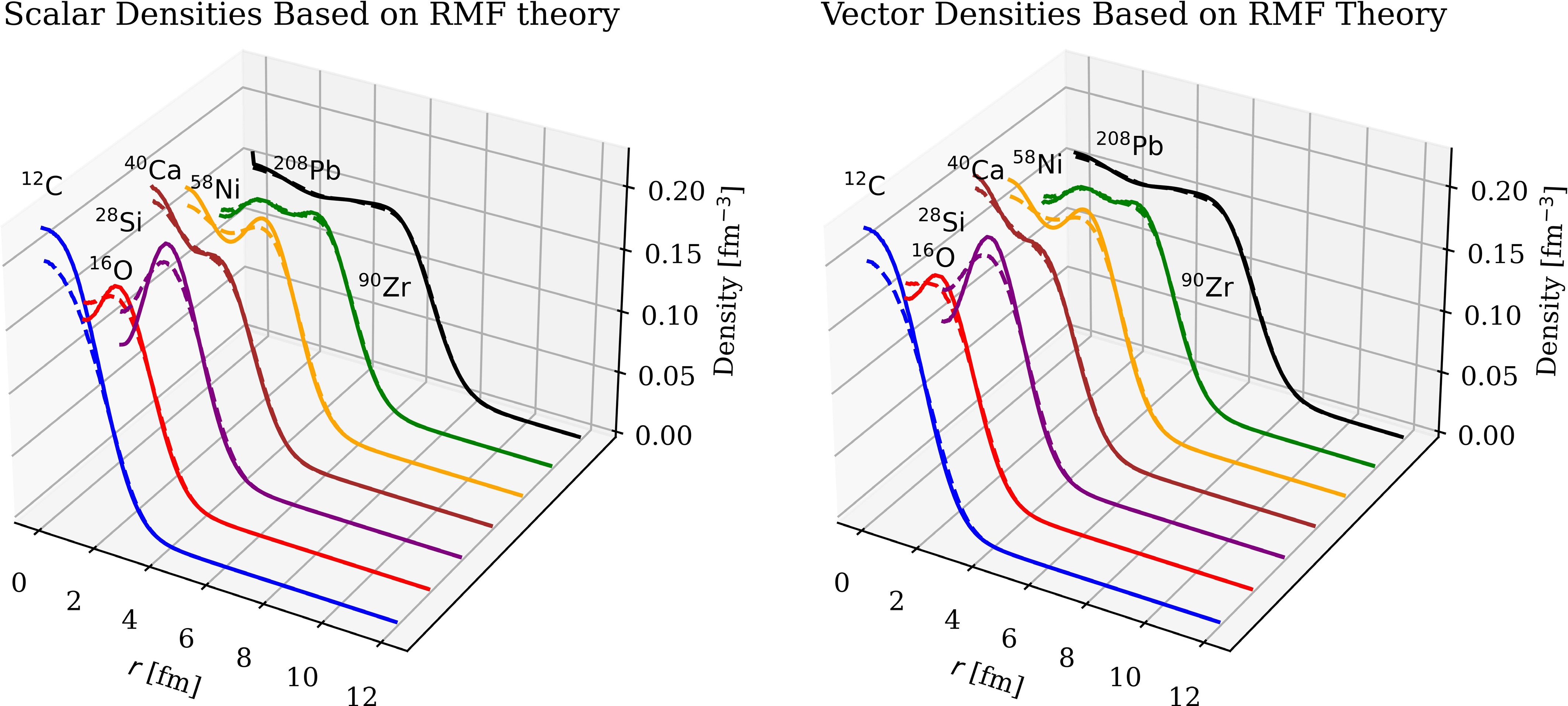
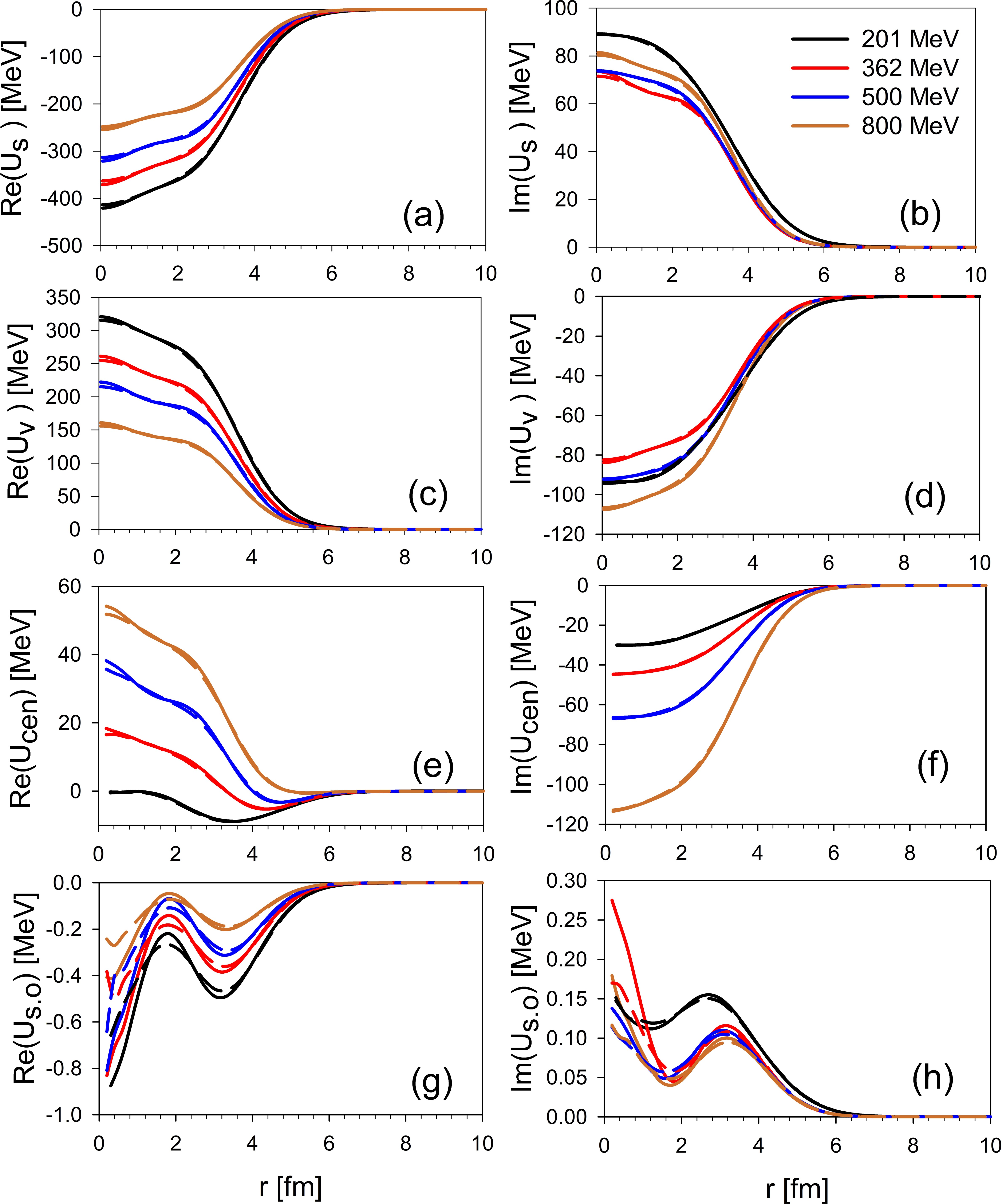
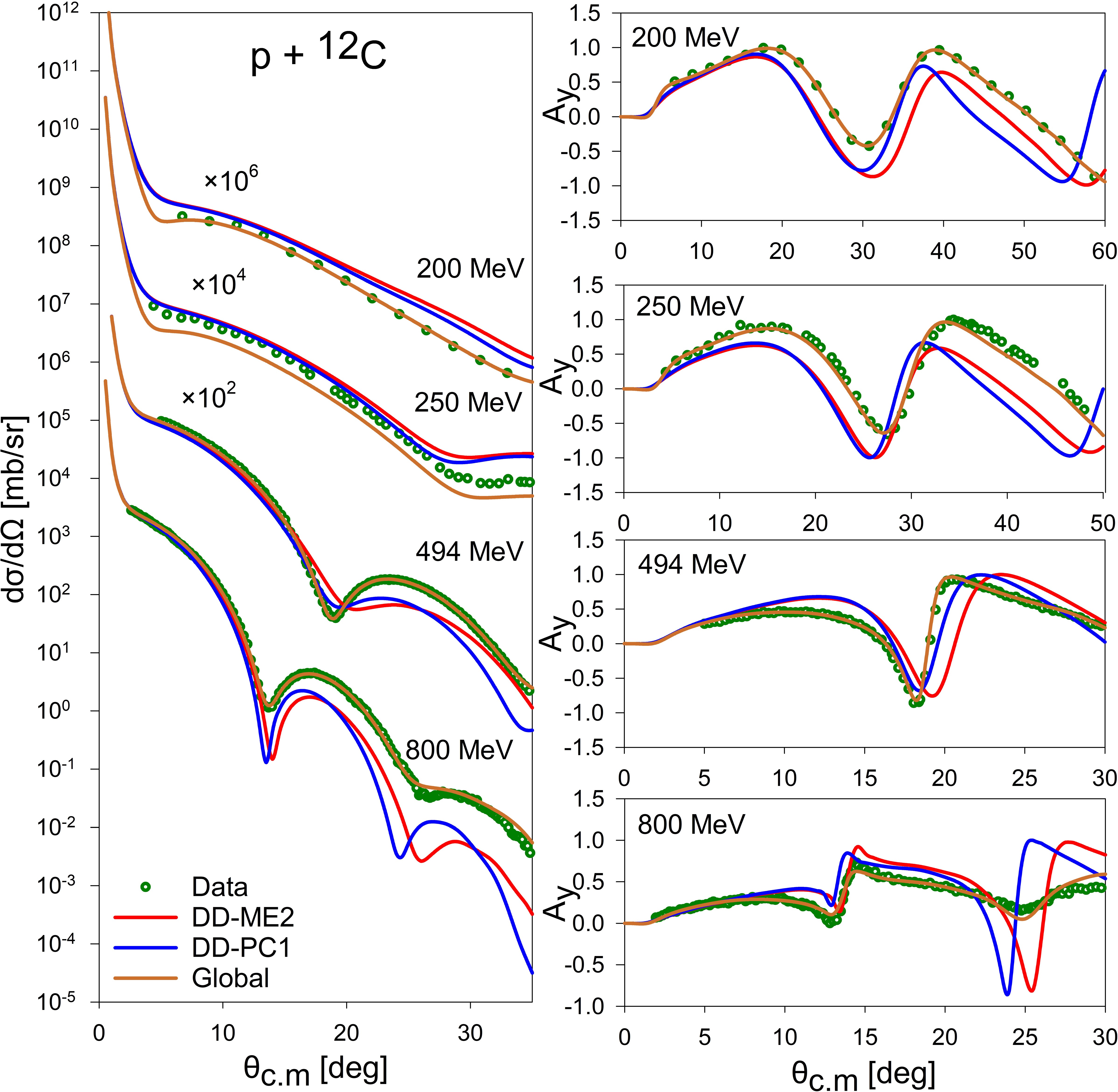
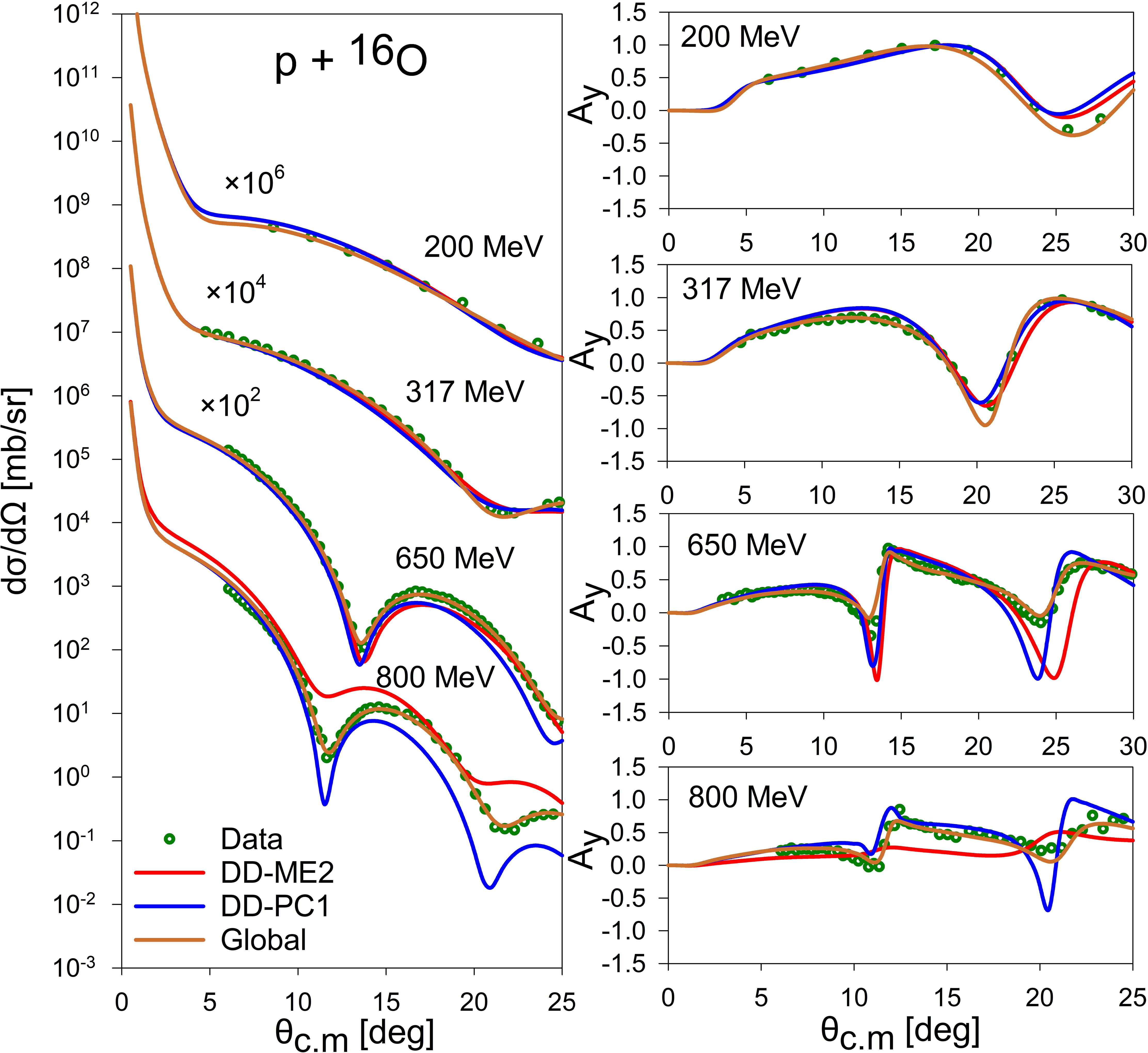
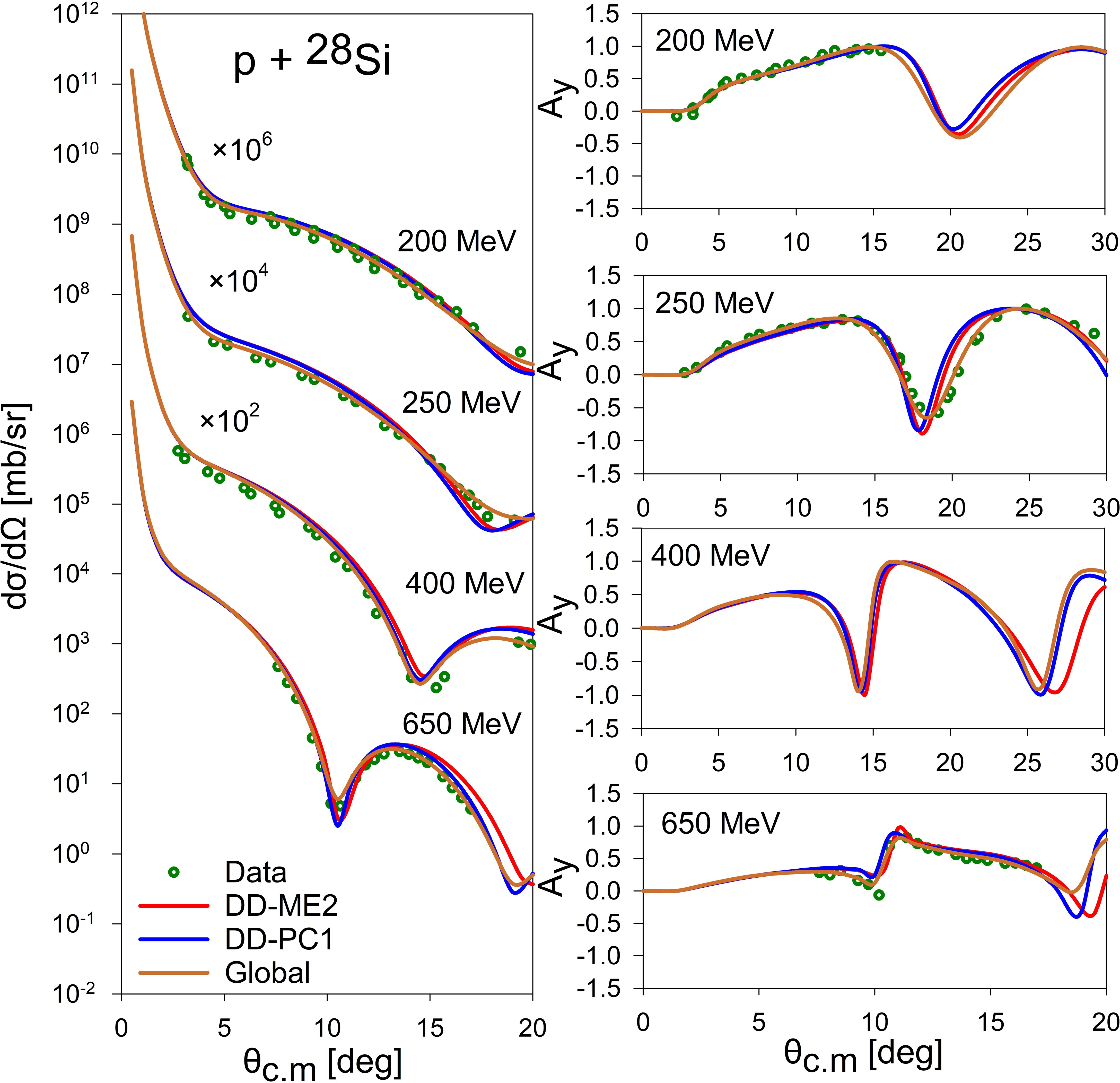
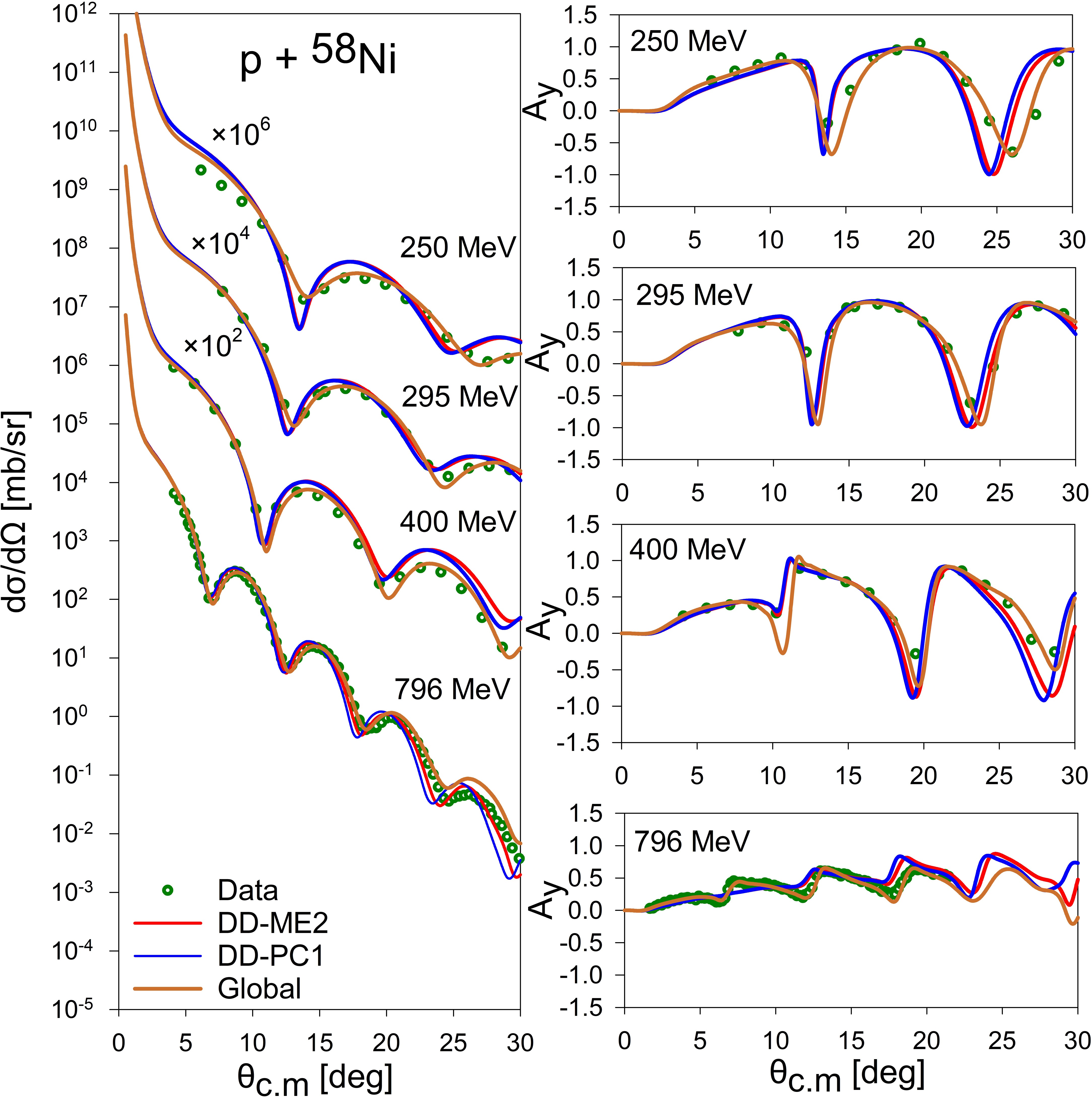
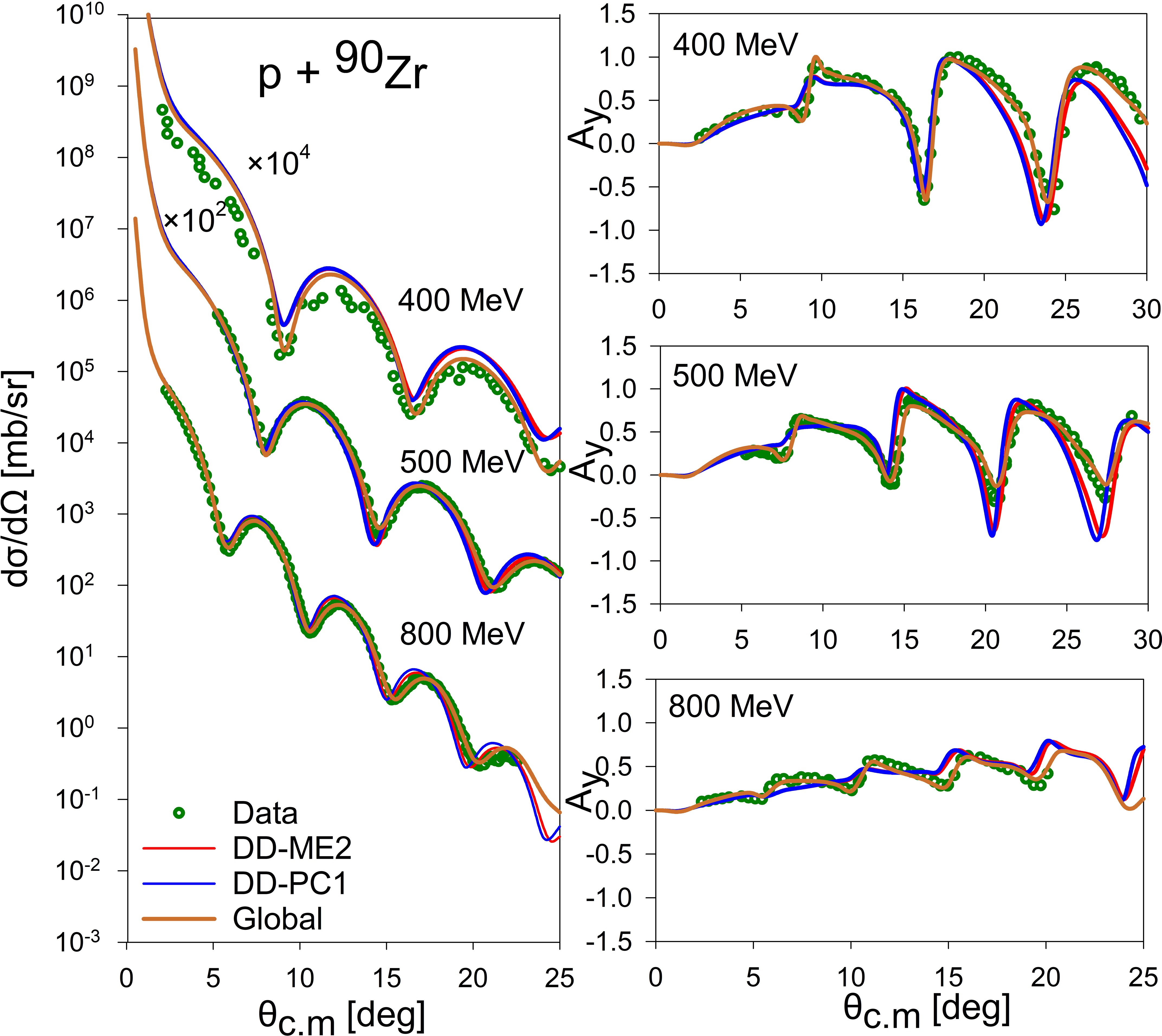
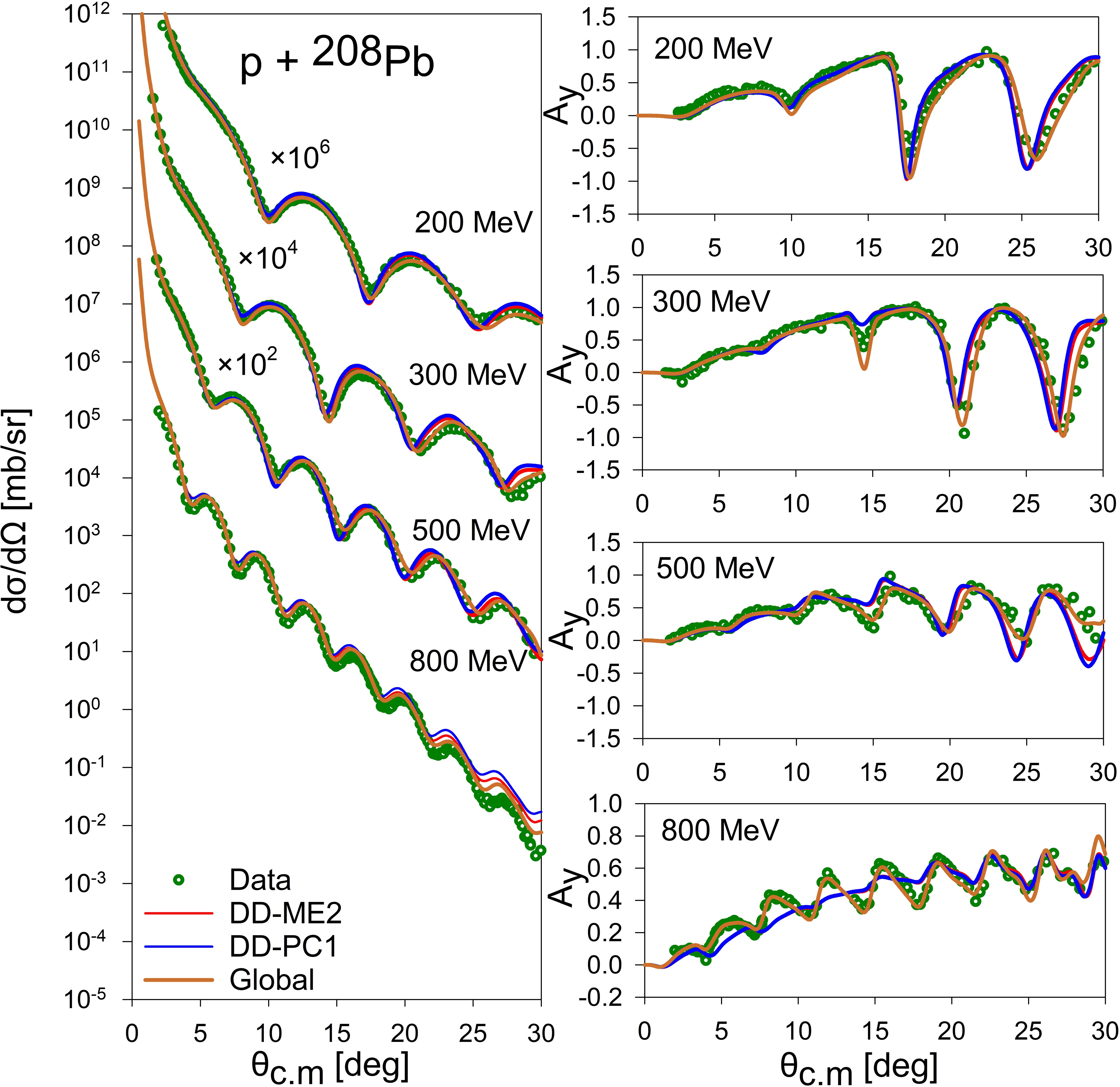
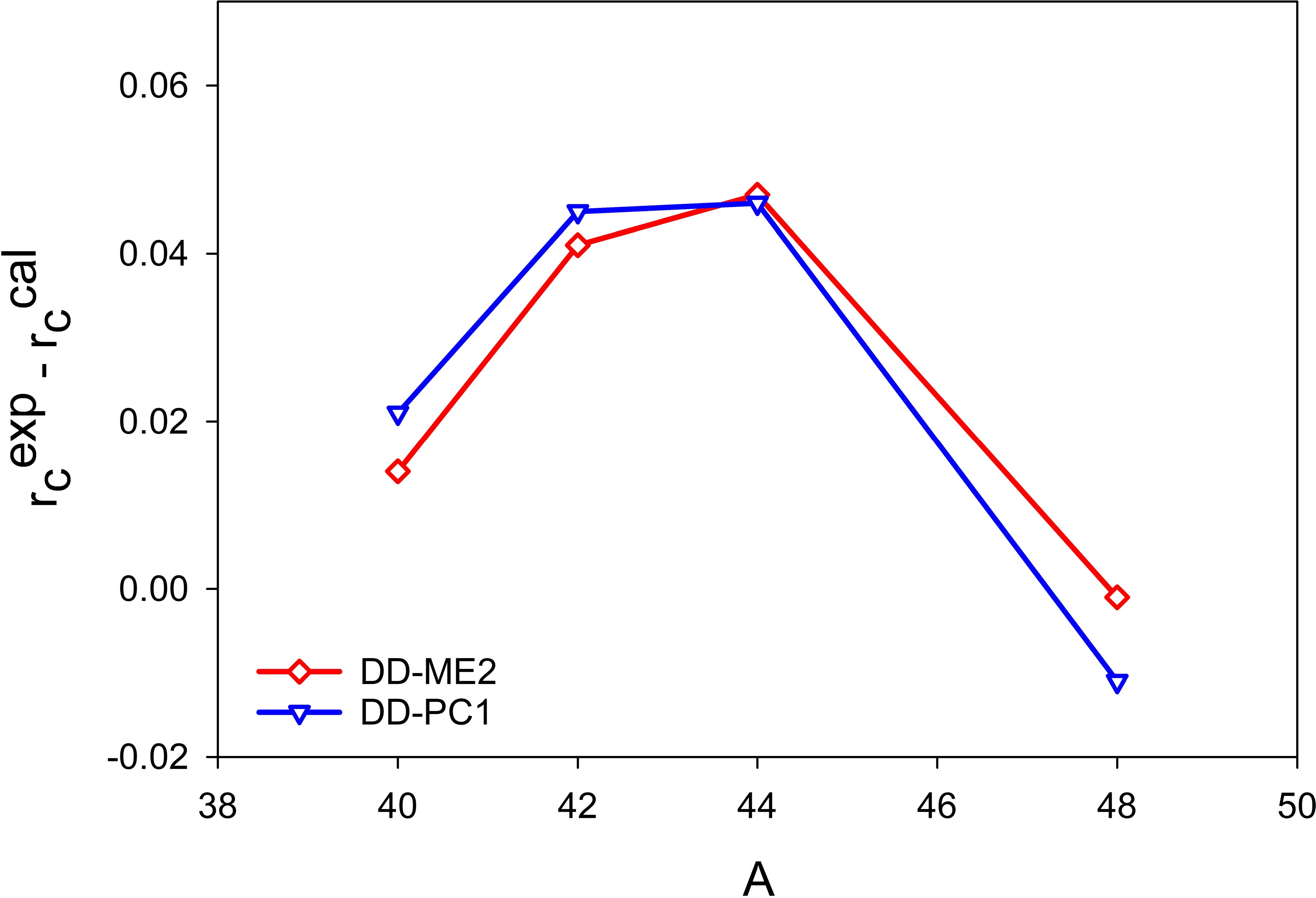
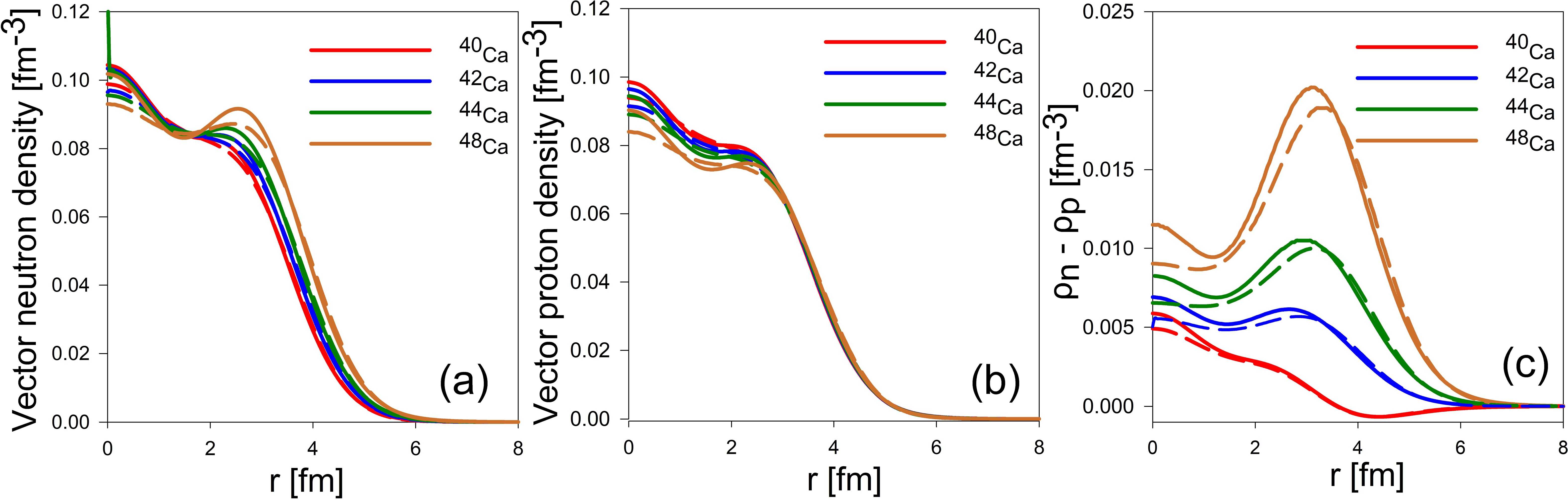
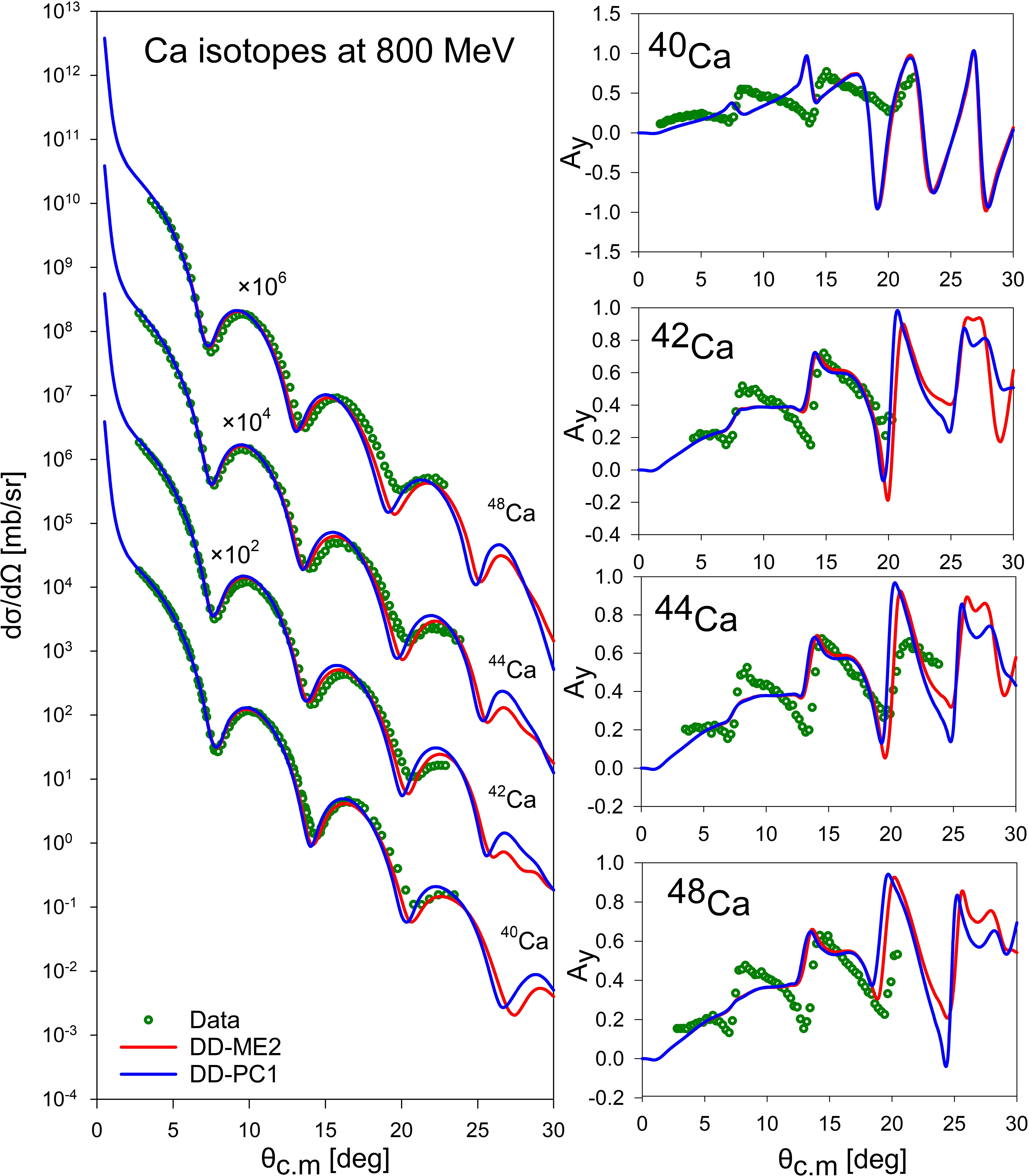
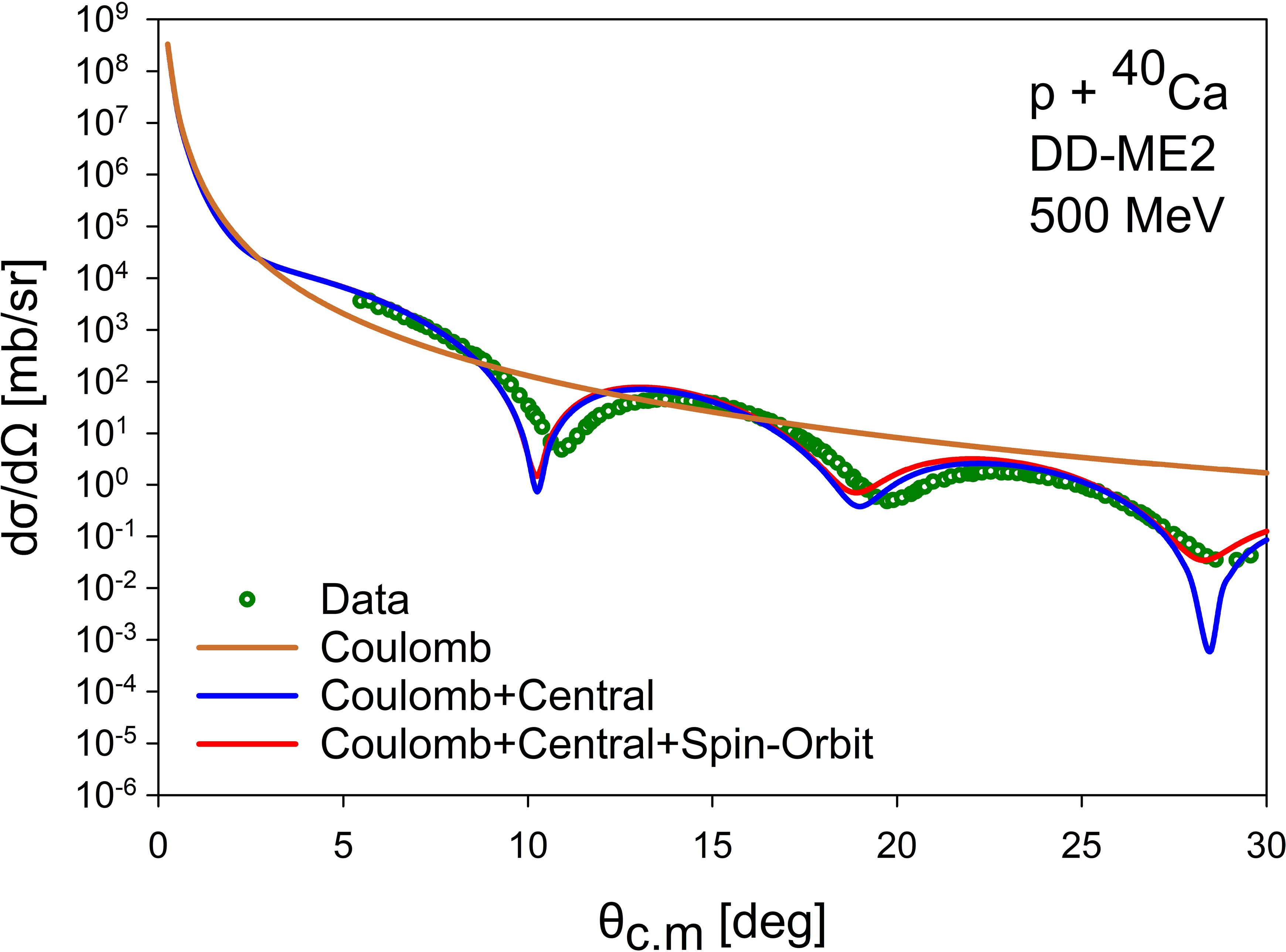
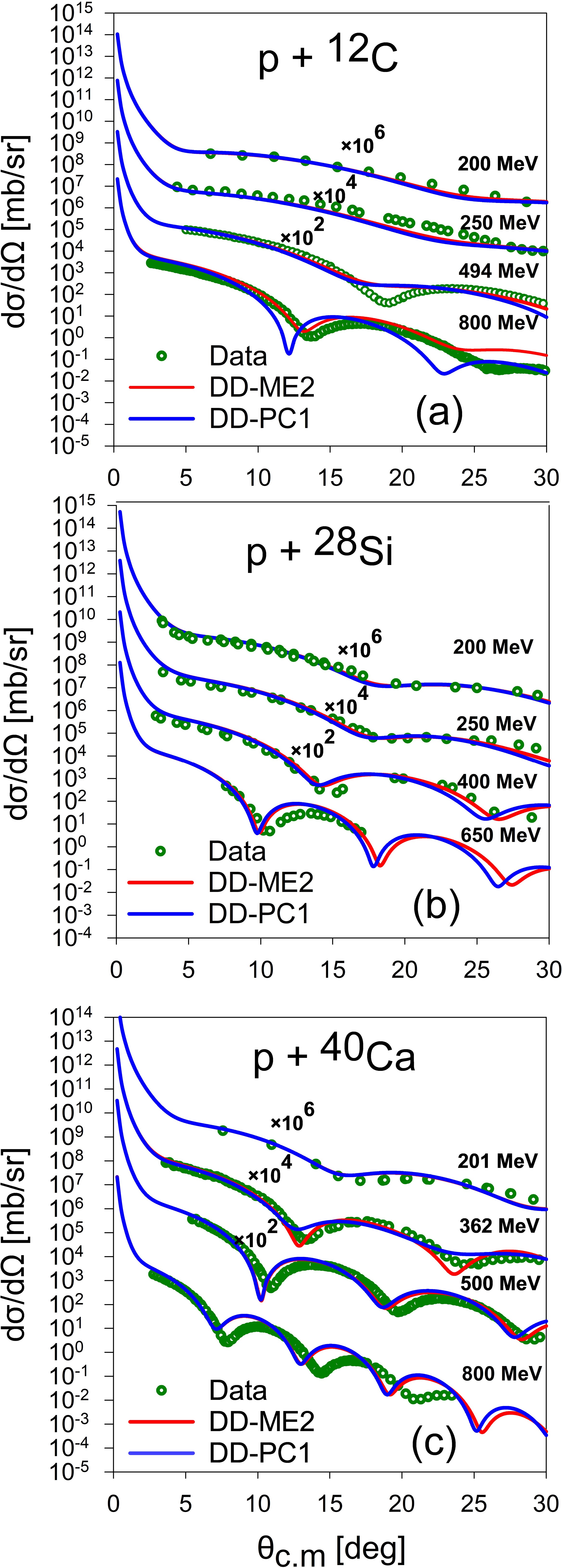
Relativistic microscopic optical potentials (RMOPs) were constructed for nucleon-nucleus scattering within the framework of relativistic impulse approximation (RIA). Nuclear matter densities were calculated using relativistic mean-field (RMF) theory, employing both the density-dependent meson-exchange (DD-ME2) and point-coupling (DD-PC1) parameterizations. The resulting RMOP comprised real and imaginary scalar and vector components. Its efficacy was evaluated through a systematic analysis of elastic proton scattering from seven nuclei (12C, 16O, 28Si, 40Ca, 58Ni, 90Zr, and 208Pb) and calcium isotopes (42,44,48Ca) at incident energies of 200–800 MeV using the Dirac optical model. The RMF-derived densities showed good agreement with experimental root-mean-square radii, neutron skin thicknesses, and binding energies. Differences between the two parameterizations were minimal and diminished for heavier nuclei. The folded potentials displayed characteristic energy-dependent behavior: the real part transitioned from attractive to repulsive, whereas the imaginary absorption strengthened with increasing energy. The differential cross sections calculated using RMOPs showed strong agreement with experimental data. For calcium isotopes, the calculated isotopic trends in neutron skins and densities yielded excellent agreement with cross-section data at 800 MeV. However, the analyzing powers for the neutron-rich 48Ca exhibited some discrepancies. Furthermore, eikonal approximation was employed to compute differential cross sections. This approach incorporated effective central and spin-orbit terms derived from the RMF-based RMOP, providing strong validation of the potential and highlighting the significance of the spin-orbit contribution. It also successfully extended the application of the RMOP to eikonal formalism.
Relativistic microscopic optical potentials (RMOPs) were constructed for nucleon-nucleus scattering within the framework of relativistic impulse approximation (RIA). Nuclear matter densities were calculated using relativistic mean-field (RMF) theory, employing both the density-dependent meson-exchange (DD-ME2) and point-coupling (DD-PC1) parameterizations. The resulting RMOP comprised real and imaginary scalar and vector components. Its efficacy was evaluated through a systematic analysis of elastic proton scattering from seven nuclei (12C, 16O, 28Si, 40Ca, 58Ni, 90Zr, and 208Pb) and calcium isotopes (42,44,48Ca) at incident energies of 200–800 MeV using the Dirac optical model. The RMF-derived densities showed good agreement with experimental root-mean-square radii, neutron skin thicknesses, and binding energies. Differences between the two parameterizations were minimal and diminished for heavier nuclei. The folded potentials displayed characteristic energy-dependent behavior: the real part transitioned from attractive to repulsive, whereas the imaginary absorption strengthened with increasing energy. The differential cross sections calculated using RMOPs showed strong agreement with experimental data. For calcium isotopes, the calculated isotopic trends in neutron skins and densities yielded excellent agreement with cross-section data at 800 MeV. However, the analyzing powers for the neutron-rich 48Ca exhibited some discrepancies. Furthermore, eikonal approximation was employed to compute differential cross sections. This approach incorporated effective central and spin-orbit terms derived from the RMF-based RMOP, providing strong validation of the potential and highlighting the significance of the spin-orbit contribution. It also successfully extended the application of the RMOP to eikonal formalism.


2026, 50(4): 044105. doi: 10.1088/1674-1137/ae3313
Abstract:
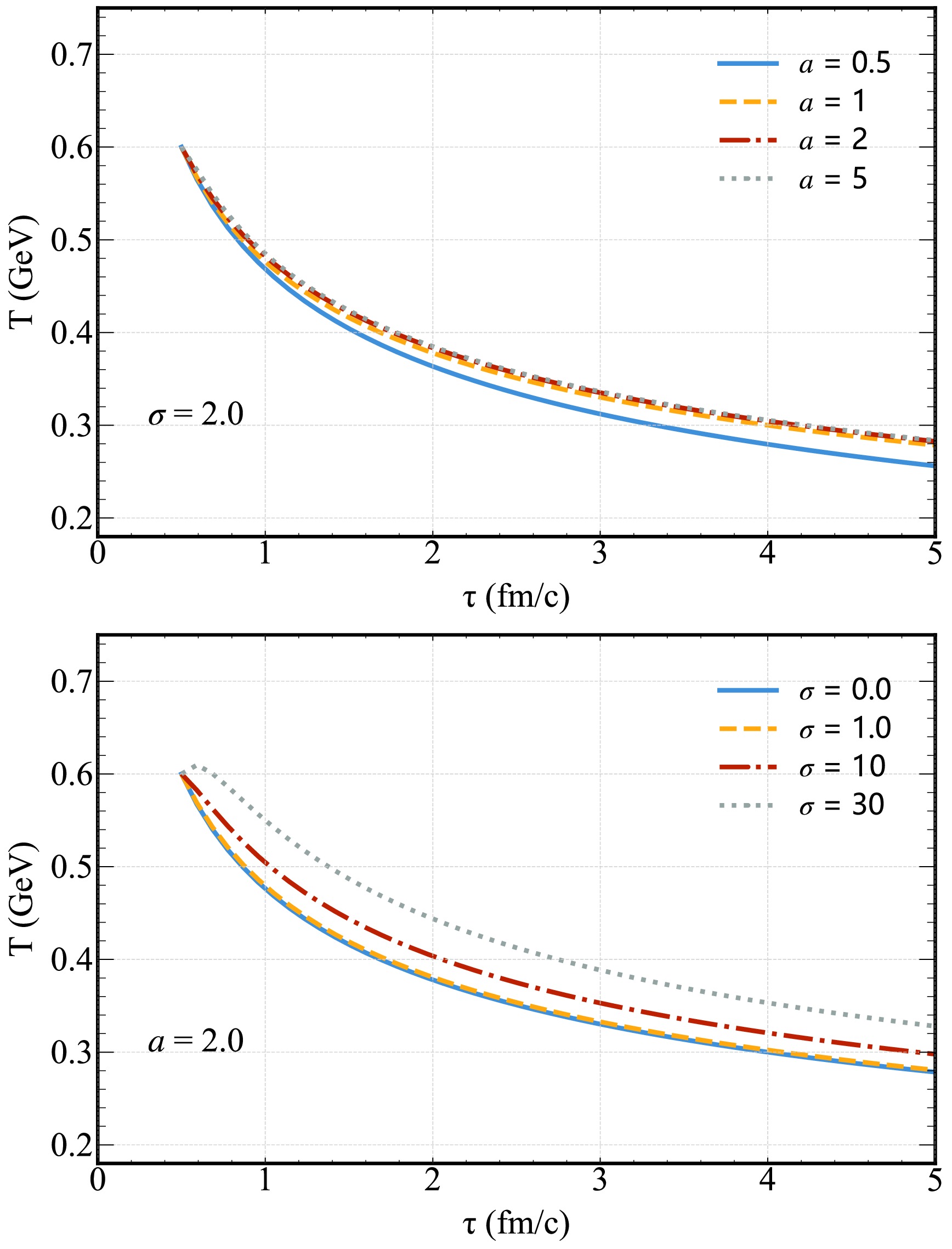
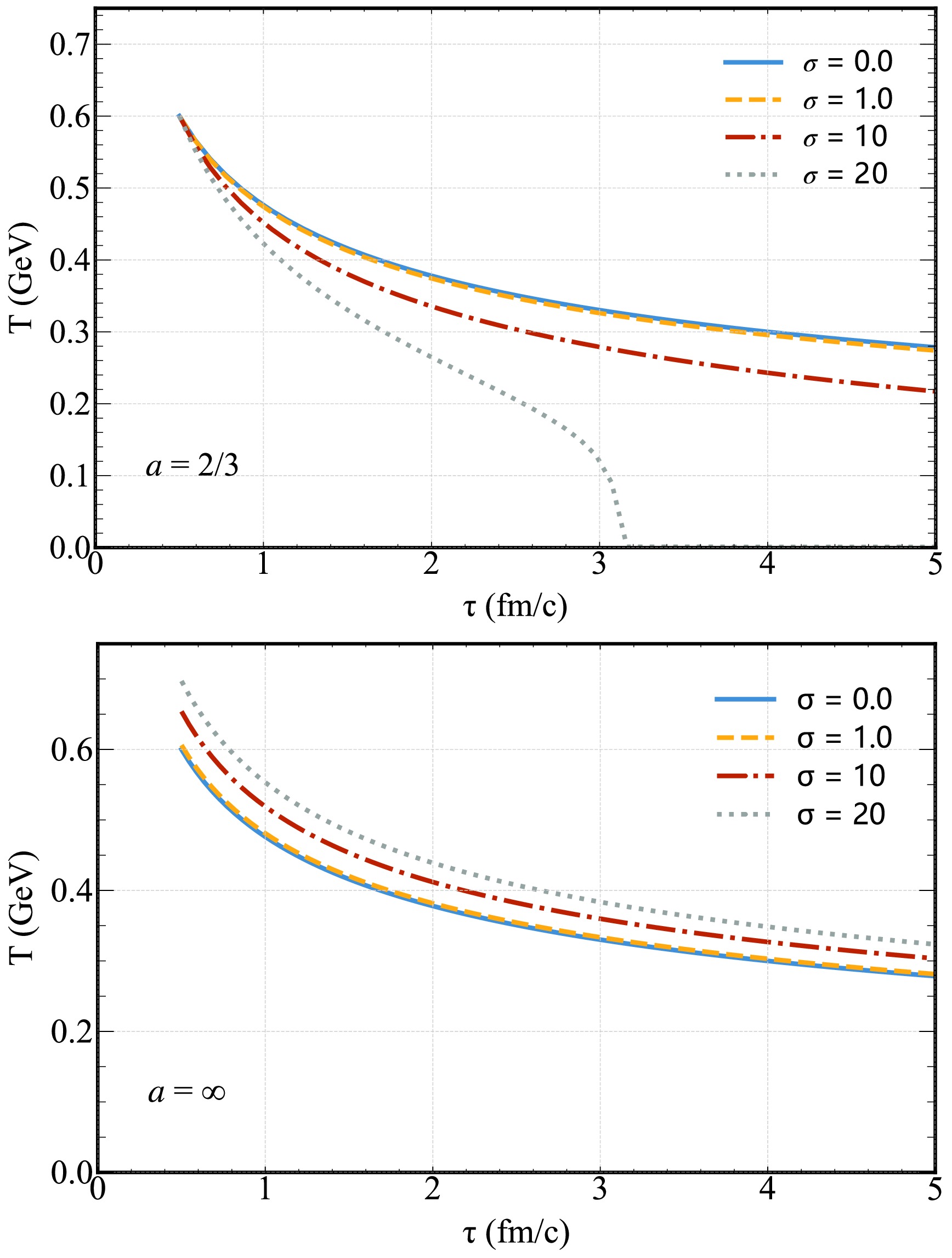
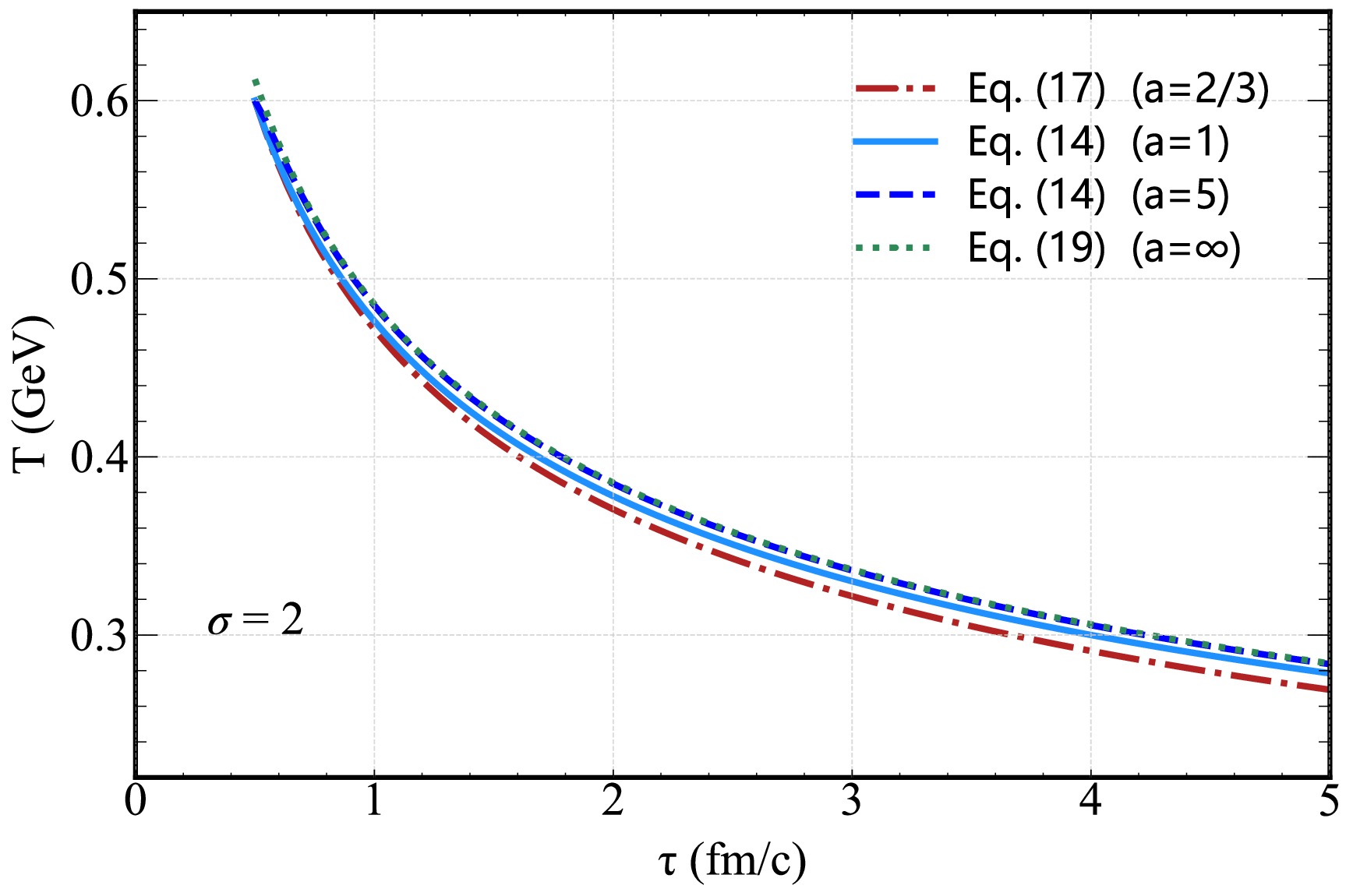
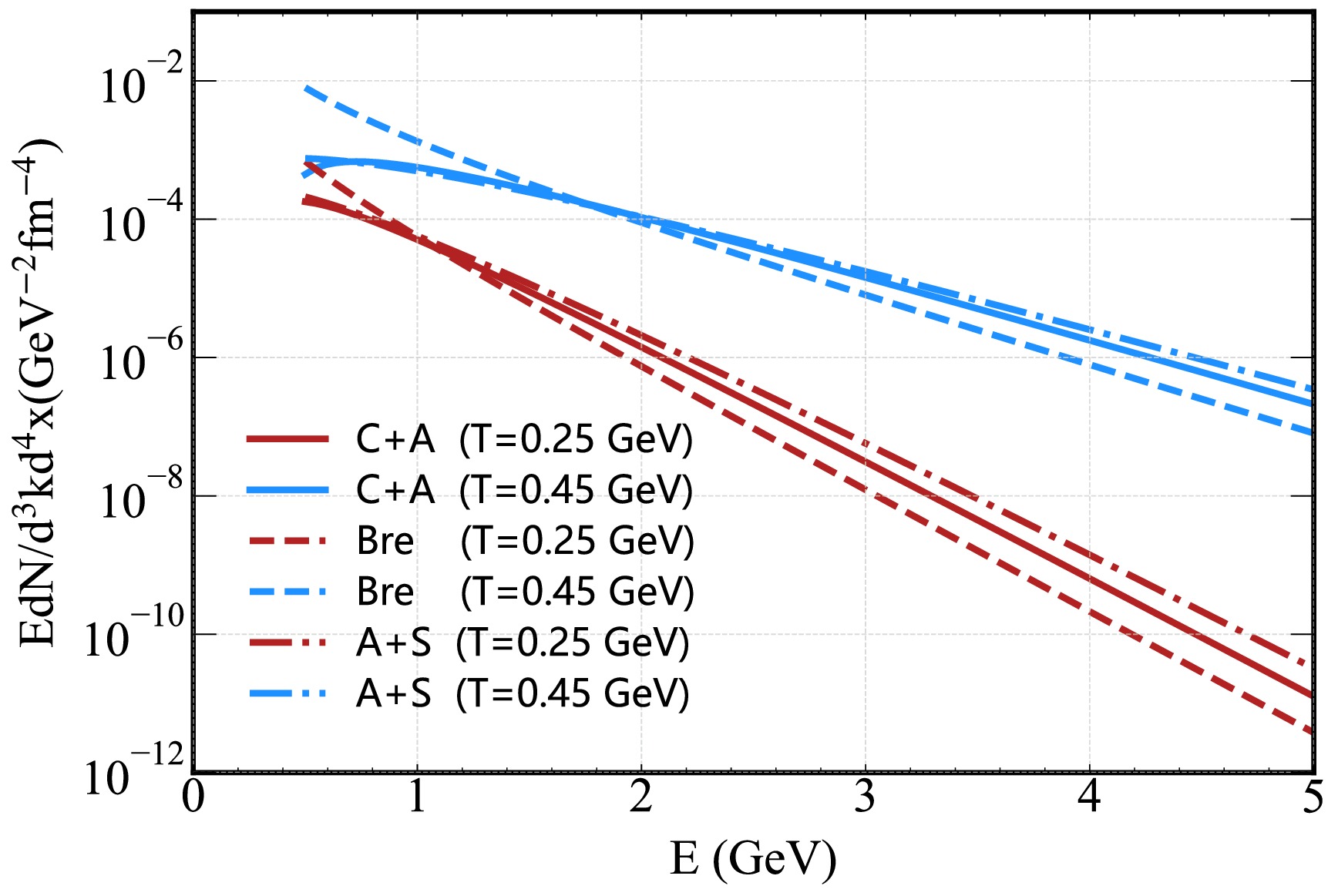
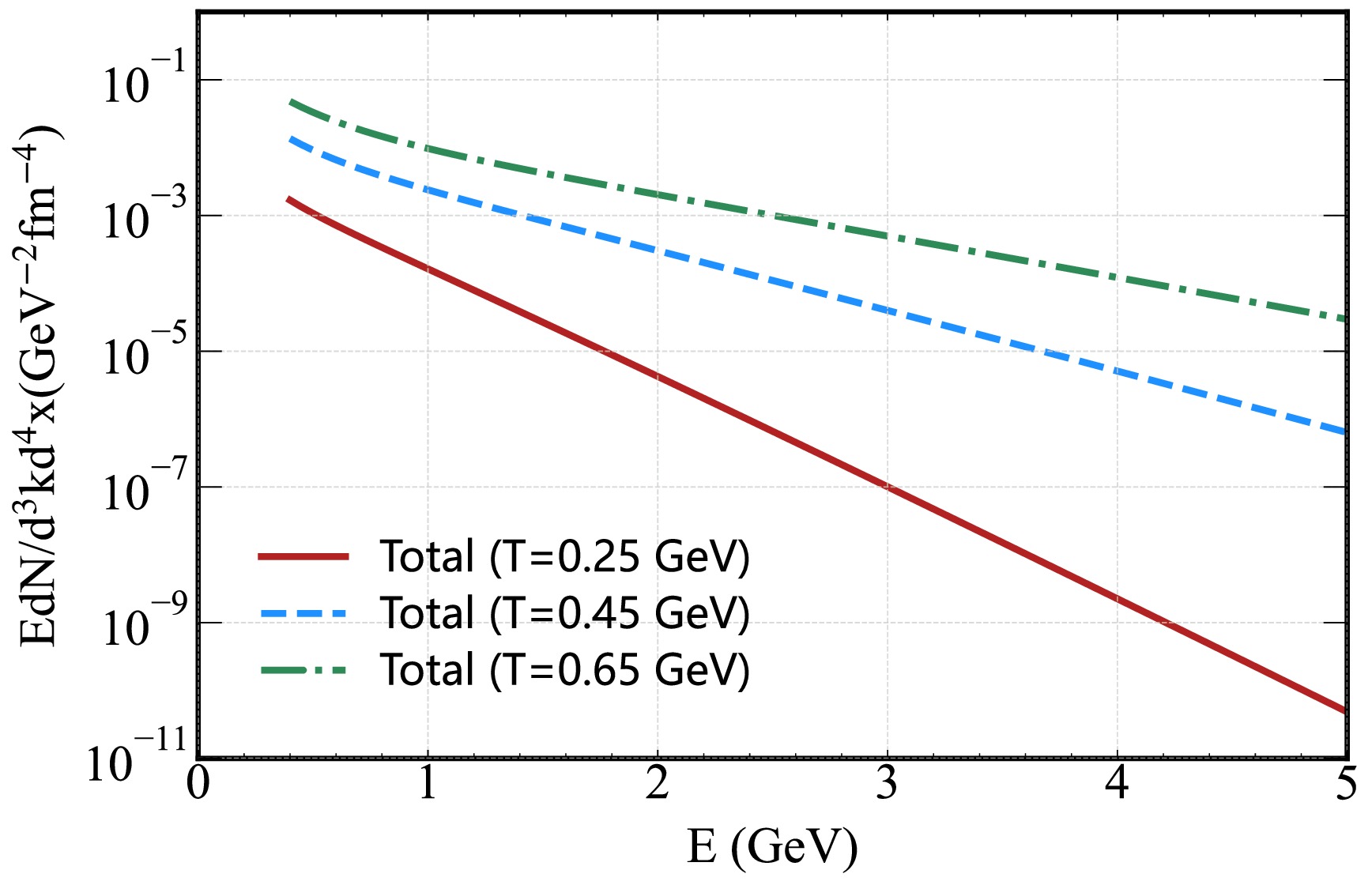
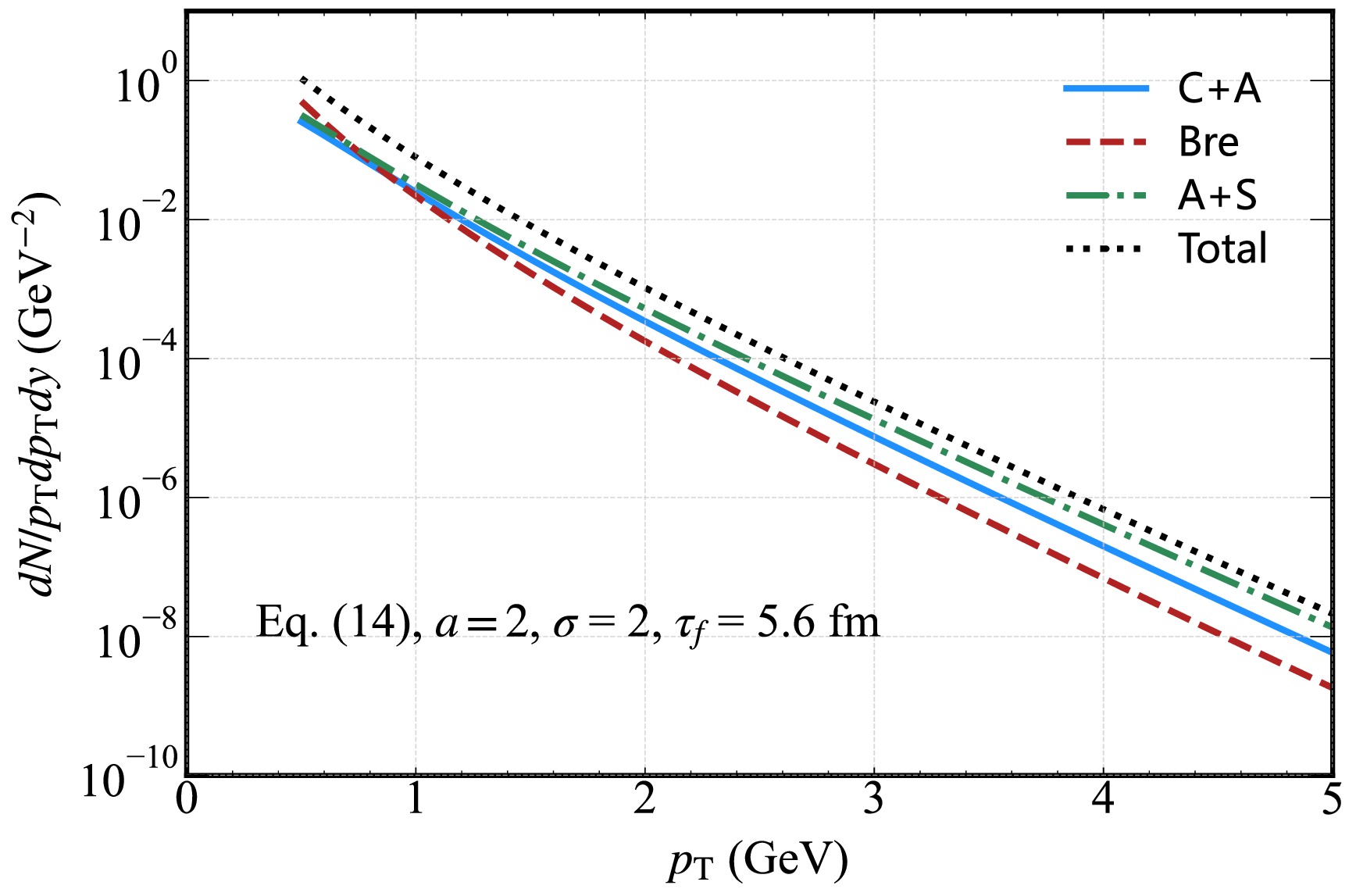
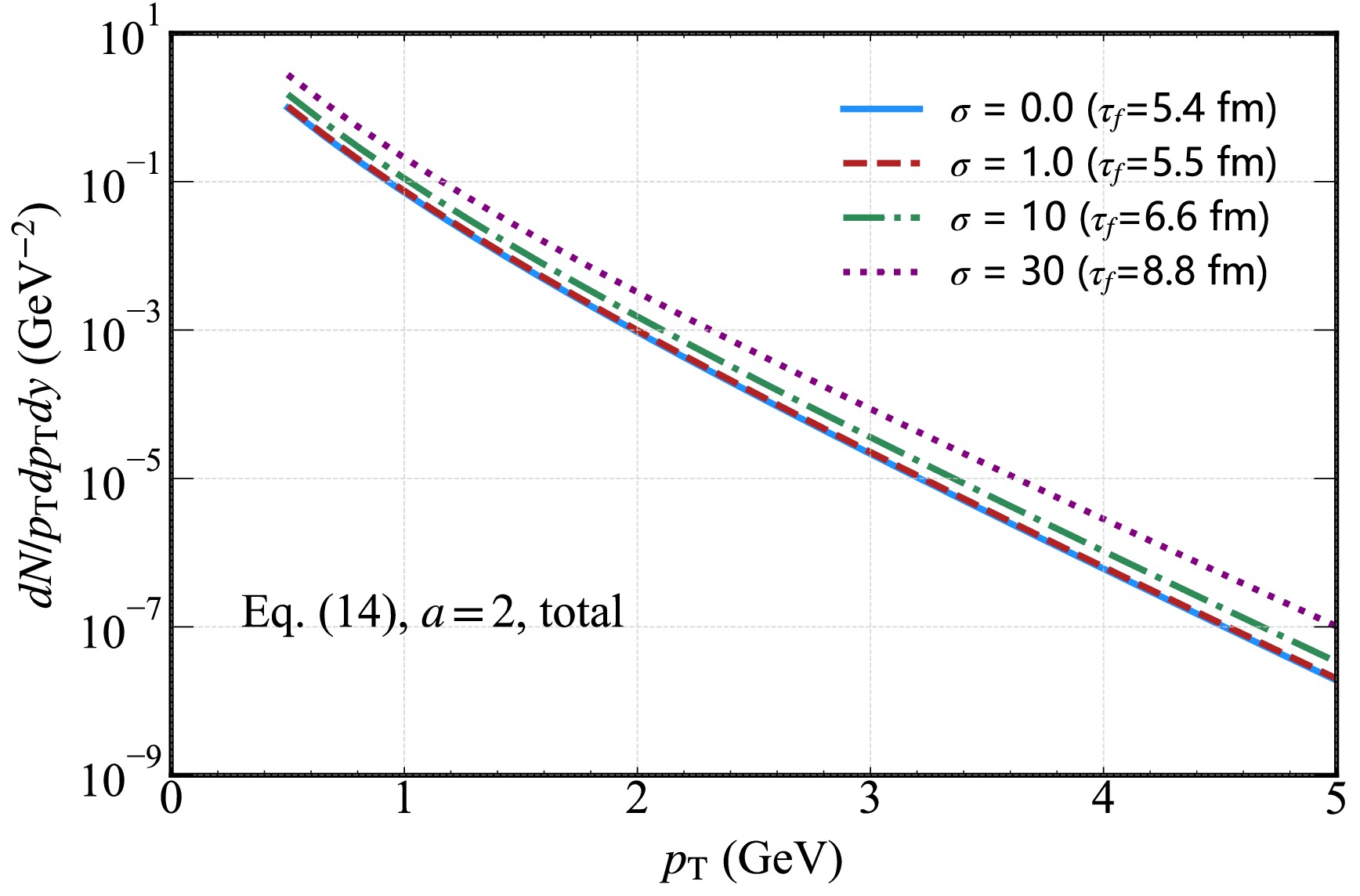
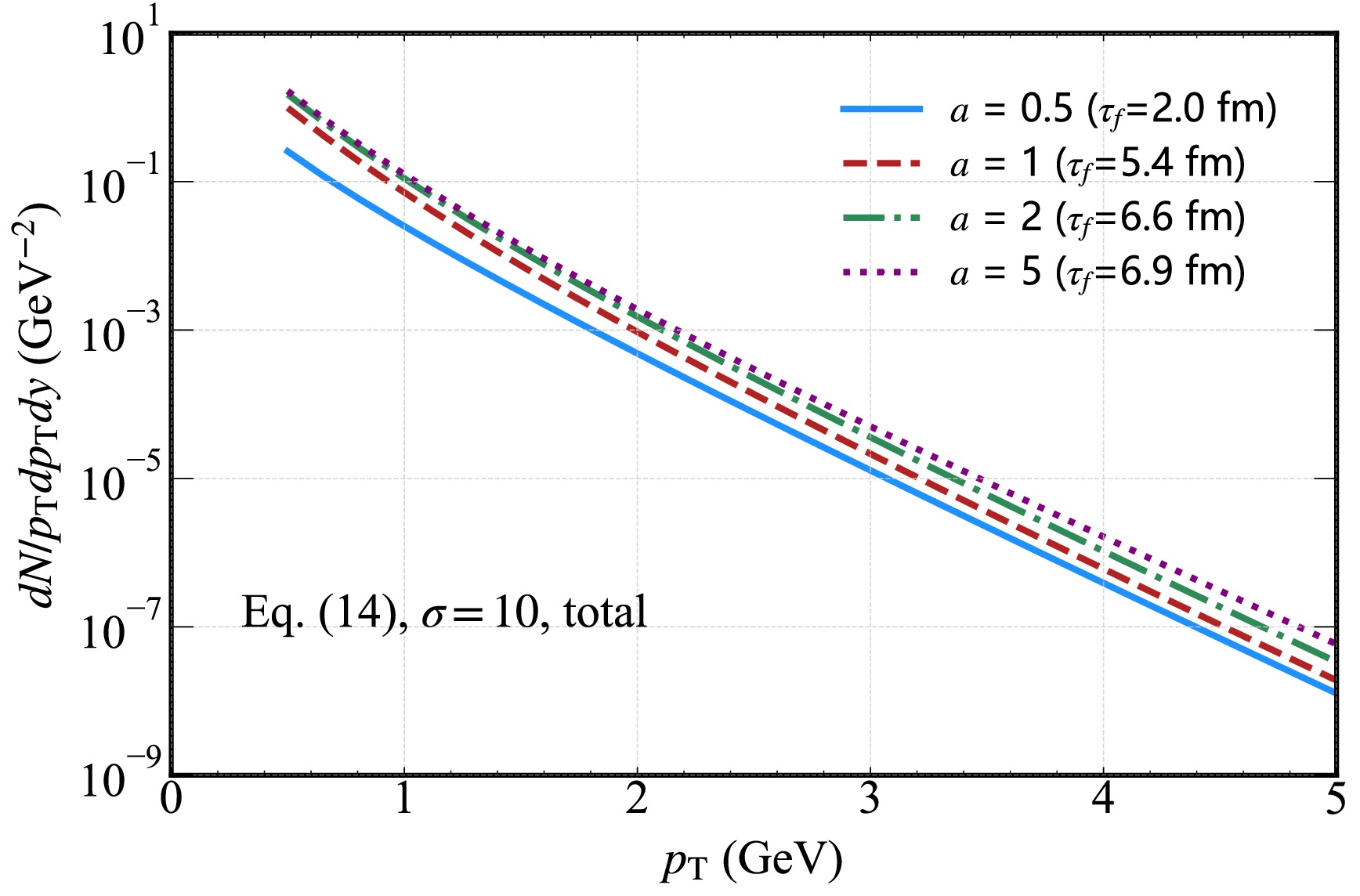
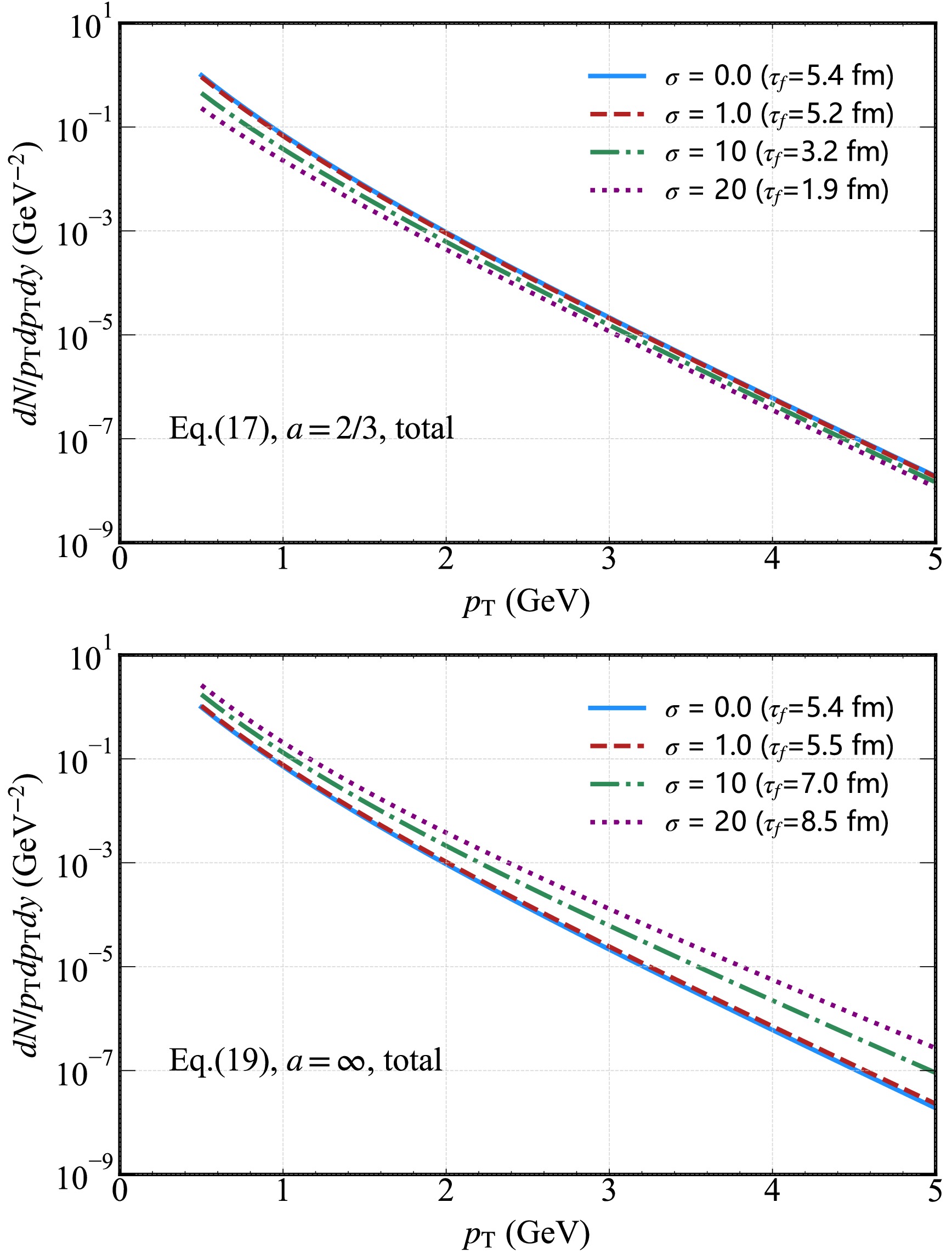
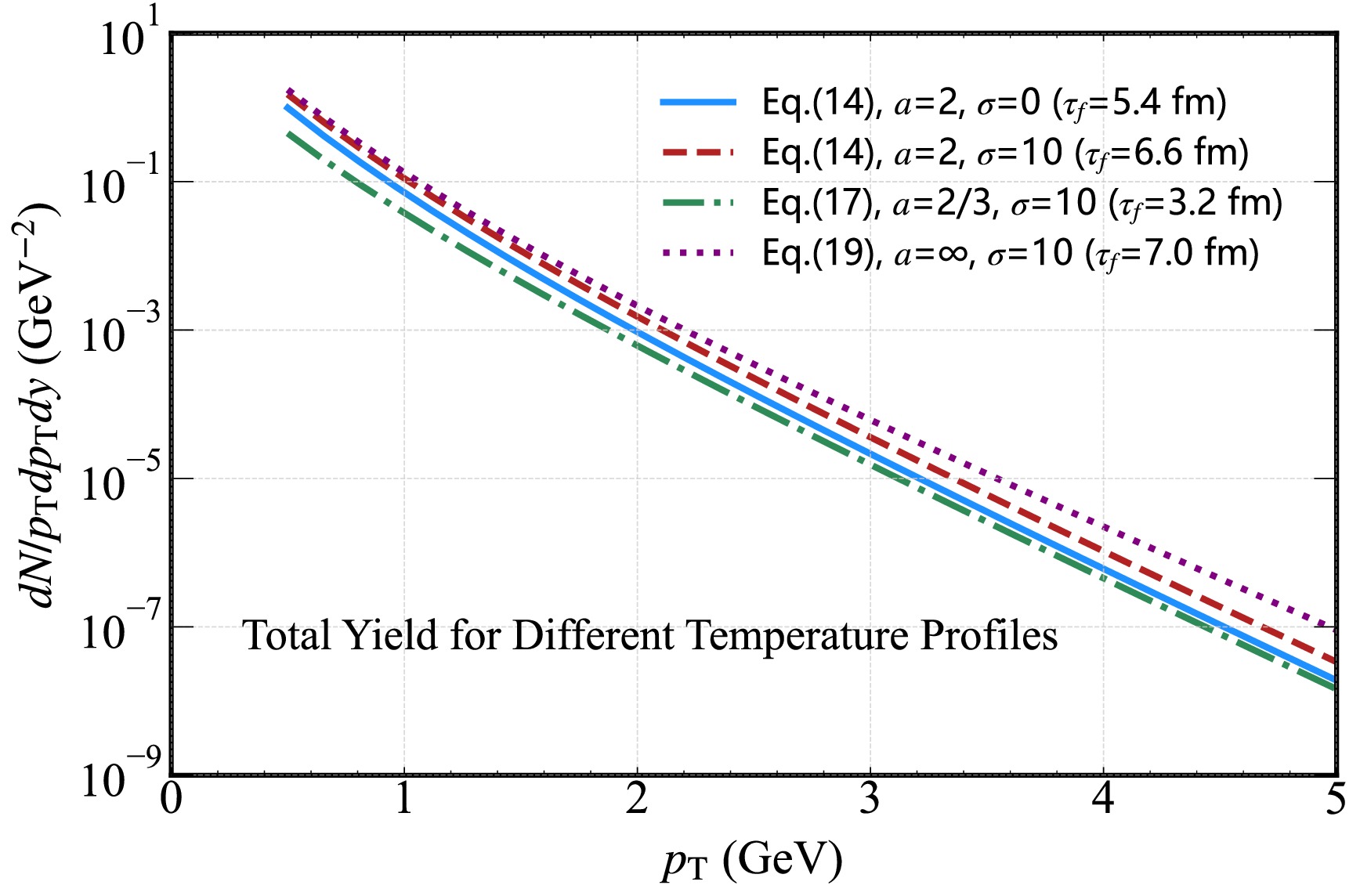
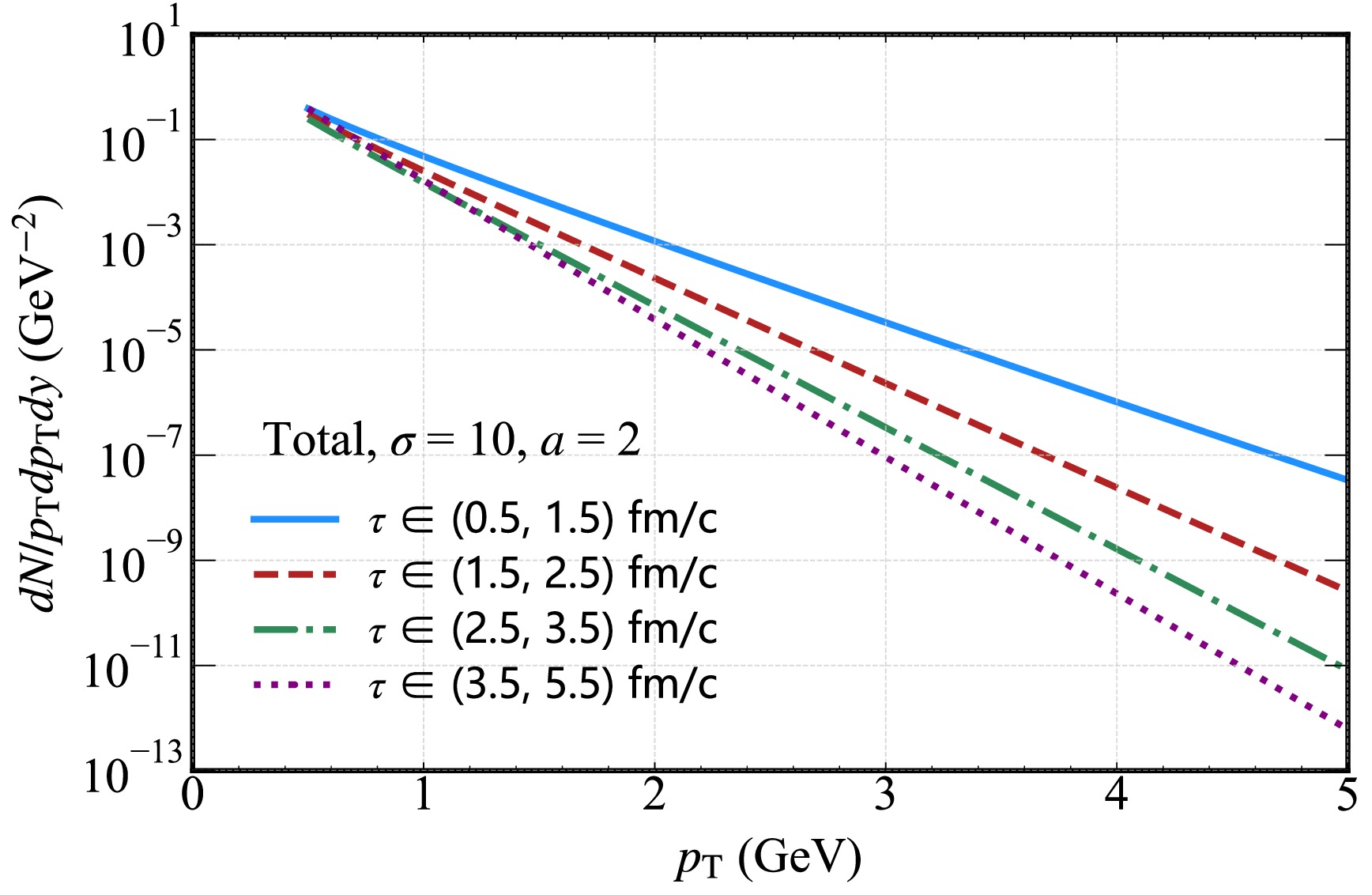
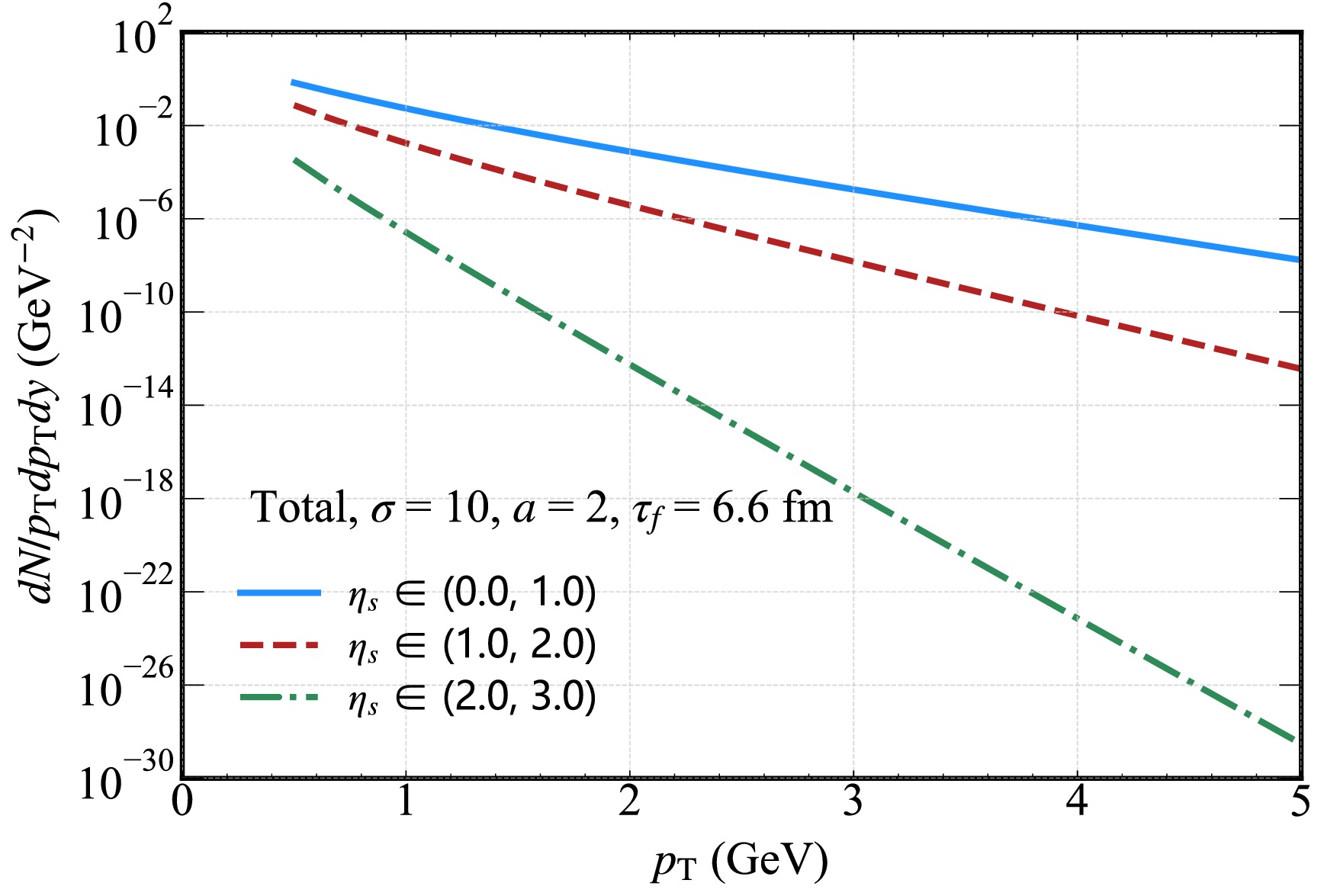
We investigate thermal photon production in the quark-gluon plasma (QGP) under strong magnetic fields using a magnetohydrodynamic (MHD) framework. We employ relativistic ideal fluid dynamics under the non-resistive approximation by adopting the Bjorken flow model with power-law decaying magnetic fields\begin{document}$ \mathbf{B}(\tau) = \mathbf{B}_0 (\tau_0/\tau)^a $\end{document} \begin{document}$ B_0 = \sqrt{\sigma} T_0^2 $\end{document} \begin{document}$ q\bar{q} $\end{document} \begin{document}$ q\bar{q} $\end{document} \begin{document}$ (p_T) $\end{document} \begin{document}$ p_T $\end{document} \begin{document}$ a \to \infty $\end{document} \begin{document}$ a = 2/3 $\end{document} \begin{document}$ a \to \infty $\end{document} \begin{document}$ p_T $\end{document} \begin{document}$ p_T $\end{document} \begin{document}$ (y=0) $\end{document}
We investigate thermal photon production in the quark-gluon plasma (QGP) under strong magnetic fields using a magnetohydrodynamic (MHD) framework. We employ relativistic ideal fluid dynamics under the non-resistive approximation by adopting the Bjorken flow model with power-law decaying magnetic fields
2026, 50(4): 044106. doi: 10.1088/1674-1137/ae31e1
Abstract:
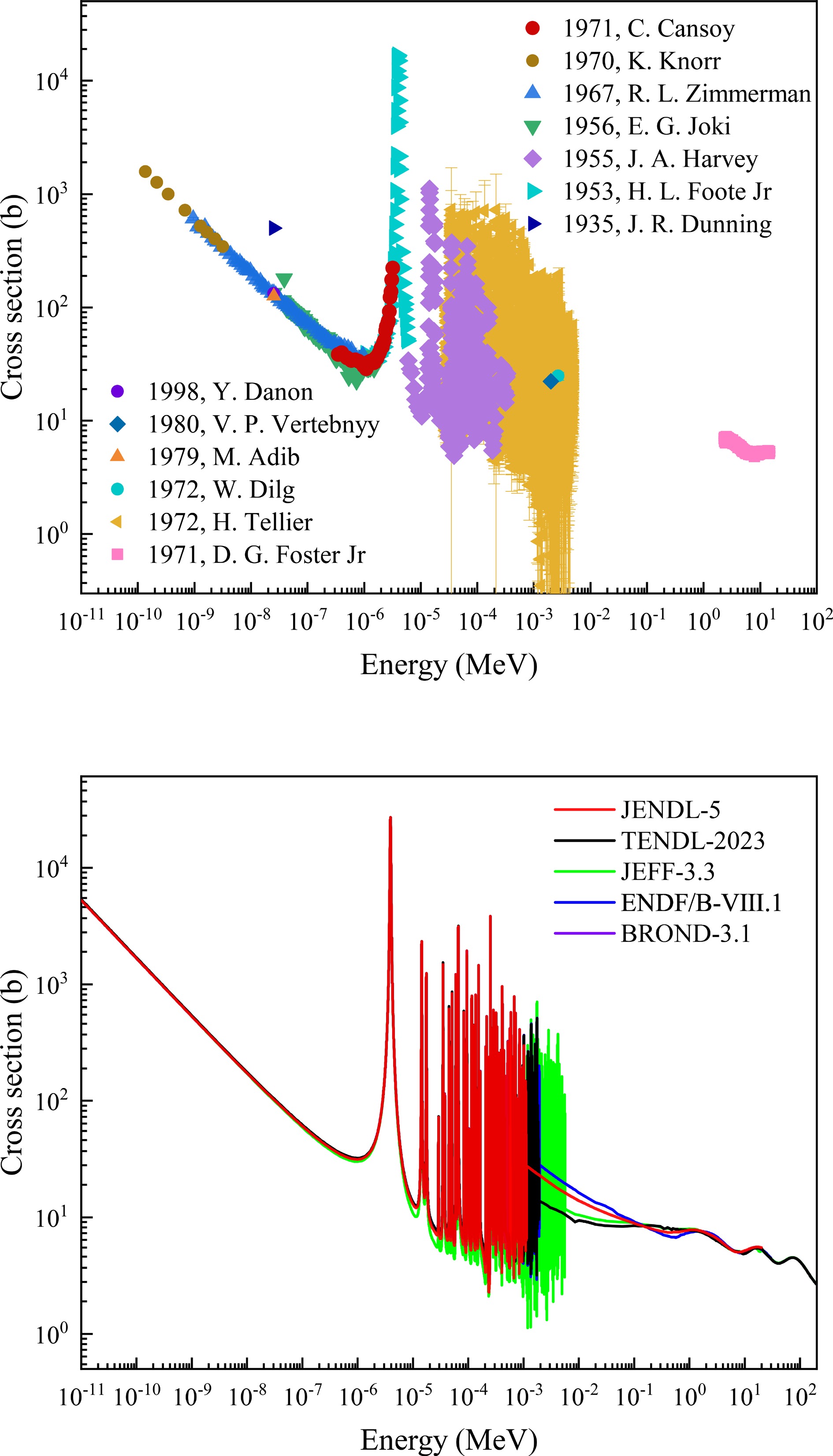
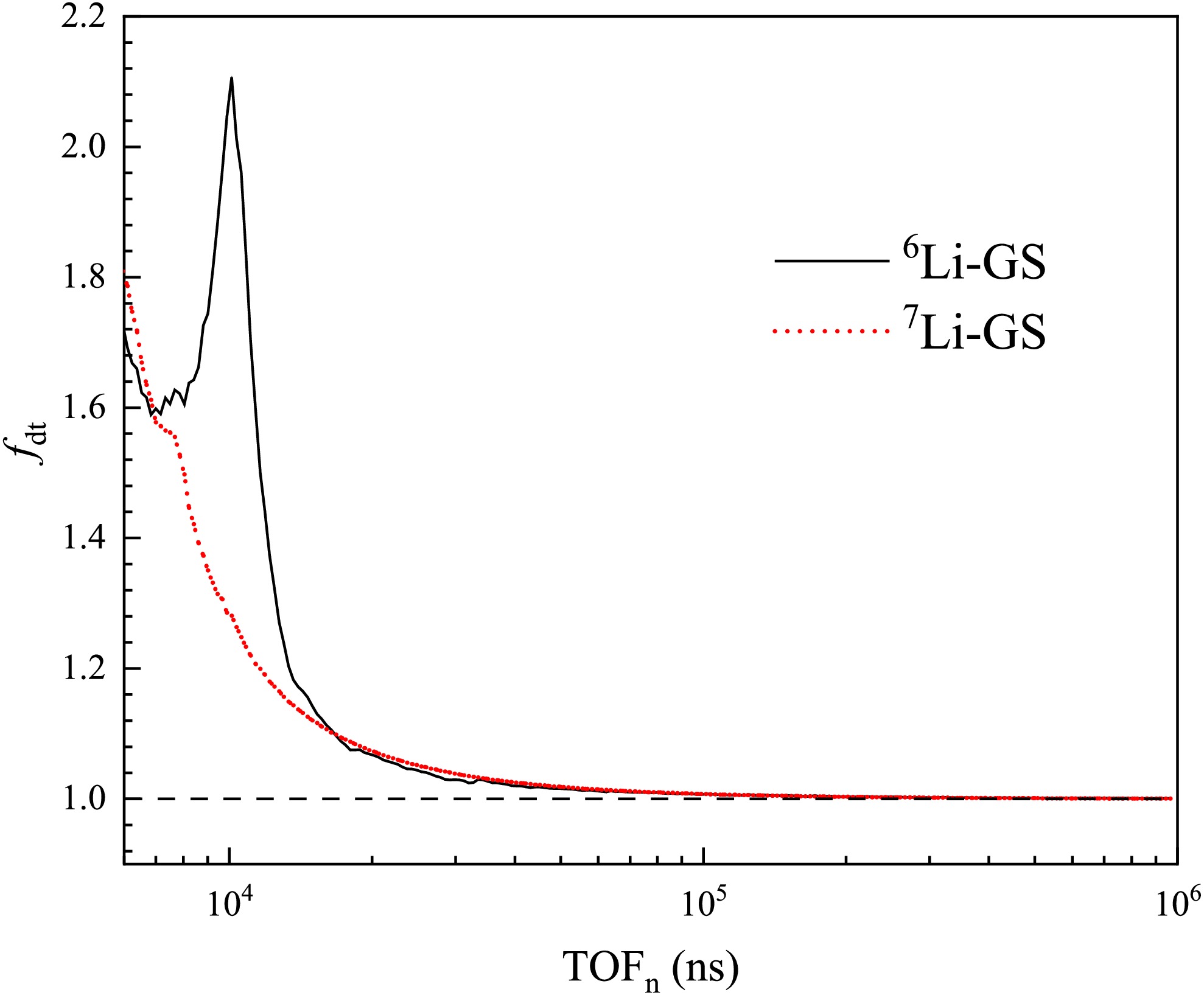
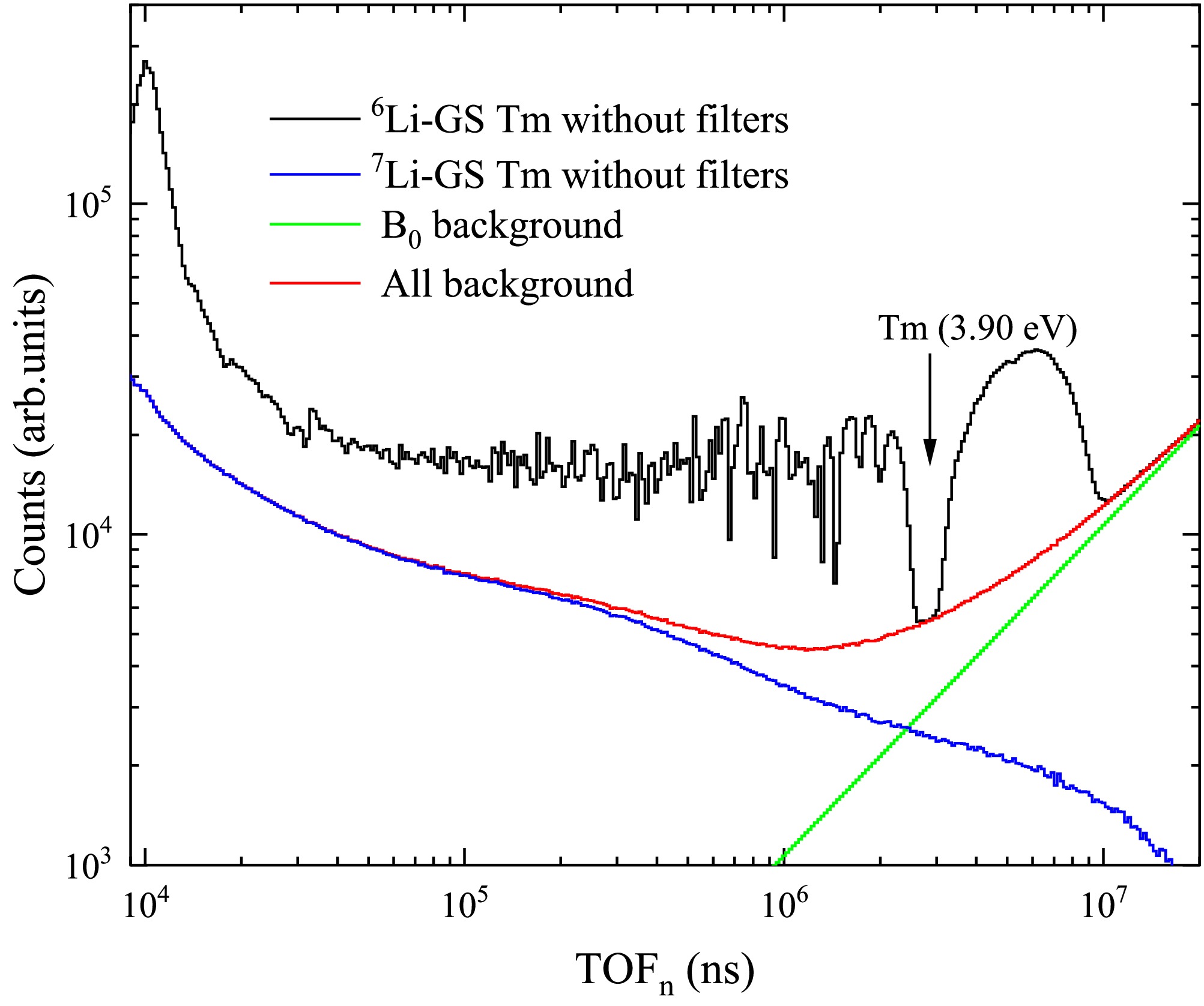
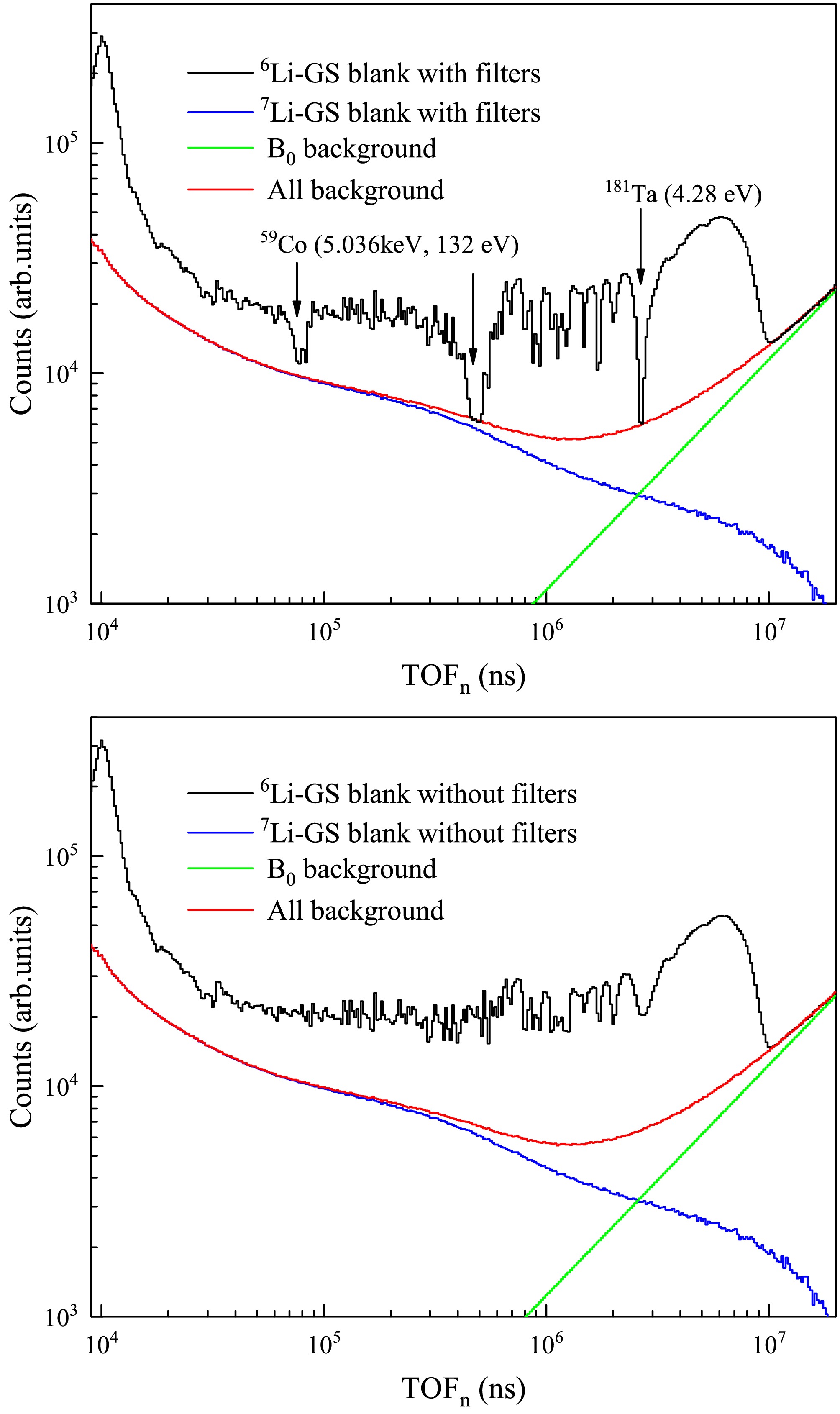
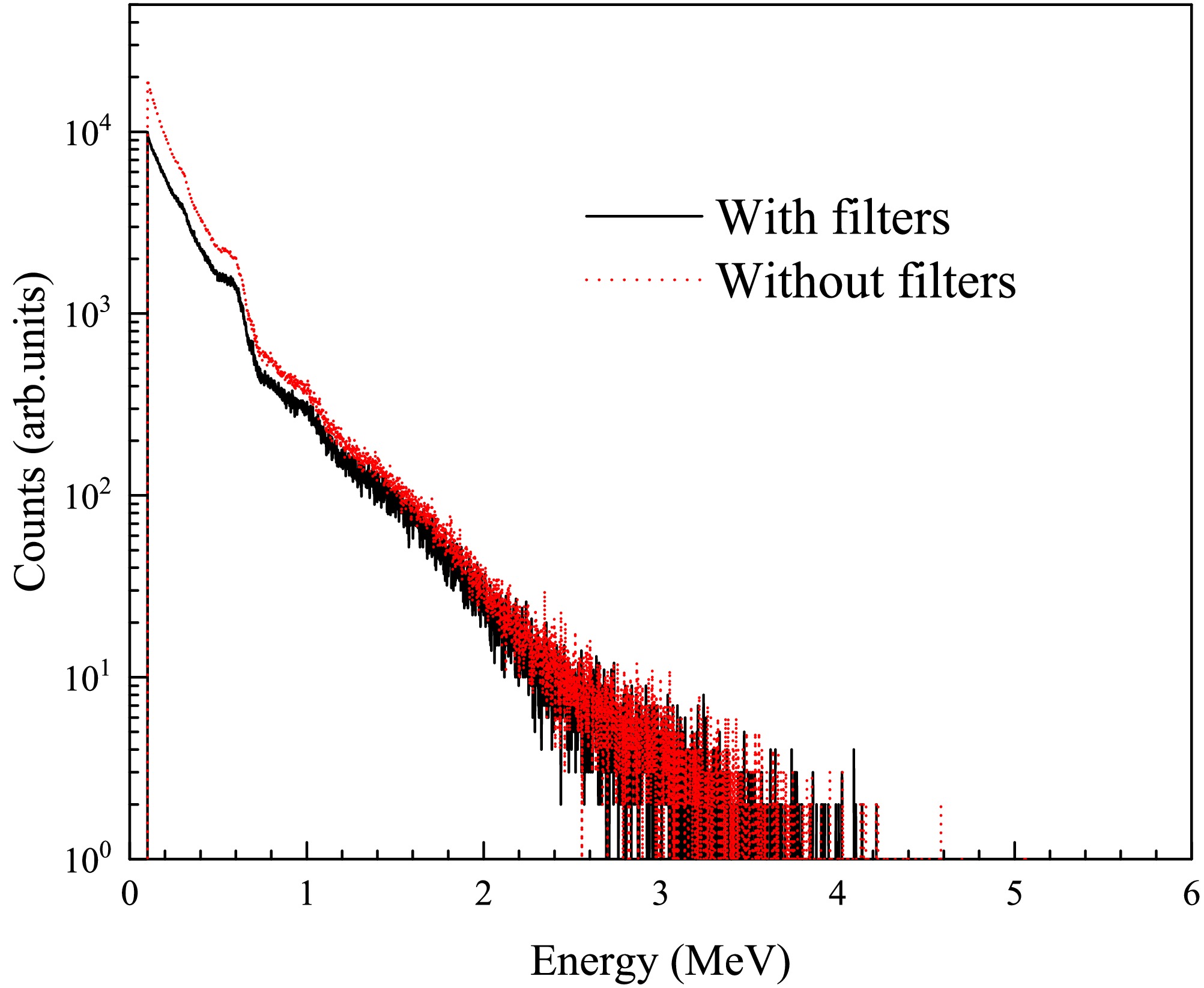
The neutron total cross section (\begin{document}$ \sigma_{\rm t} $\end{document} \begin{document}$ \sigma_{\rm t} $\end{document} \begin{document}$ \sigma_{\rm t} $\end{document} \begin{document}$ \sigma_{\rm t} $\end{document}
The neutron total cross section (
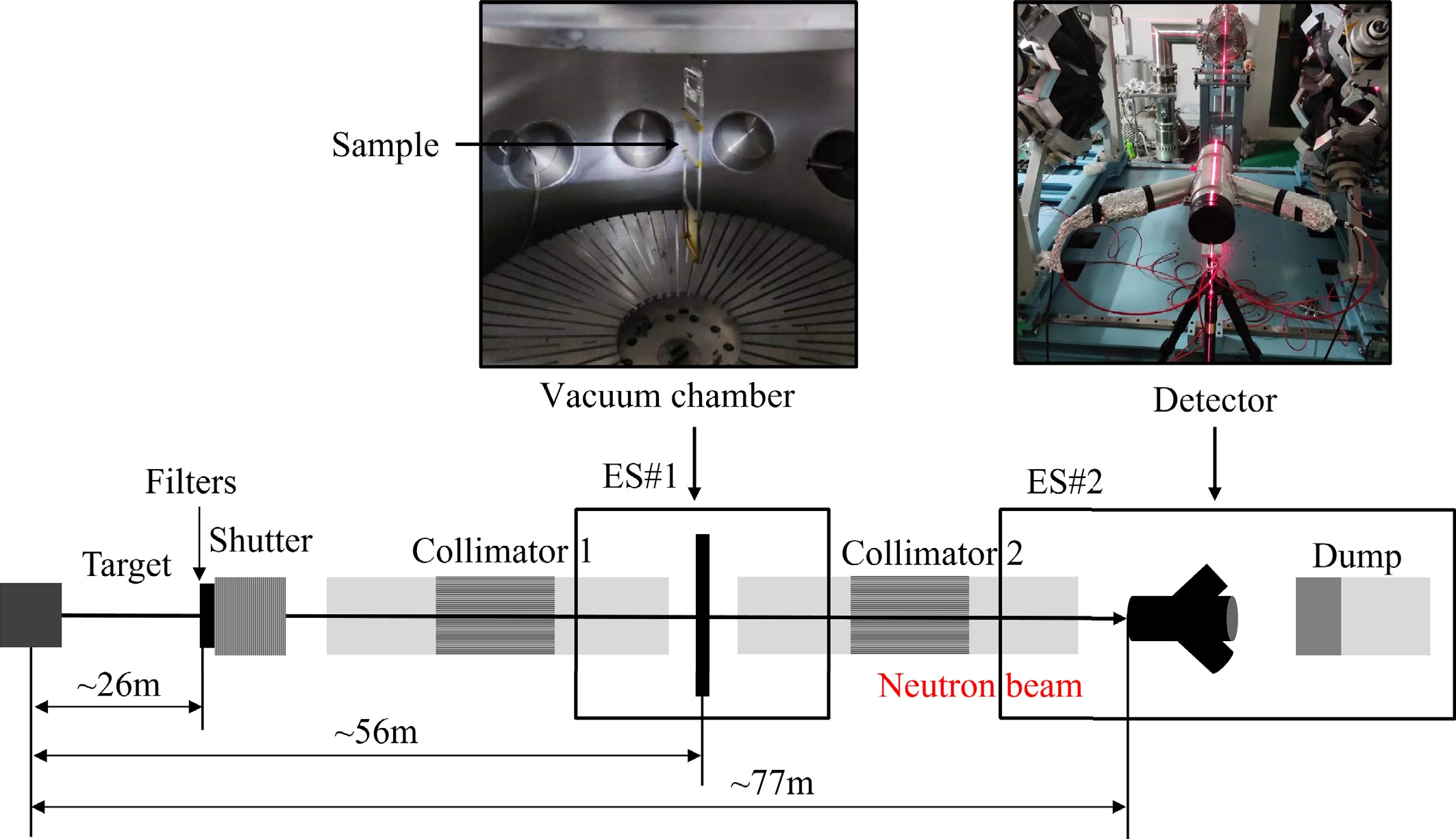
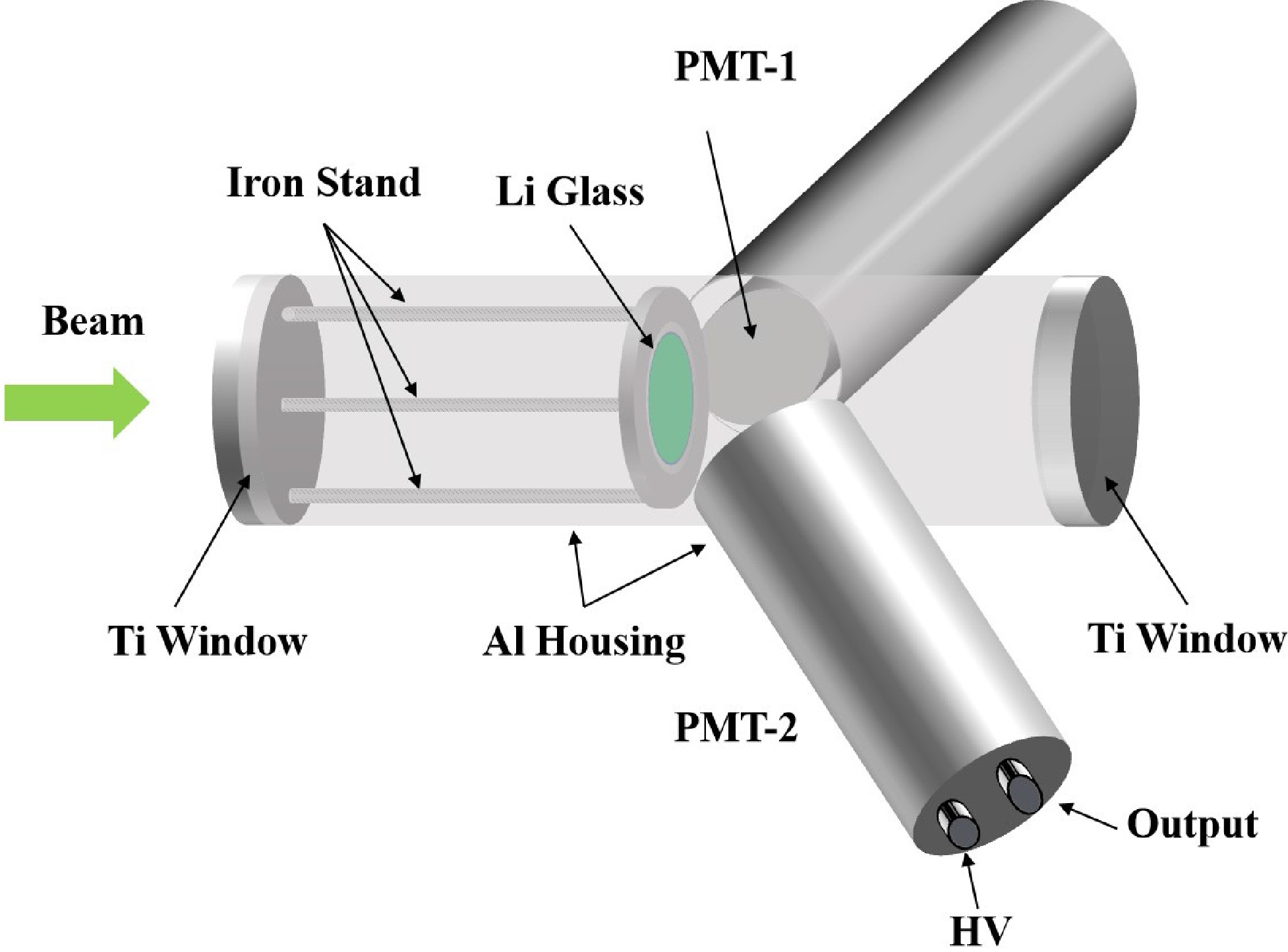
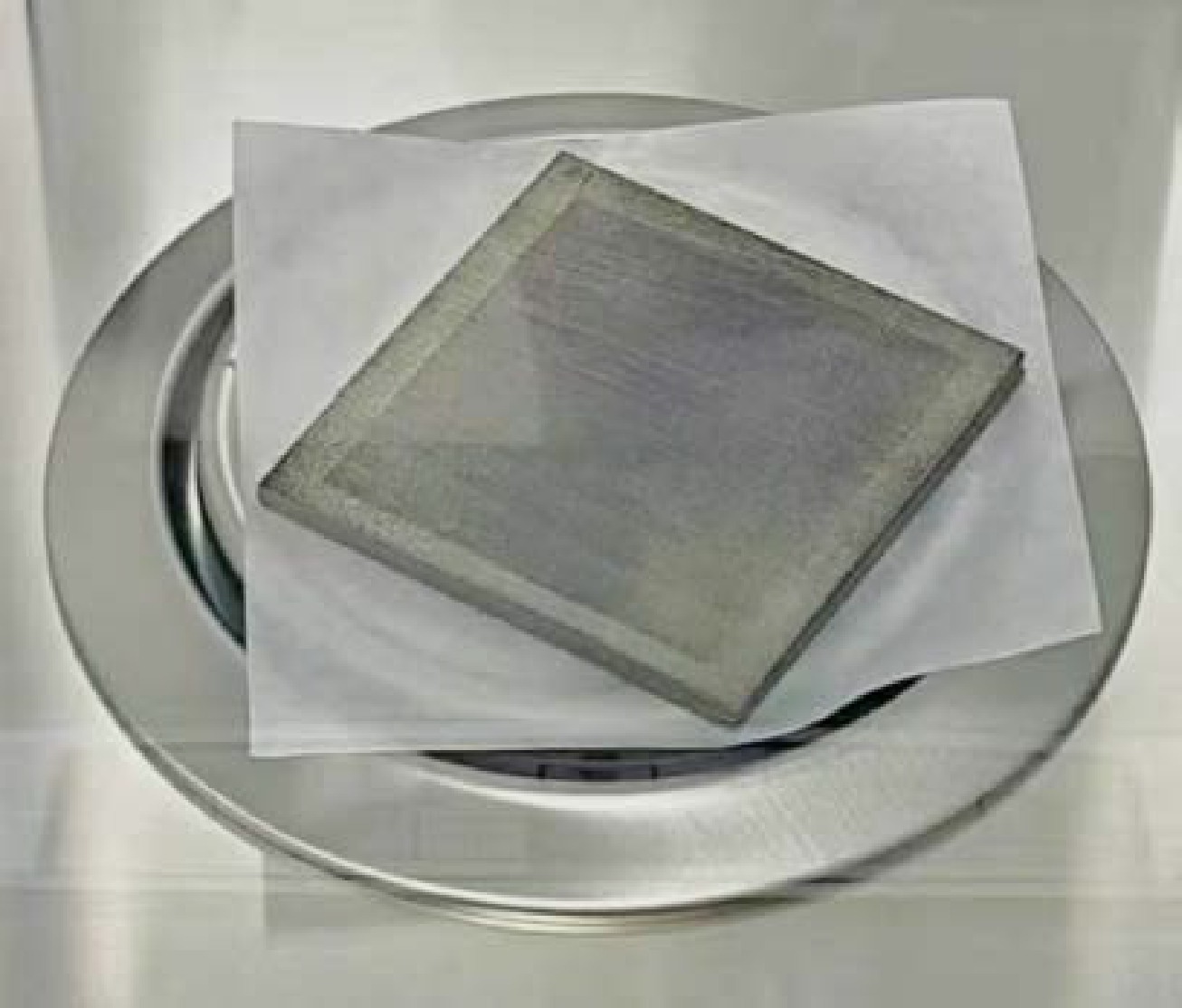
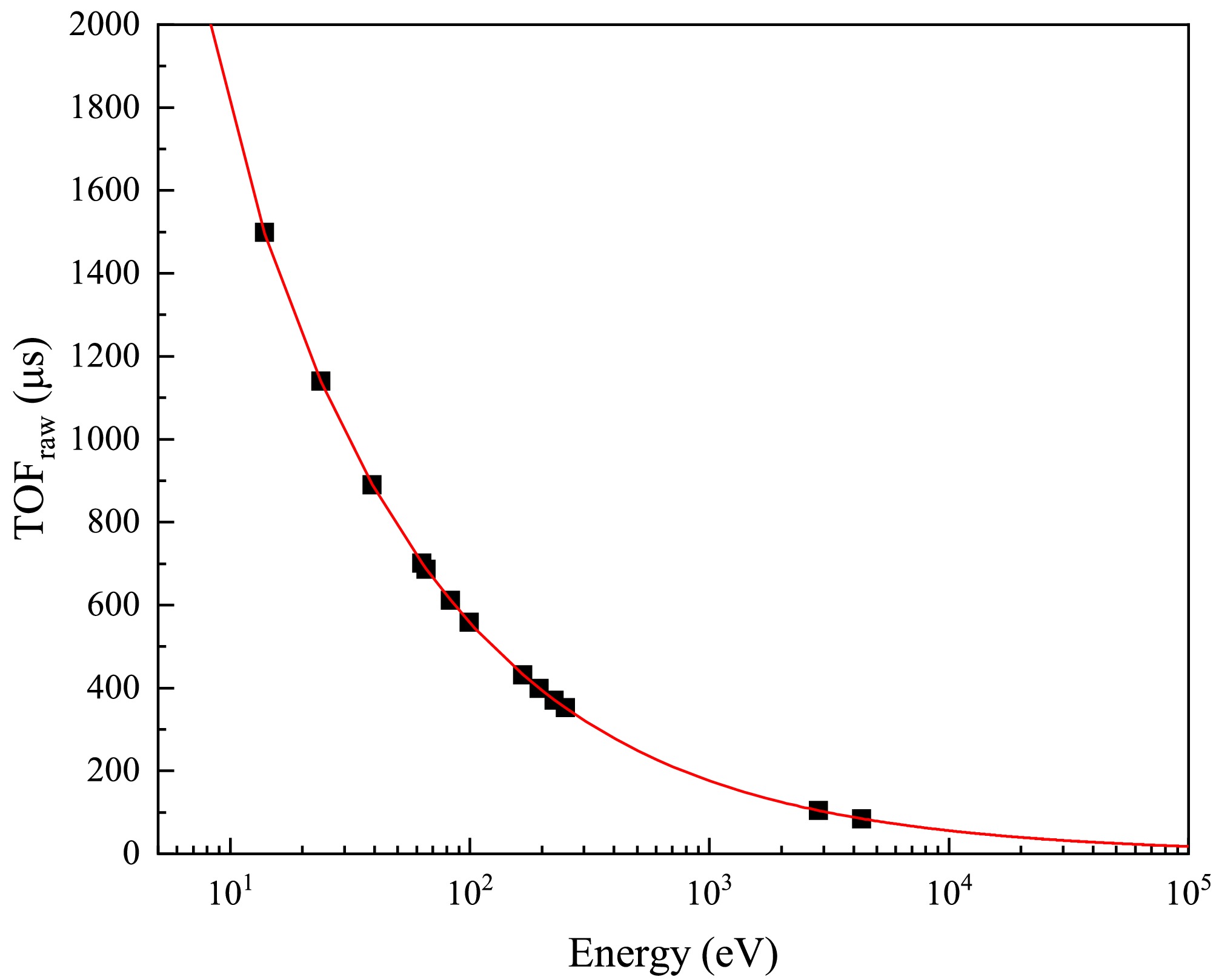
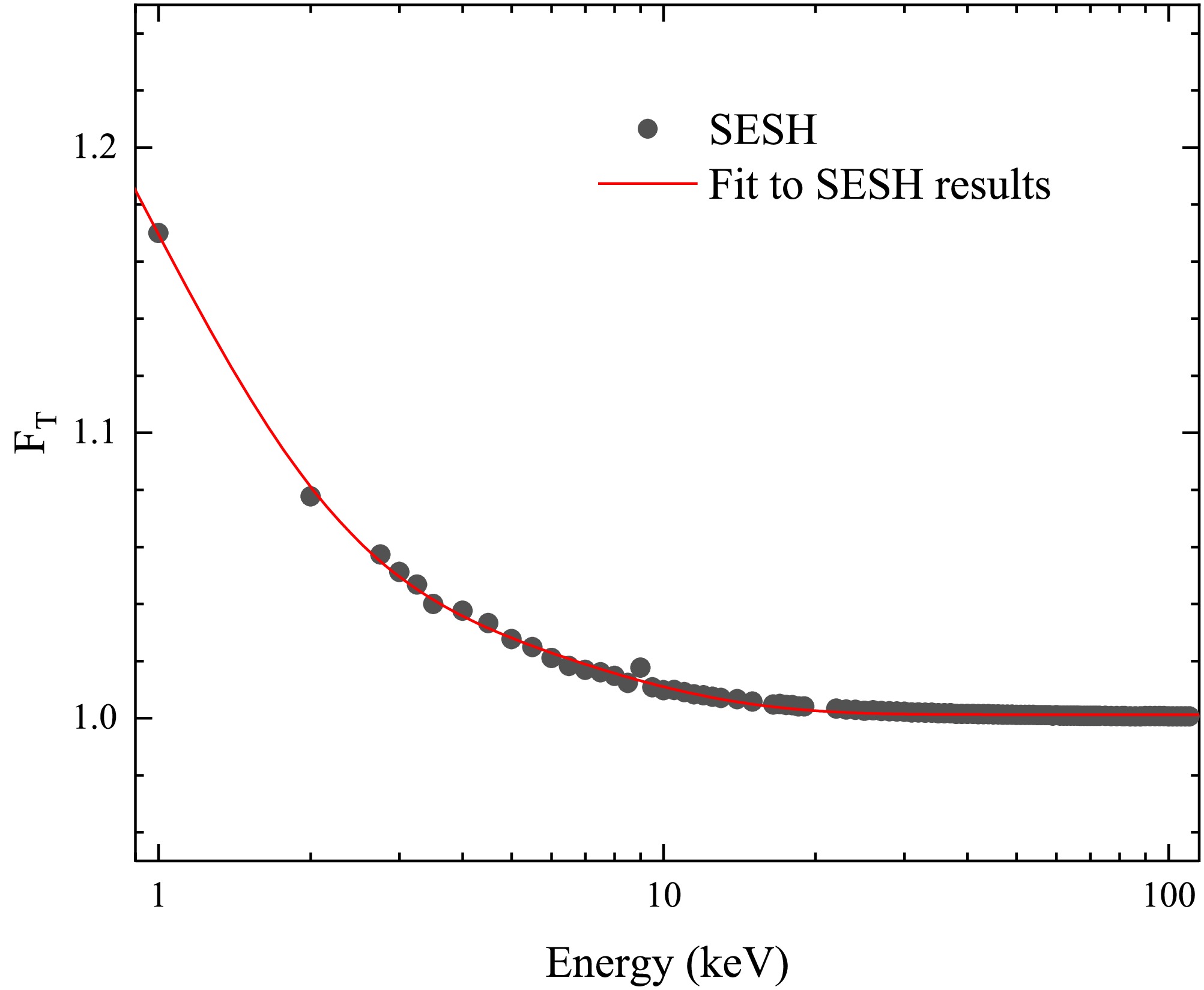
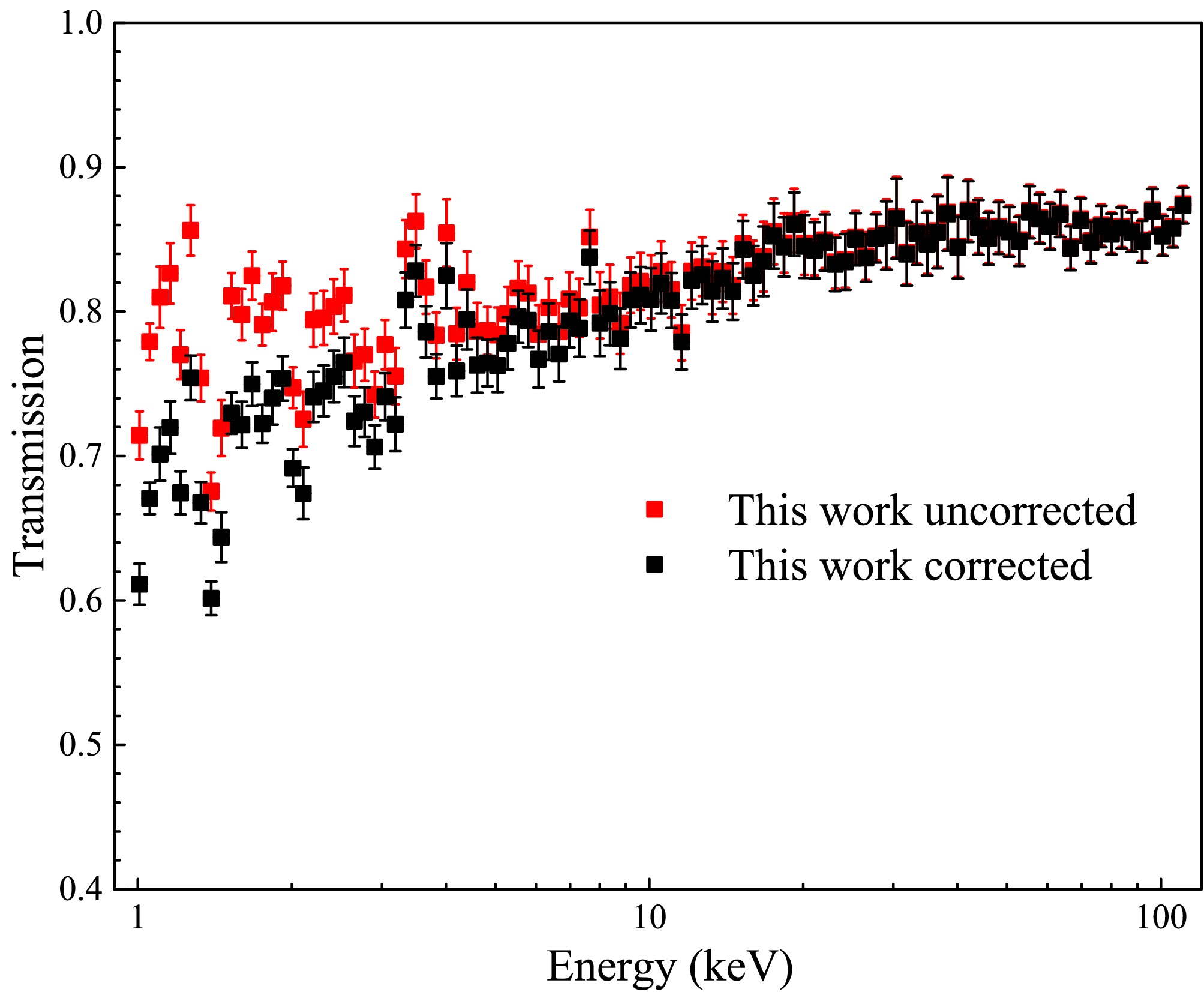
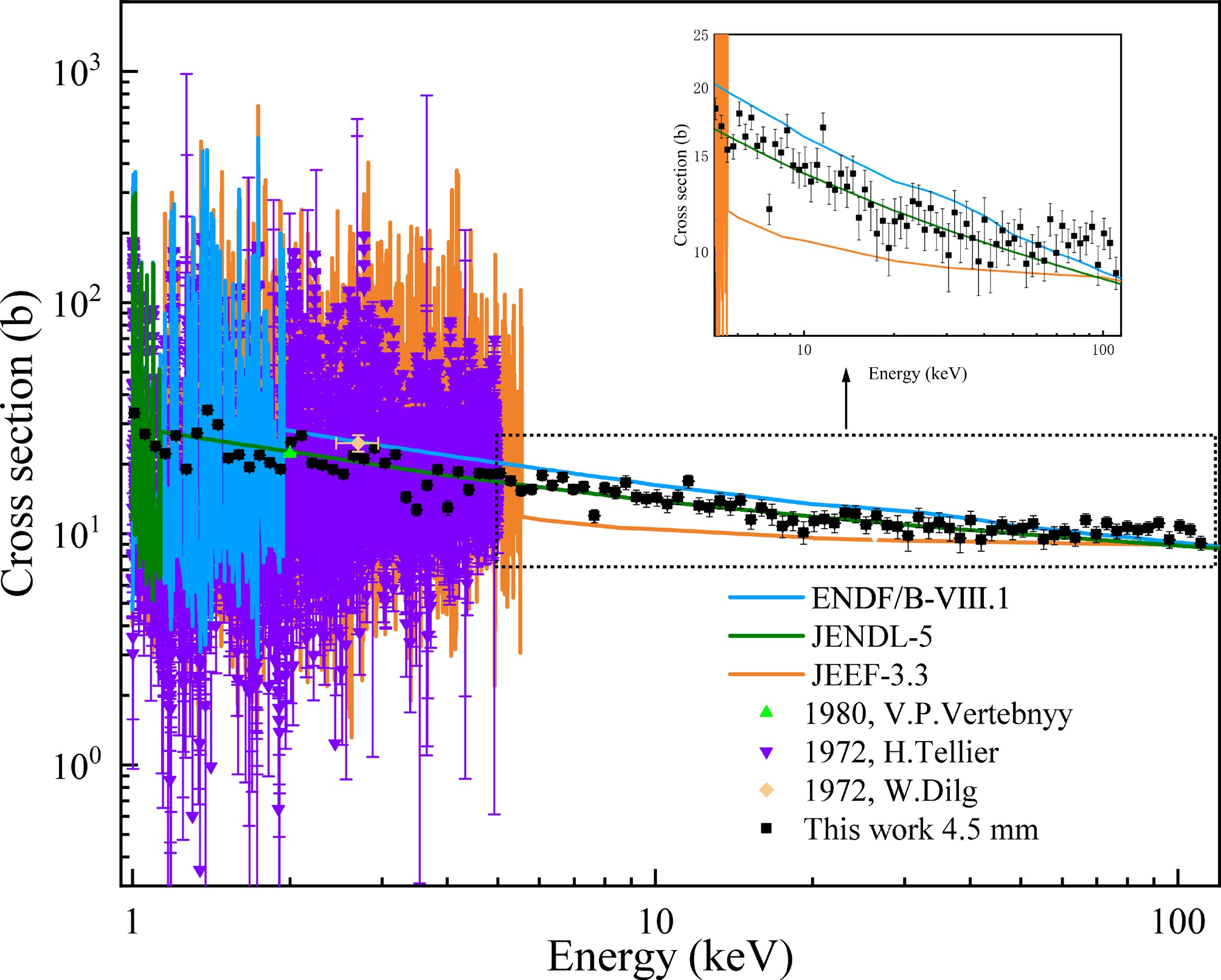
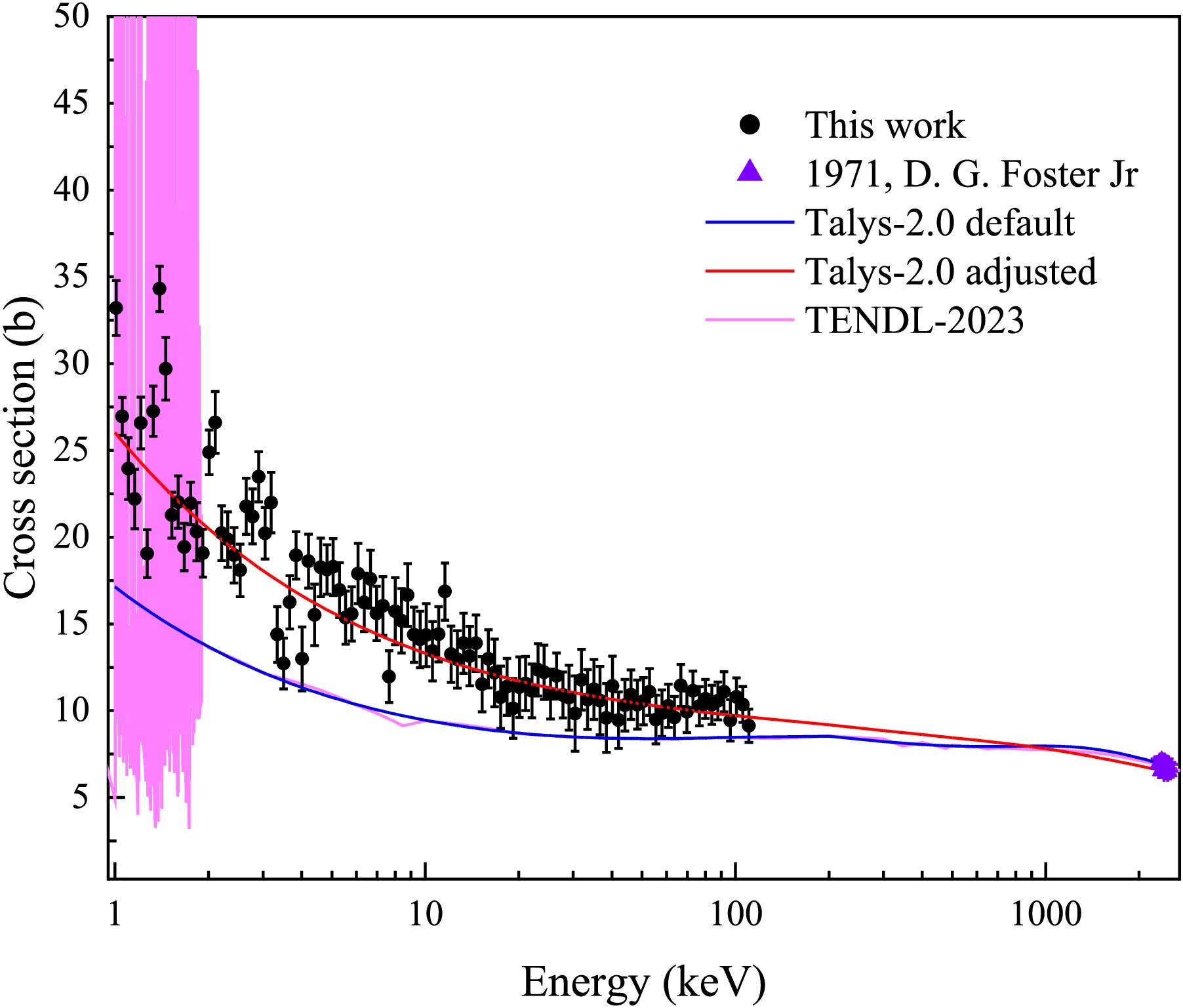
2026, 50(4): 044107. doi: 10.1088/1674-1137/ae35ff
Abstract:
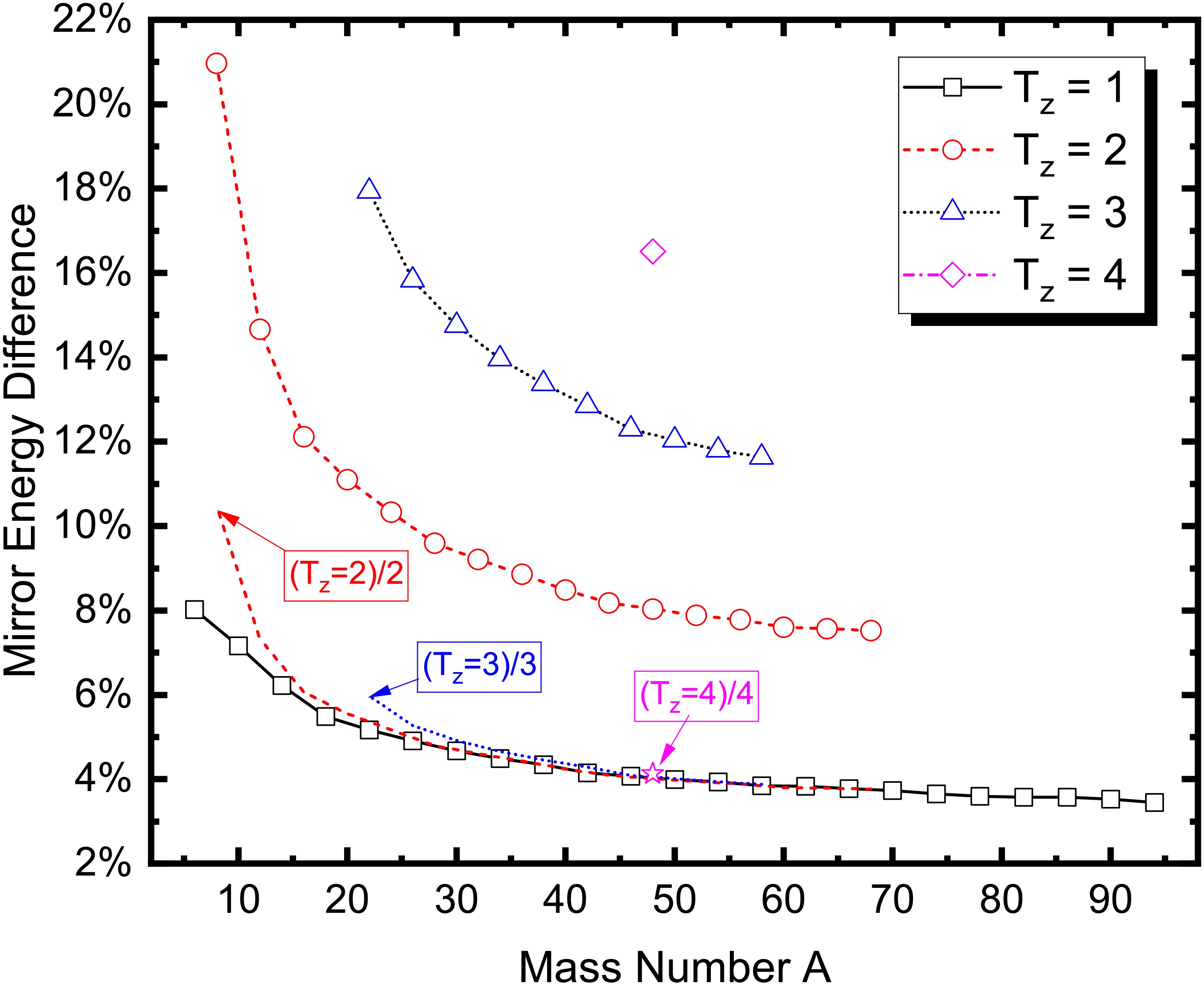
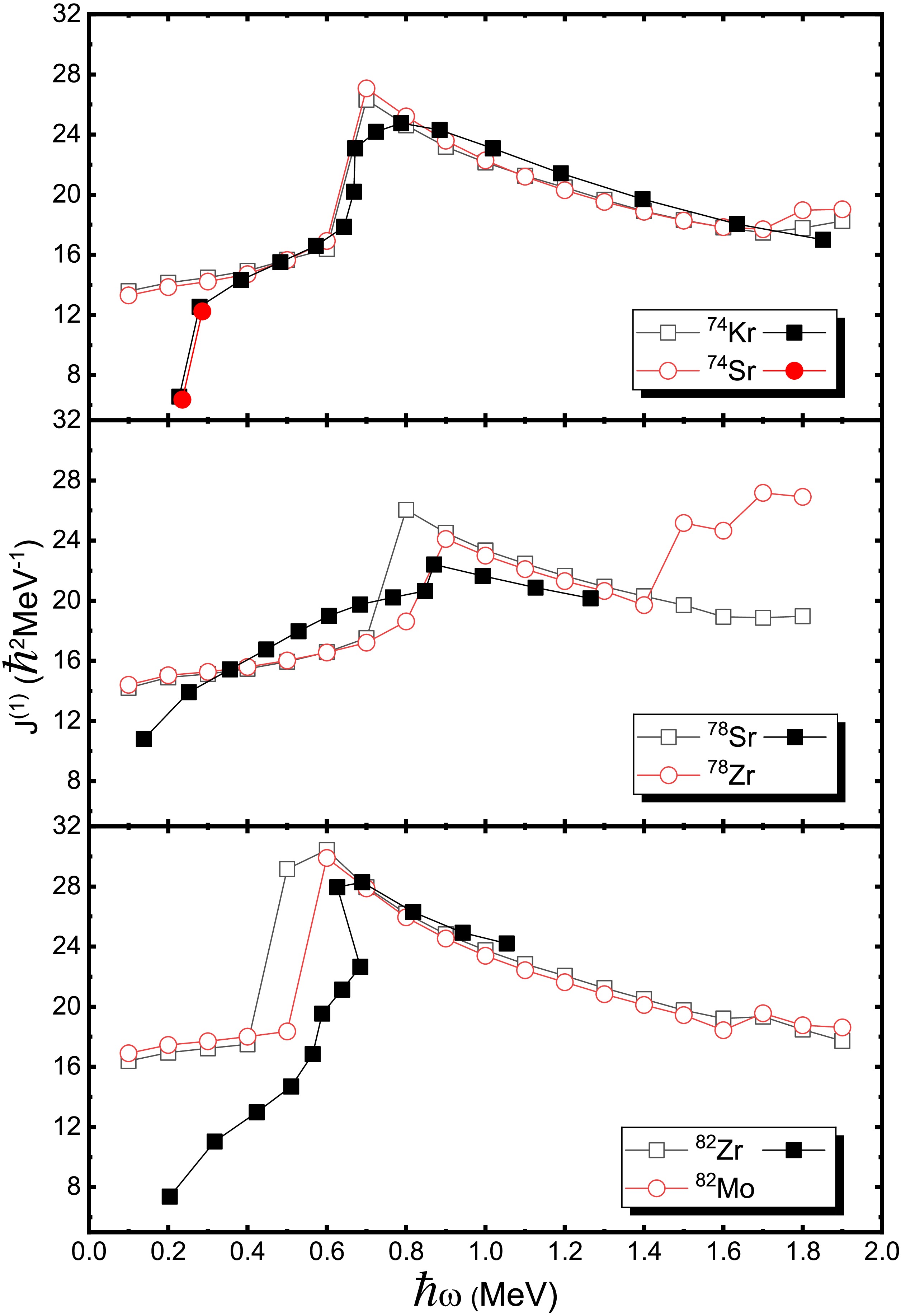
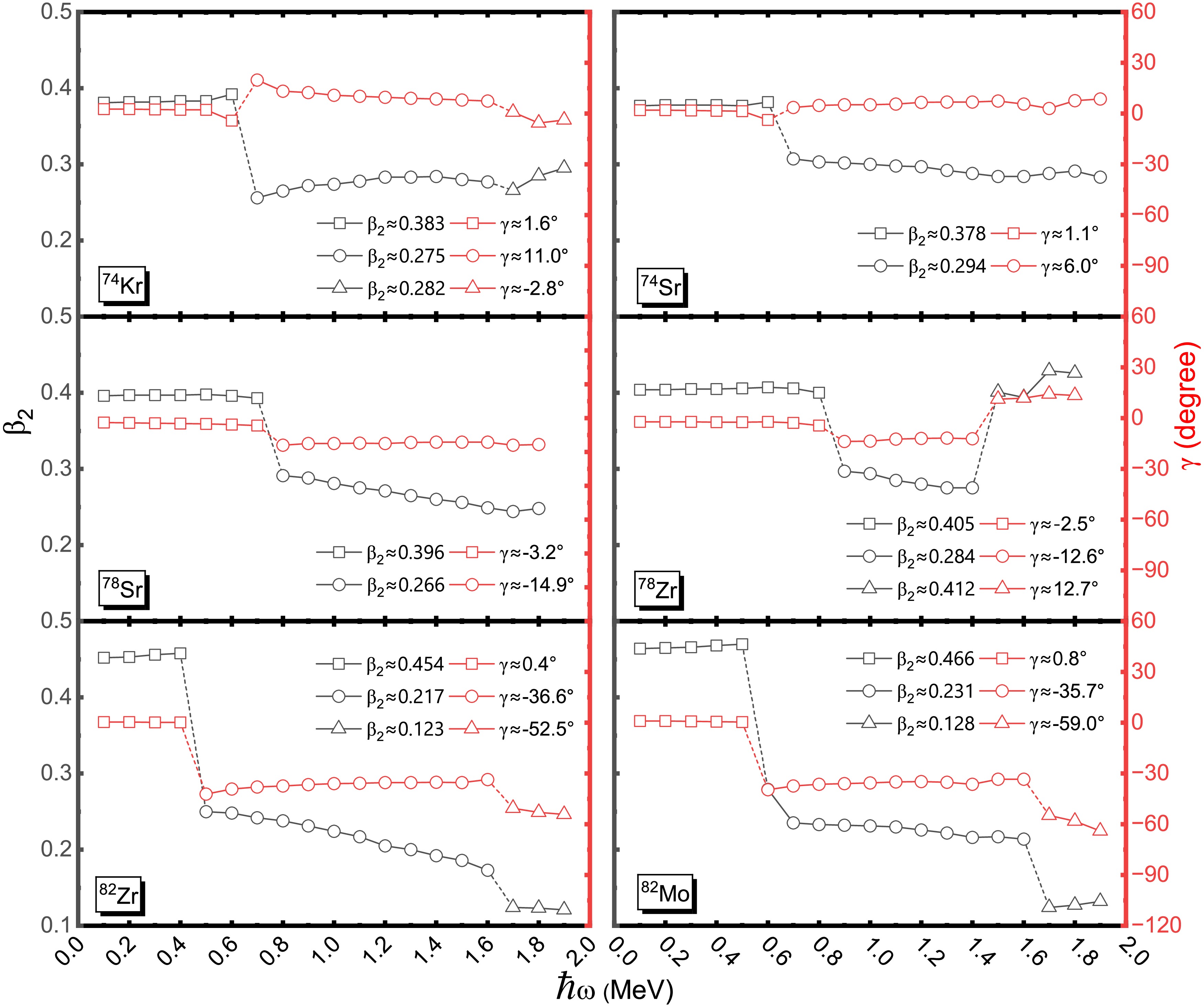
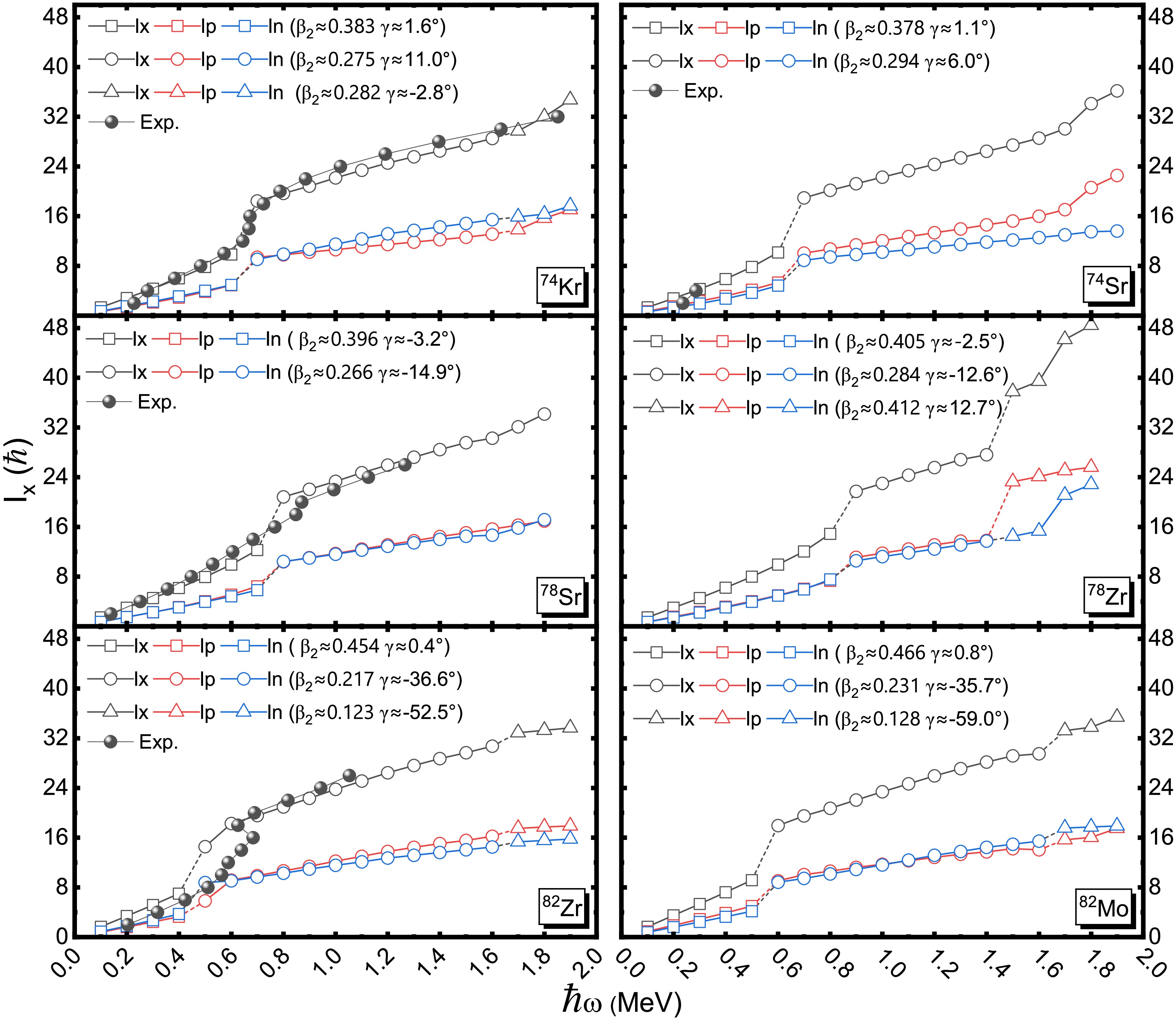
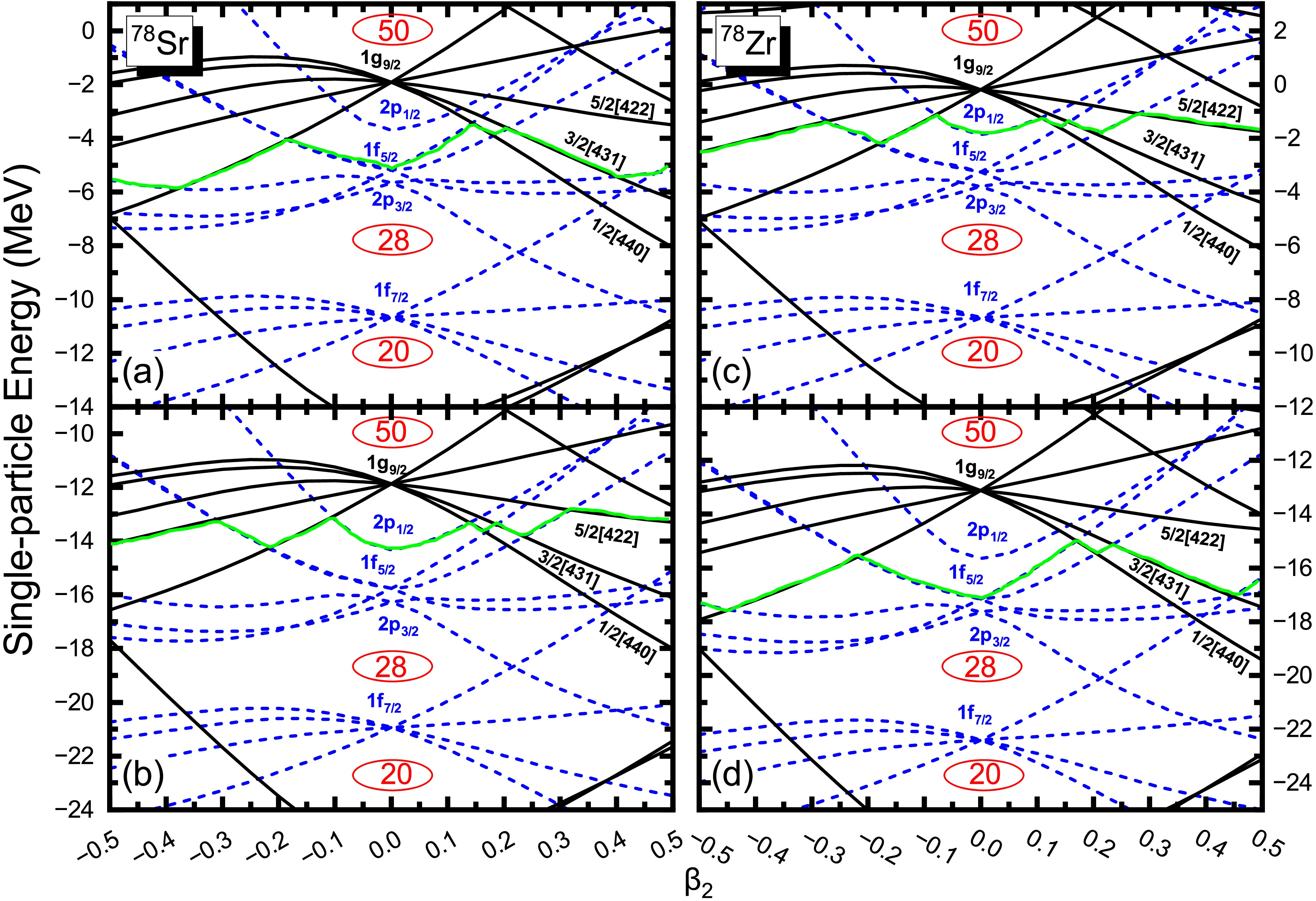
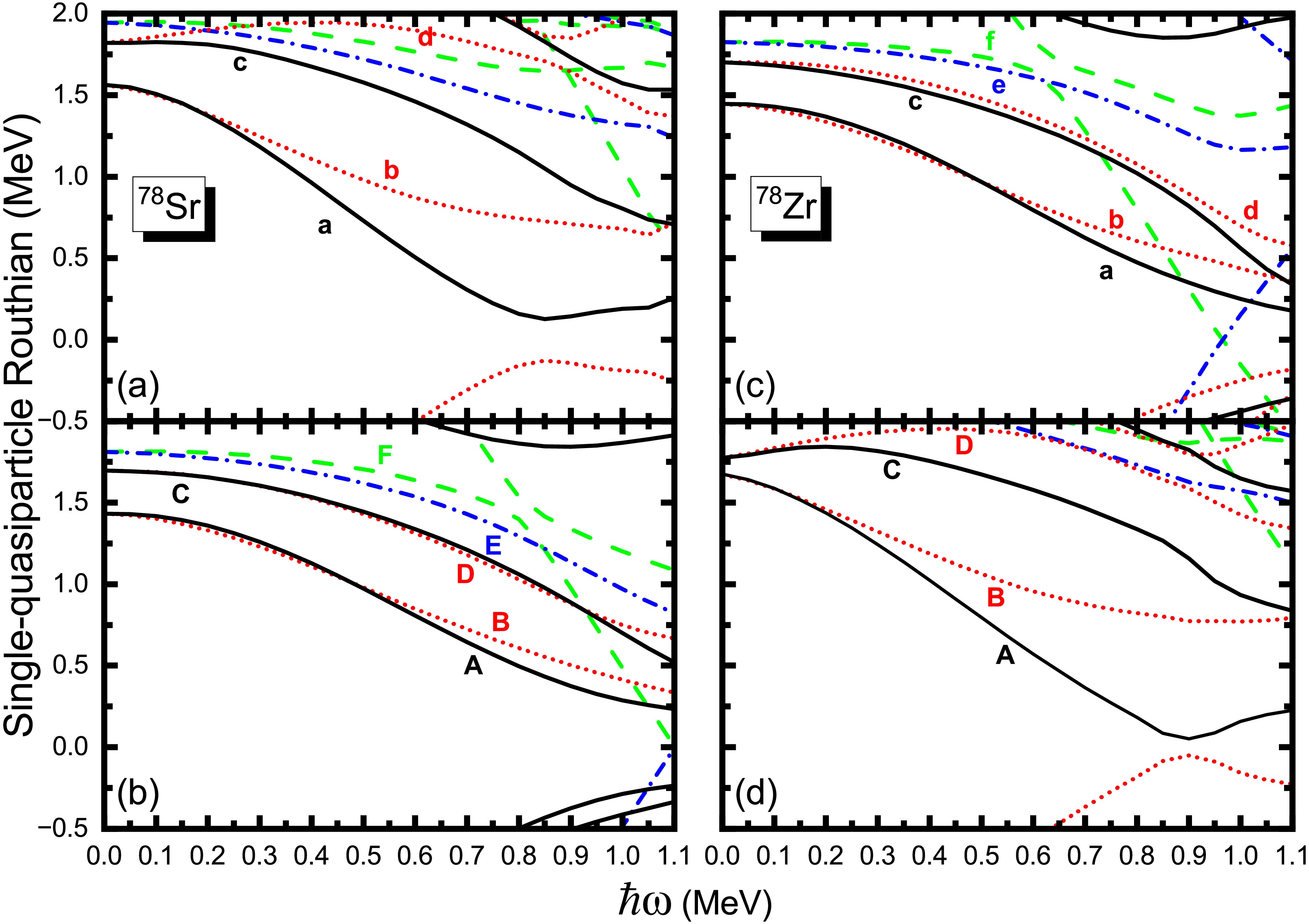
Within the framework of the microscopic-macroscopic model, using total Routhian surface calculations in the three-dimensional space (\begin{document}$ \beta_2 $\end{document} \begin{document}$ \beta_4 $\end{document} \begin{document}$ R_{4/2} $\end{document} \begin{document}$ E_{2_1^+} $\end{document} \begin{document}$ E_{\rm{bind}} $\end{document} \begin{document}$ \beta_2 $\end{document} \begin{document}$ \beta_4 $\end{document} \begin{document}$ 1g_{9/2} $\end{document}
Within the framework of the microscopic-macroscopic model, using total Routhian surface calculations in the three-dimensional space (

2026, 50(4): 044108. doi: 10.1088/1674-1137/ae2f4f
Abstract:
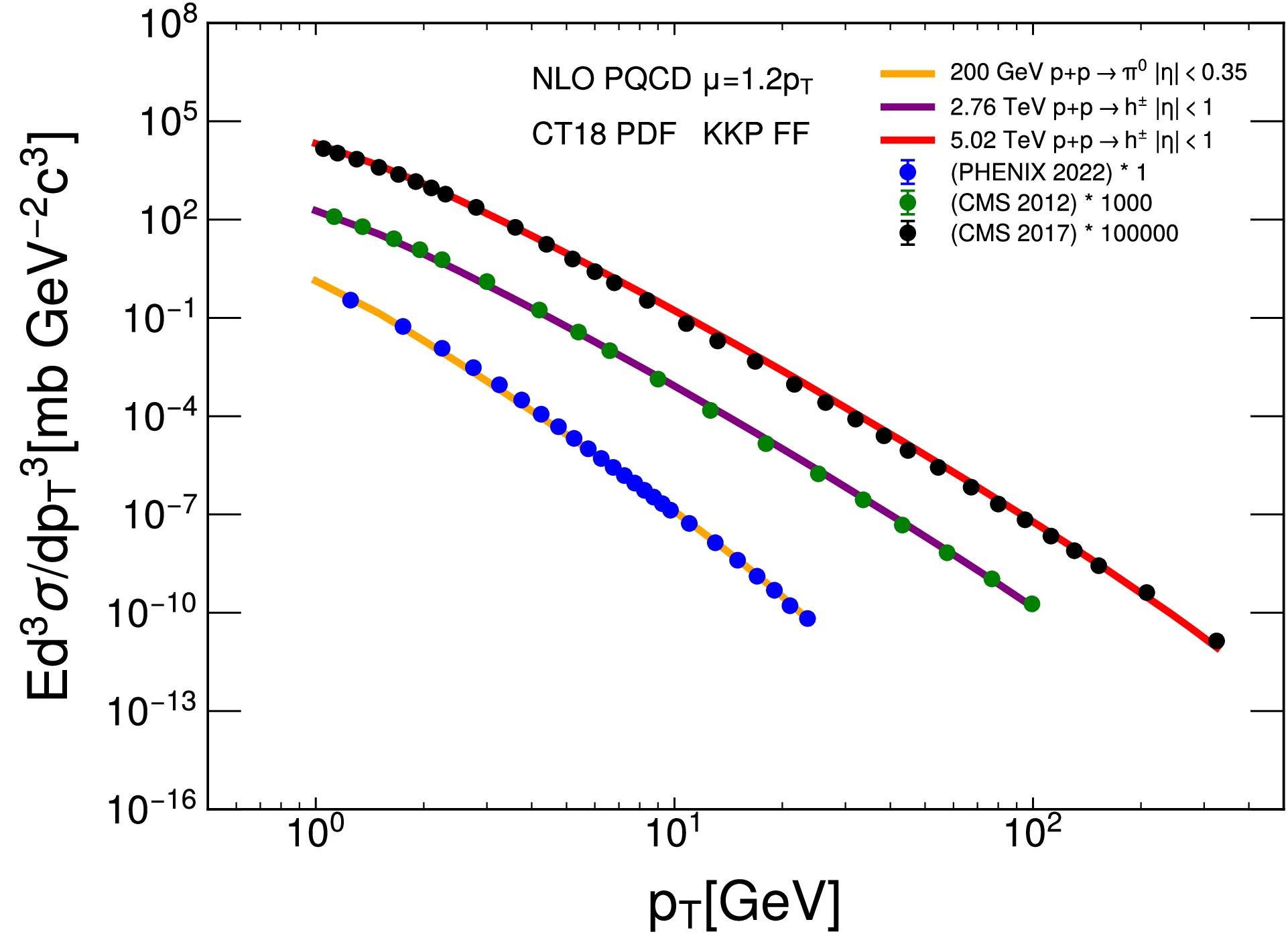
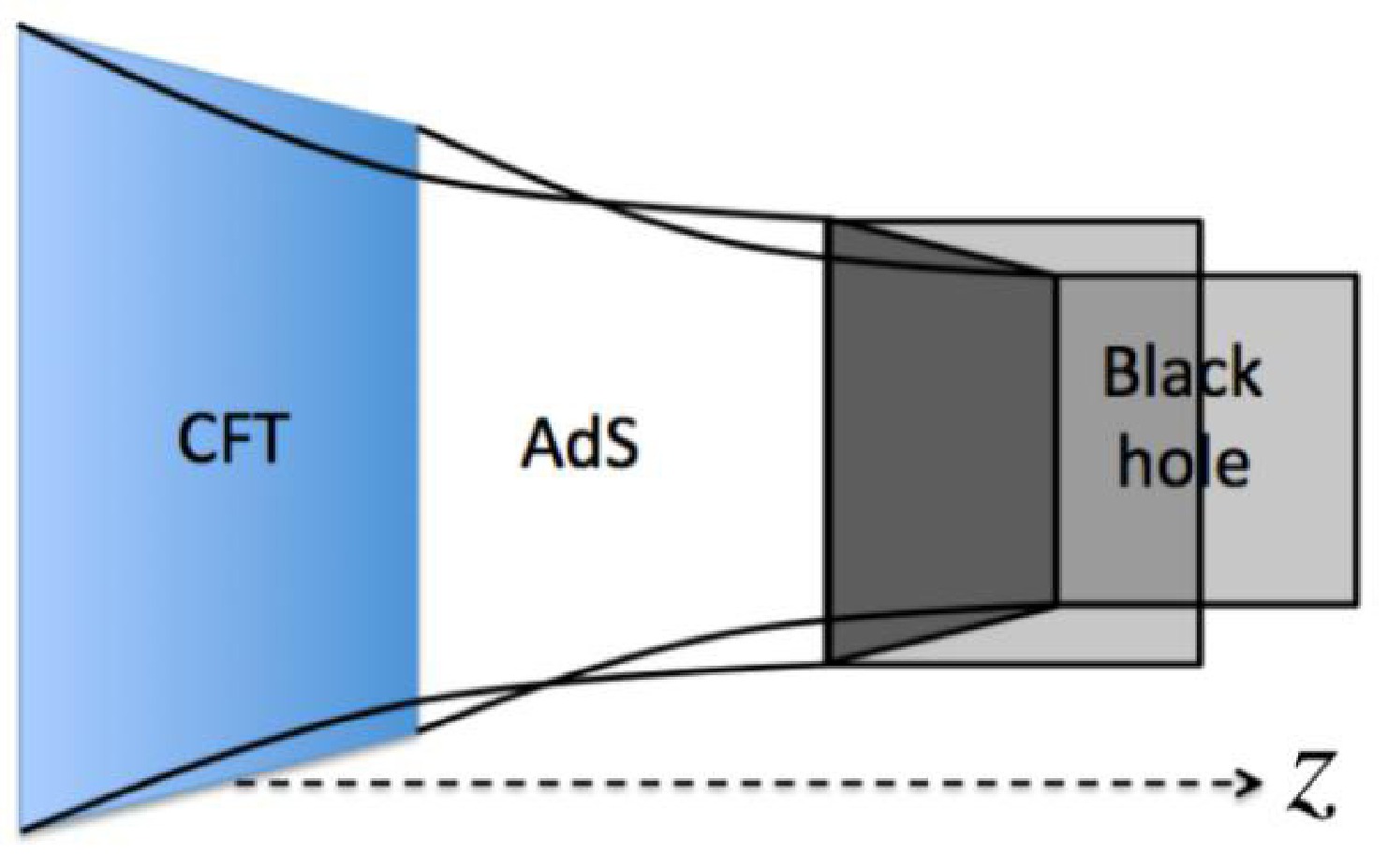
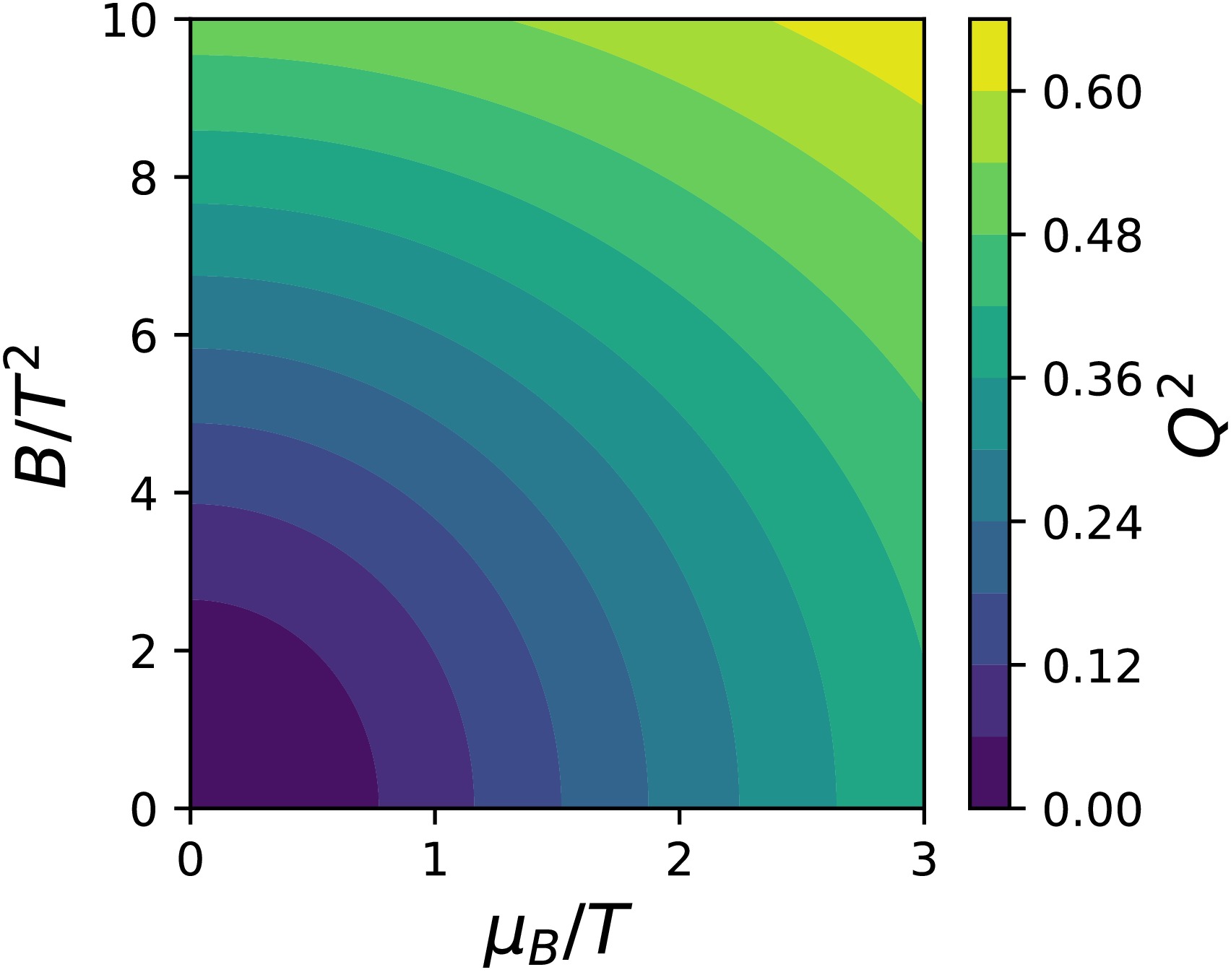
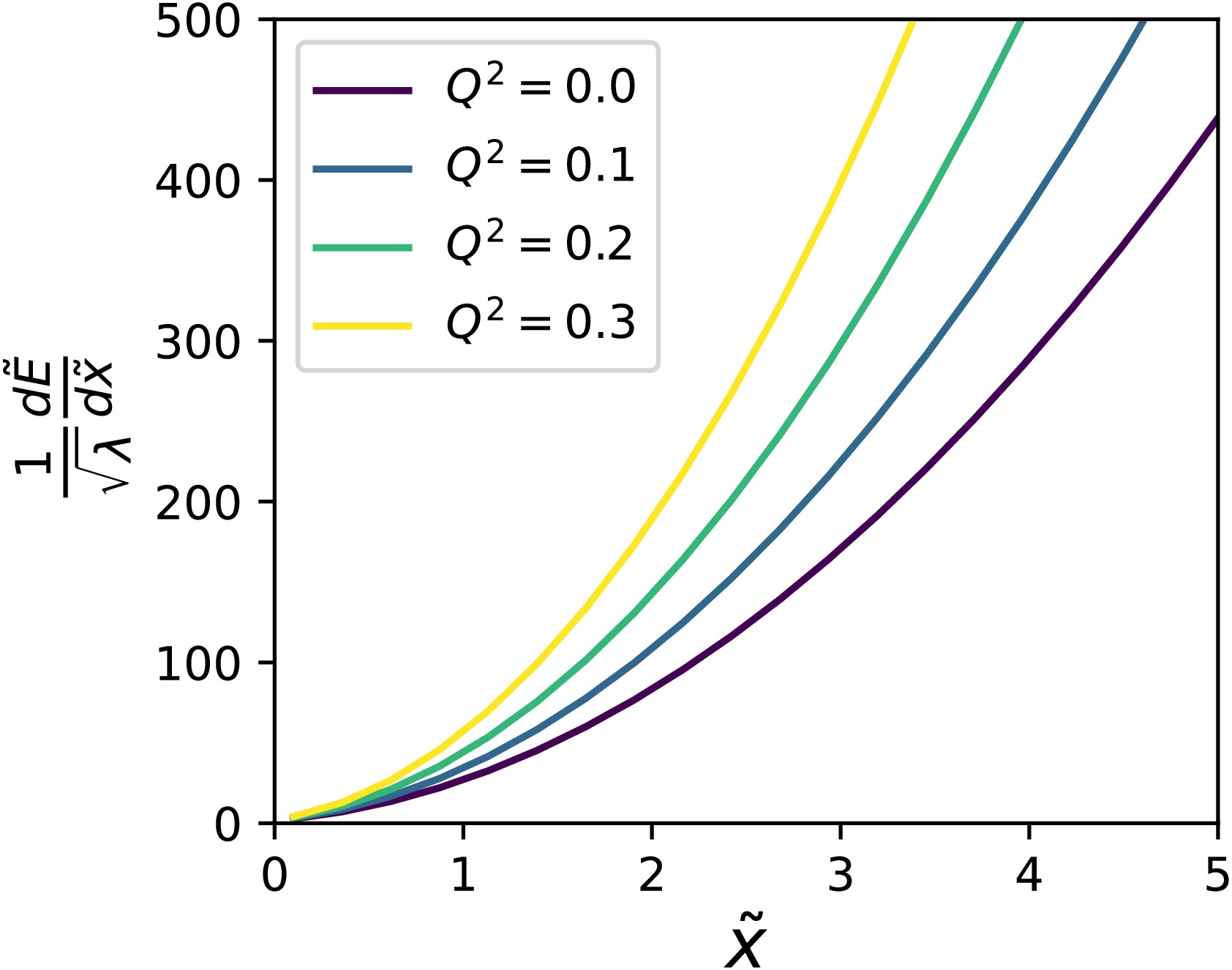
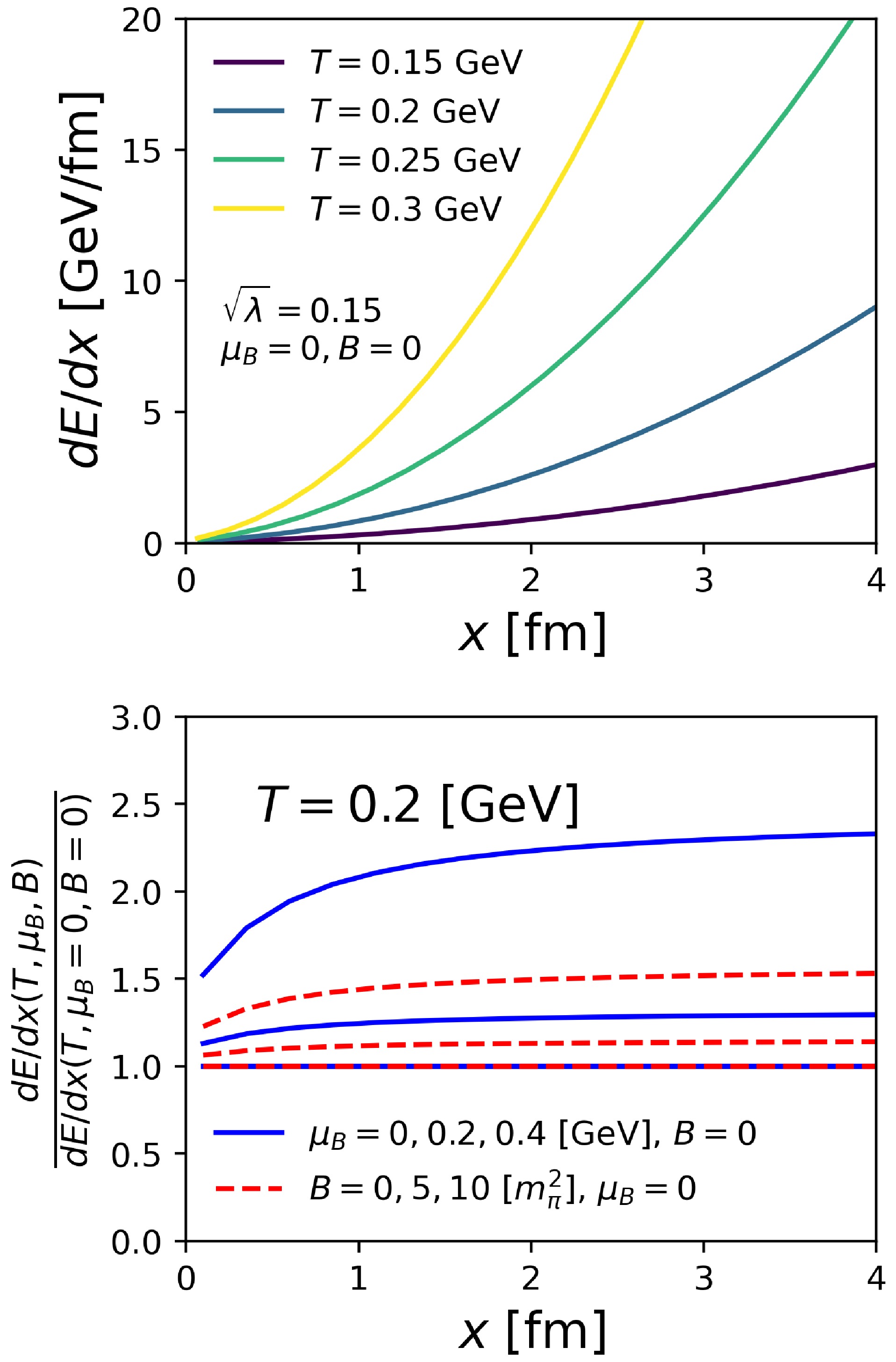
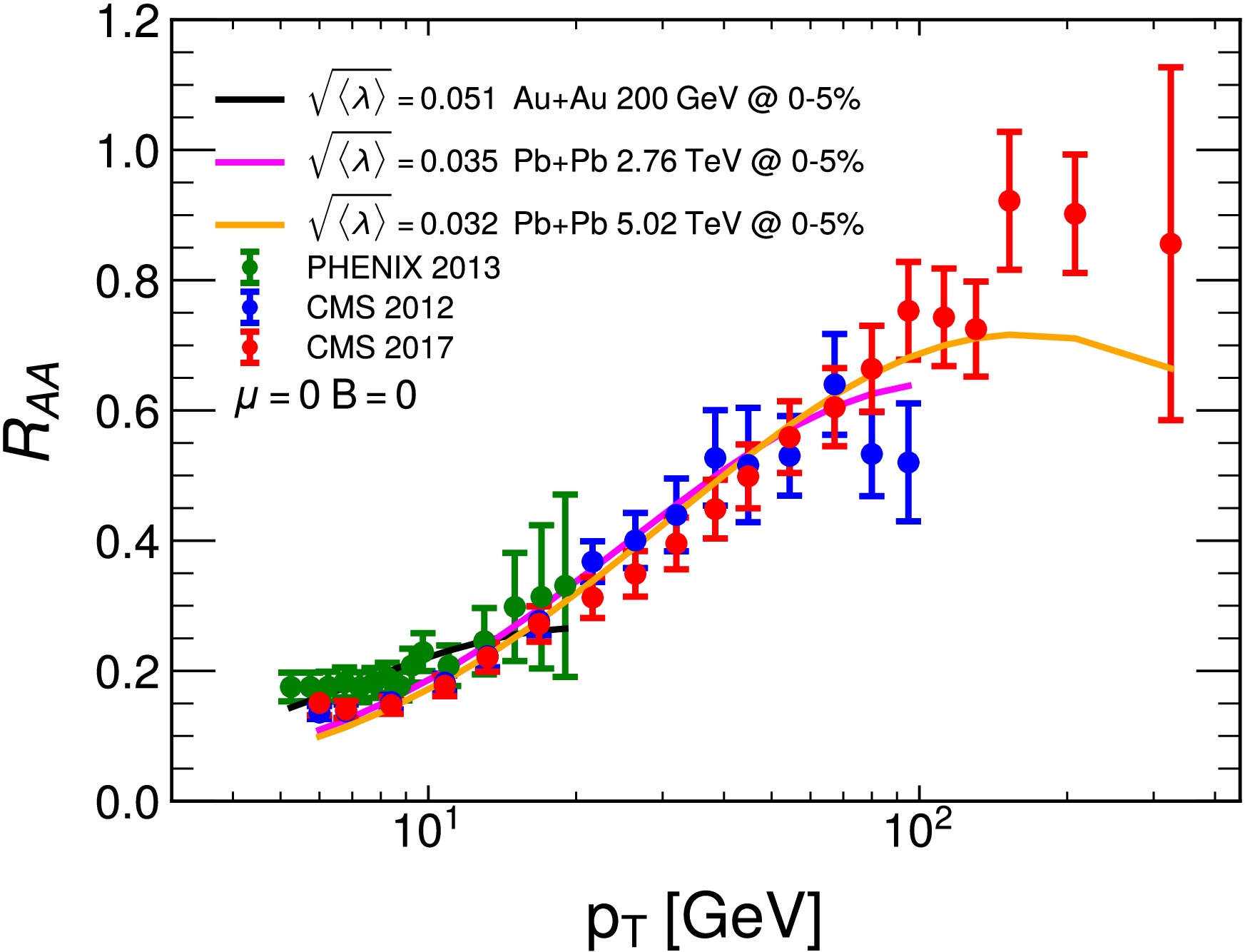
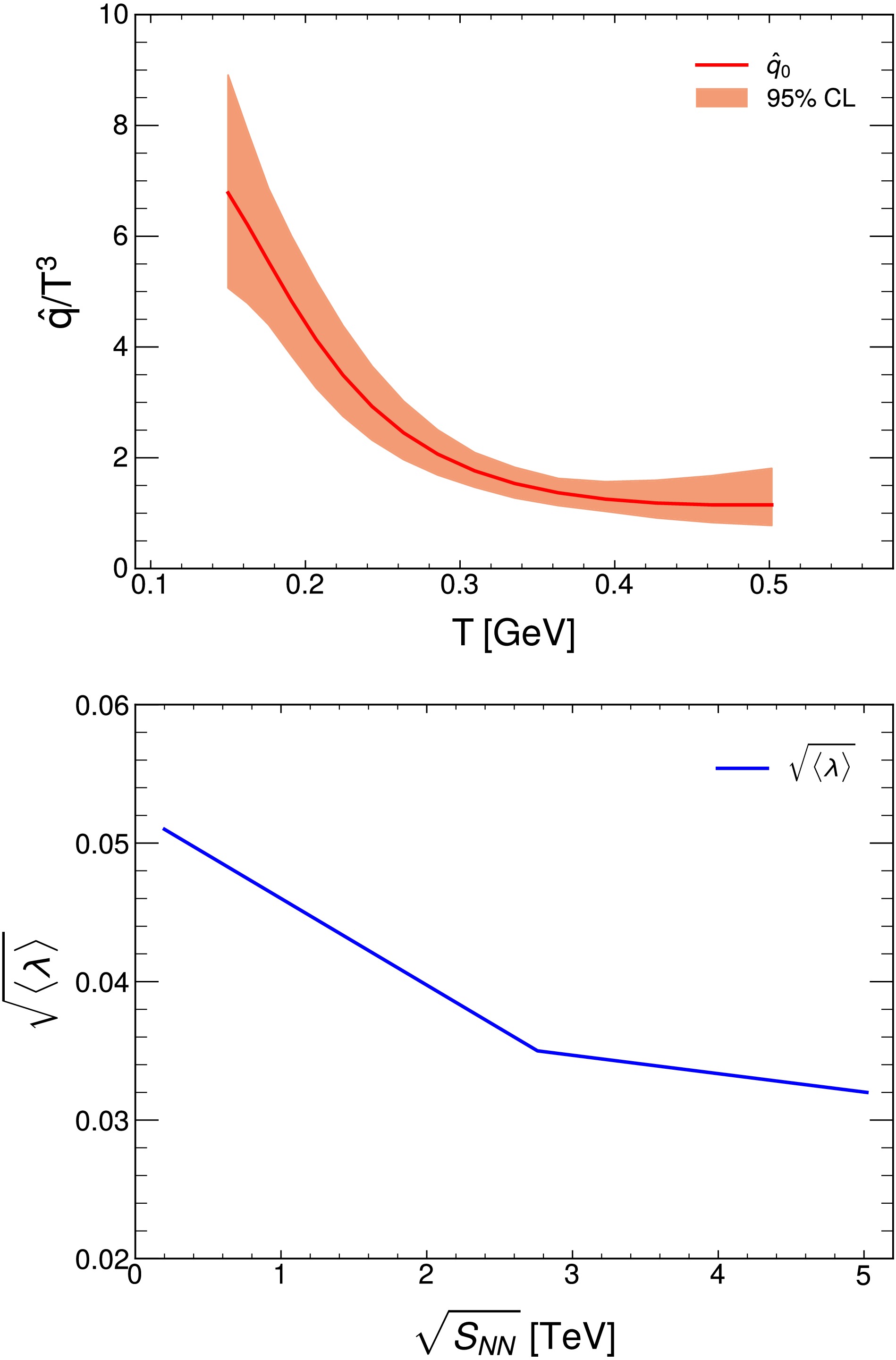
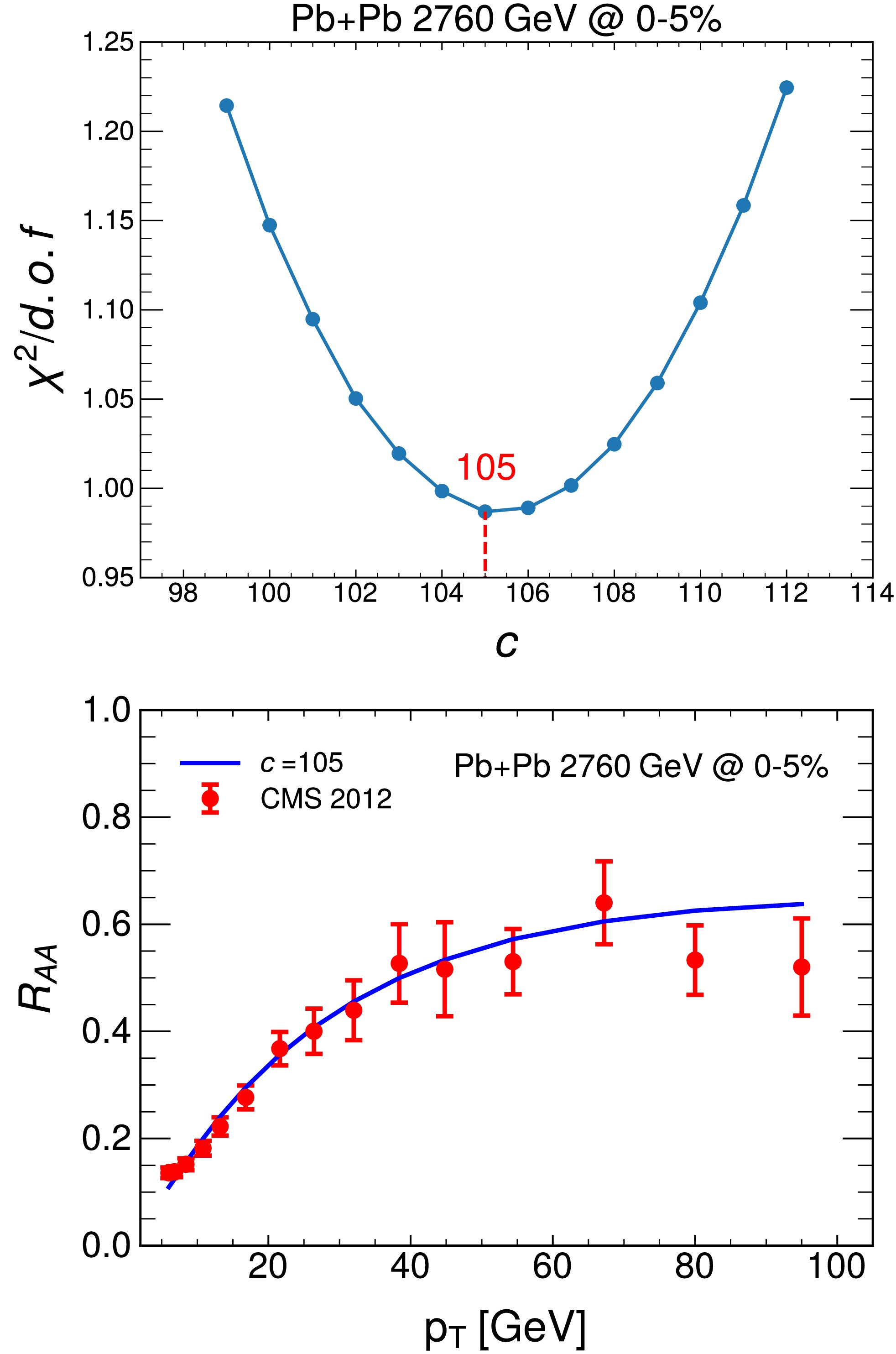
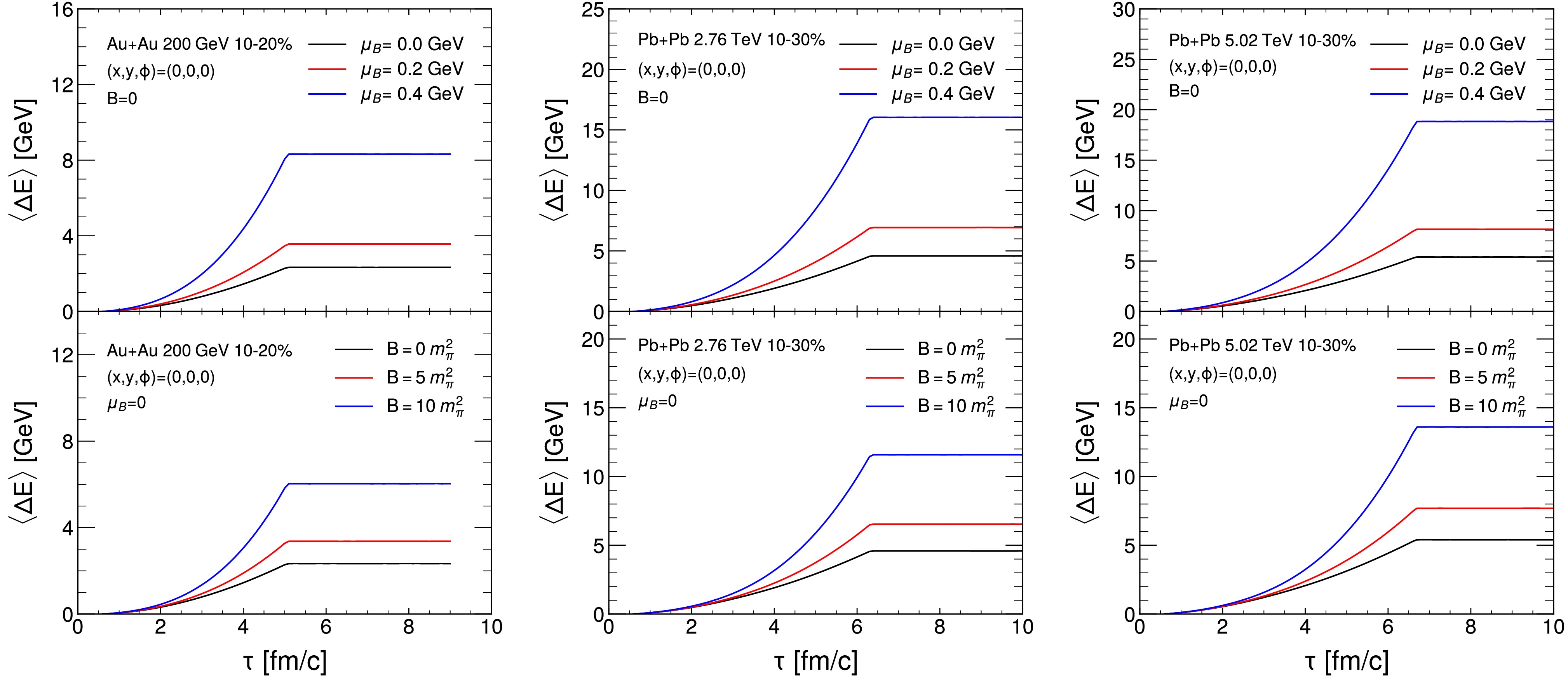
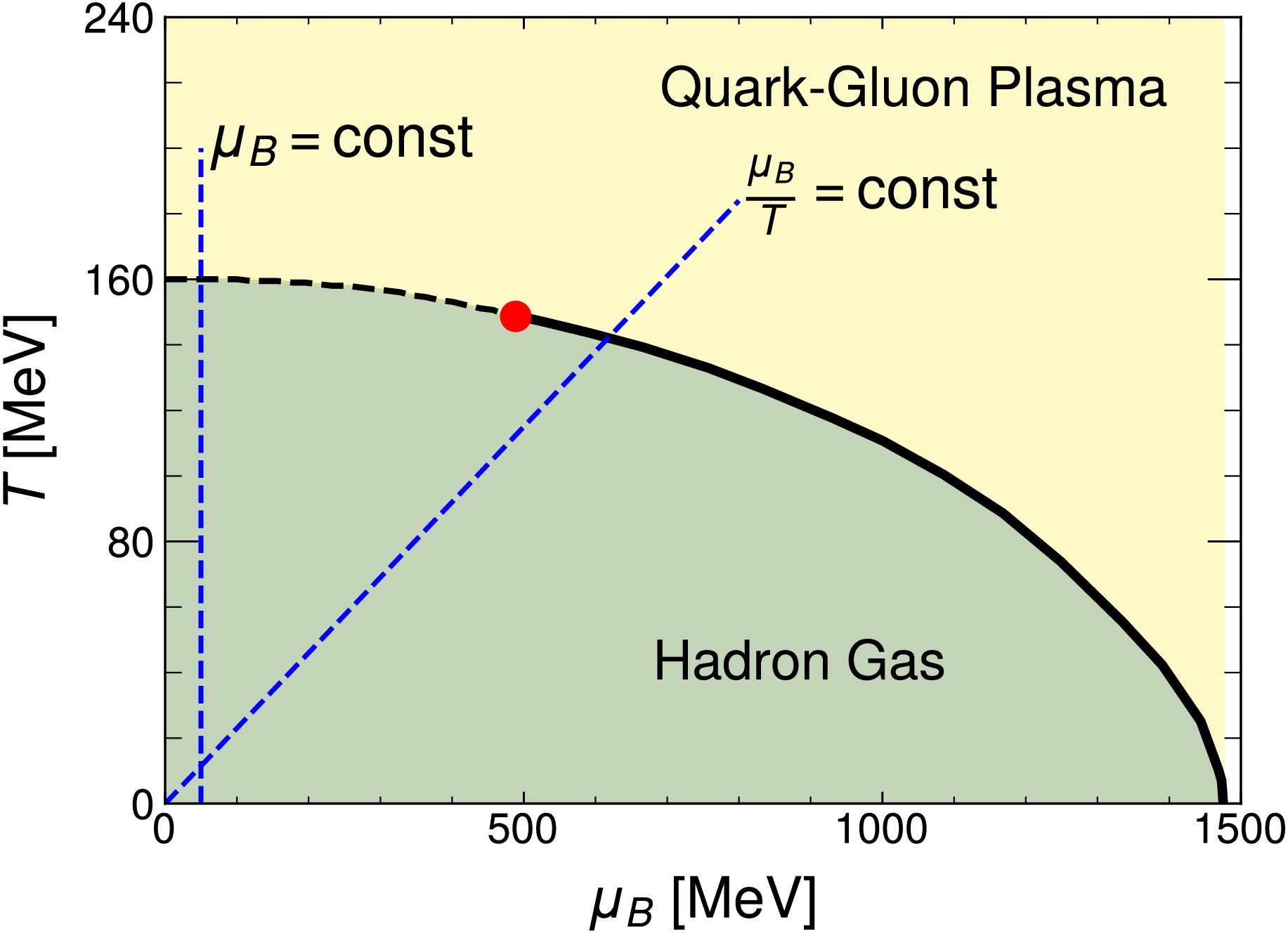
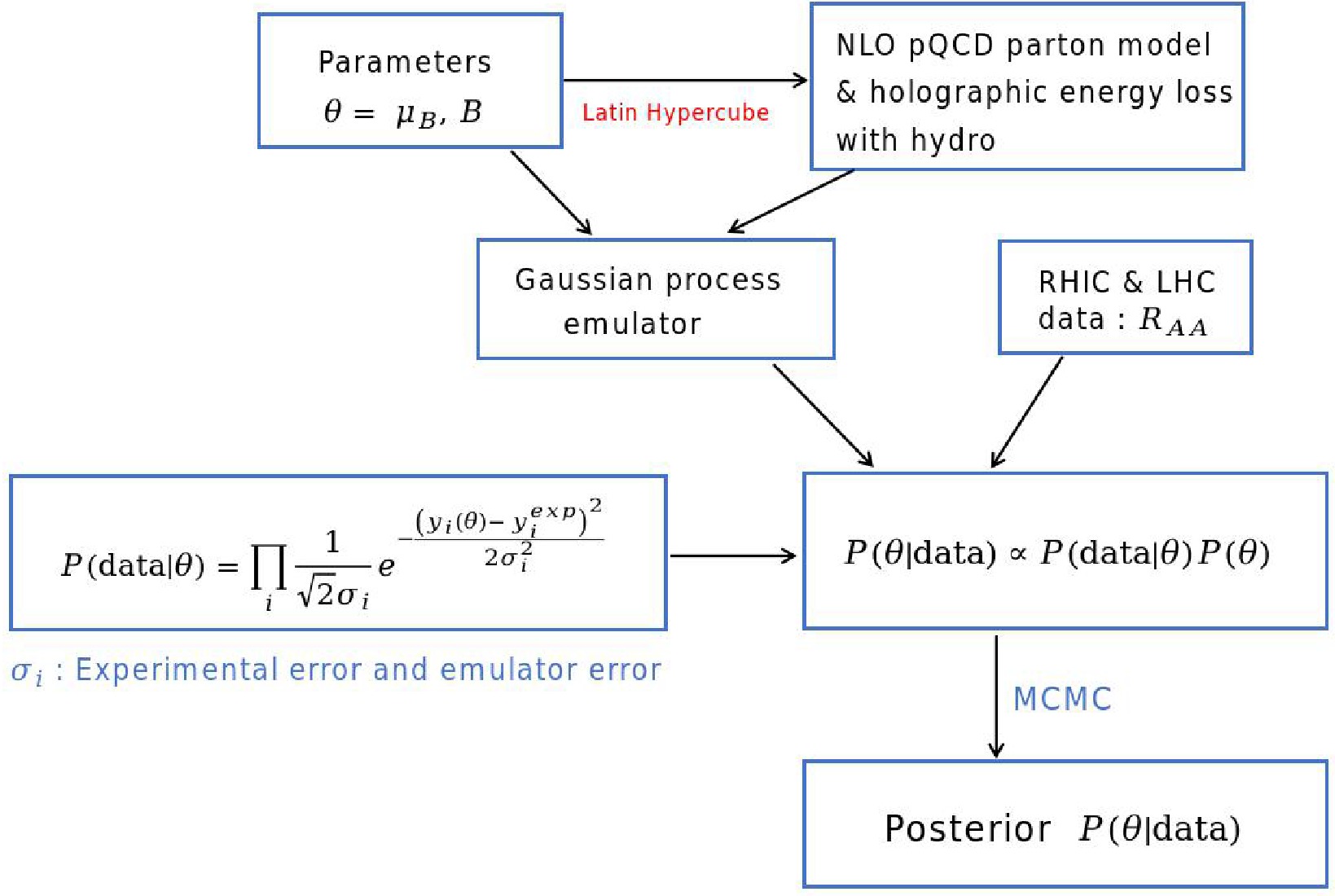
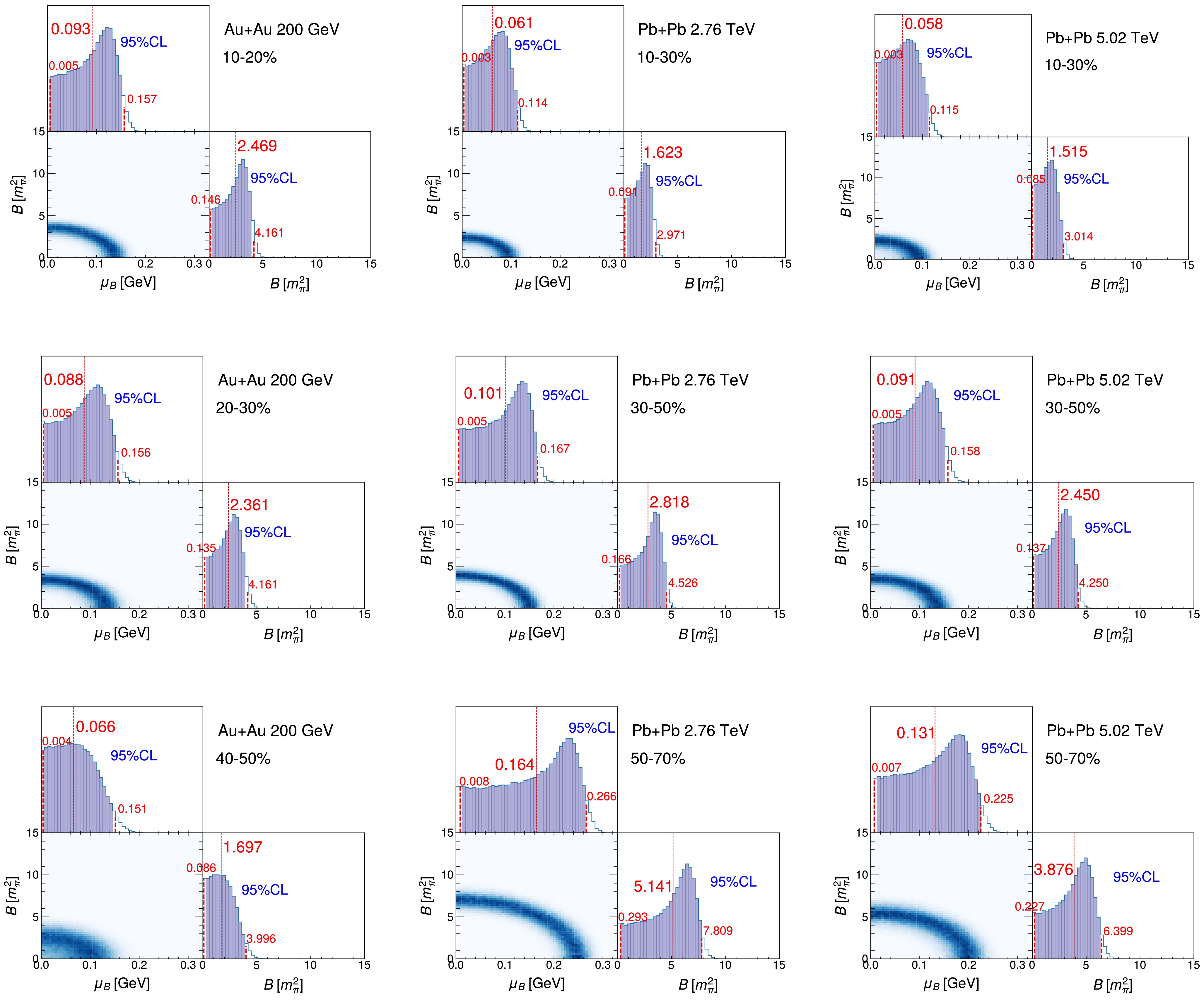
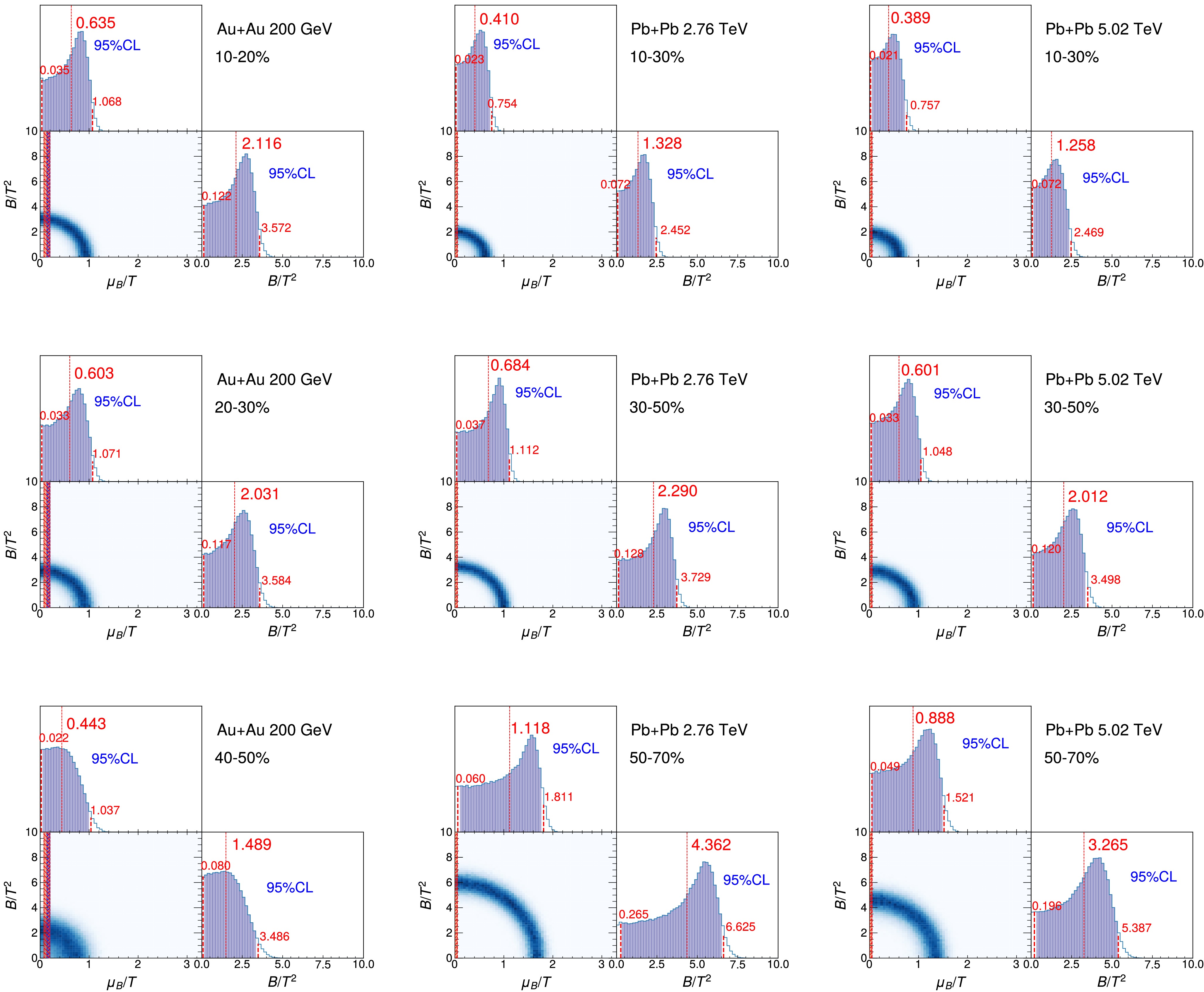
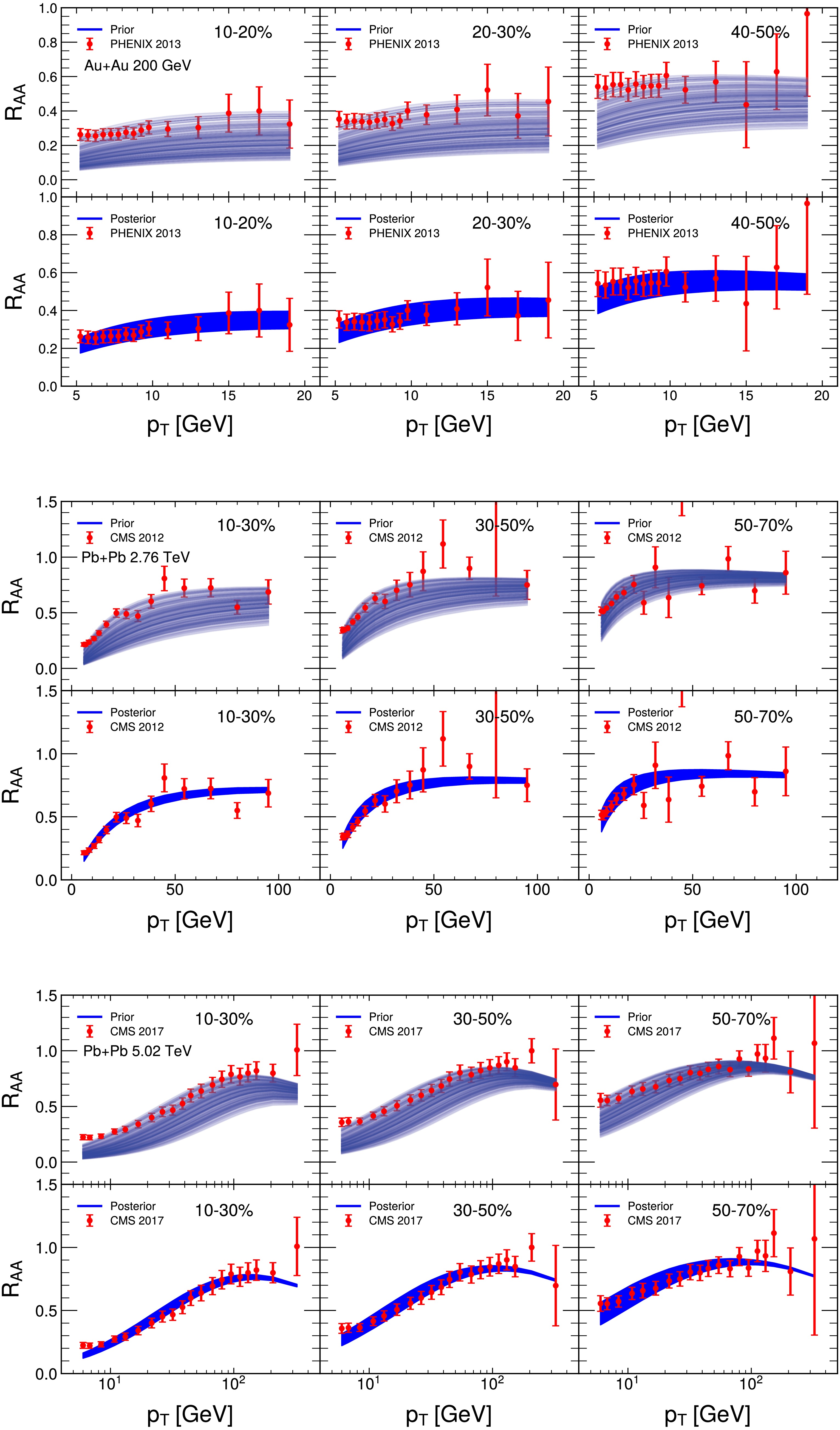
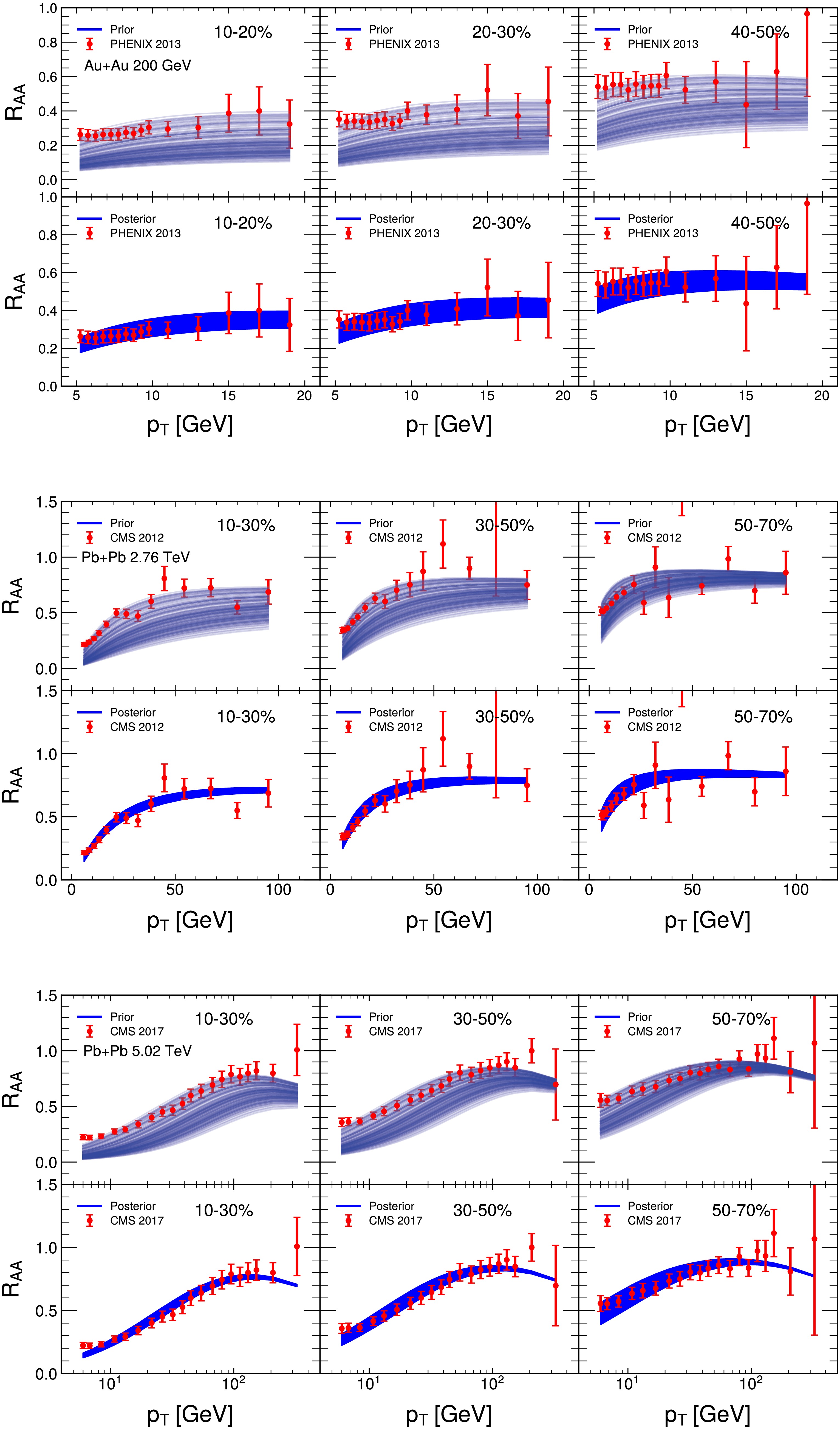
Jet quenching is studied in a background magnetic field and finite baryon chemical potential. The production of energetic partons is calculated using the next-to-leading order (NLO) perturbative Quantum Chromodynamics (pQCD) parton model, whereas the parton energy loss formula is obtained from the AdS/CFT correspondence incorporating the magnetic field and baryon chemical potential effects. Using Bayesian inference, we systemically compare theoretical calculations with experimental data for the nuclear modification factor\begin{document}$ R_{AA}$\end{document}
Jet quenching is studied in a background magnetic field and finite baryon chemical potential. The production of energetic partons is calculated using the next-to-leading order (NLO) perturbative Quantum Chromodynamics (pQCD) parton model, whereas the parton energy loss formula is obtained from the AdS/CFT correspondence incorporating the magnetic field and baryon chemical potential effects. Using Bayesian inference, we systemically compare theoretical calculations with experimental data for the nuclear modification factor
2026, 50(4): 044109. doi: 10.1088/1674-1137/ae31e0
Abstract:
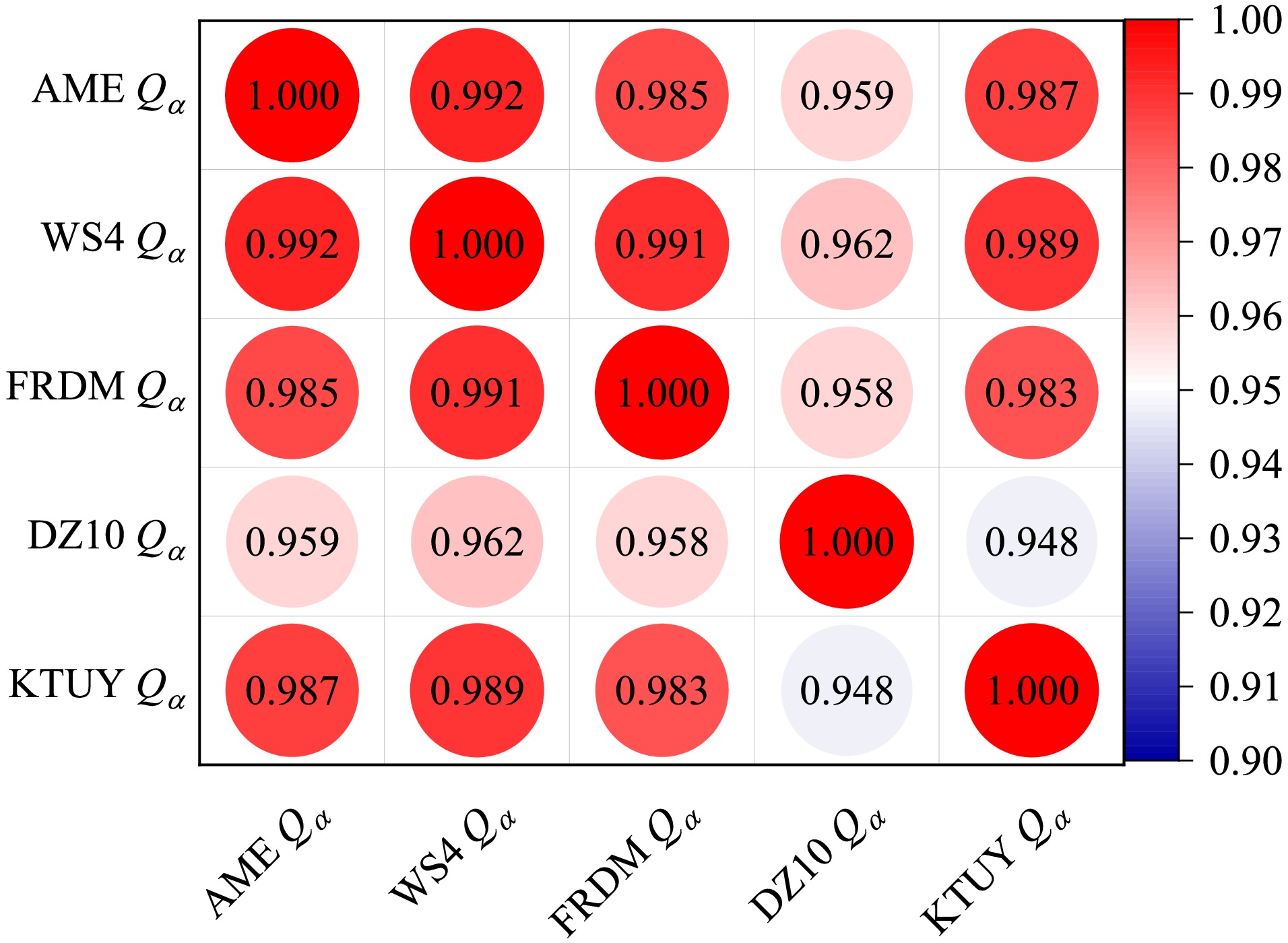
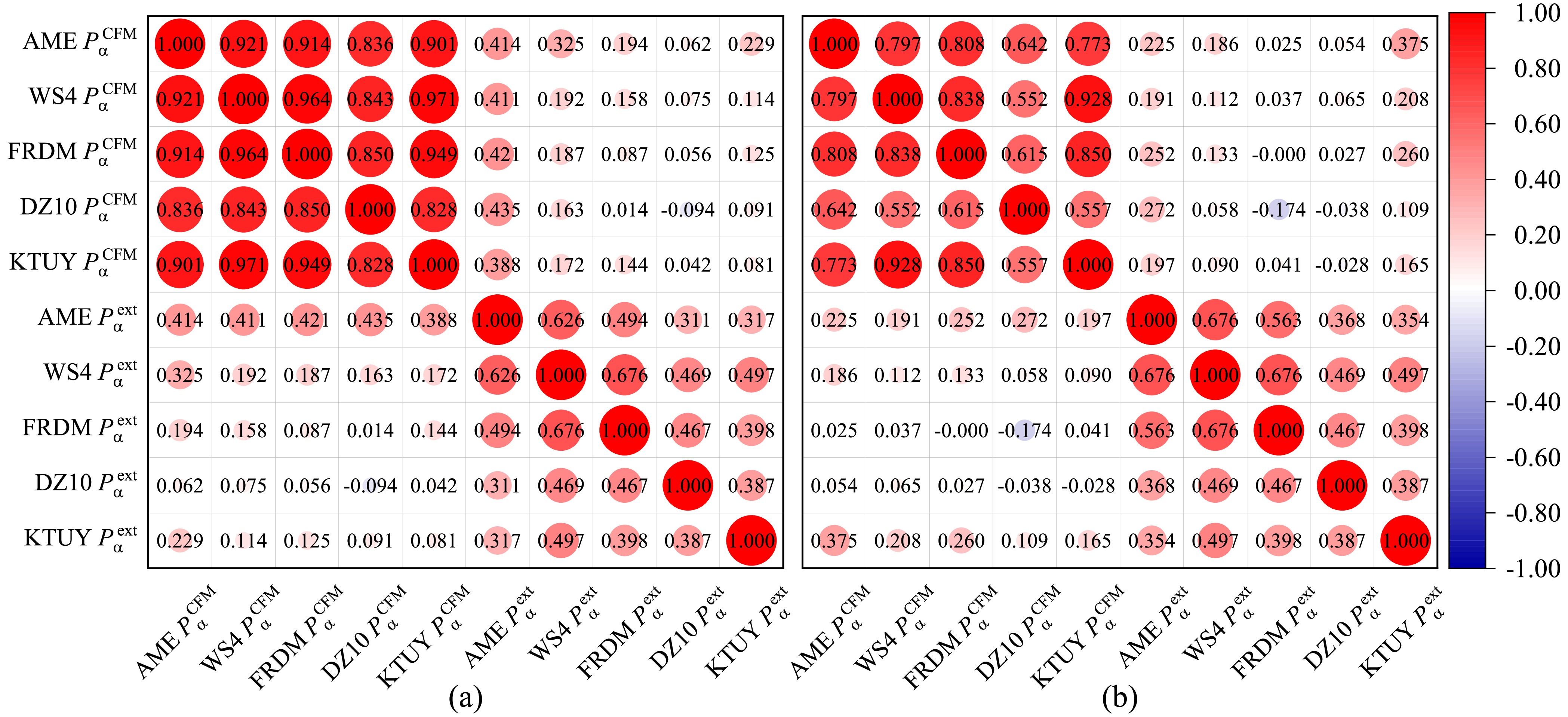
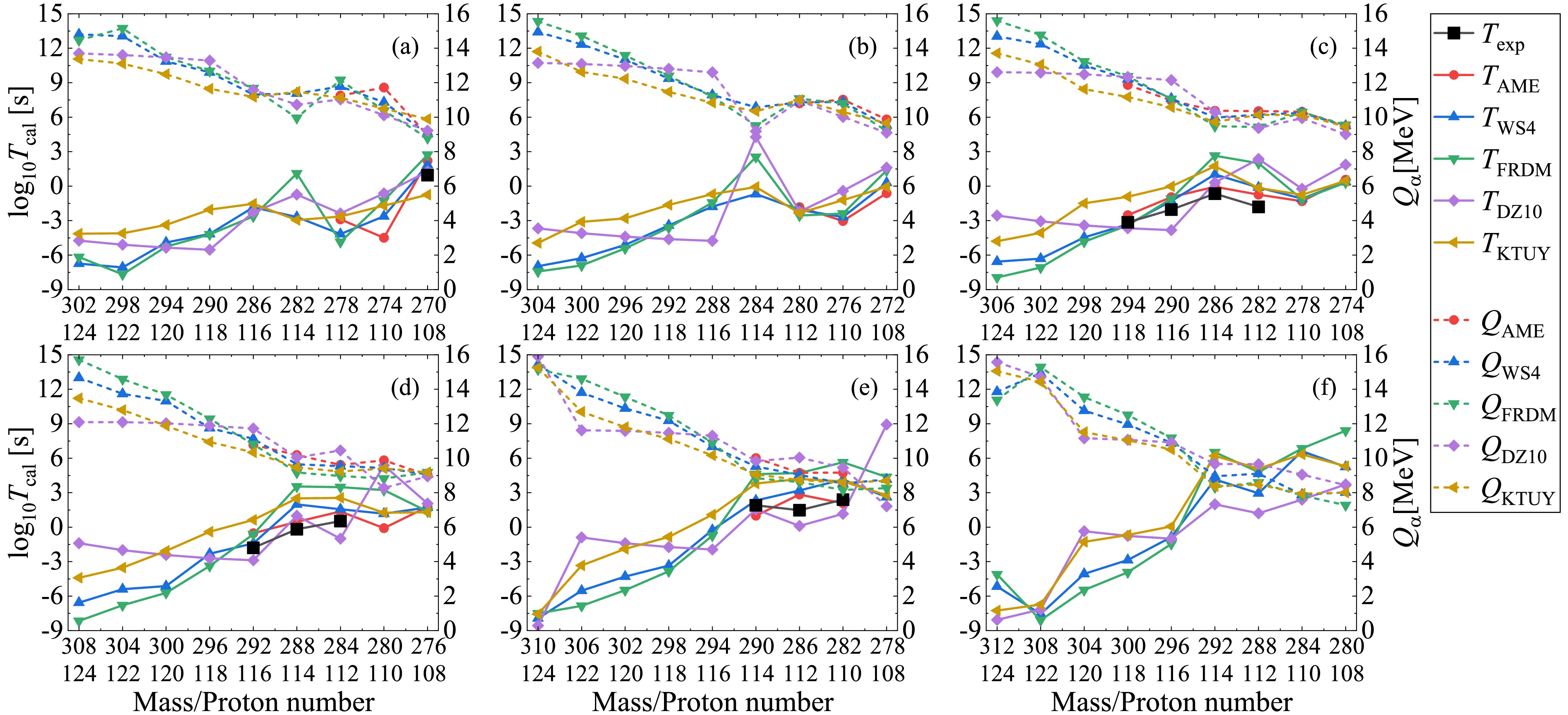
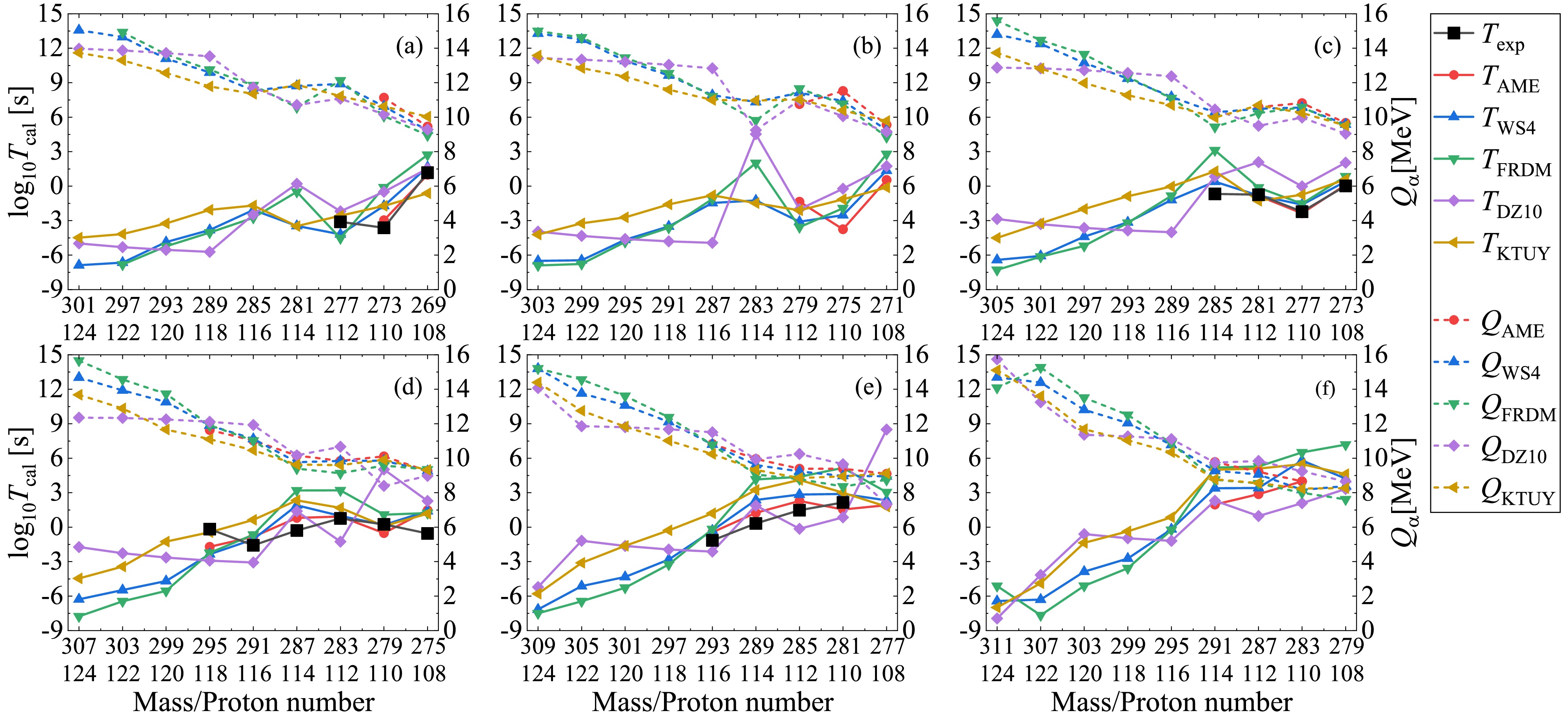
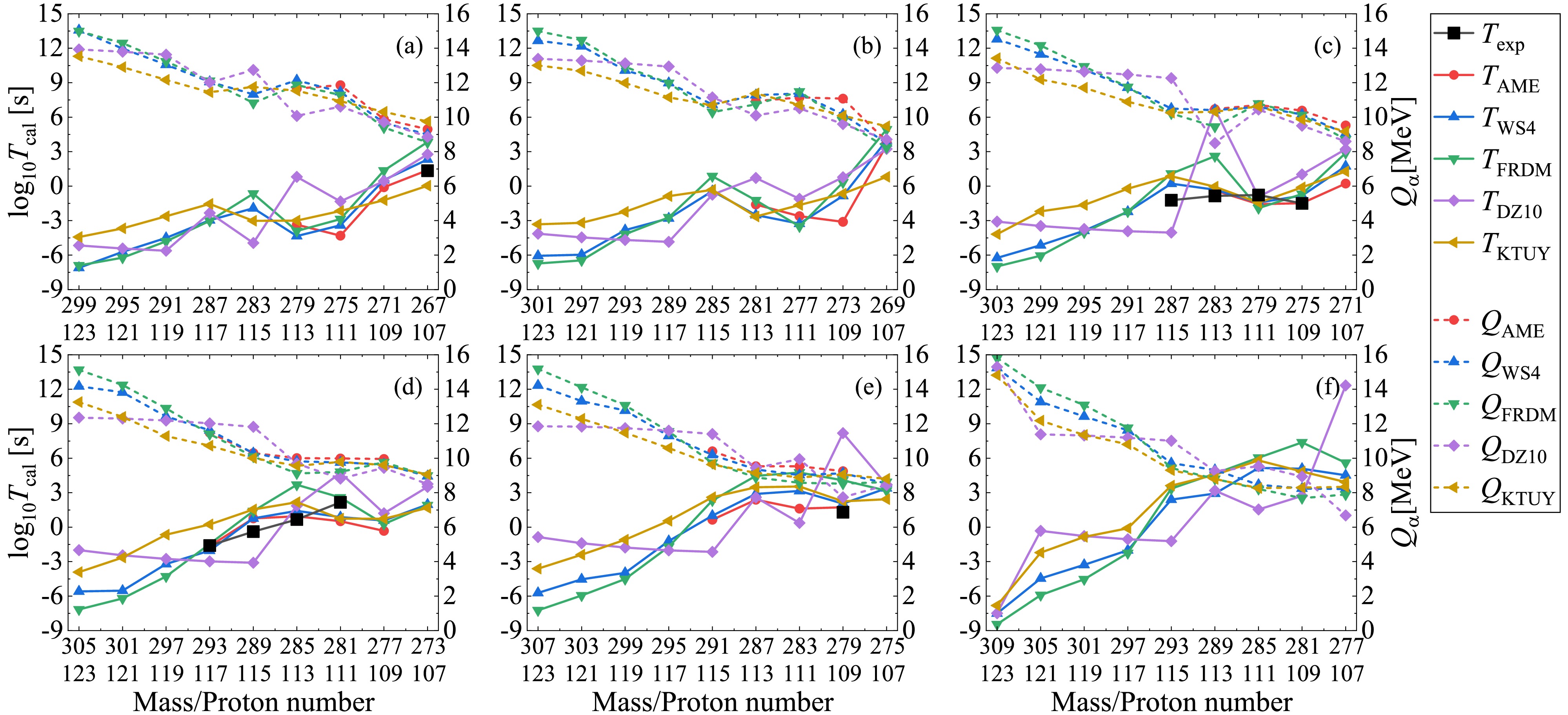
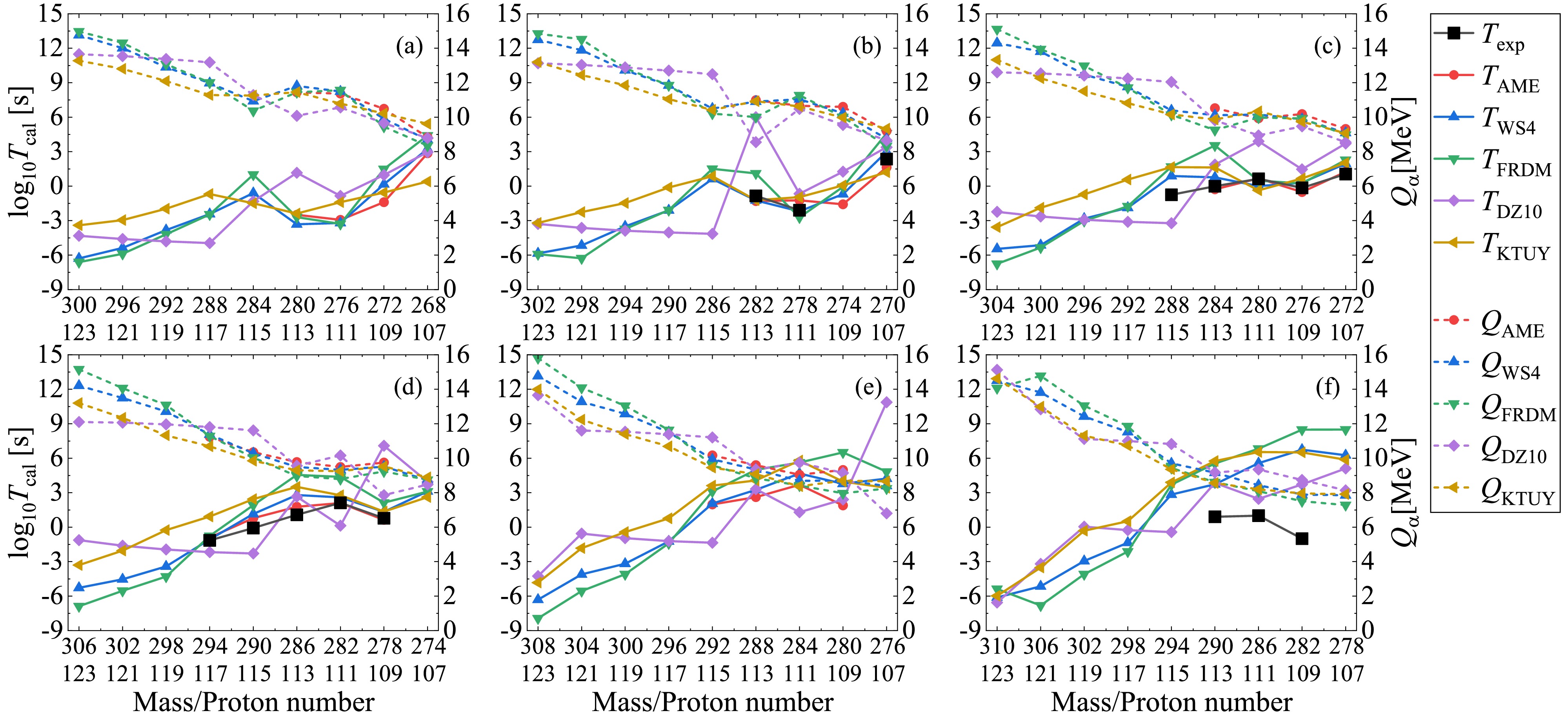
Using four representative nuclear mass models, namely, WS4, FRDM, DZ10, and KTUY, we perform a systematic investigation on how nuclear masses affect the α-decay properties of superheavy nuclei, including decay energies, α-cluster preformation factors, and corresponding half-lives. The α-cluster preformation factors are obtained from two types of cluster-formation model (CFM) and extracted from experimental decay half-life. All mass models reproduce the known α-decay energies with small root-mean-square errors, while WS4 and FRDM show the highest accuracy. Strong correlations among preformation factors from different mass models are identified in both CFM and extracted results, although the exponential dependence of half-lives on decay energy weakens correlations between the two approaches. For possible α-decay chains of superheavy nuclei, the decay energy systematically decreases and the predicted half-life increases with decreasing proton number. This trend is also observed from the calculations for superheavy isotopes with same proton number. These results indicate that isotopes of superheavy elements with more neutrons are expected to exhibit enhanced stability, thus providing theoretical reference for future synthesis of elements with Z=119 and 120.
Using four representative nuclear mass models, namely, WS4, FRDM, DZ10, and KTUY, we perform a systematic investigation on how nuclear masses affect the α-decay properties of superheavy nuclei, including decay energies, α-cluster preformation factors, and corresponding half-lives. The α-cluster preformation factors are obtained from two types of cluster-formation model (CFM) and extracted from experimental decay half-life. All mass models reproduce the known α-decay energies with small root-mean-square errors, while WS4 and FRDM show the highest accuracy. Strong correlations among preformation factors from different mass models are identified in both CFM and extracted results, although the exponential dependence of half-lives on decay energy weakens correlations between the two approaches. For possible α-decay chains of superheavy nuclei, the decay energy systematically decreases and the predicted half-life increases with decreasing proton number. This trend is also observed from the calculations for superheavy isotopes with same proton number. These results indicate that isotopes of superheavy elements with more neutrons are expected to exhibit enhanced stability, thus providing theoretical reference for future synthesis of elements with Z=119 and 120.
2026, 50(4): 044110. doi: 10.1088/1674-1137/ae3731
Abstract:
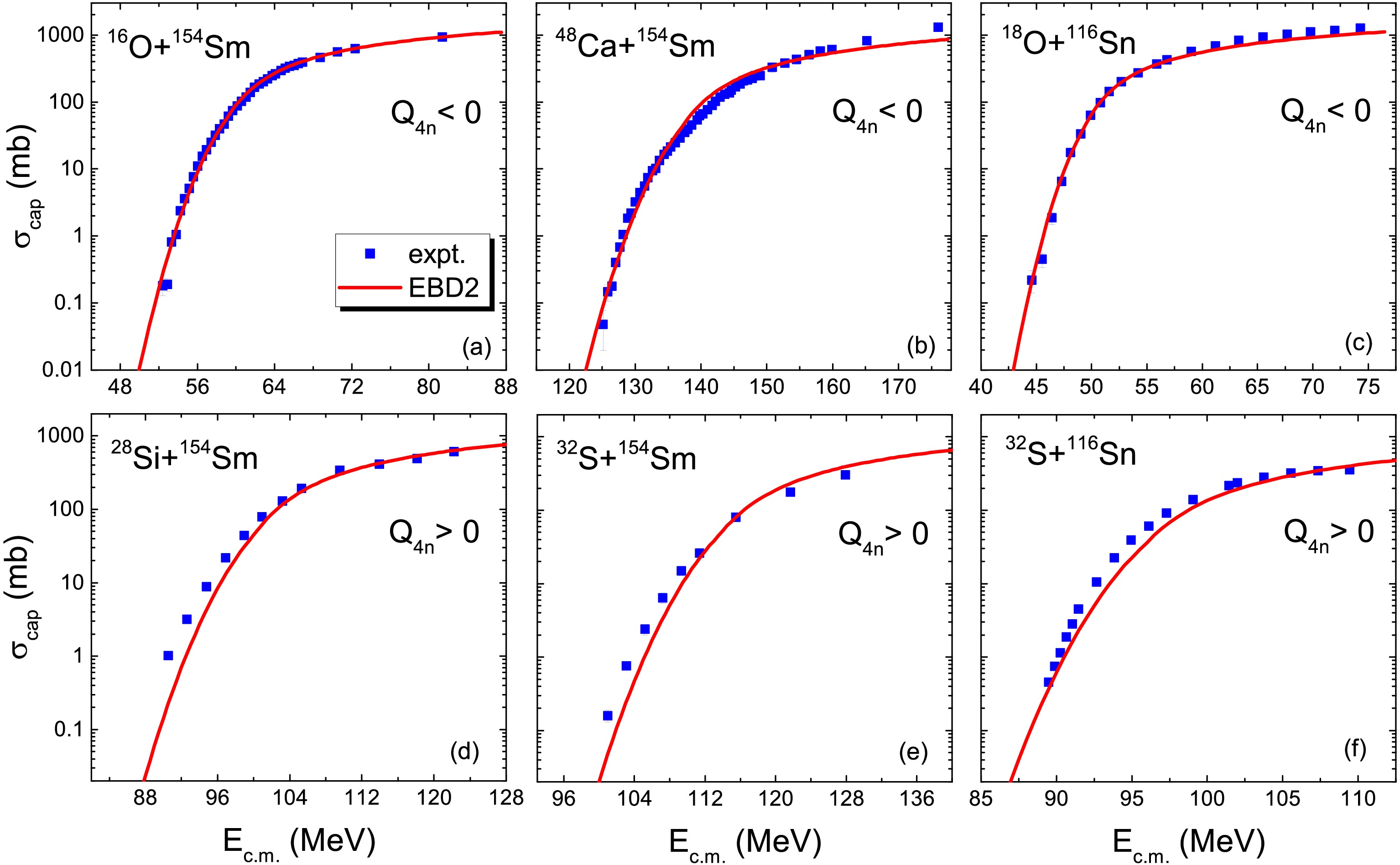
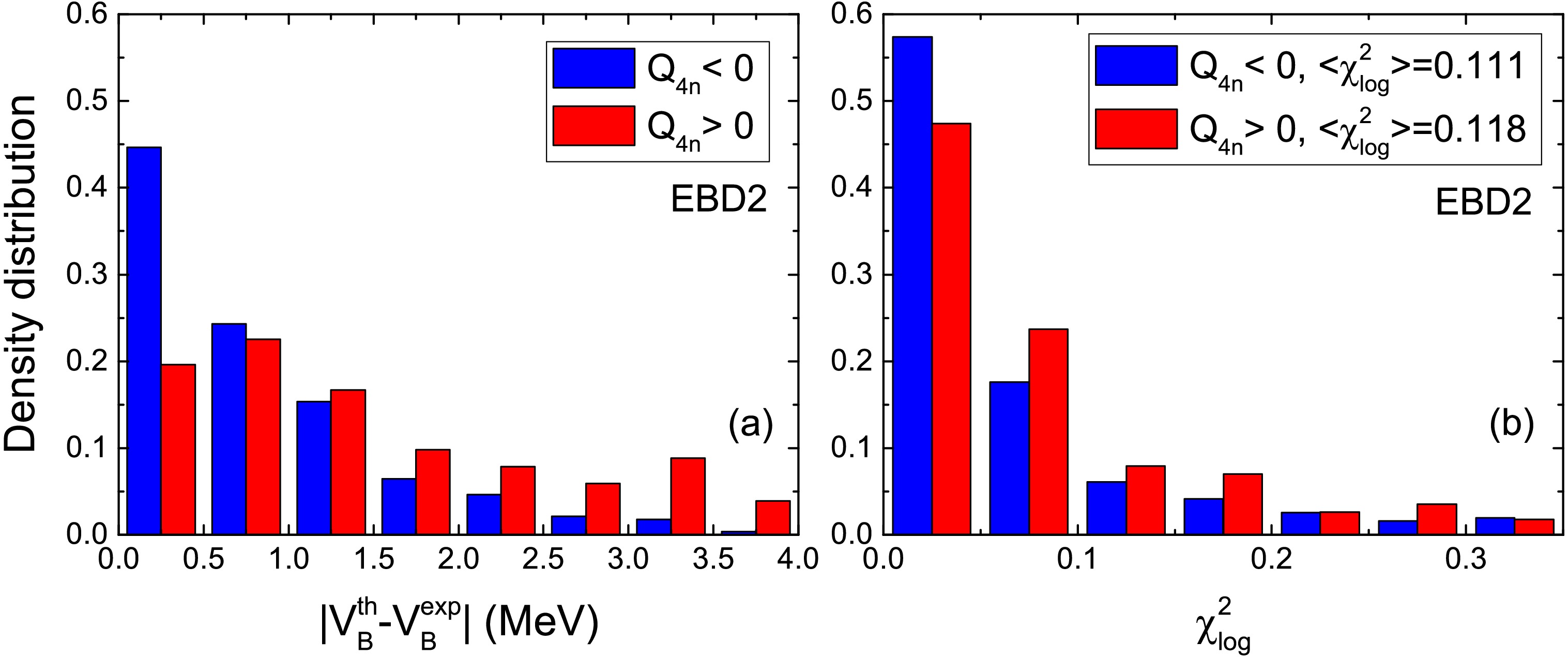
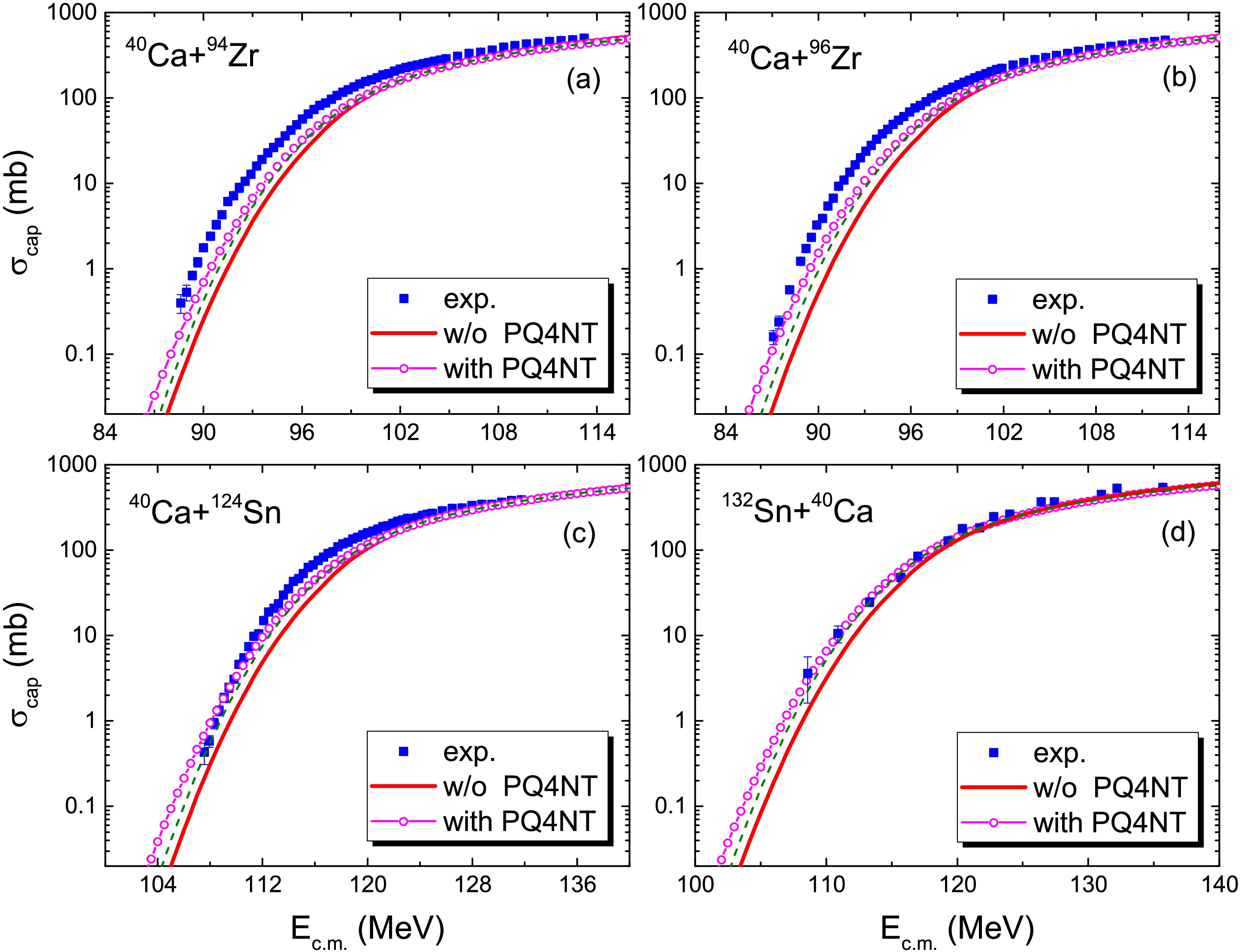
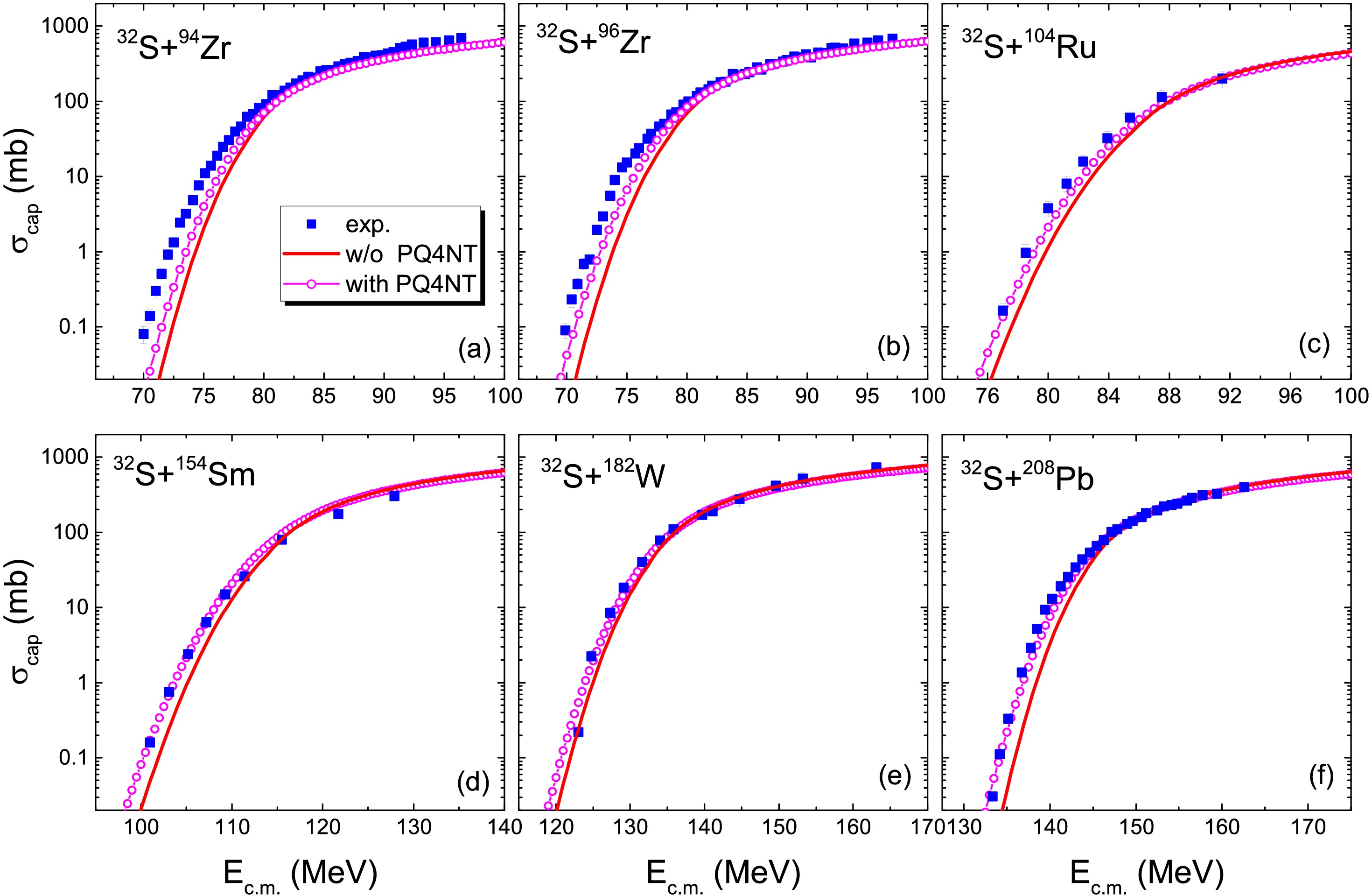
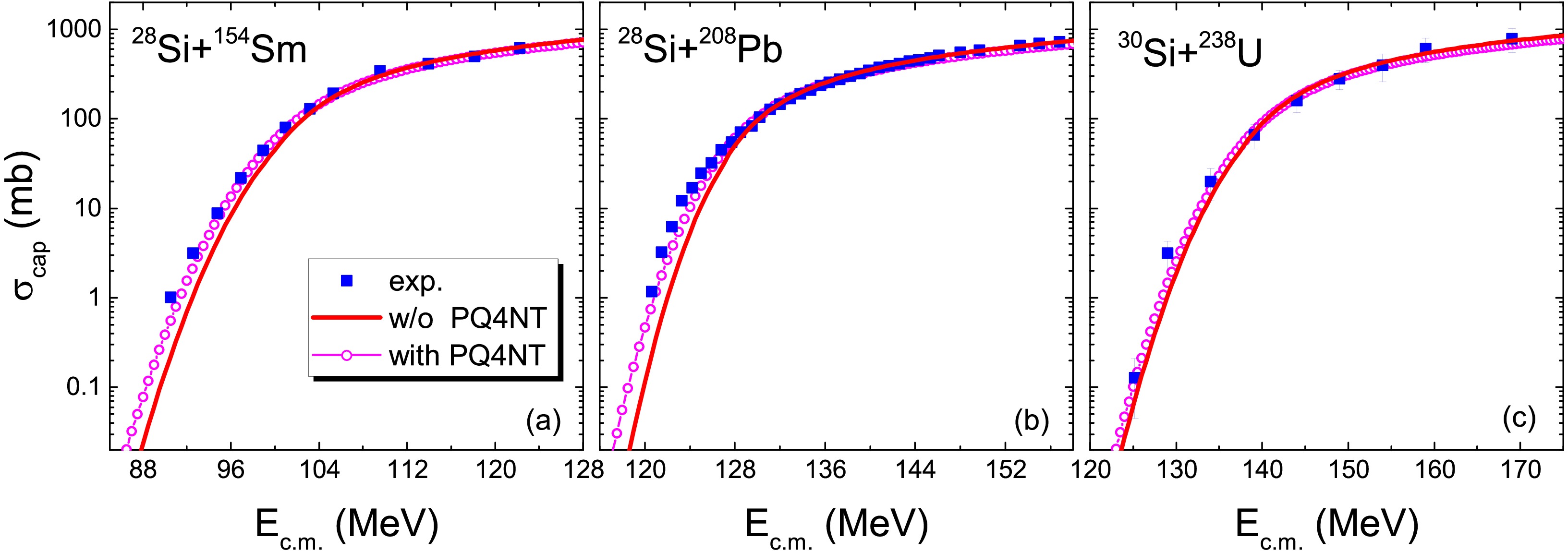
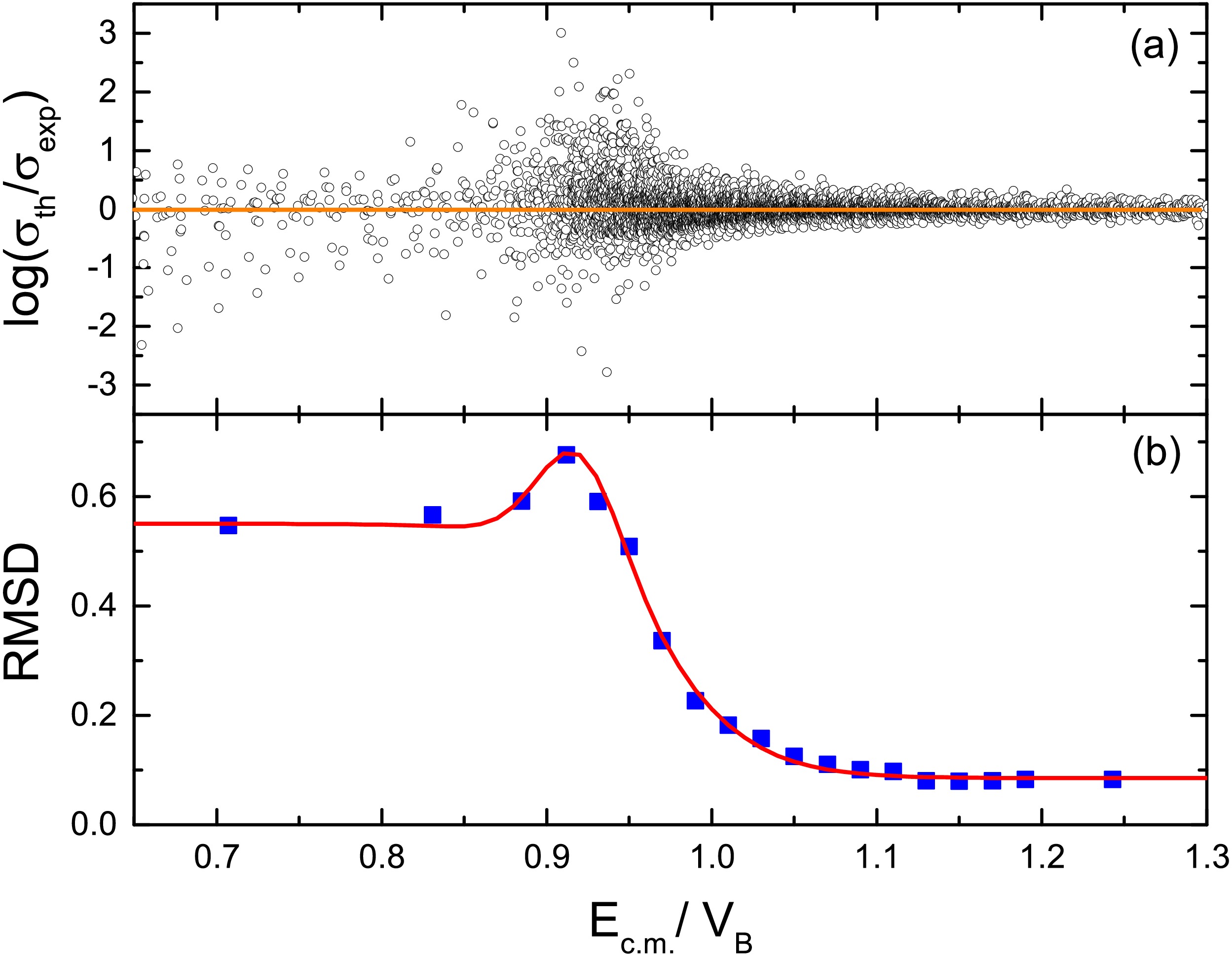
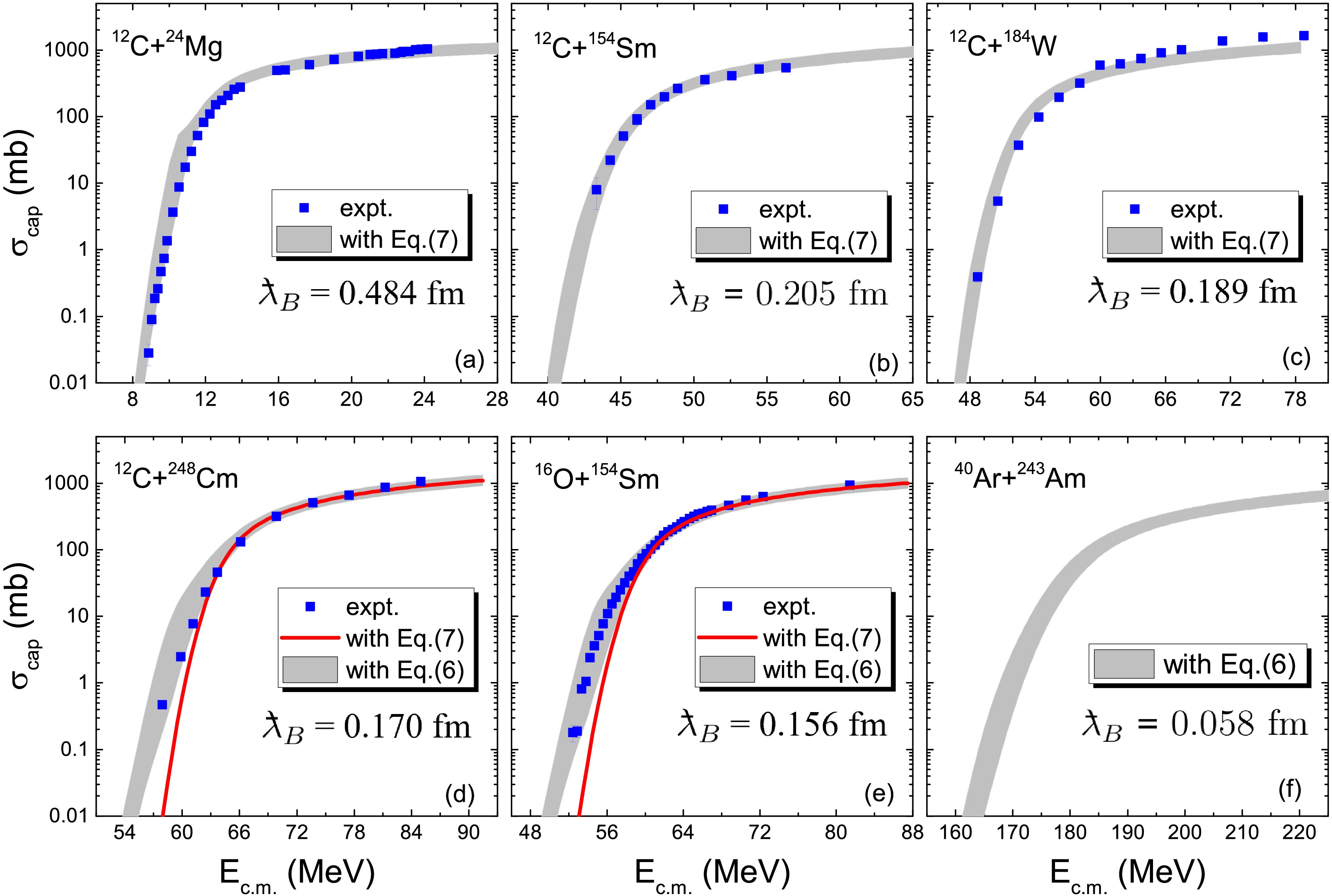
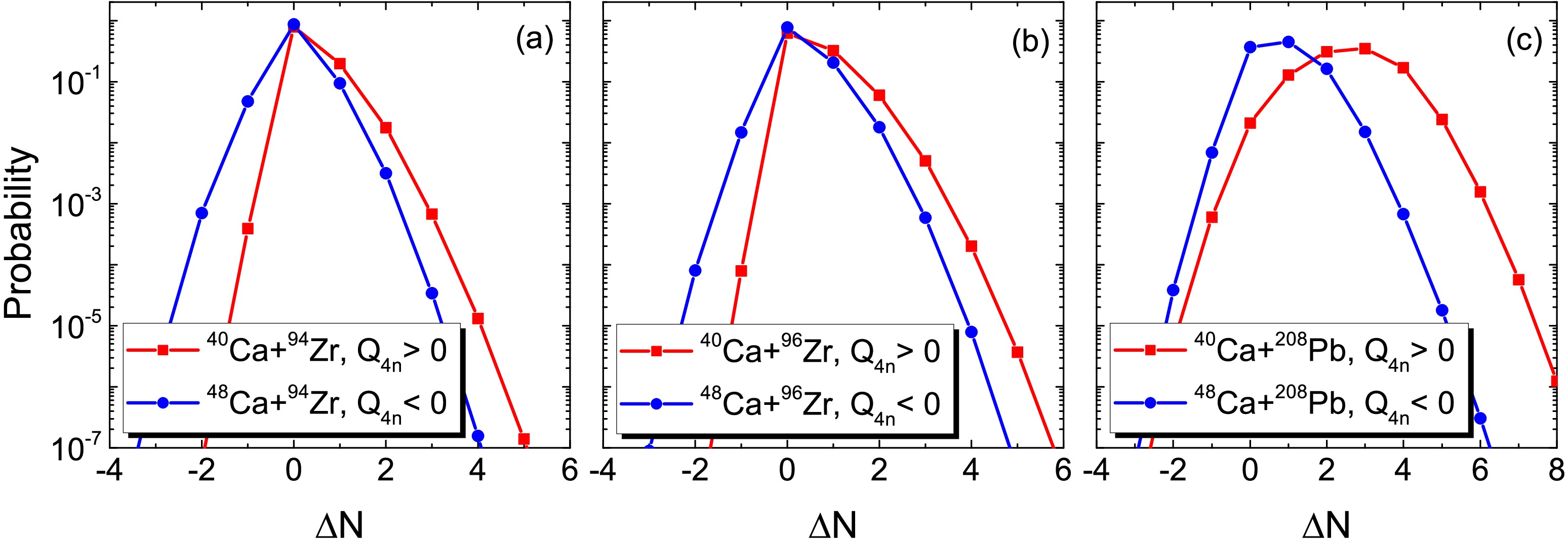
The effect of positive Q-value four-neutron transfer (PQ4NT) on the sub-barrier capture cross sections is investigated systematically using the empirical barrier distribution (EBD2) method. For 13 fusion reactions with\begin{document}$Q_{4{\rm n}}>0$\end{document} \begin{document}$Q_{2{\rm n}}>0$\end{document} \begin{document}$Q_{4{\rm n}}<0$\end{document} \begin{document}$Q_{4{\rm n}}>0$\end{document} \begin{document}$Q_{4{\rm n}}<0$\end{document} \begin{document}$Q_{4{\rm n}}>0$\end{document}
The effect of positive Q-value four-neutron transfer (PQ4NT) on the sub-barrier capture cross sections is investigated systematically using the empirical barrier distribution (EBD2) method. For 13 fusion reactions with
2026, 50(4): 044111. doi: 10.1088/1674-1137/ae3732
Abstract:
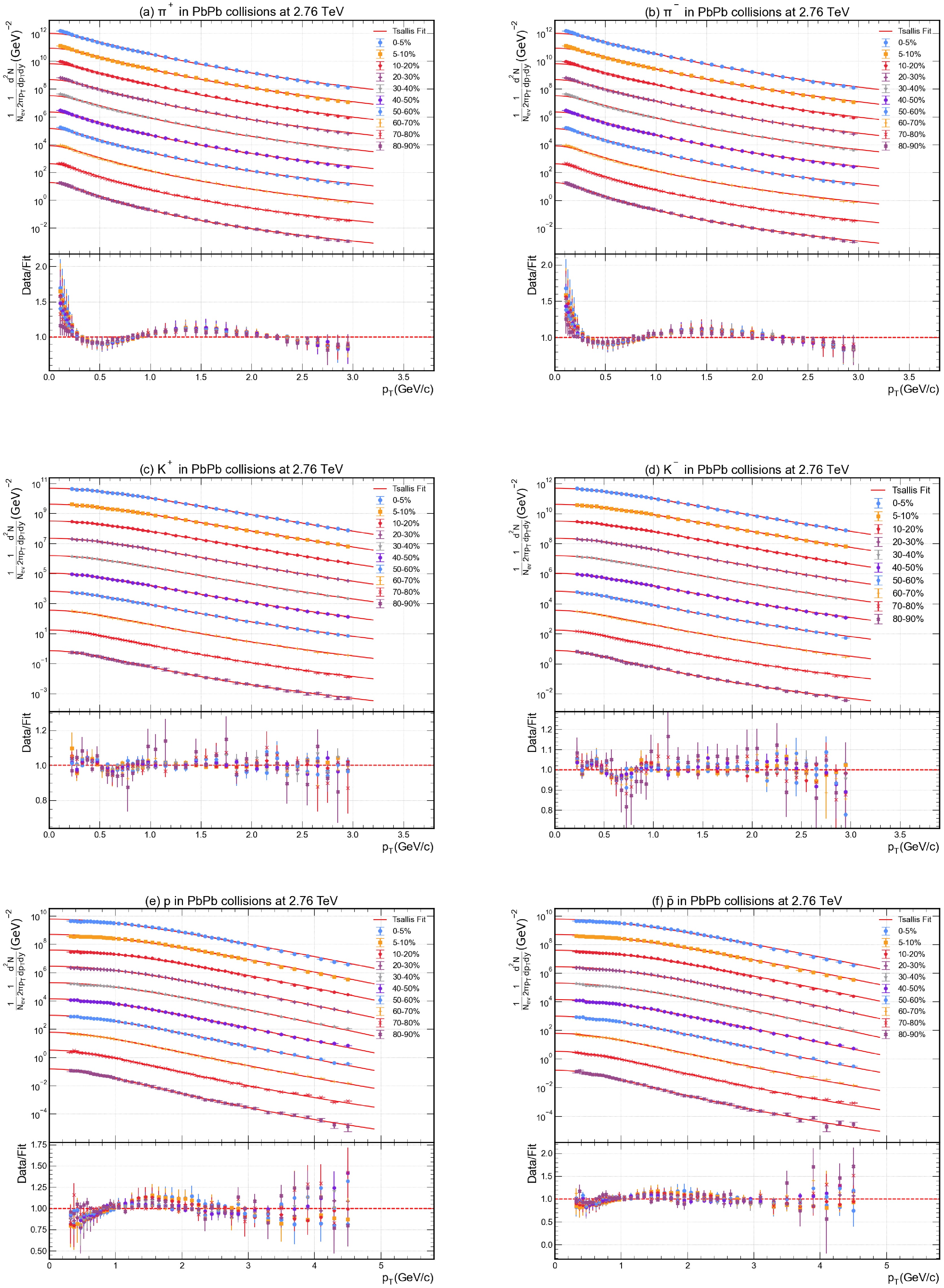
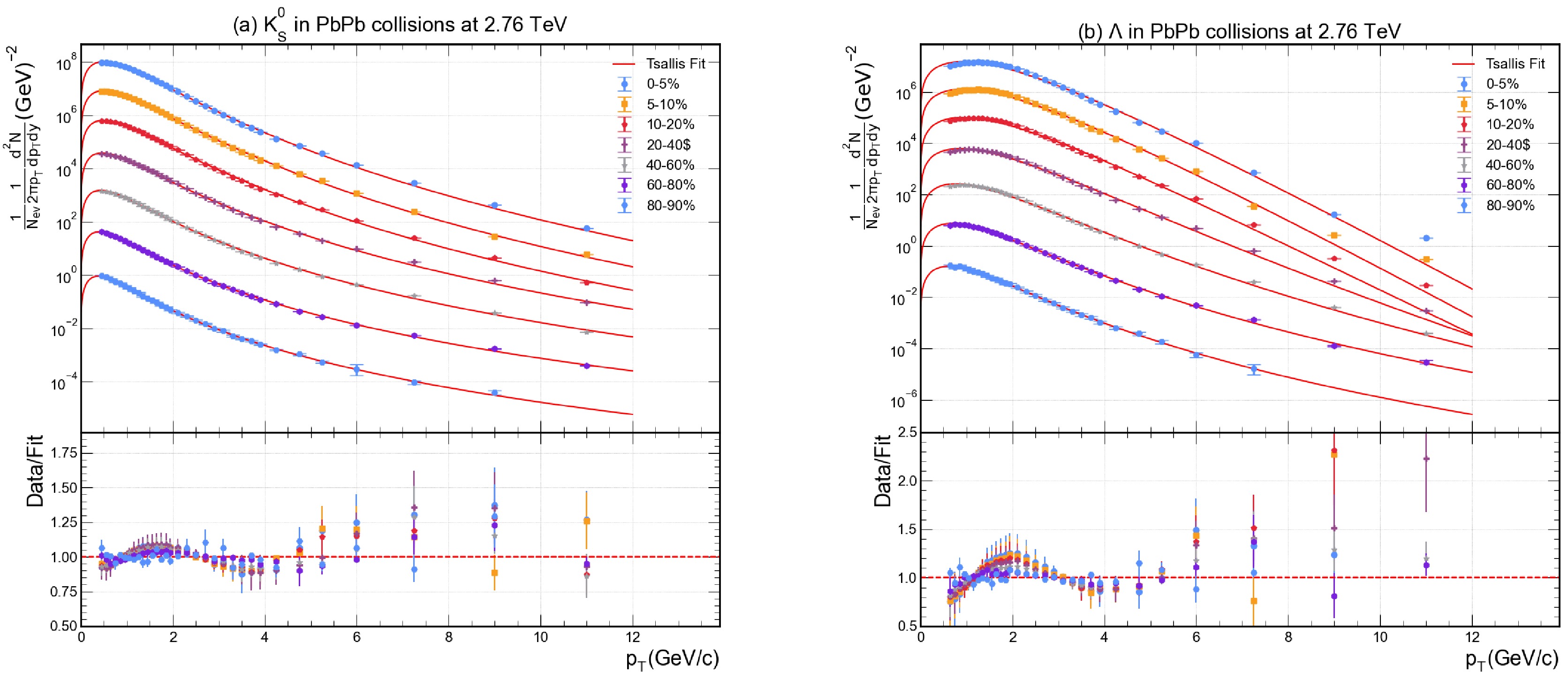
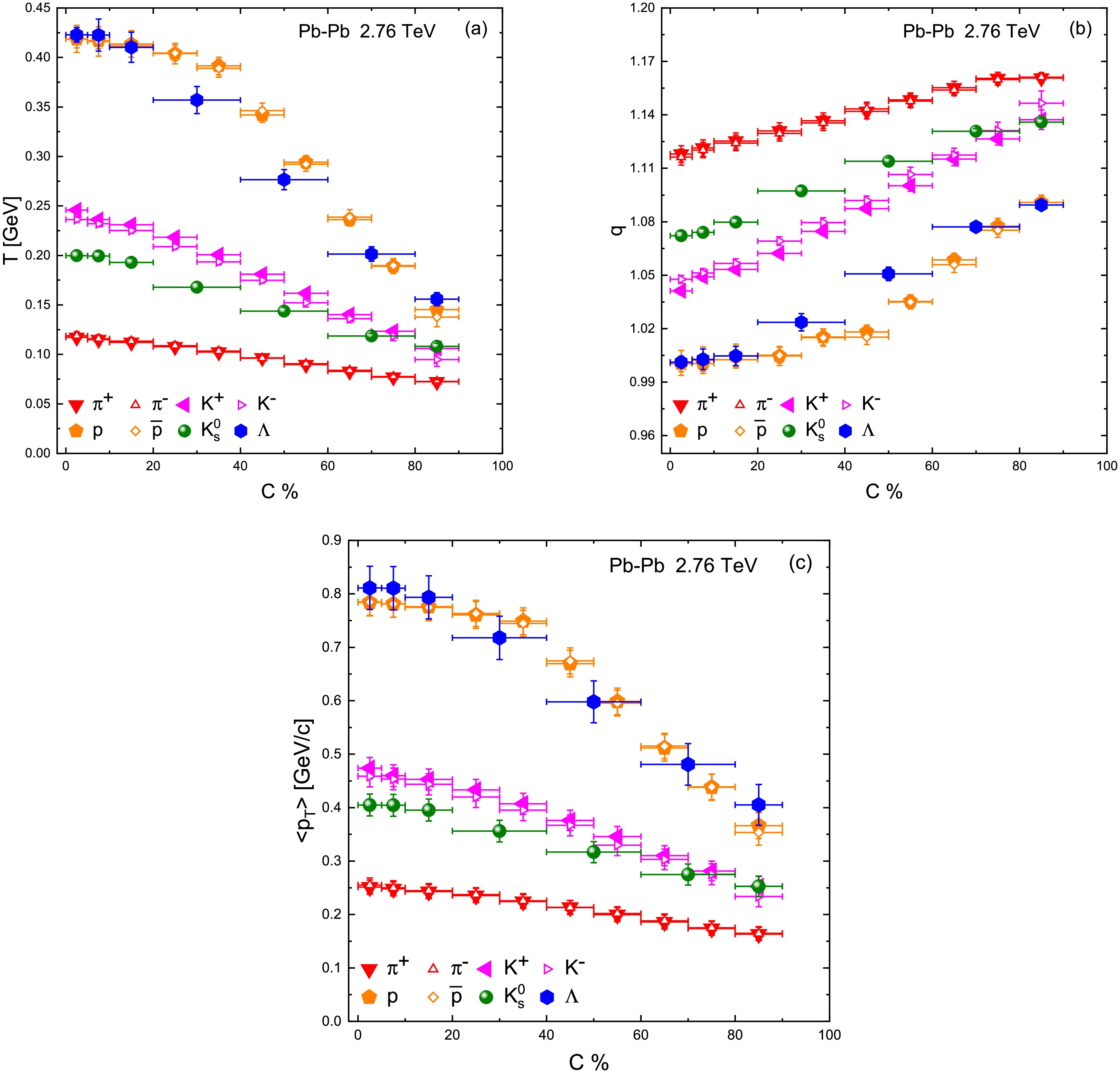
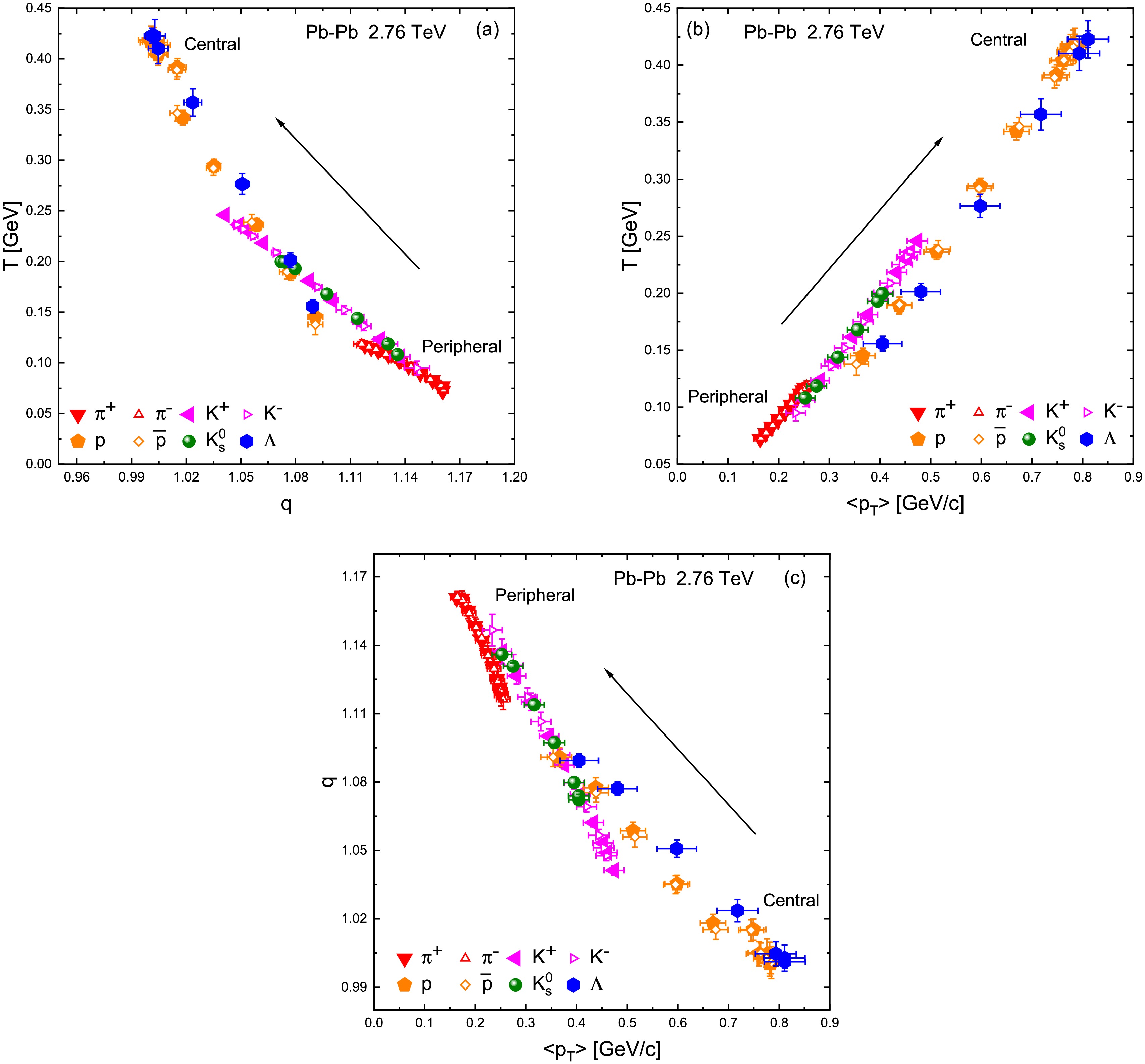
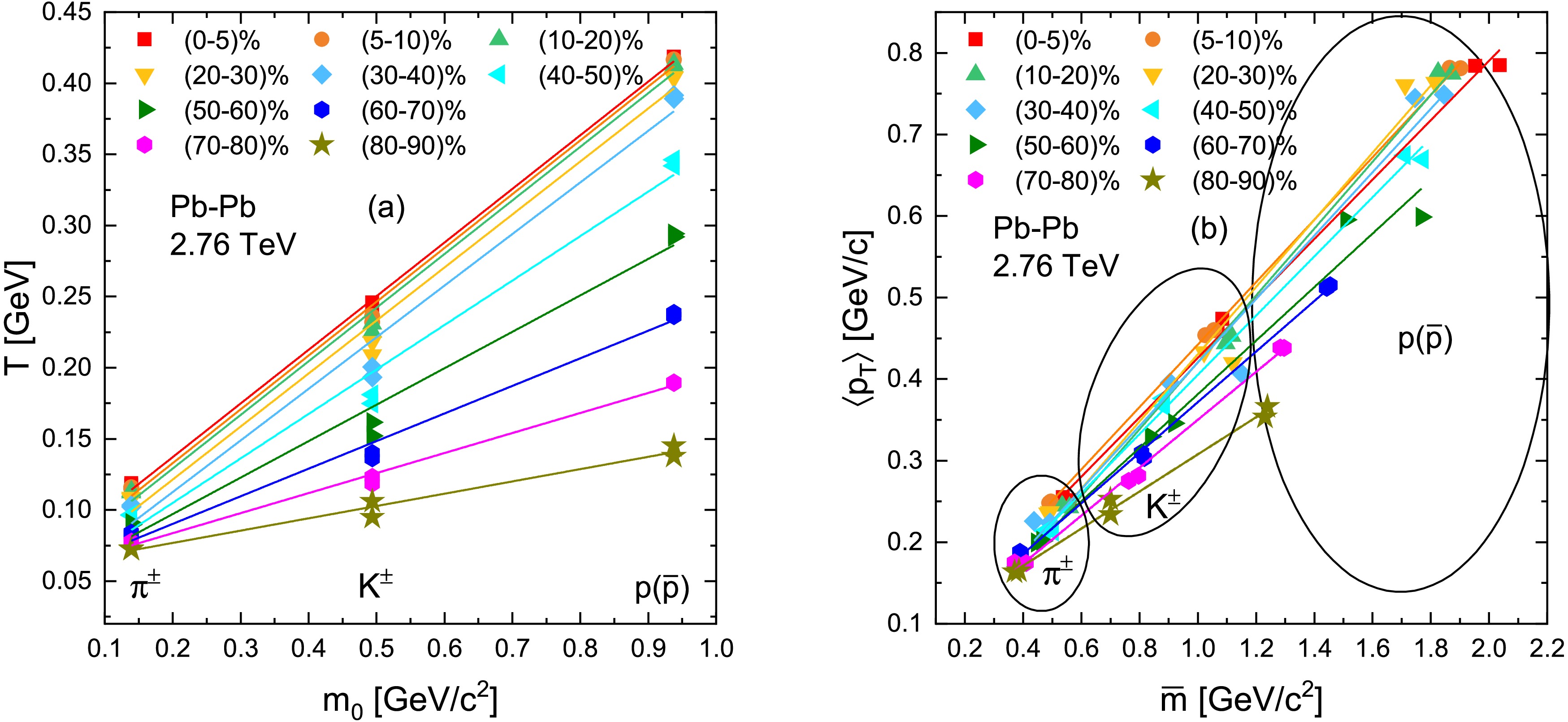
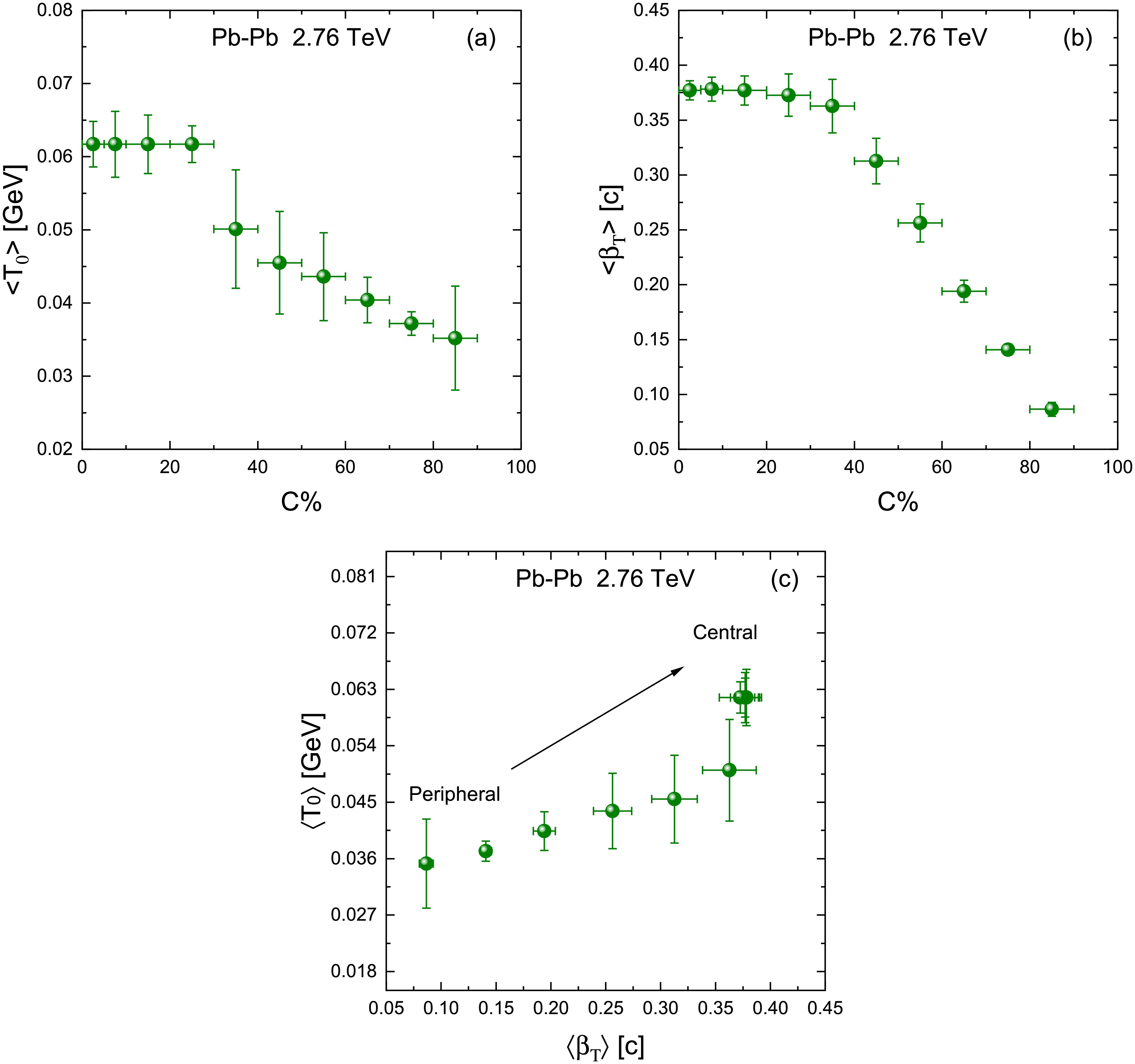
This study investigates the transverse momentum (\begin{document}$ p_T $\end{document} \begin{document}$ \pi^{\mp} $\end{document} \begin{document}$ K^{\mp} $\end{document} \begin{document}$ \bar{p} $\end{document} \begin{document}$ K_s^0 $\end{document} \begin{document}$ \sqrt{s_{NN}} = 2.76 $\end{document} \begin{document}$ \langle p_T \rangle $\end{document} \begin{document}$ \langle T_0 \rangle $\end{document} \begin{document}$ \langle \beta_T \rangle $\end{document} \begin{document}$ \langle p_T \rangle $\end{document} \begin{document}$ \langle T_0 \rangle $\end{document} \begin{document}$ \langle \beta_T \rangle $\end{document}
This study investigates the transverse momentum (
2026, 50(4): 044112. doi: 10.1088/1674-1137/ae37f1
Abstract:
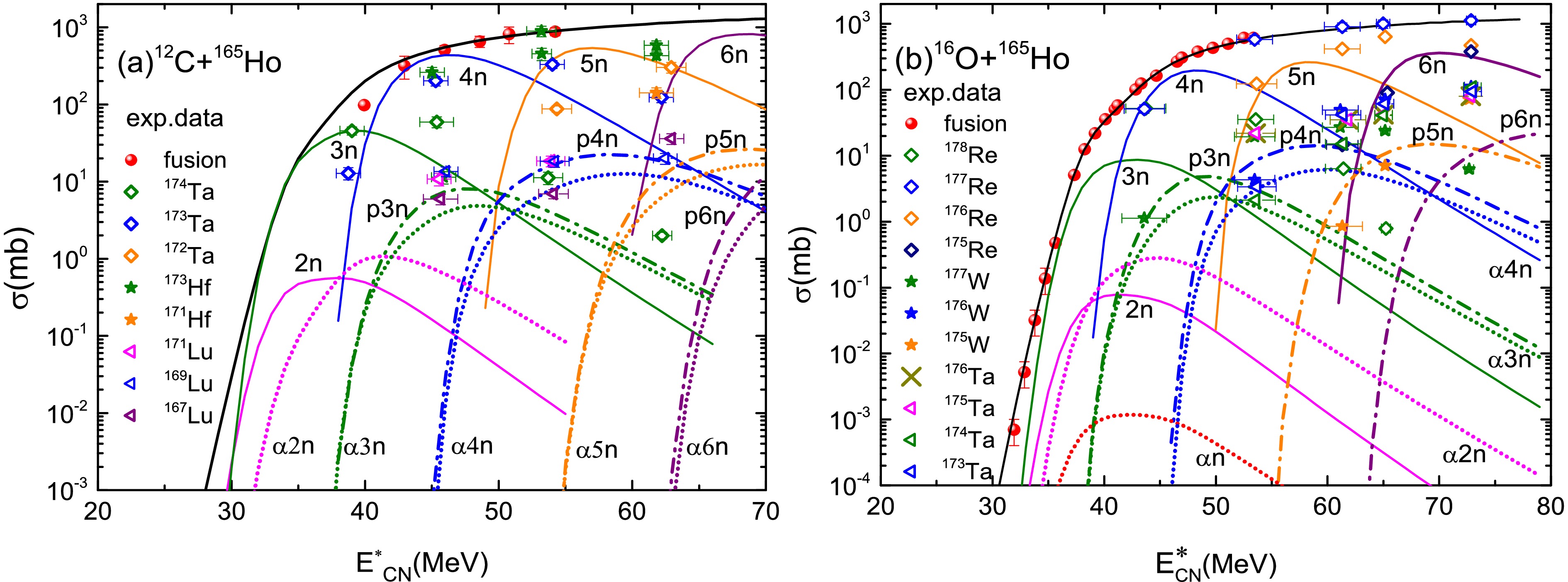
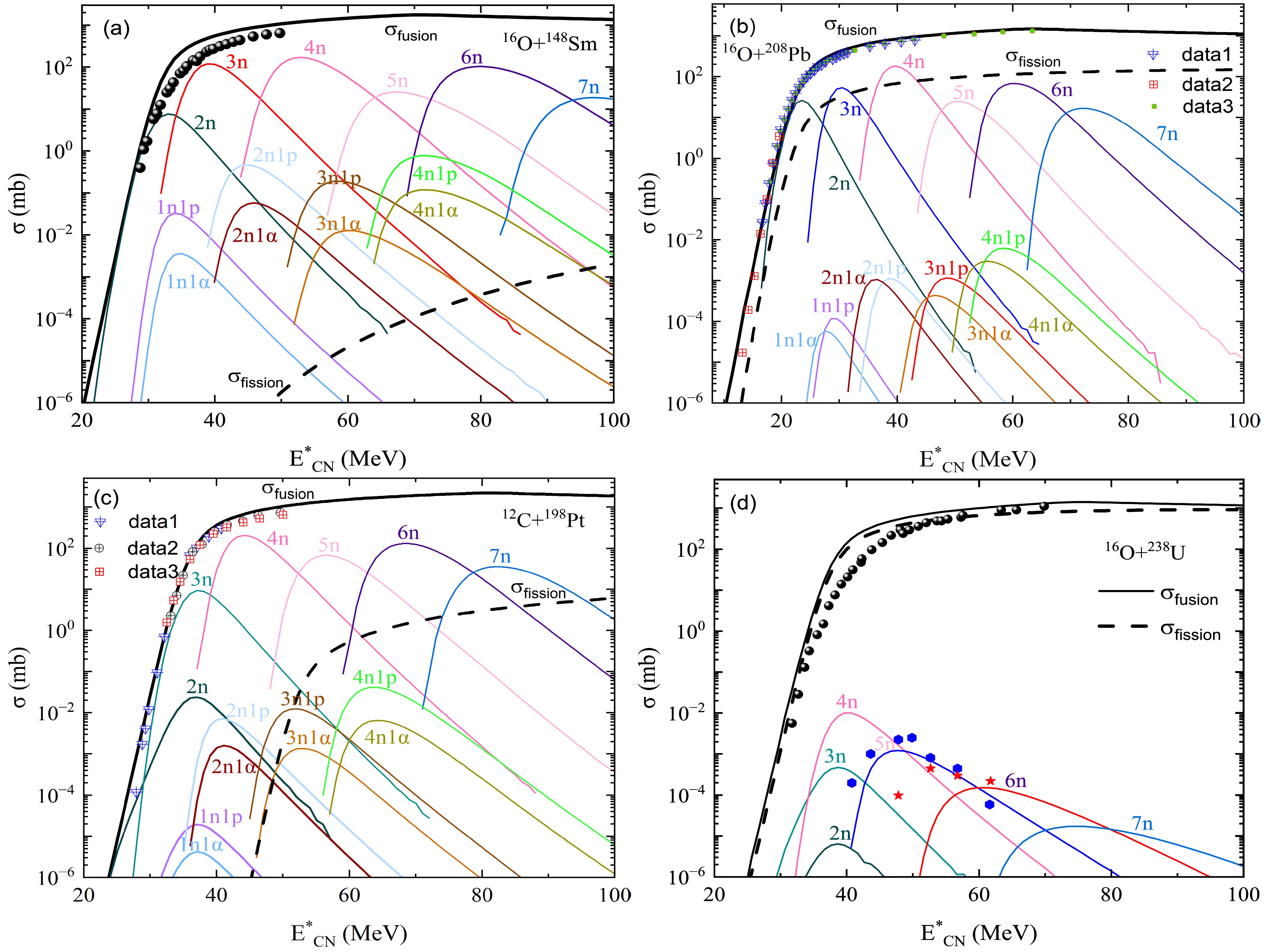
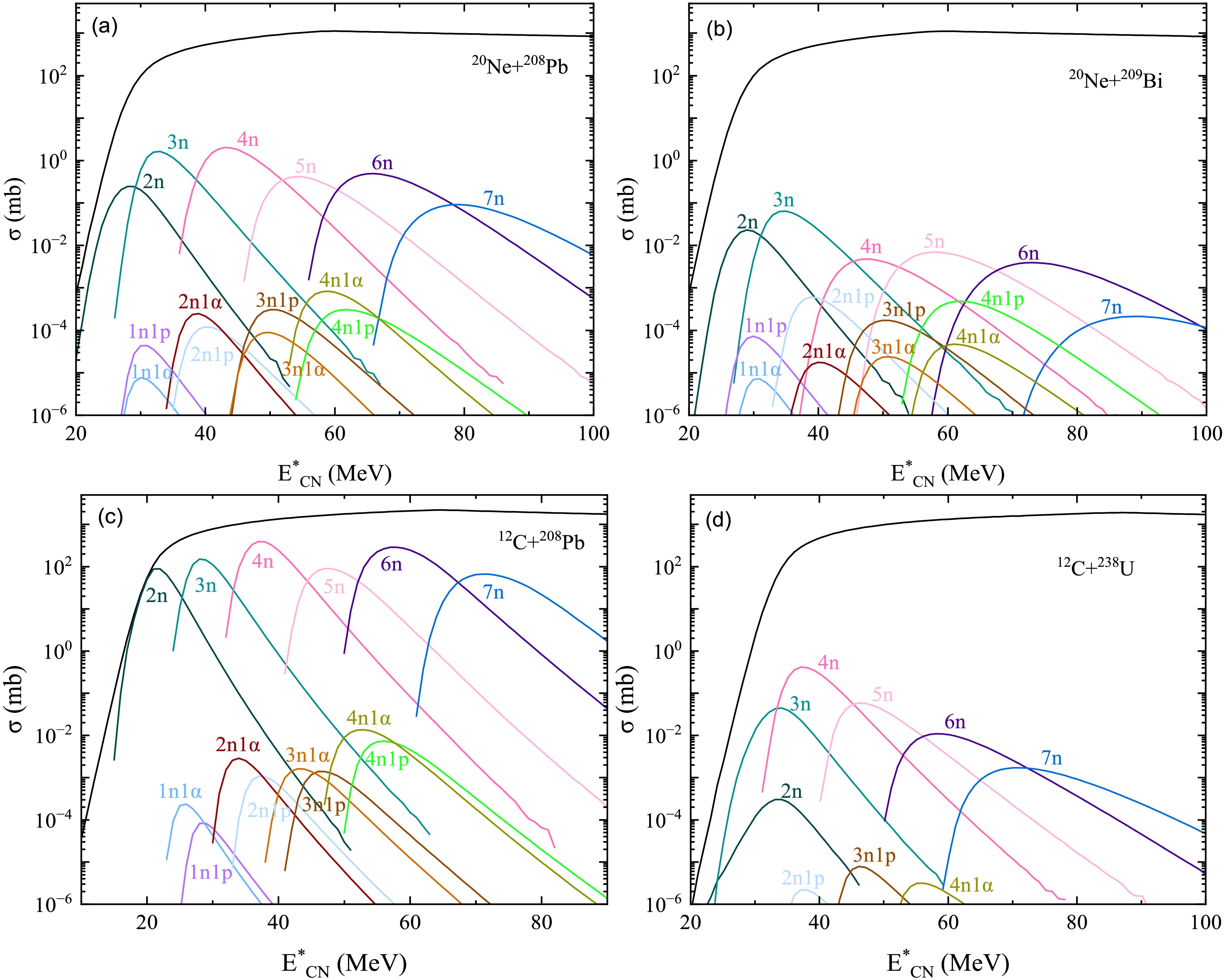
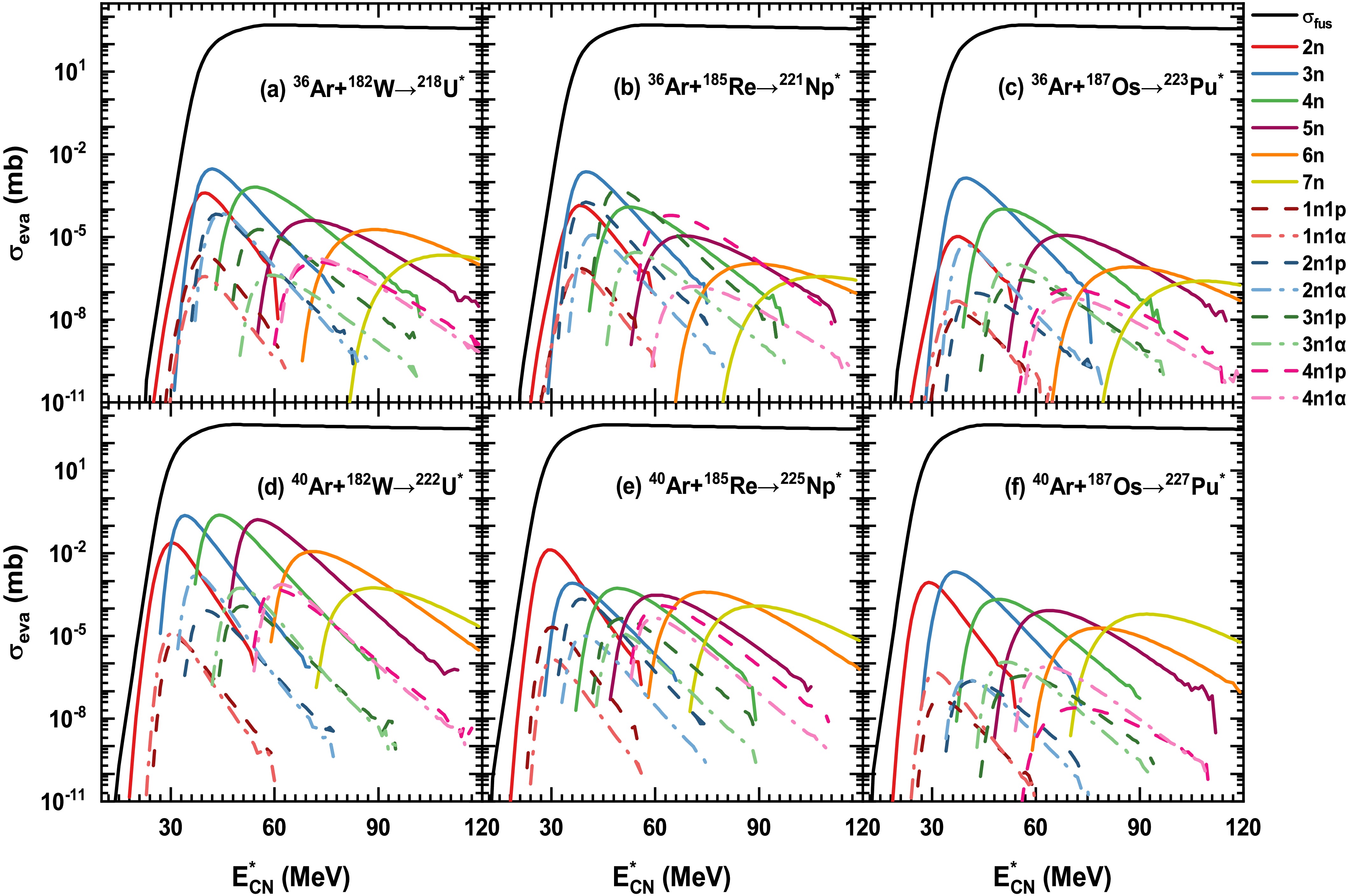
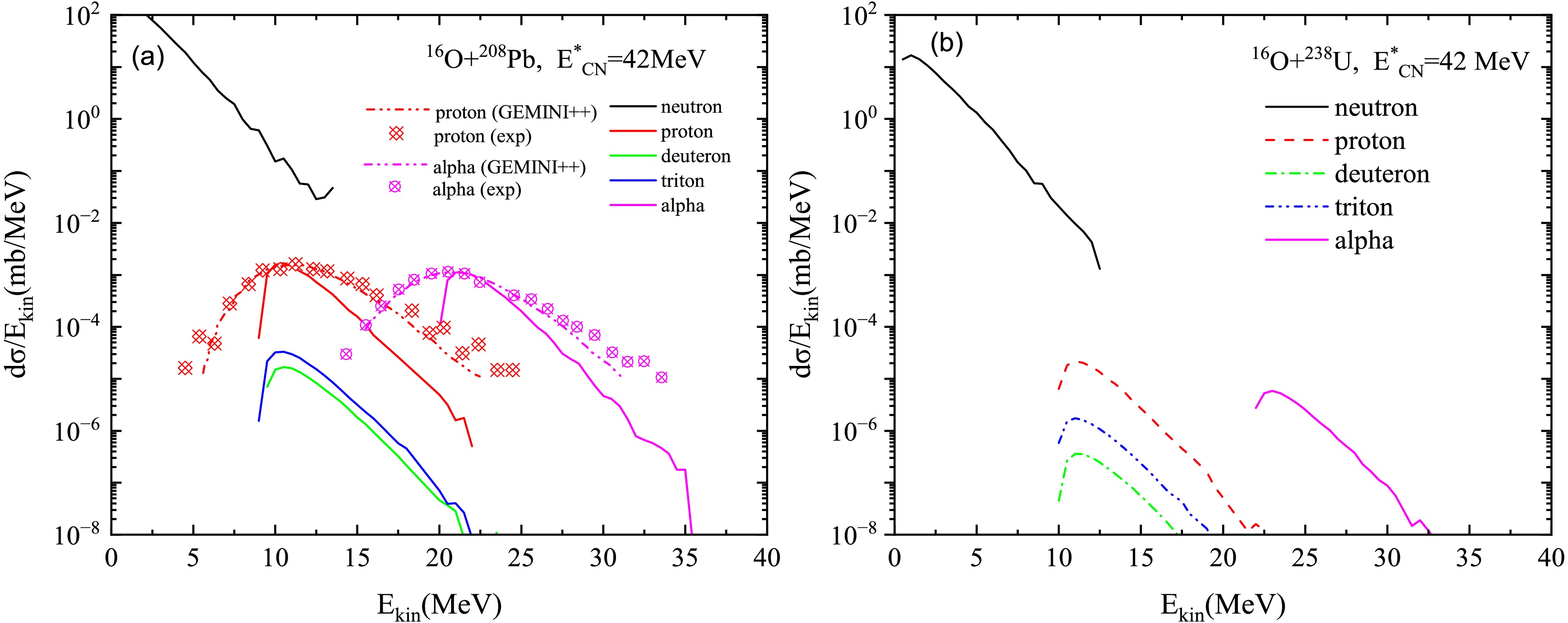
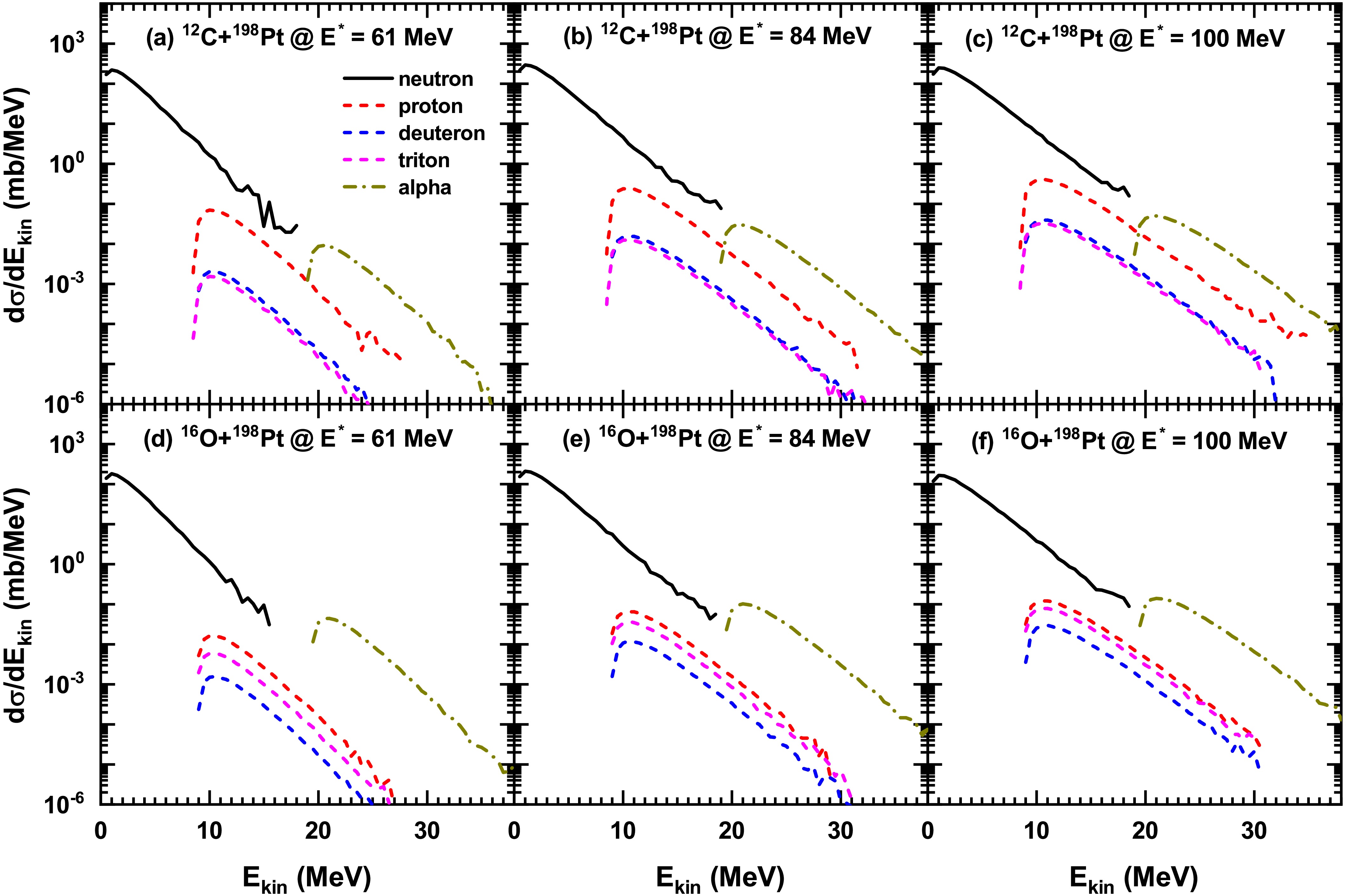
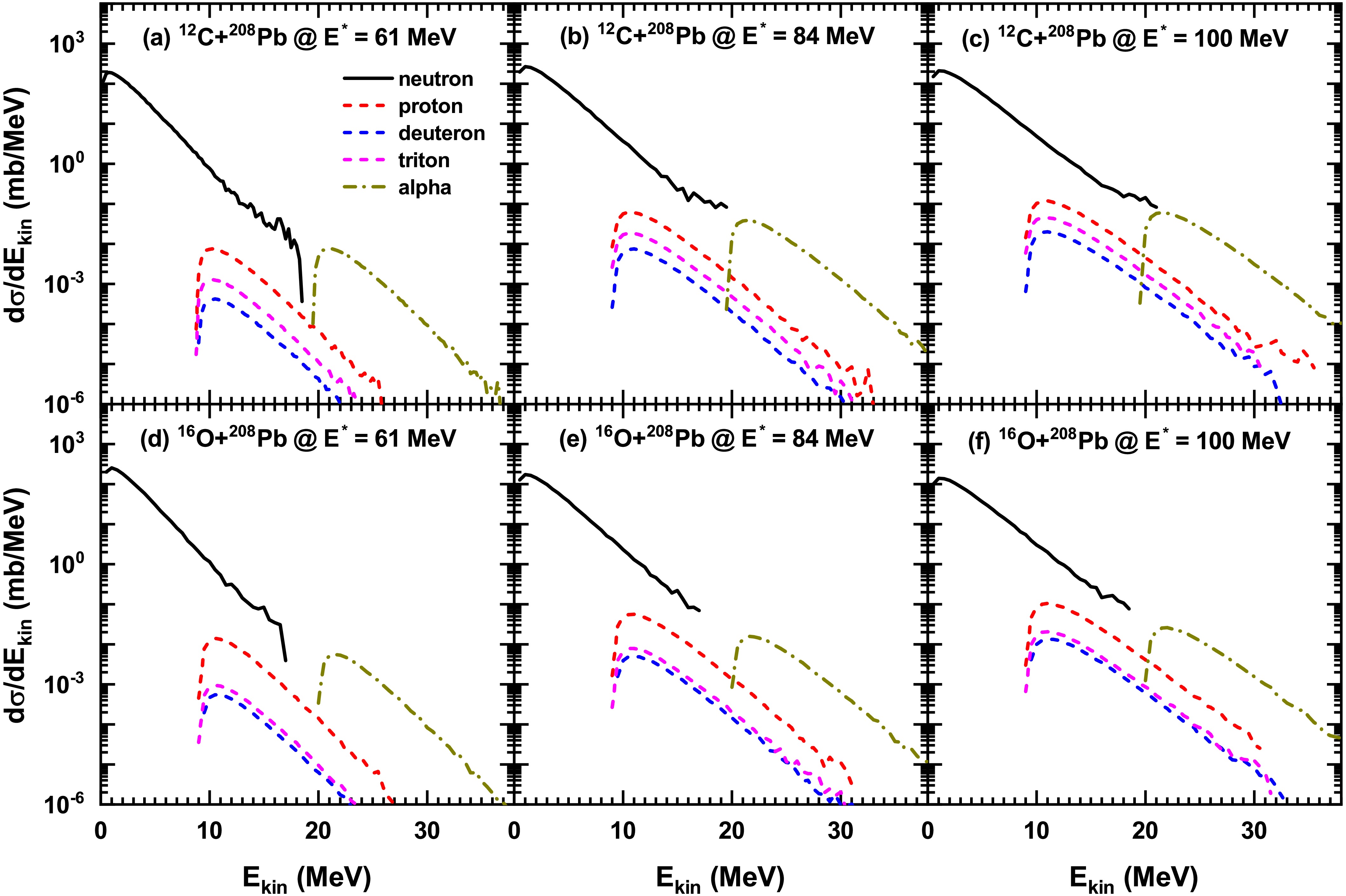
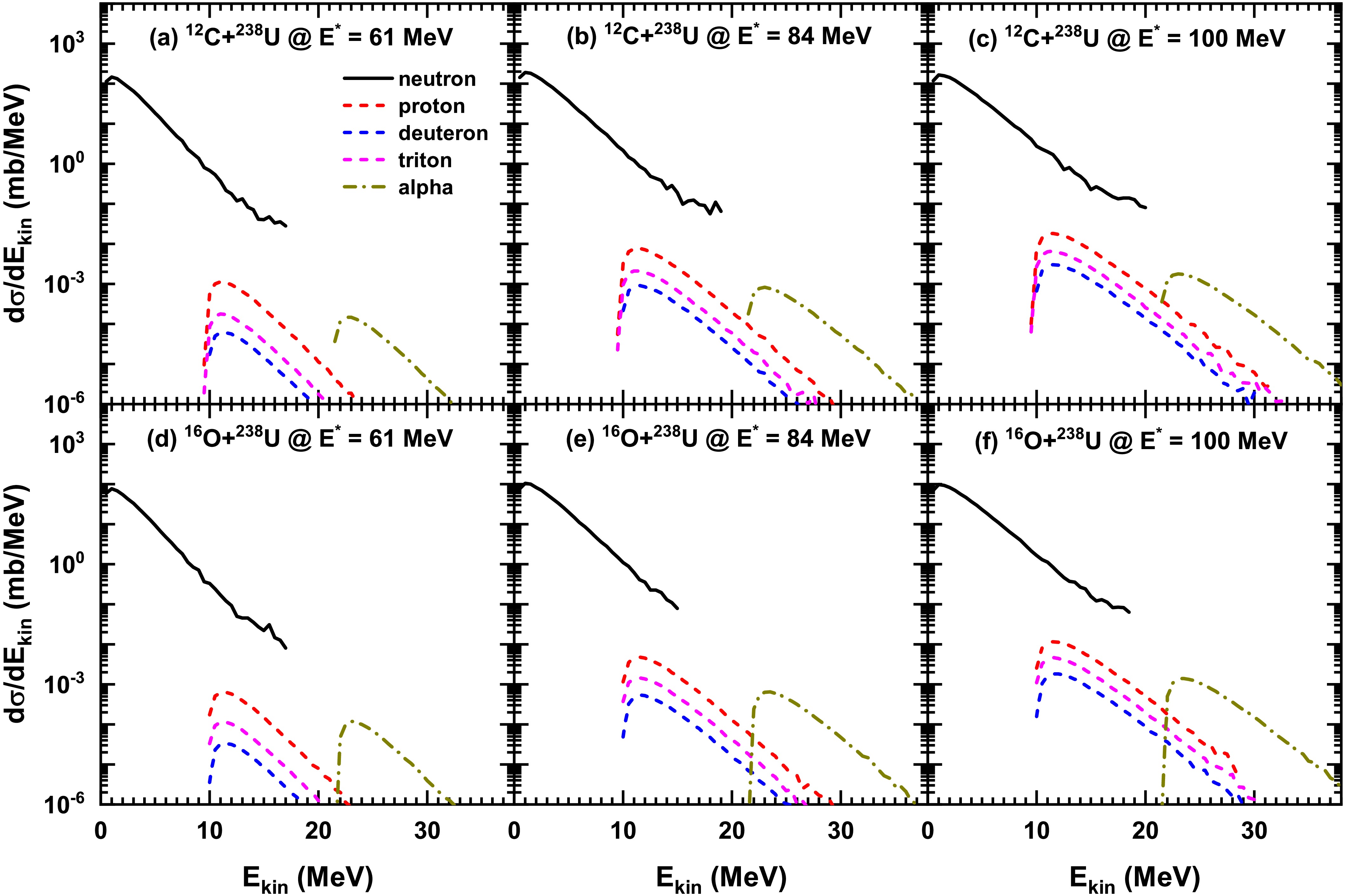
The fusion-evaporation excitation functions in the reactions of\begin{document}$^{12}$\end{document} \begin{document}$^{16}$\end{document} \begin{document}$^{165}$\end{document} \begin{document}$^{12}$\end{document} \begin{document}$^{198}$\end{document} \begin{document}$^{208}$\end{document} \begin{document}$^{238}$\end{document} \begin{document}$^{16}$\end{document} \begin{document}$^{148}$\end{document} \begin{document}$^{208}$\end{document} \begin{document}$^{238}$\end{document} \begin{document}$^{20}$\end{document} \begin{document}$^{208}$\end{document} \begin{document}$^{209}$\end{document} \begin{document}$^{36,40}$\end{document} \begin{document}$^{182}$\end{document} \begin{document}$^{185}$\end{document} \begin{document}$^{187}$\end{document} \begin{document}$^{211-214}$\end{document} \begin{document}$^{214-218}$\end{document} \begin{document}$^{216-220}$\end{document}
The fusion-evaporation excitation functions in the reactions of
2026, 50(4): 045101. doi: 10.1088/1674-1137/ae2fc7
Abstract:
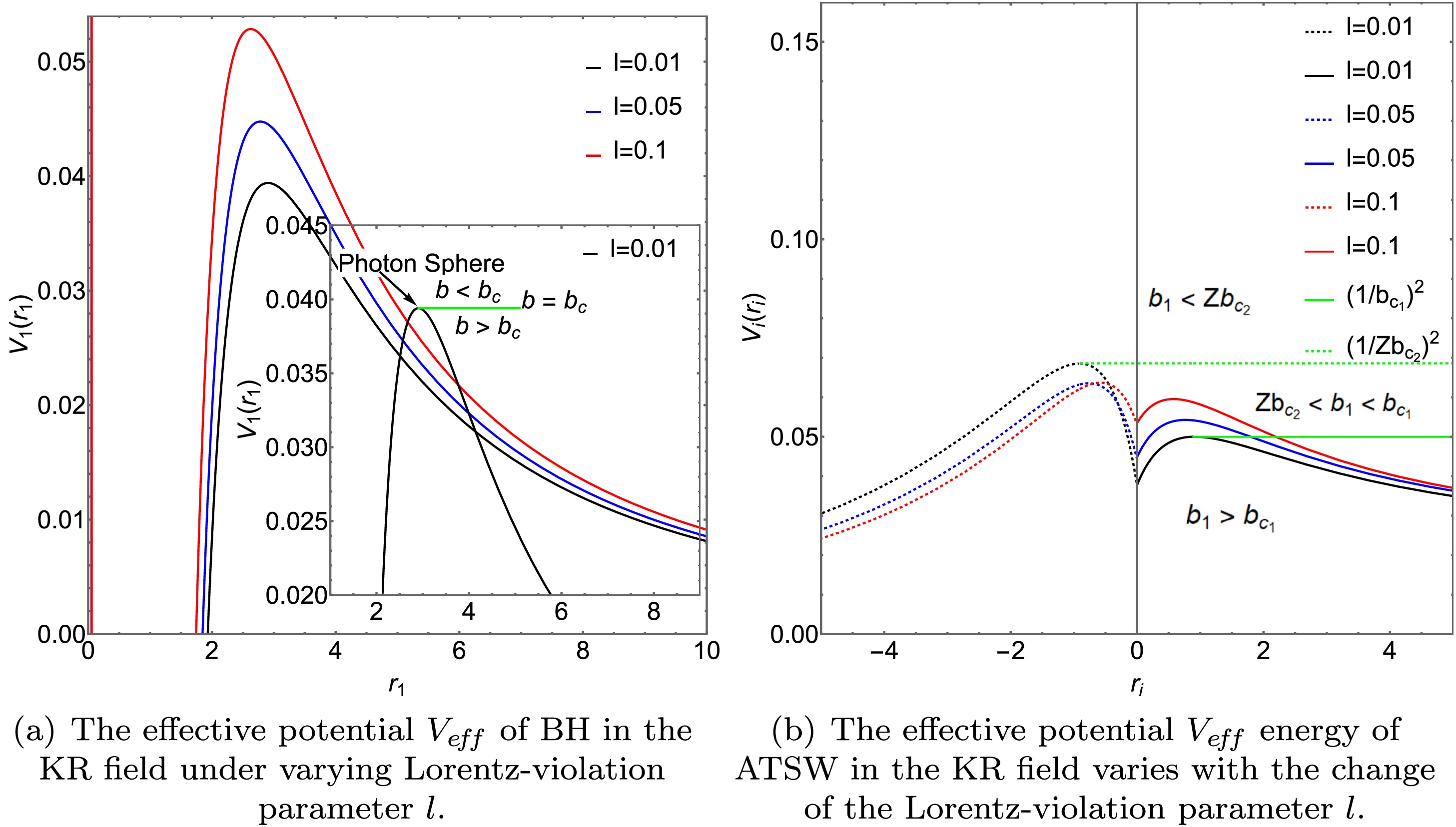
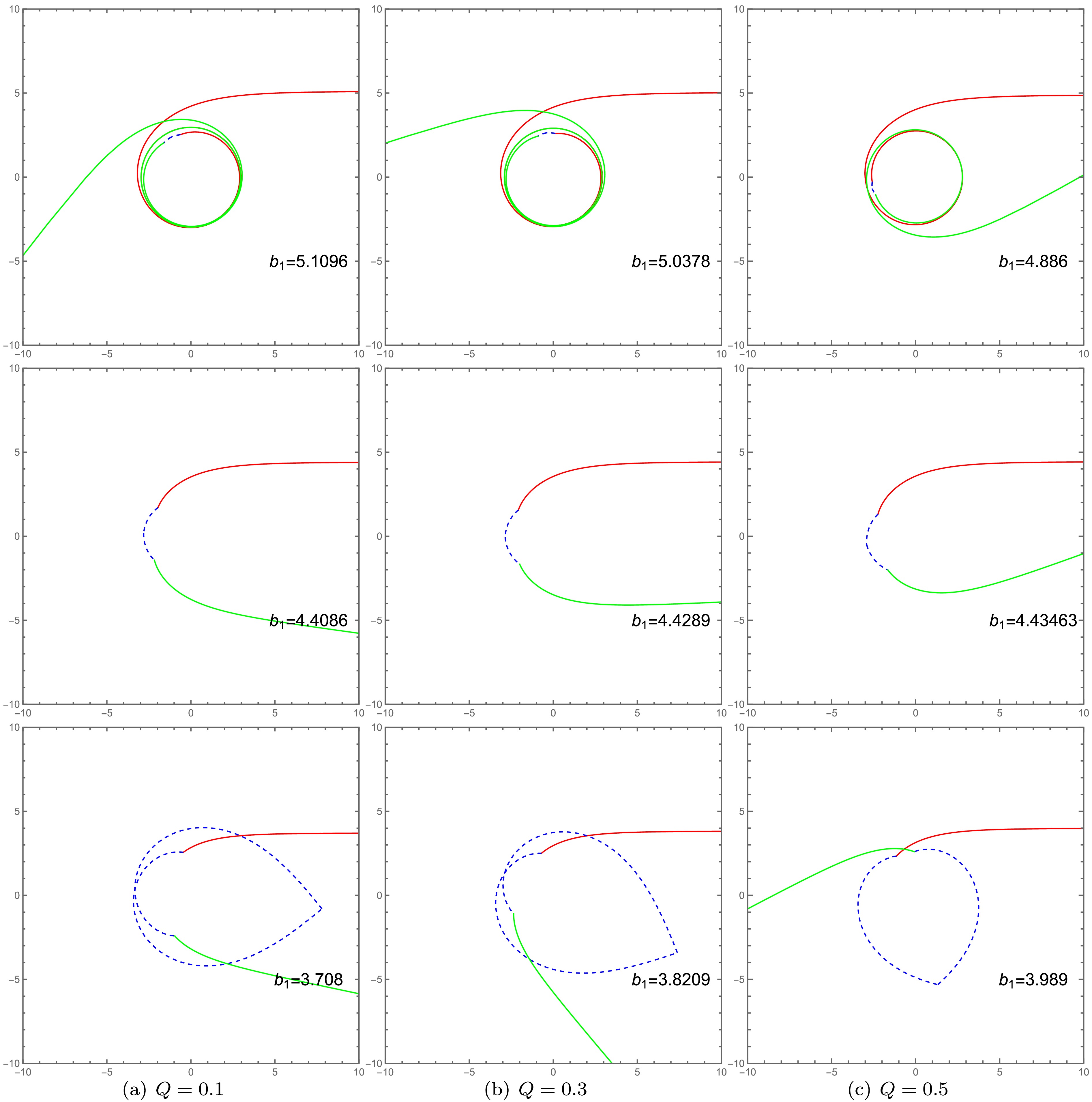
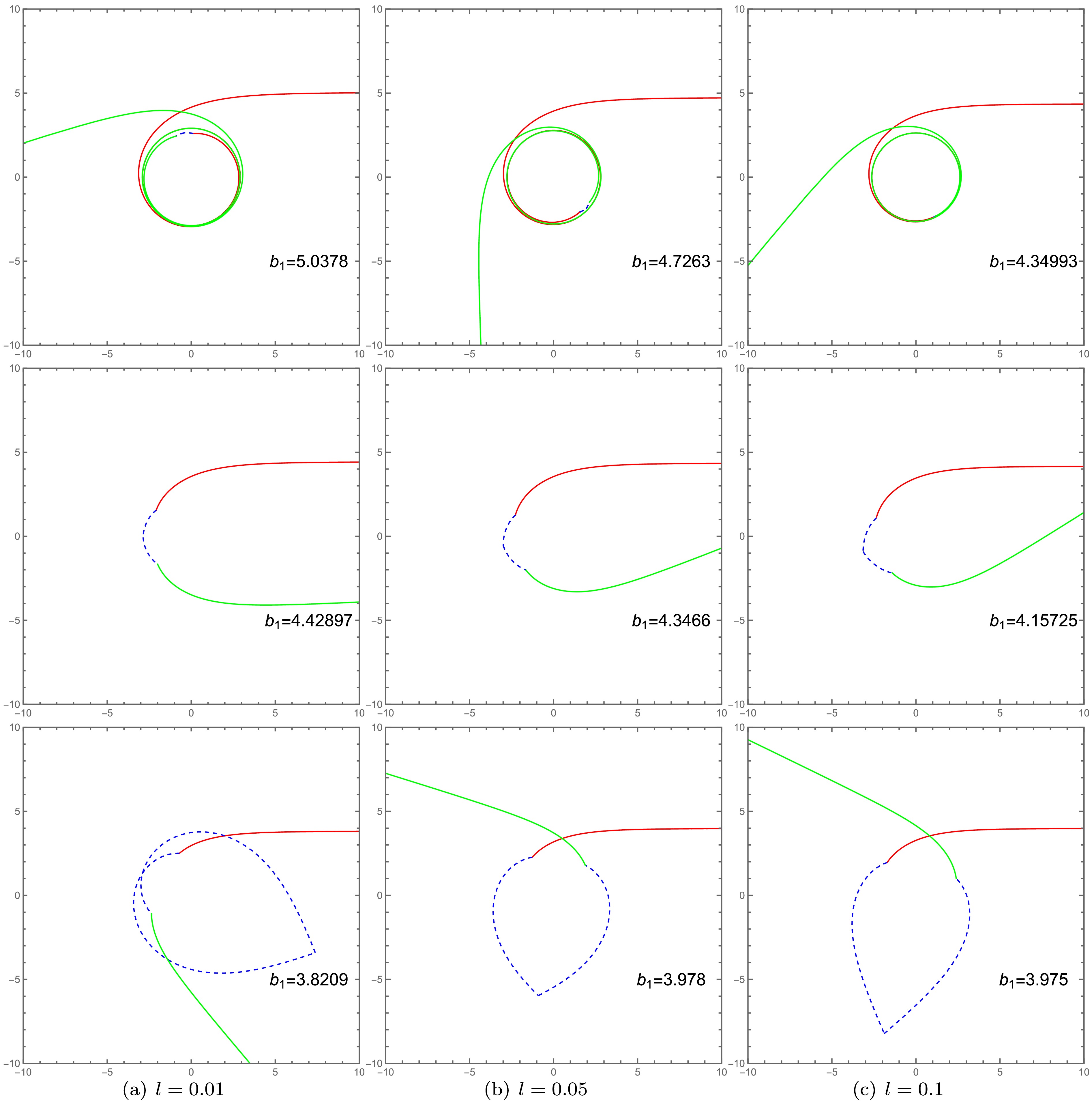
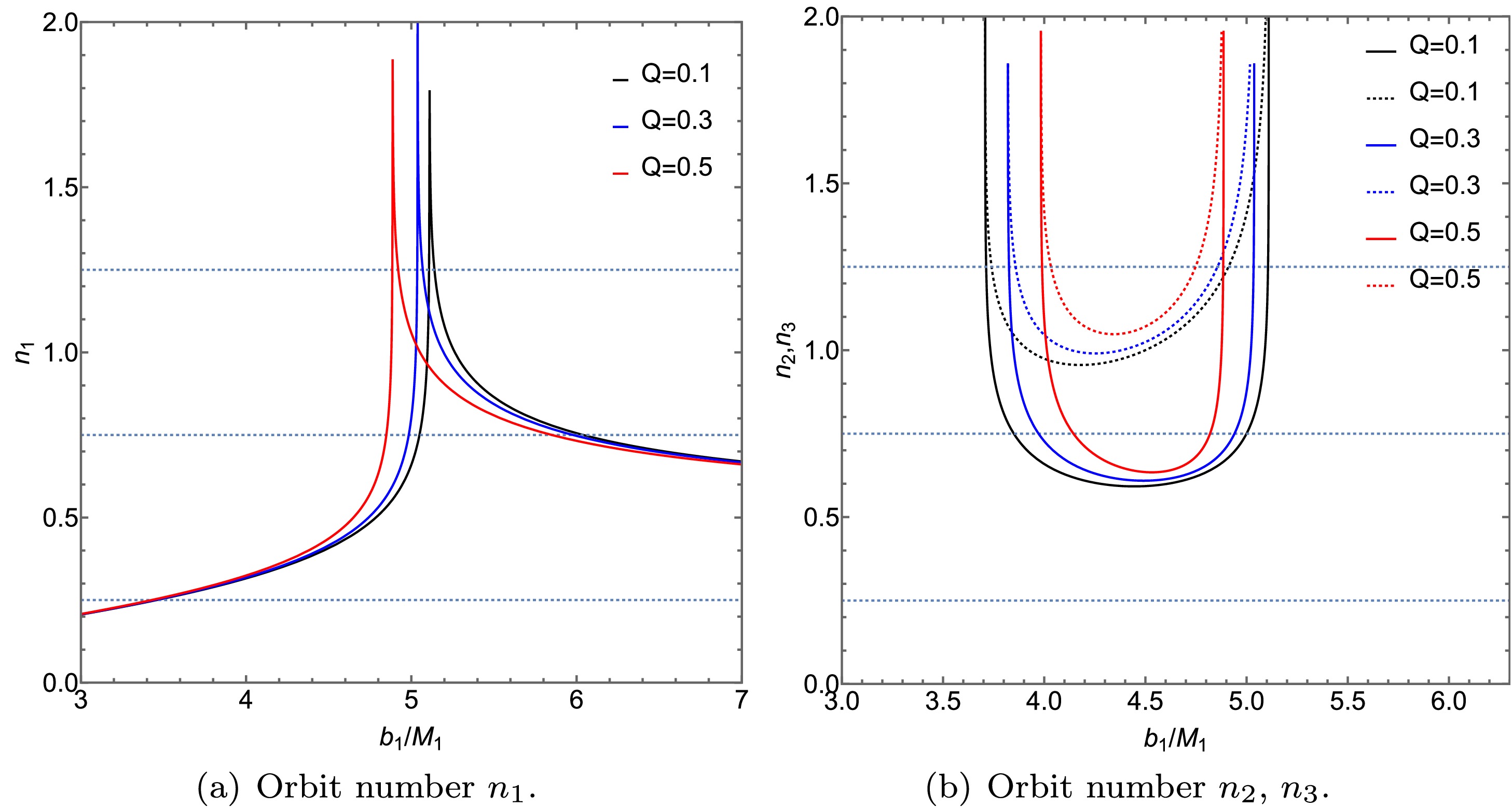
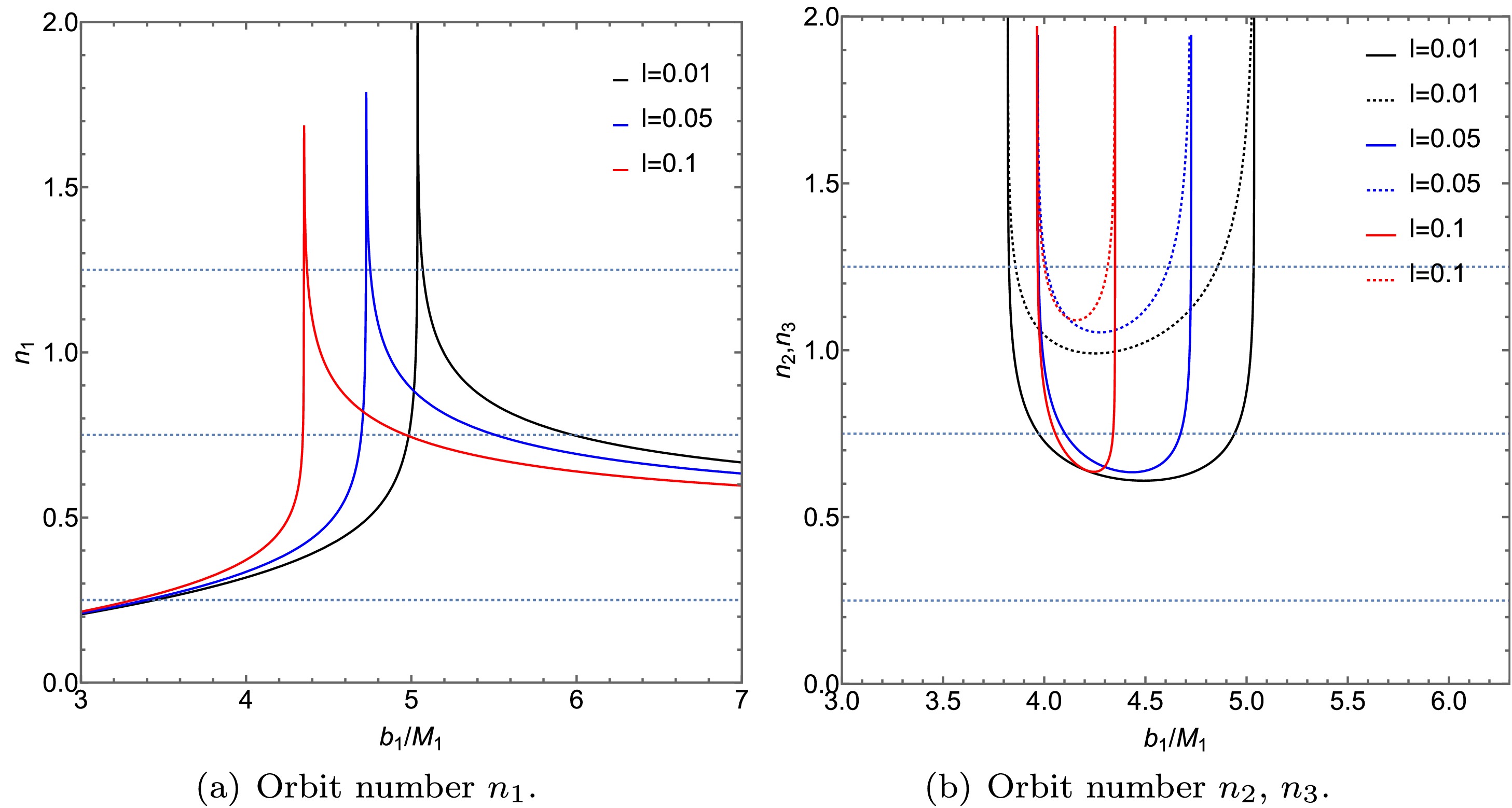
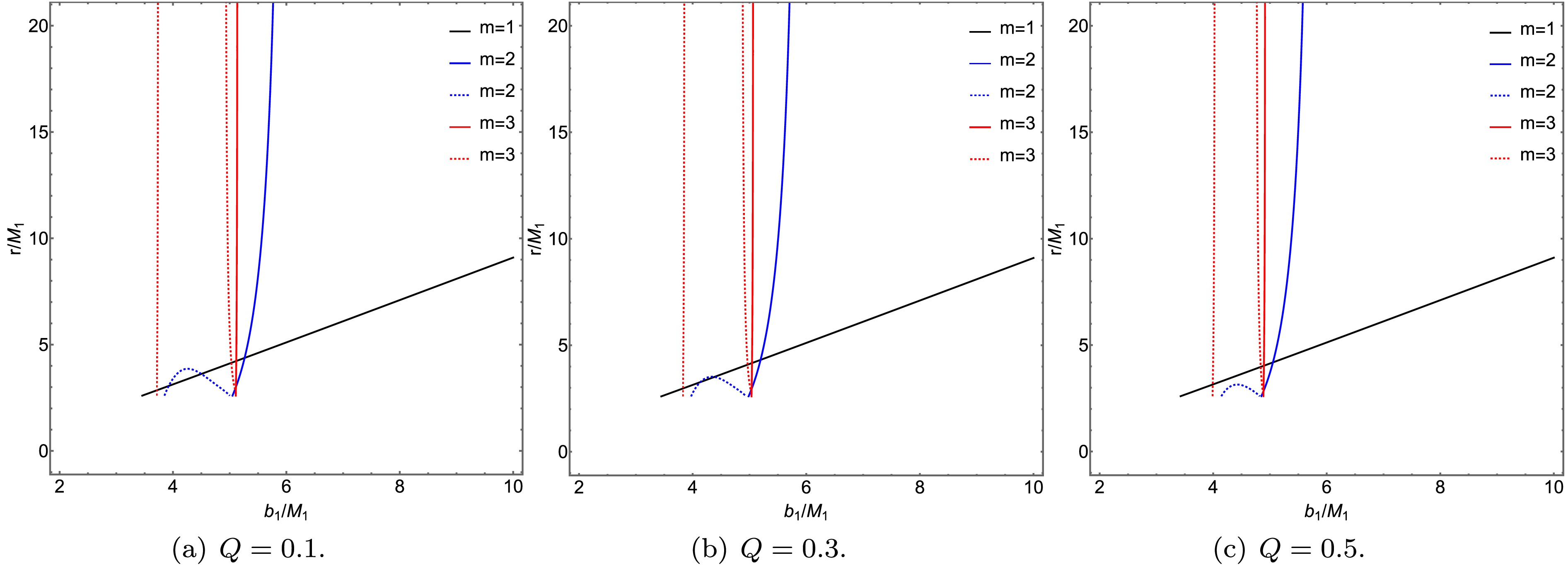
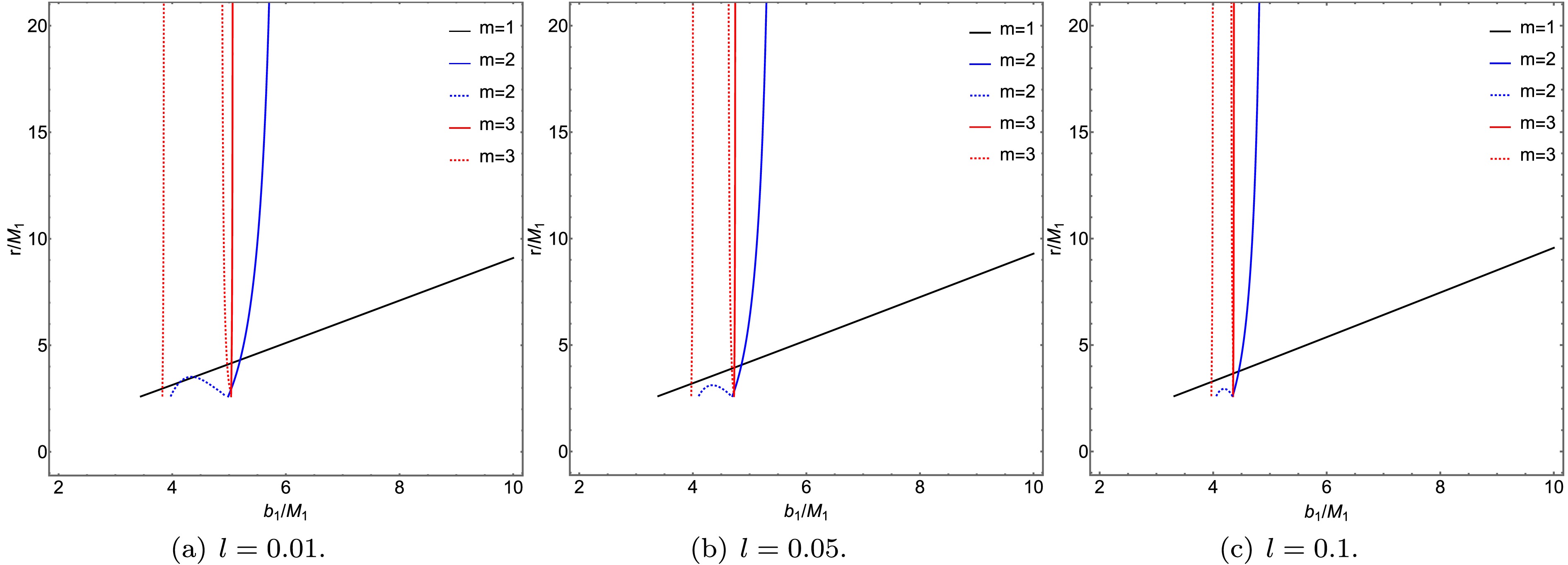
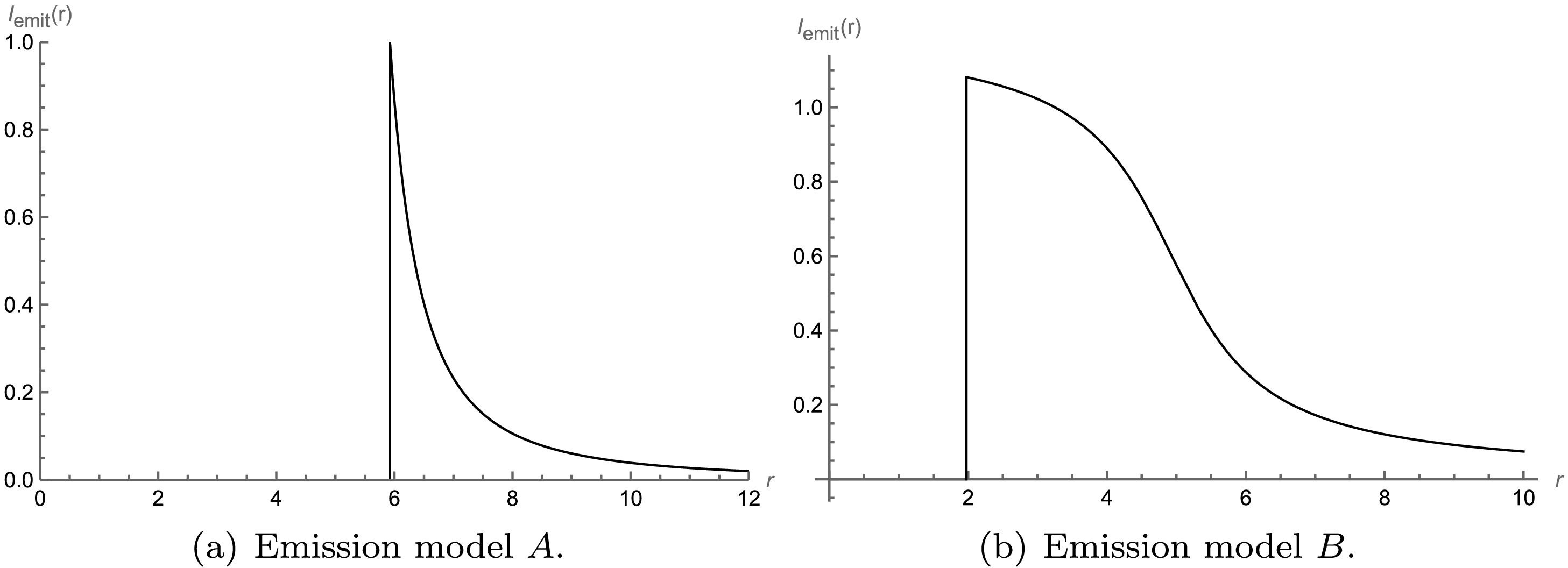
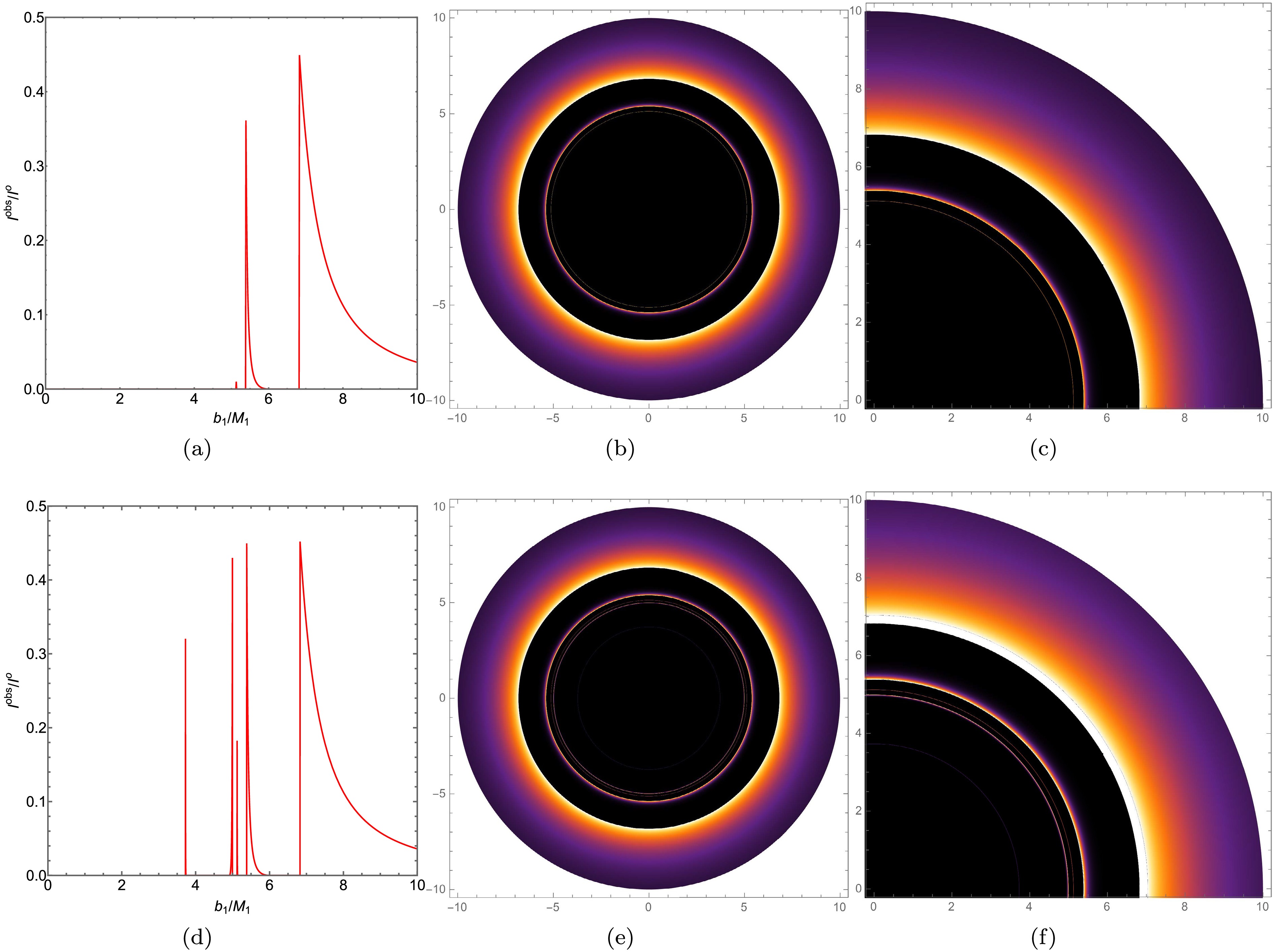
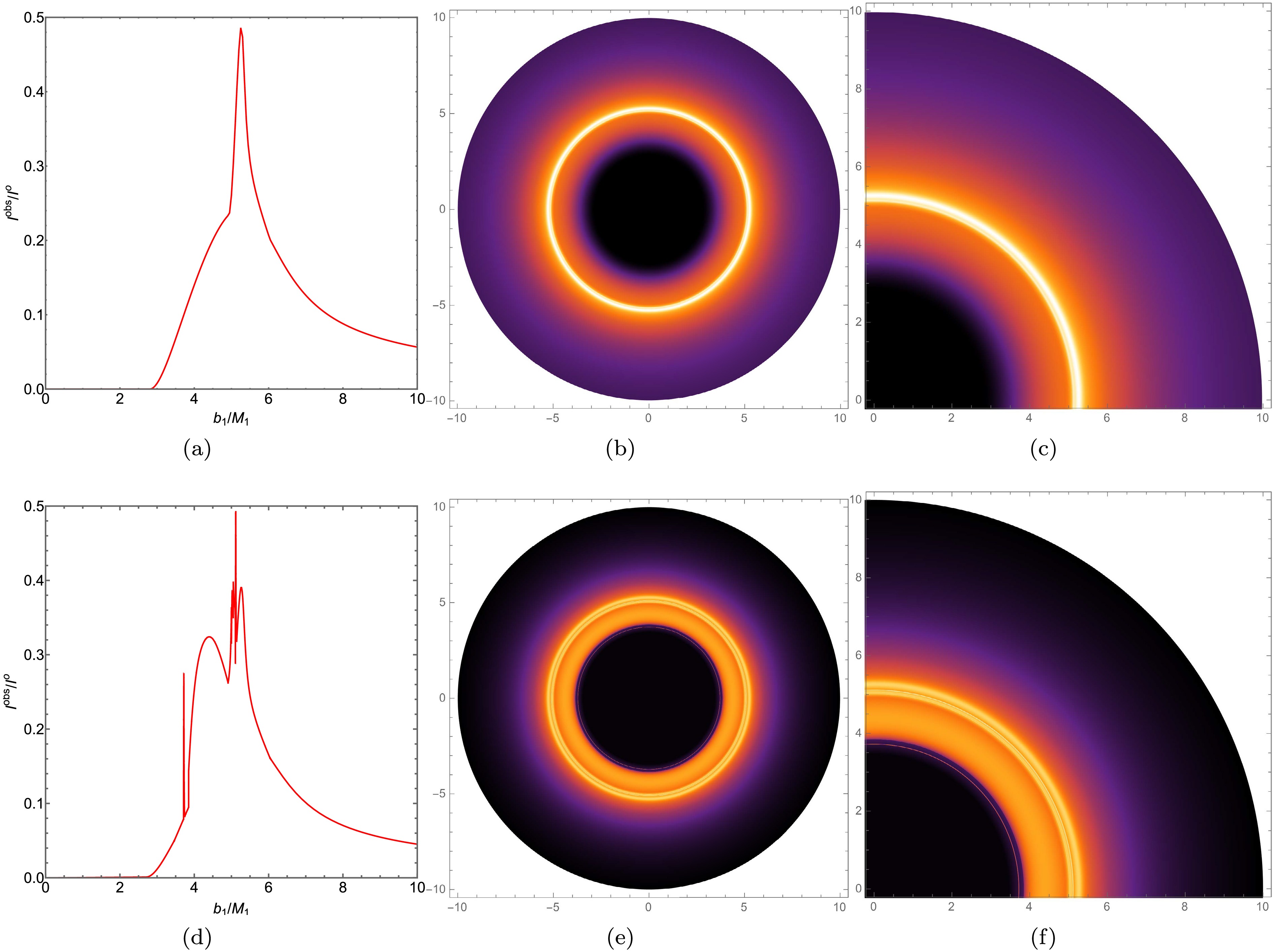
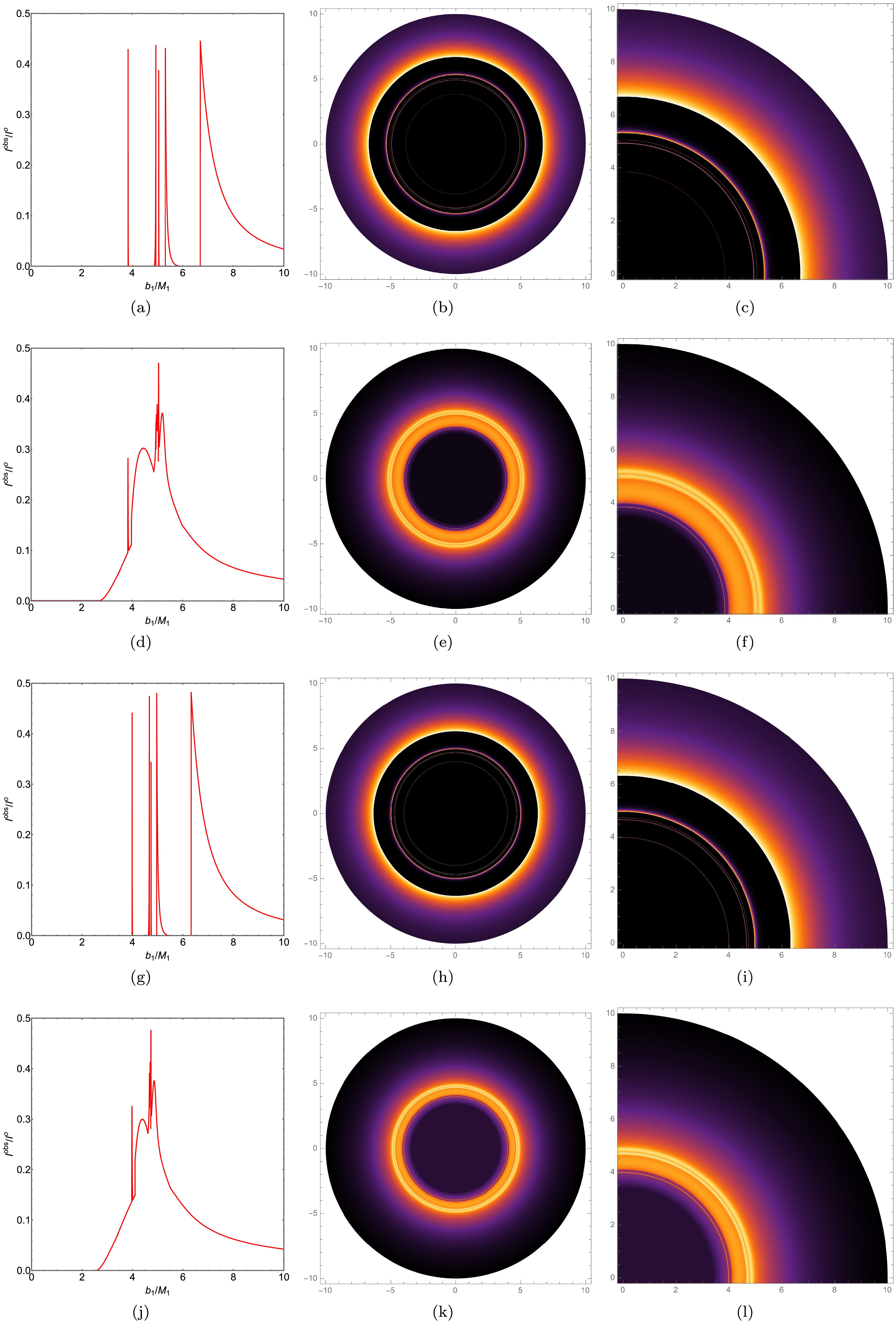
In this paper, we utilize the ray-tracing method to conduct an in-depth study of the observational images of asymmetric thin-shell wormholes in the Kalb-Ramond field. Initially, we calculate the null geodesics and effective potential energy of the asymmetric thin-shell wormhole and investigate the variations in the photon sphere radius and critical impact parameter under different values of charge Q and Lorentz-violation parameter l. Based on these calculations, we determine the photon deflection angles and trajectories within this space-time structure. Specifically, depending on the photon impact parameters, the photon trajectories can be categorized into three types. By using a thin accretion disk as the sole background light source and incorporating two classical observational radiation models, we find that under conditions of equal mass M, charge quantity Q, and Lorentz-violation parameter l, asymmetric thin-shell wormholes exhibit unique observational features, such as additional lensing rings and photon ring clusters. Furthermore, distinct from black holes, as the charge quantity Q and Lorentz-violation parameter l increase, the coverage area of the specific additional halo expands correspondingly.
In this paper, we utilize the ray-tracing method to conduct an in-depth study of the observational images of asymmetric thin-shell wormholes in the Kalb-Ramond field. Initially, we calculate the null geodesics and effective potential energy of the asymmetric thin-shell wormhole and investigate the variations in the photon sphere radius and critical impact parameter under different values of charge Q and Lorentz-violation parameter l. Based on these calculations, we determine the photon deflection angles and trajectories within this space-time structure. Specifically, depending on the photon impact parameters, the photon trajectories can be categorized into three types. By using a thin accretion disk as the sole background light source and incorporating two classical observational radiation models, we find that under conditions of equal mass M, charge quantity Q, and Lorentz-violation parameter l, asymmetric thin-shell wormholes exhibit unique observational features, such as additional lensing rings and photon ring clusters. Furthermore, distinct from black holes, as the charge quantity Q and Lorentz-violation parameter l increase, the coverage area of the specific additional halo expands correspondingly.
2026, 50(4): 045102. doi: 10.1088/1674-1137/ae30ea
Abstract:
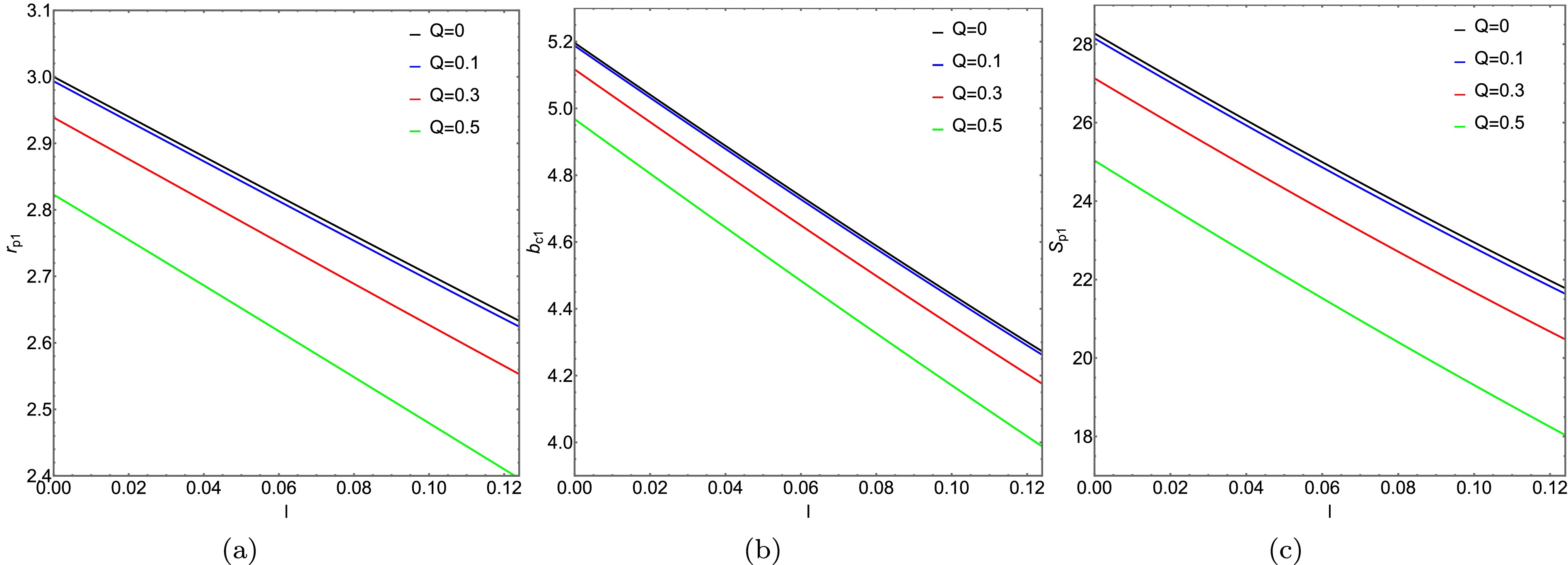
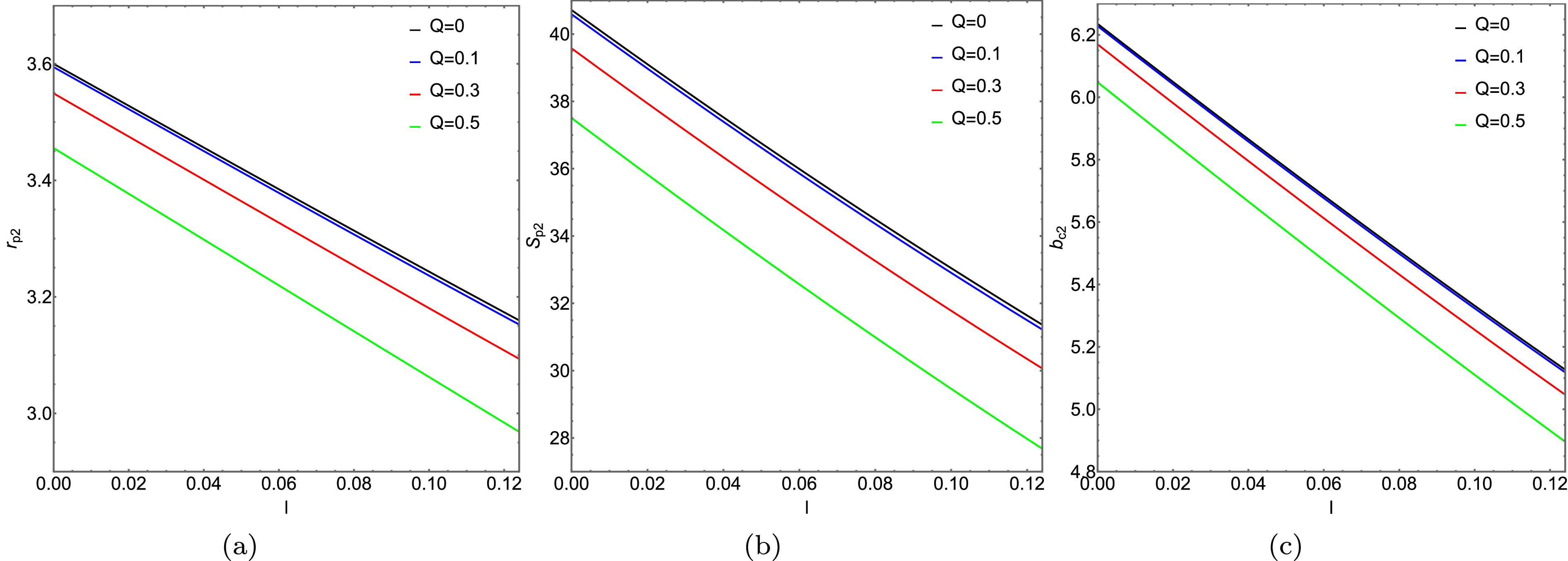
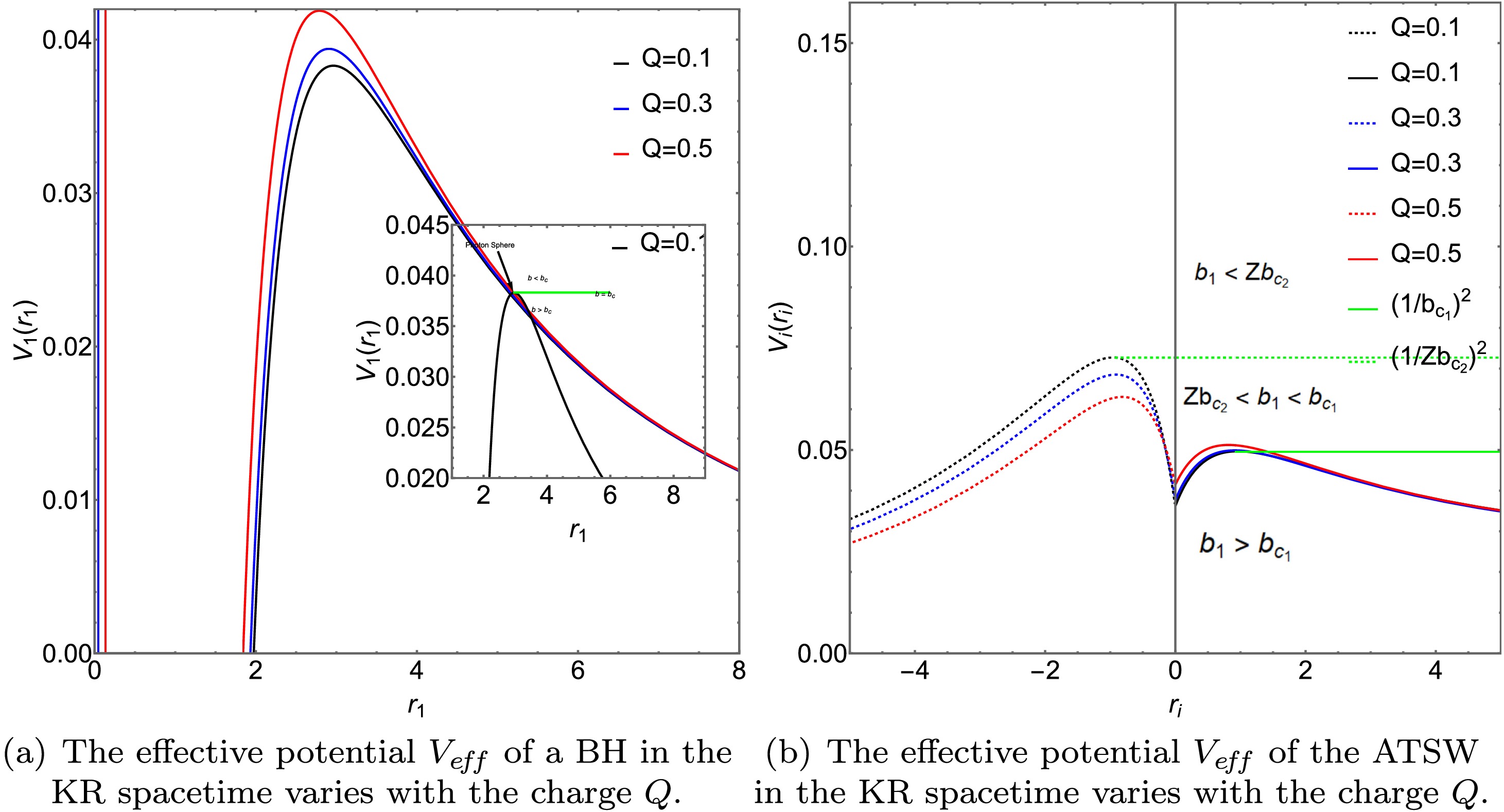
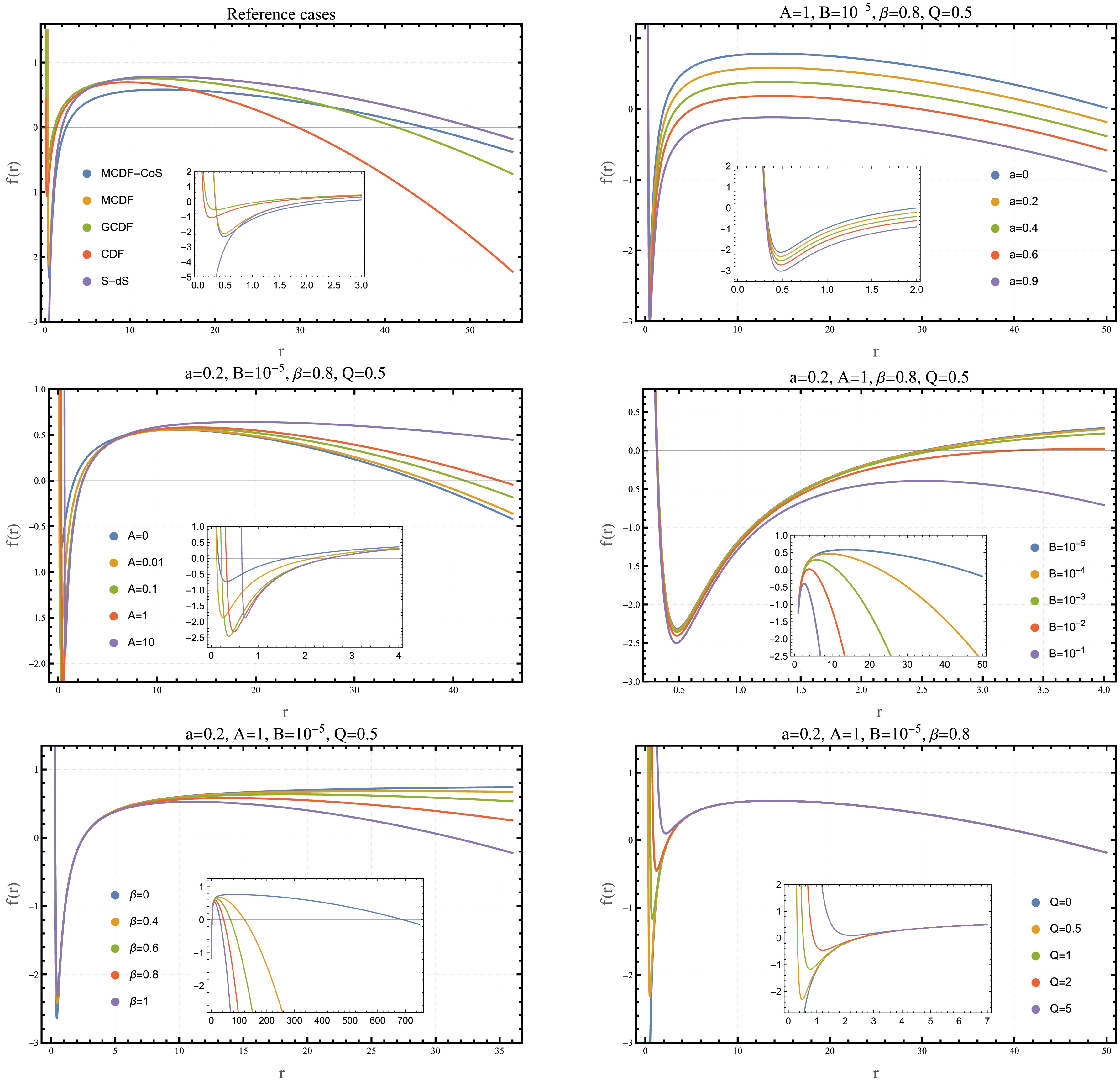
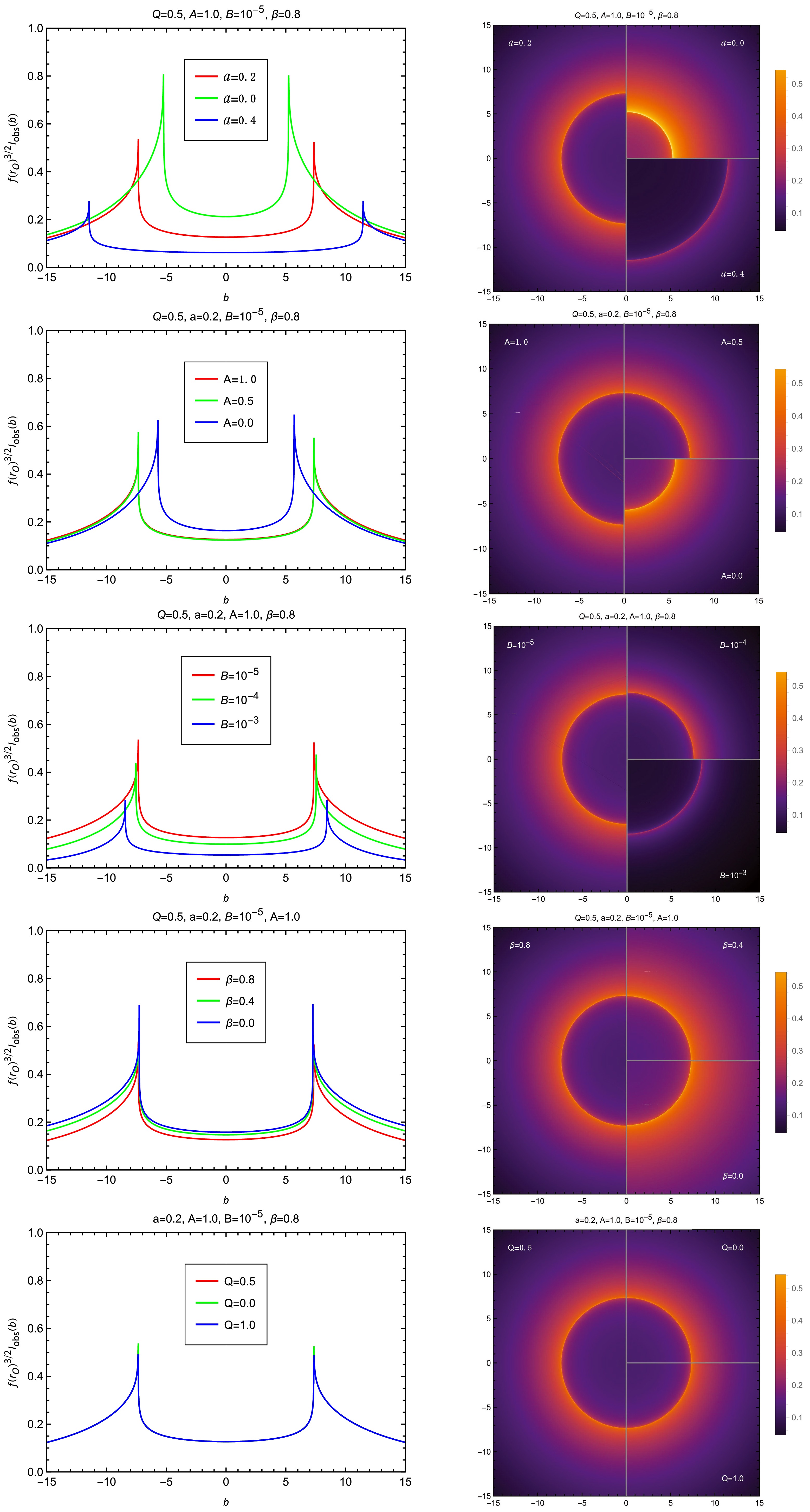
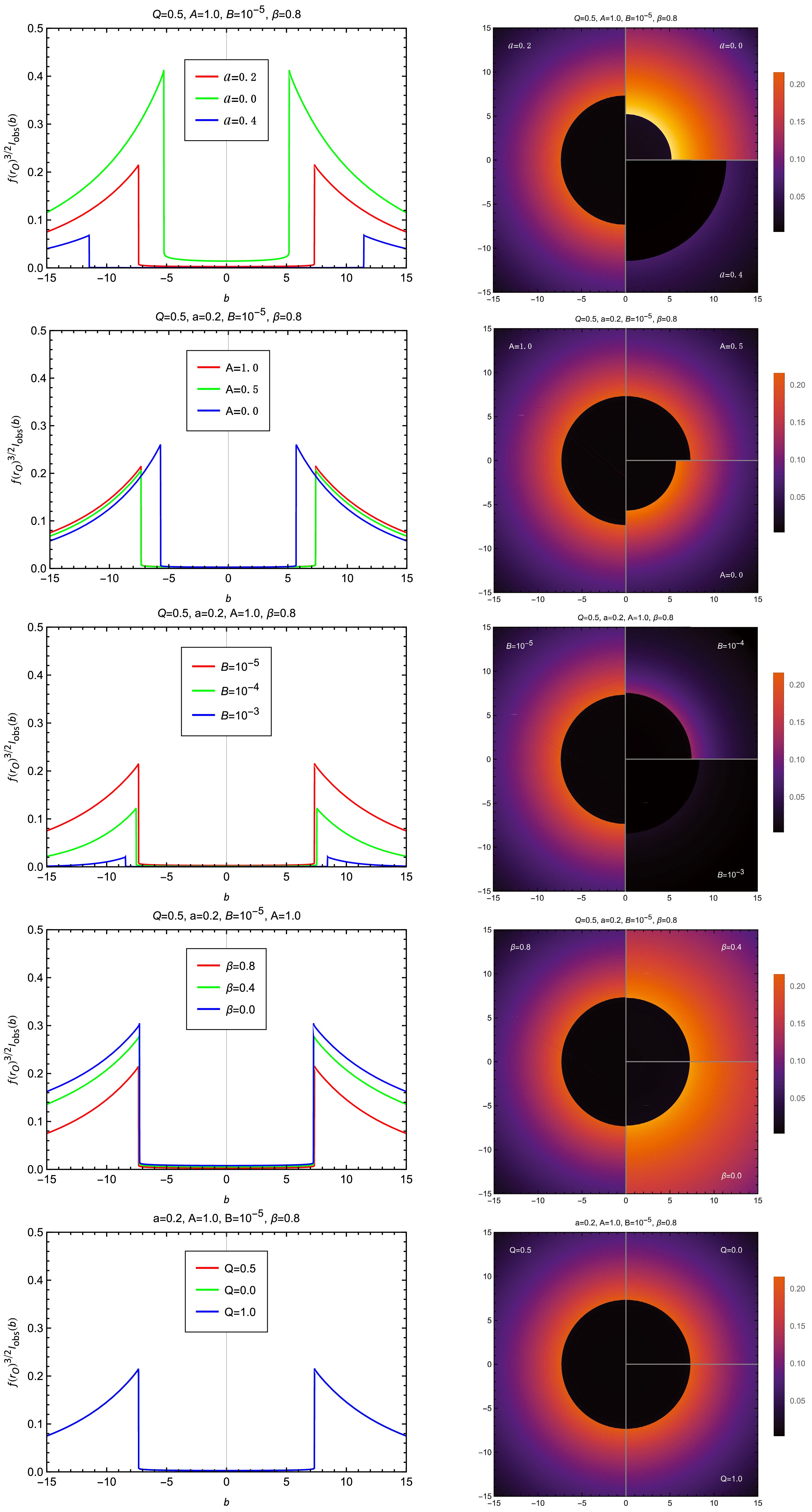
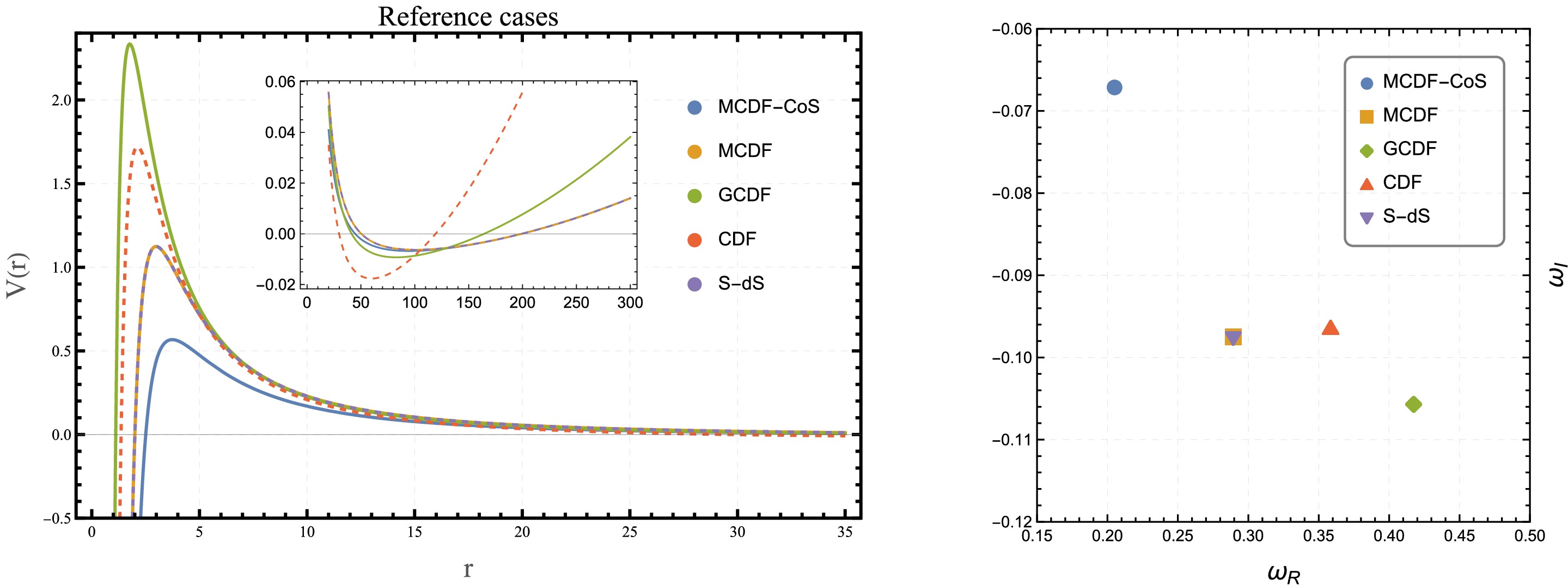
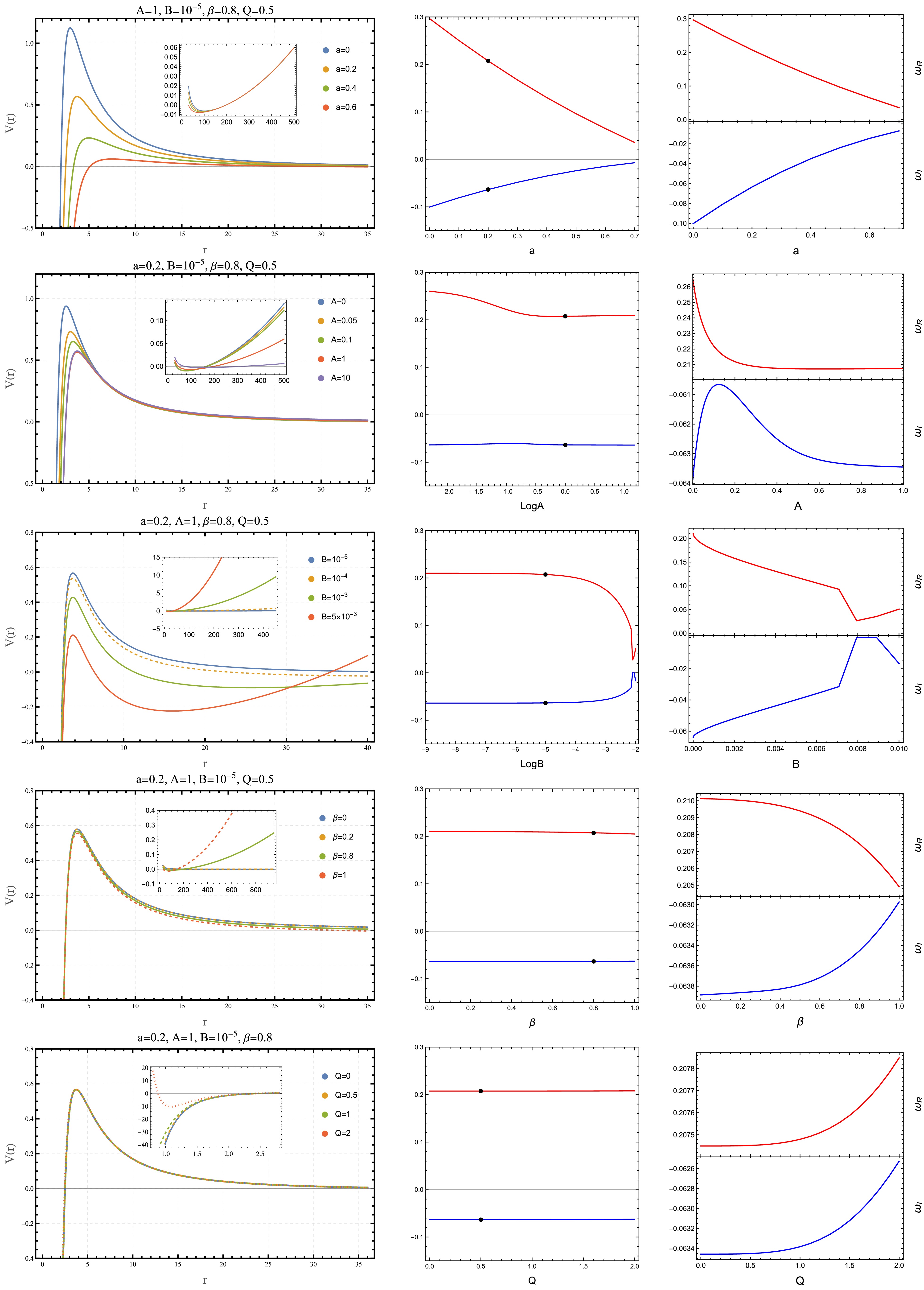
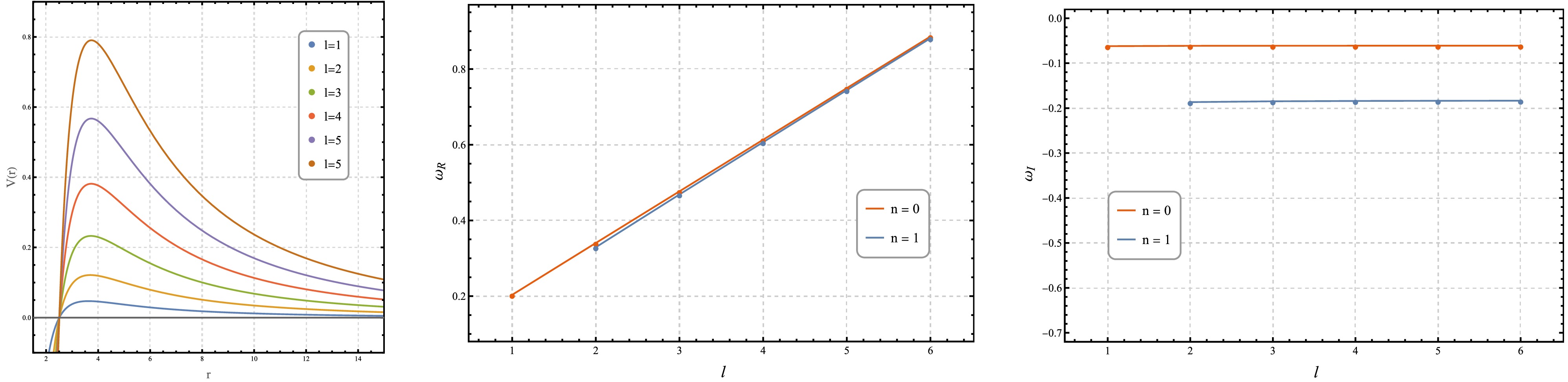
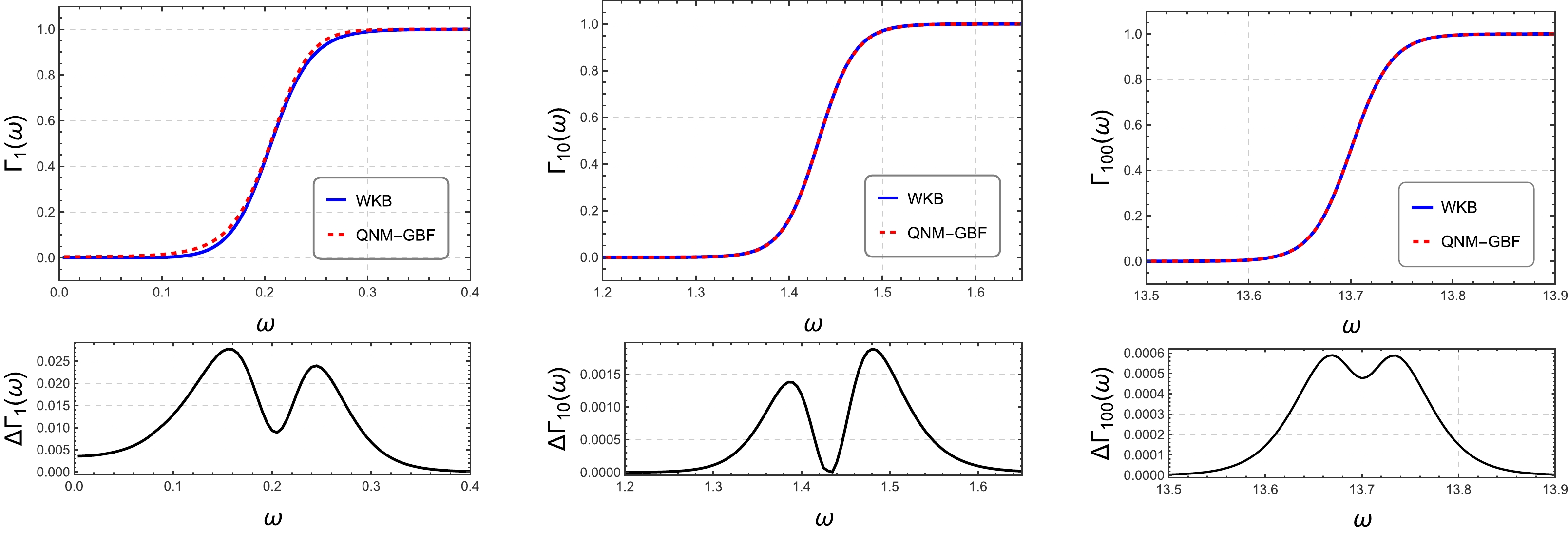
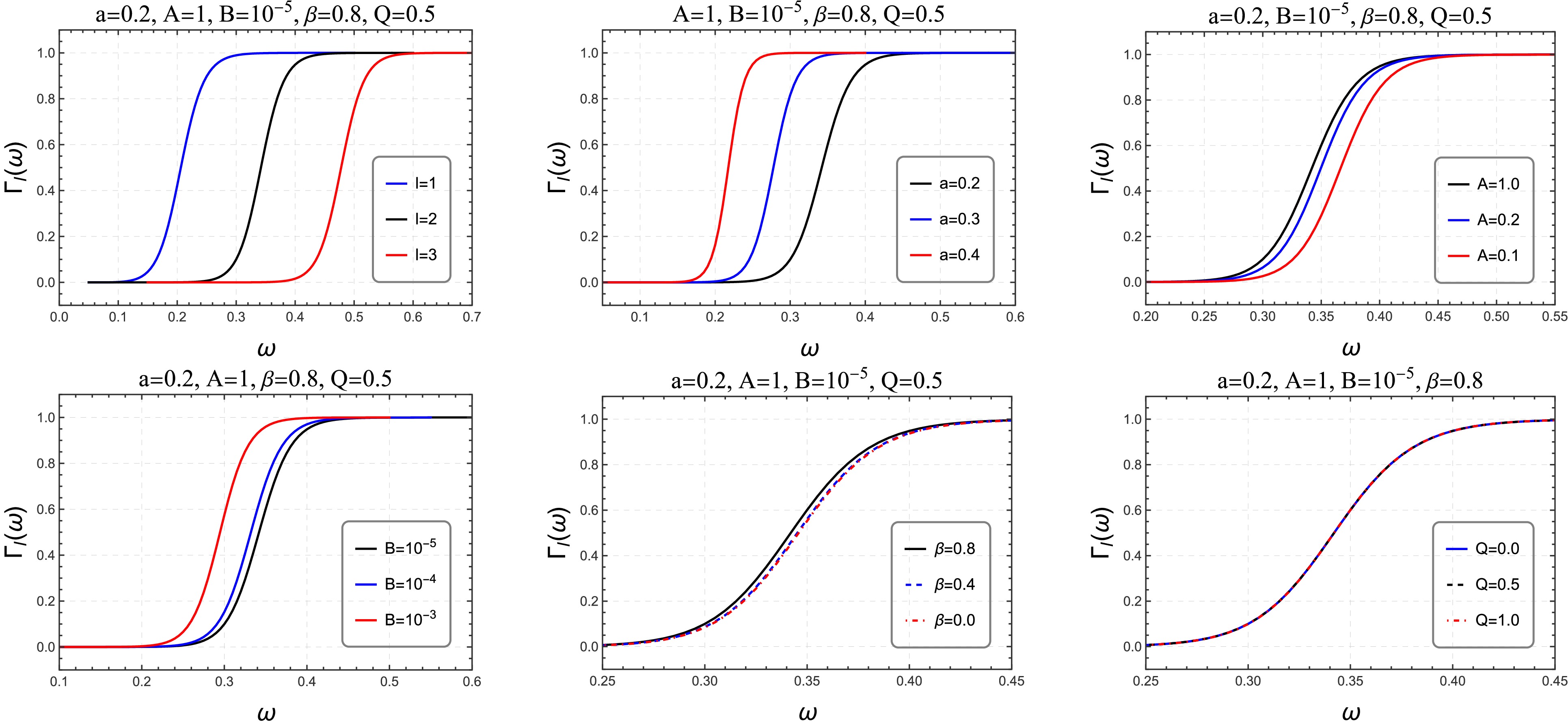
We present a unified investigation of black hole shadows, quasinormal modes (QNMs), and greybody factors (GBFs) for a static, spherically symmetric black hole within a composite environment of a modified Chaplygin-like dark fluid (MCDF) and a cloud of strings (CoS). We examine the structure of critical photon orbits and the corresponding optical appearance under spherical accretion. Using the Wentzel–Kramers–Brillouin (WKB) approximation, we compute the quasinormal frequencies and greybody spectra and explore their correspondence with the black hole shadows in the eikonal limit. A systematic parameter study demonstrates that the CoS intensity has the primary influence on the shadows, QNMs, and GBFs, whereas the MCDF parameters introduce more complex but characterizable modifications to each. Our results demonstrate that these environmental components imprint distinct yet interrelated signatures on key observables, offering specific predictions for probing exotic black hole environments.
We present a unified investigation of black hole shadows, quasinormal modes (QNMs), and greybody factors (GBFs) for a static, spherically symmetric black hole within a composite environment of a modified Chaplygin-like dark fluid (MCDF) and a cloud of strings (CoS). We examine the structure of critical photon orbits and the corresponding optical appearance under spherical accretion. Using the Wentzel–Kramers–Brillouin (WKB) approximation, we compute the quasinormal frequencies and greybody spectra and explore their correspondence with the black hole shadows in the eikonal limit. A systematic parameter study demonstrates that the CoS intensity has the primary influence on the shadows, QNMs, and GBFs, whereas the MCDF parameters introduce more complex but characterizable modifications to each. Our results demonstrate that these environmental components imprint distinct yet interrelated signatures on key observables, offering specific predictions for probing exotic black hole environments.
2026, 50(4): 045103. doi: 10.1088/1674-1137/ae3316
Abstract:
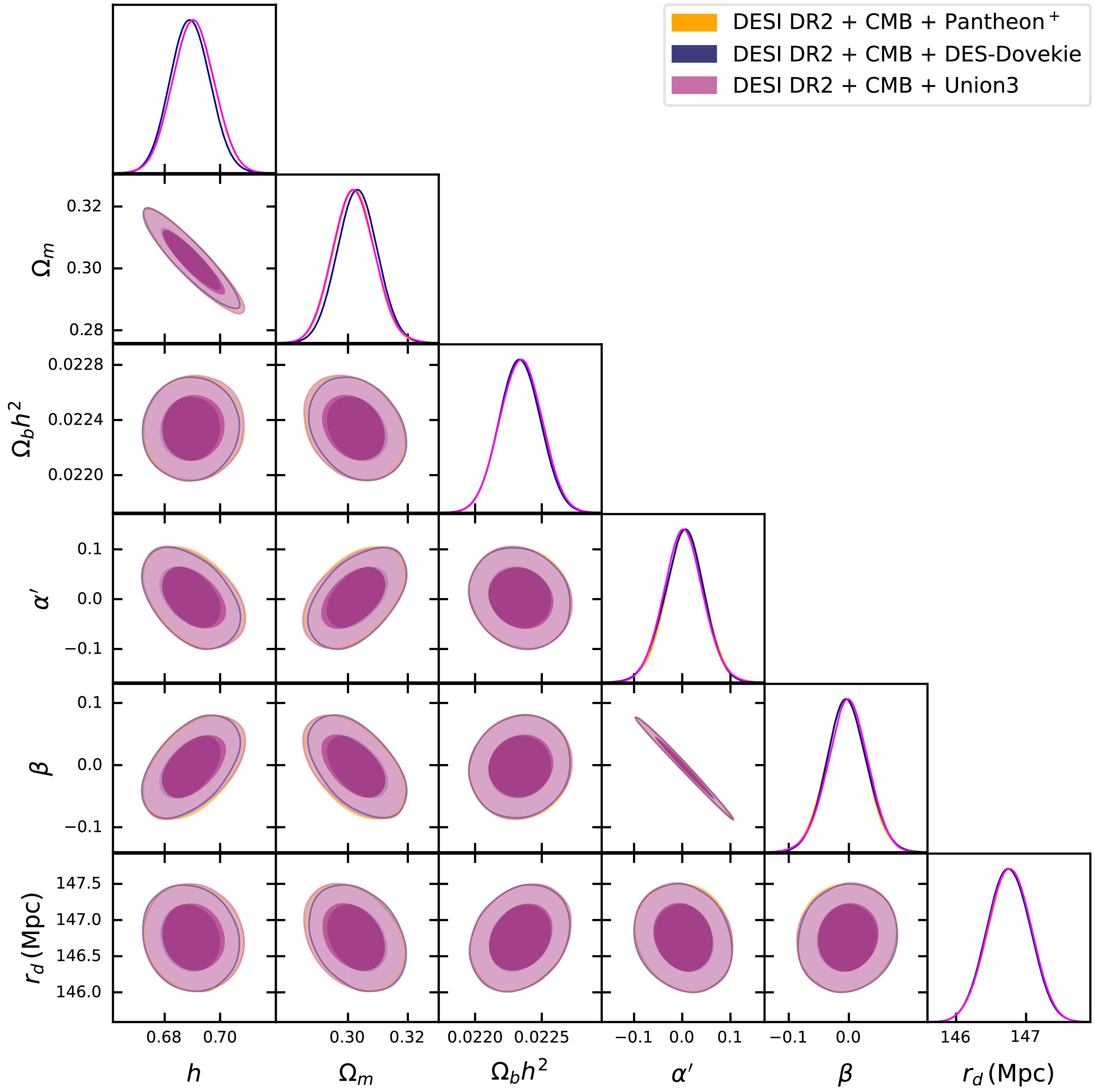
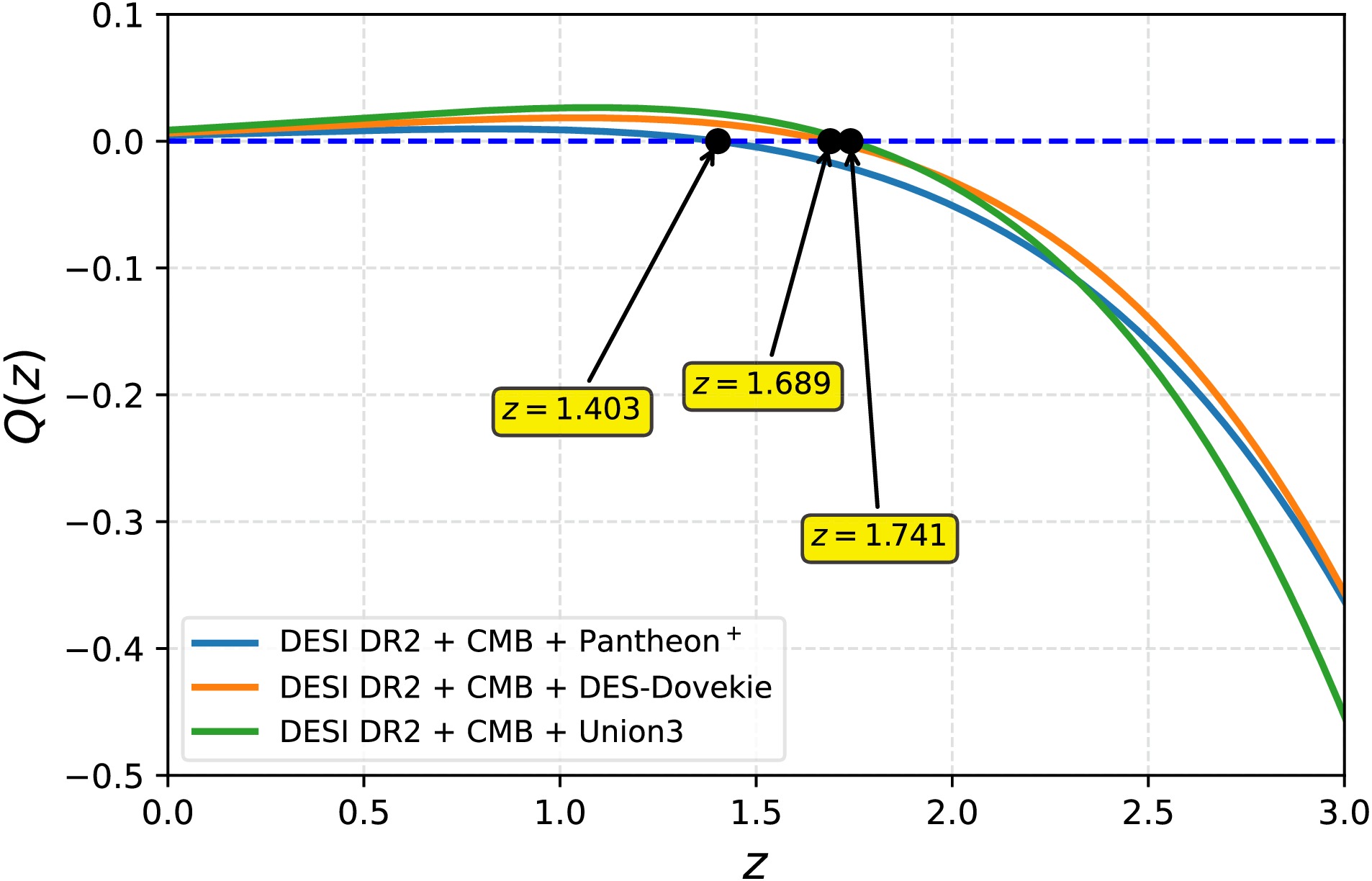
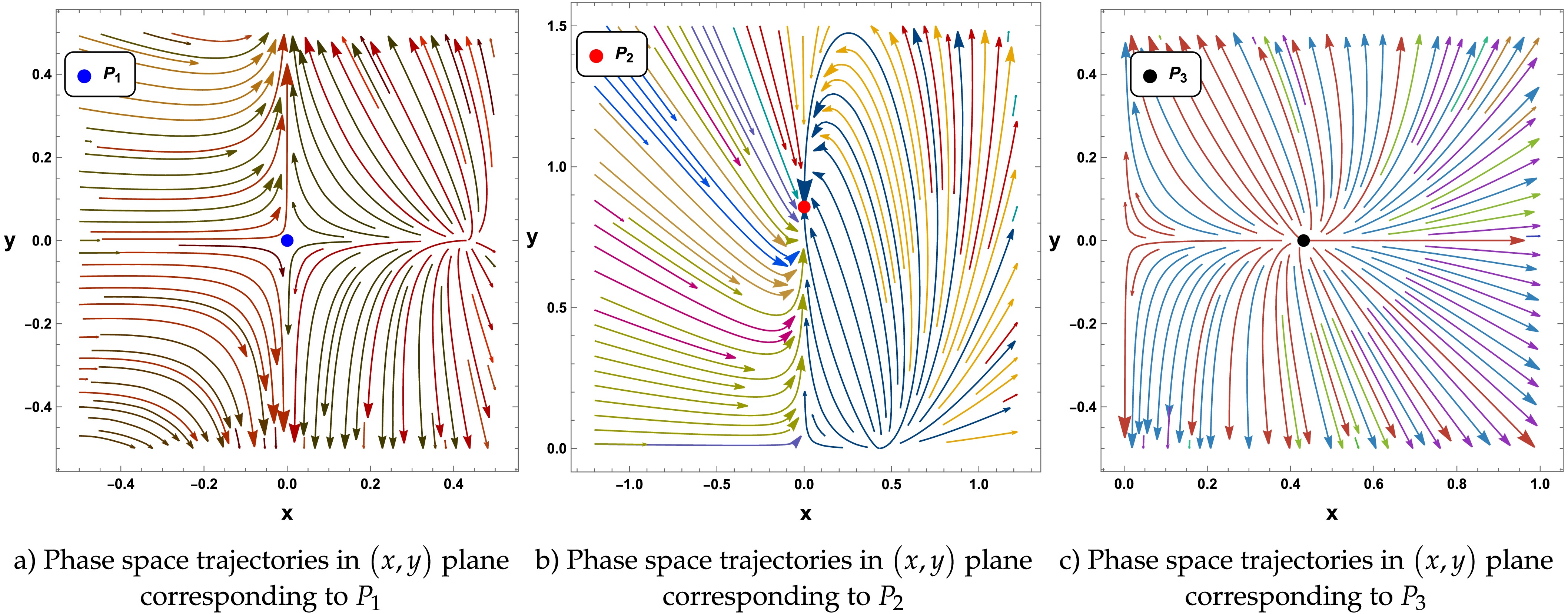
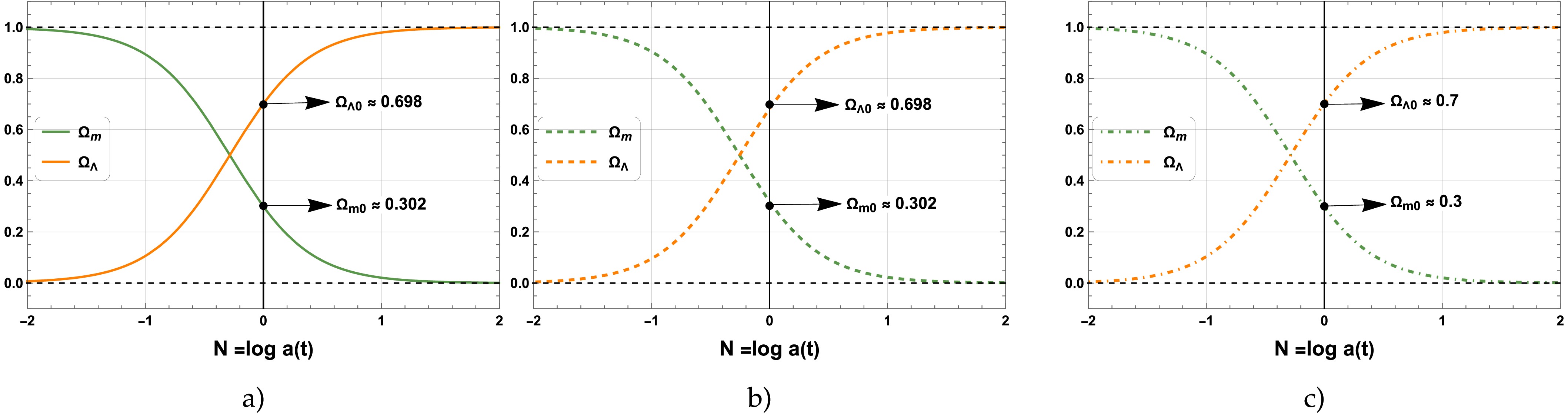
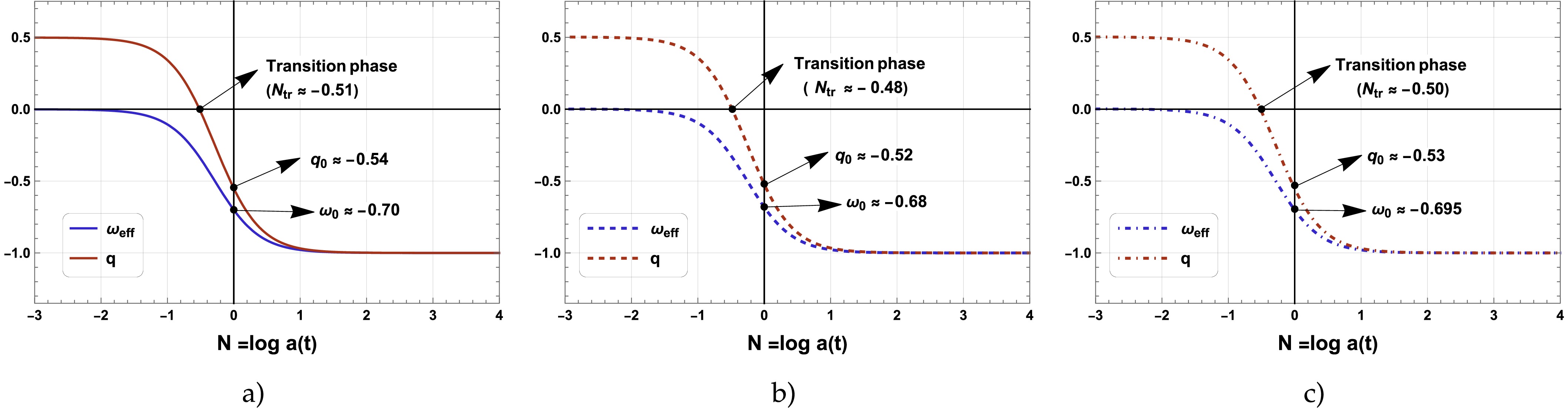
We investigated a time-varying cosmological constant model using recent BAO measurements from DESI DR2, combined with Type Ia supernova samples (Pantheon\begin{document}$^{+}$\end{document} \begin{document}$\Lambda(t)$\end{document} \begin{document}$P_1,P_2$\end{document} \begin{document}$P_3$\end{document} \begin{document}$\Lambda(t)$\end{document} \begin{document}$\omega_0 \gt -1$\end{document} \begin{document}$\omega_0 = -1$\end{document} \begin{document}$N \equiv \log a(t) \approx -0.51$\end{document} \begin{document}$q_0$\end{document} \begin{document}$\Lambda(t)$\end{document}
We investigated a time-varying cosmological constant model using recent BAO measurements from DESI DR2, combined with Type Ia supernova samples (Pantheon
2026, 50(4): 045104. doi: 10.1088/1674-1137/ae368c
Abstract:
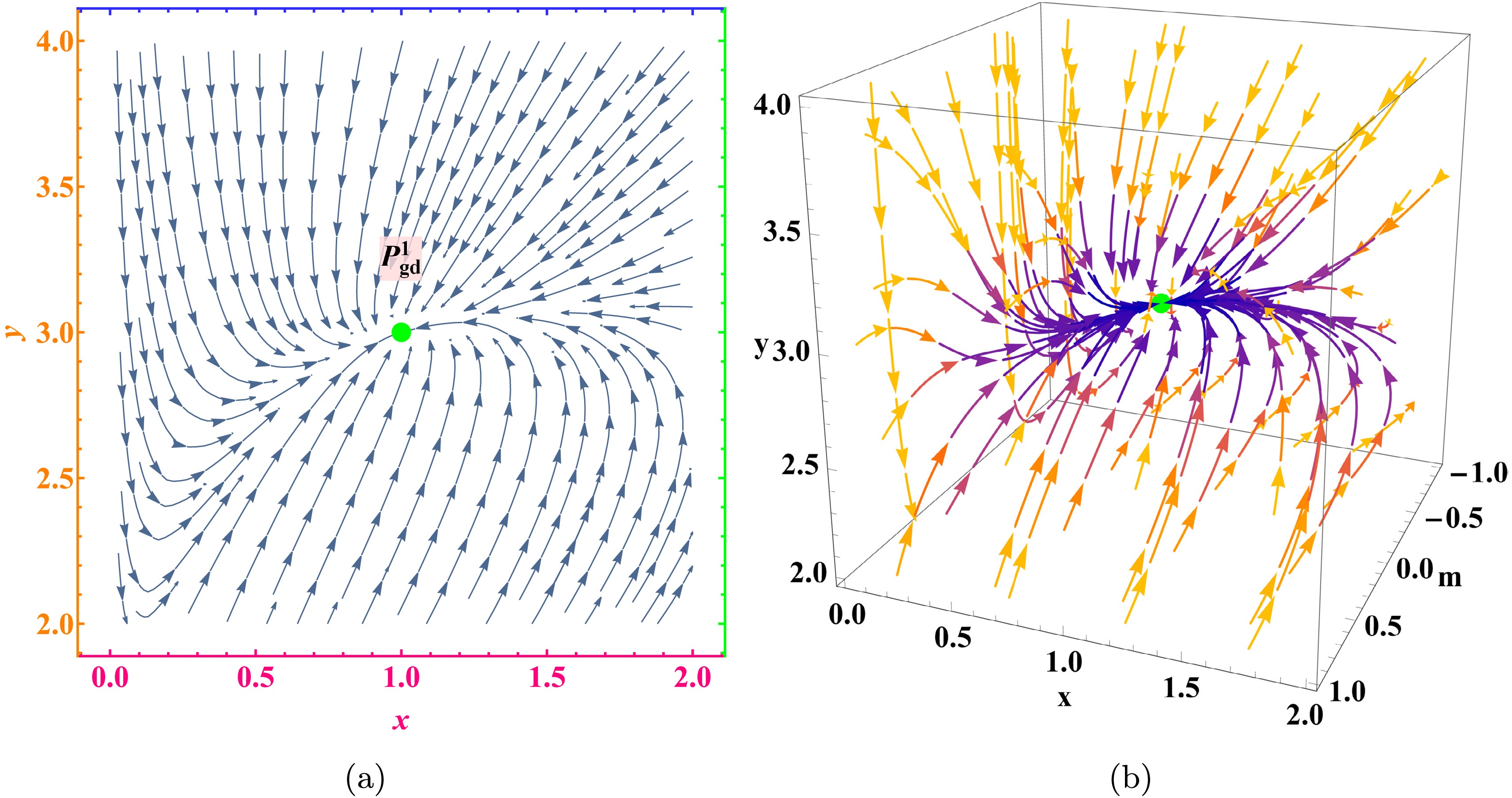
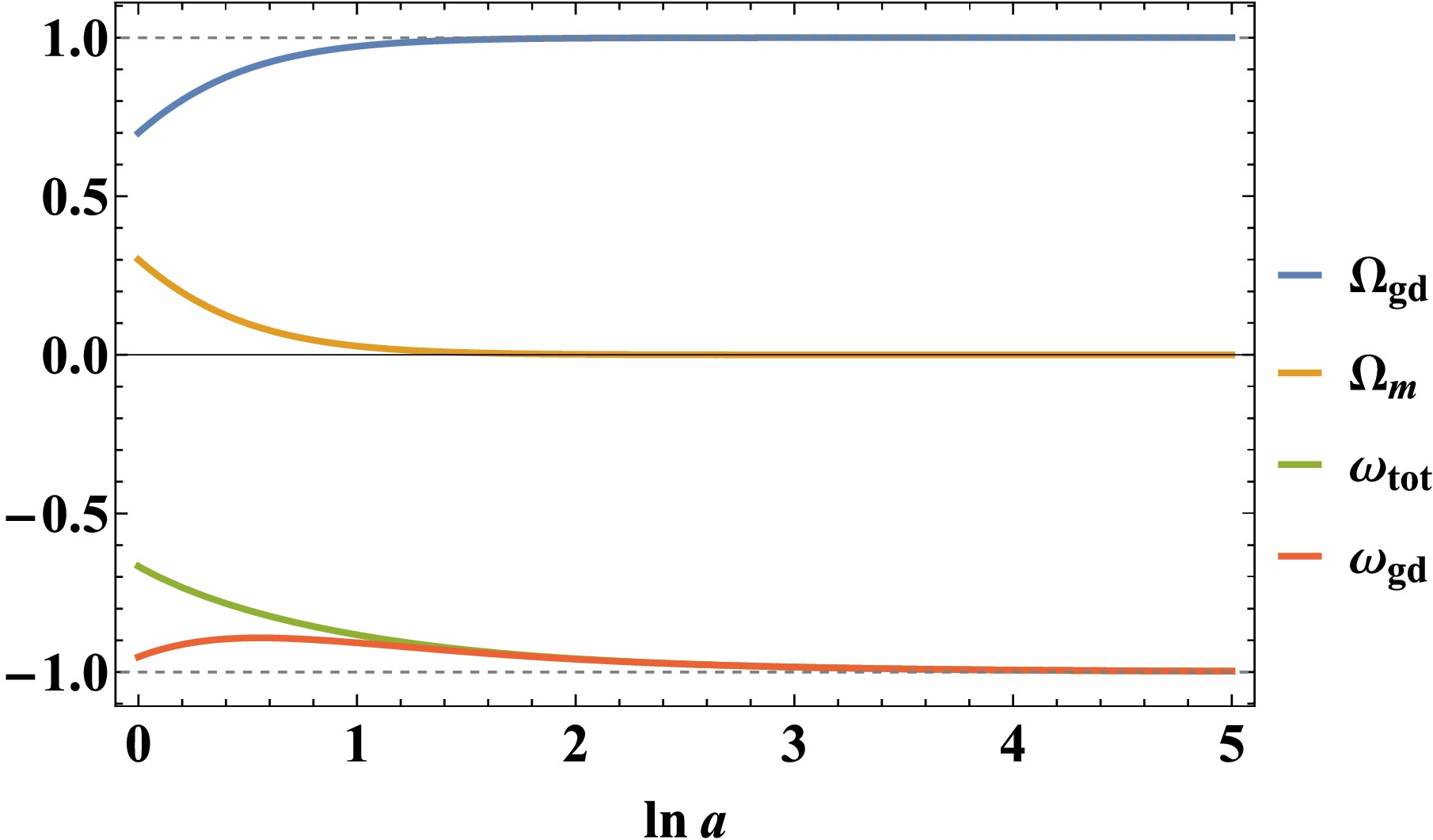
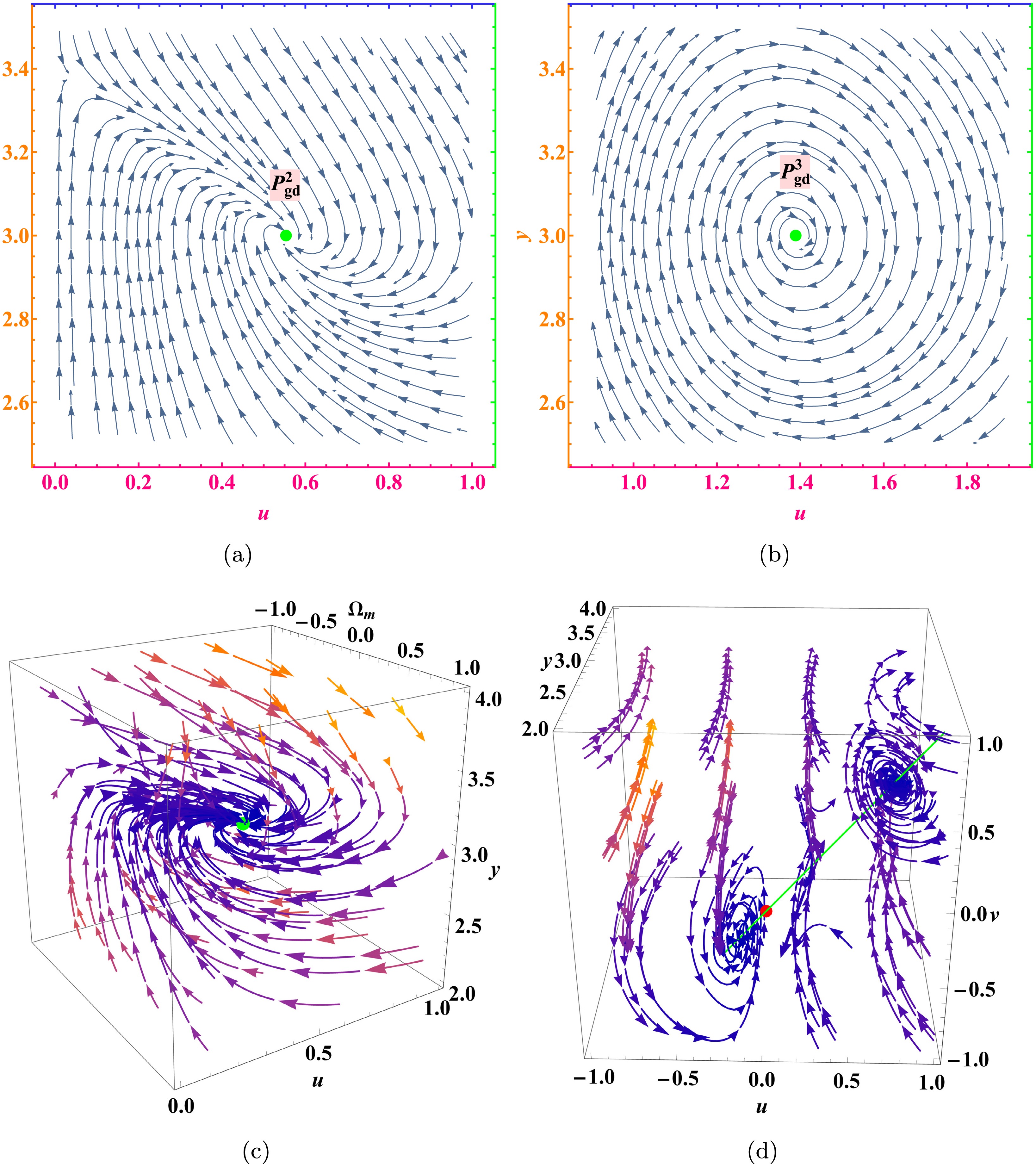
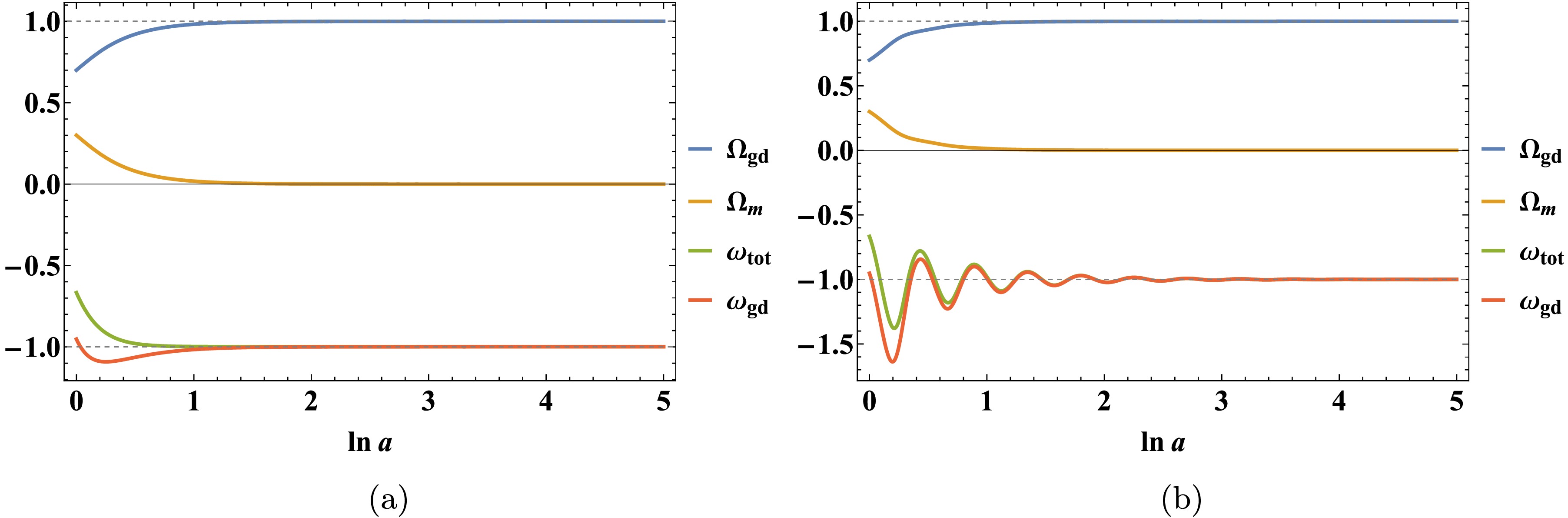
This study systematically investigates the cosmological dynamics of two well-motivated functional forms in\begin{document}$f(T,B)$\end{document} \begin{document}$f(T,B) = - T + B$\end{document} \begin{document}$f(T,B) = c_1 T^\alpha B^\beta$\end{document} \begin{document}$f(T,B) = c_2 T^\alpha + c_3 B^\beta$\end{document} \begin{document}$f(T,B)$\end{document}
This study systematically investigates the cosmological dynamics of two well-motivated functional forms in
2026, 50(4): 045105. doi: 10.1088/1674-1137/ae3be2
Abstract:
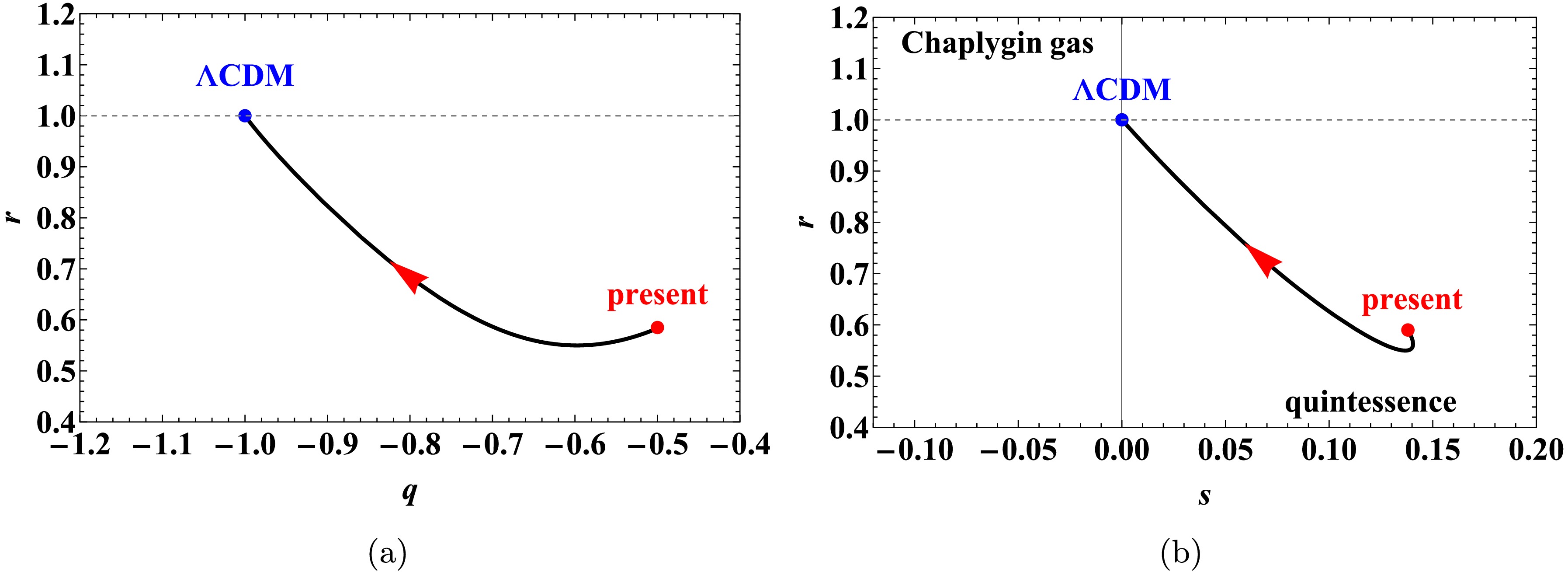
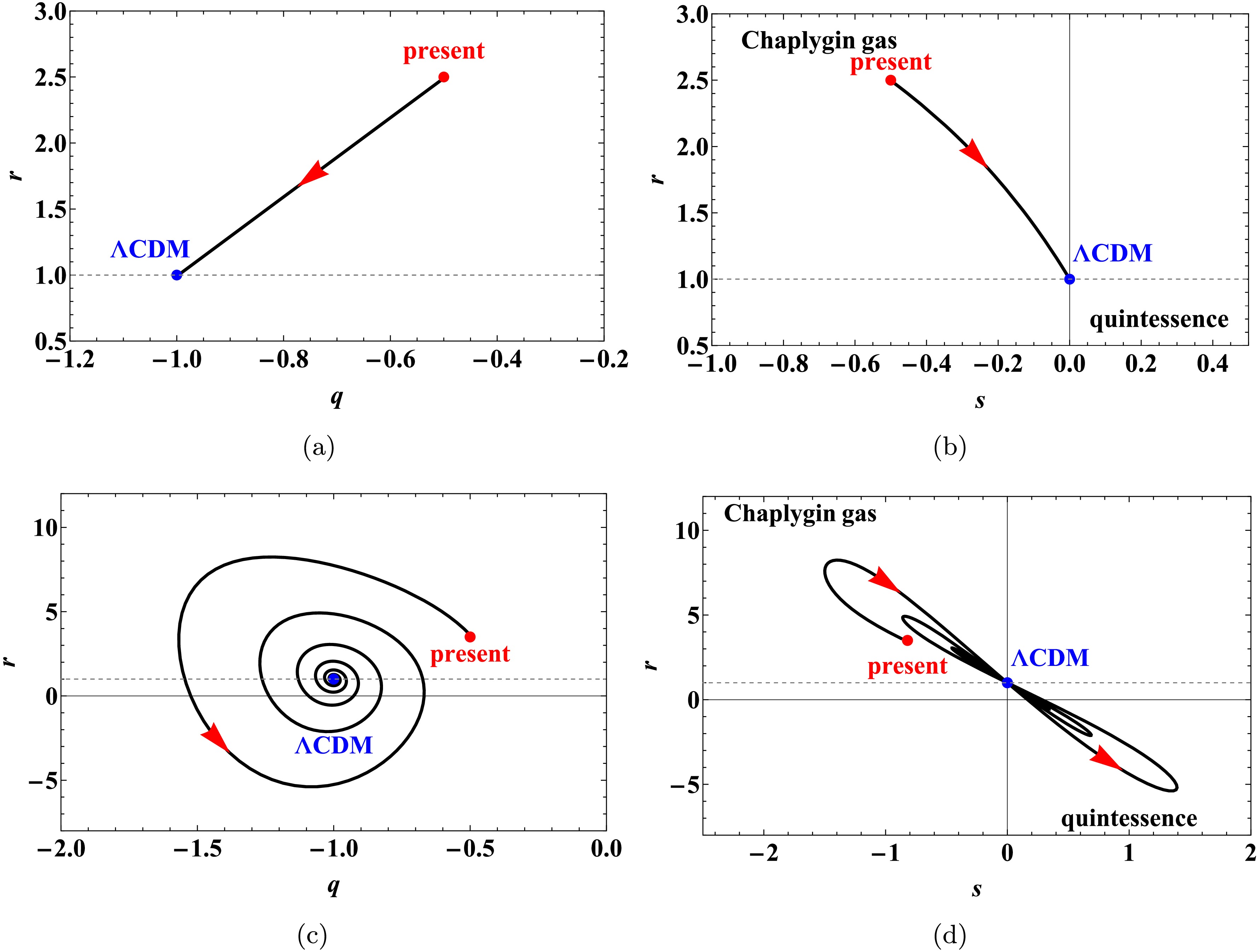
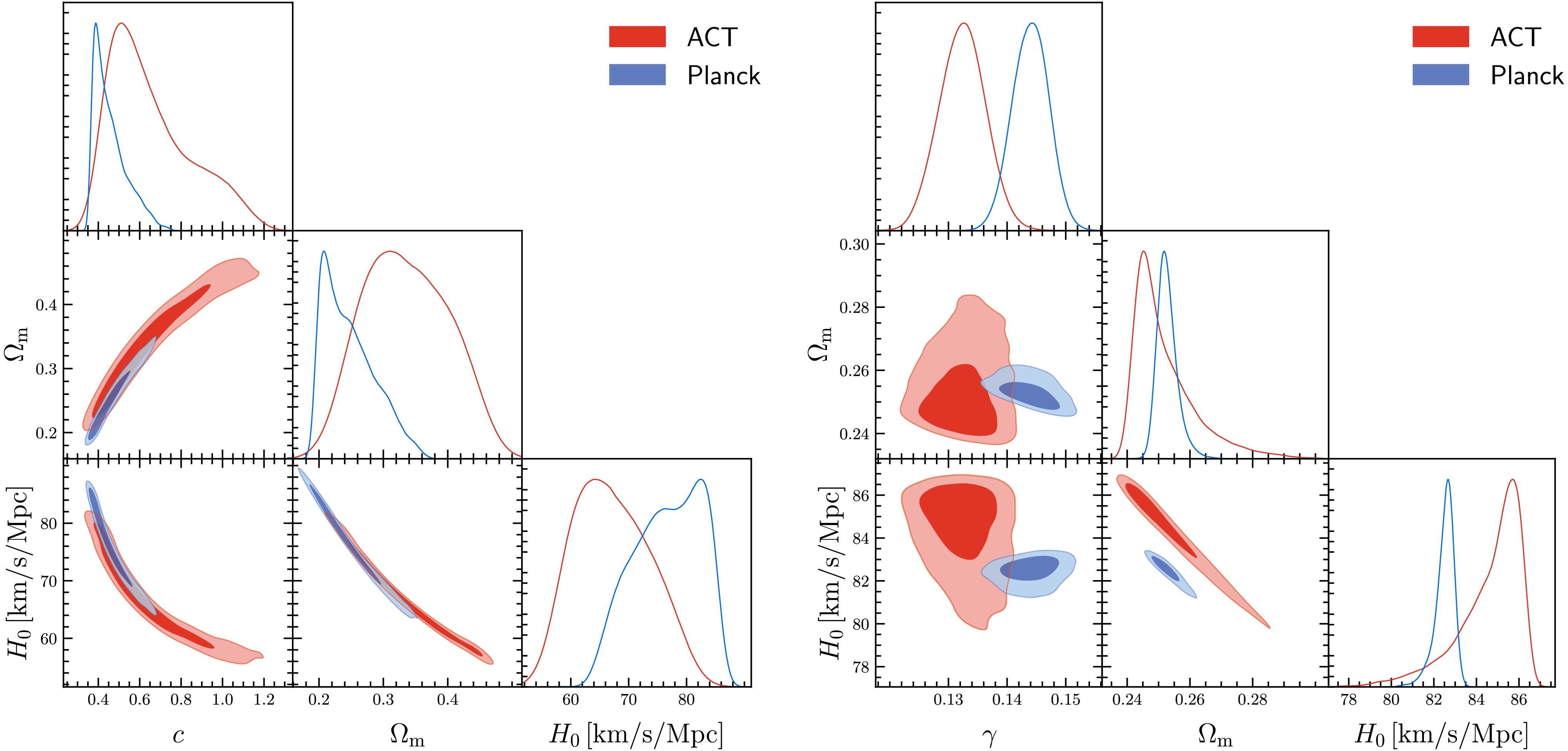
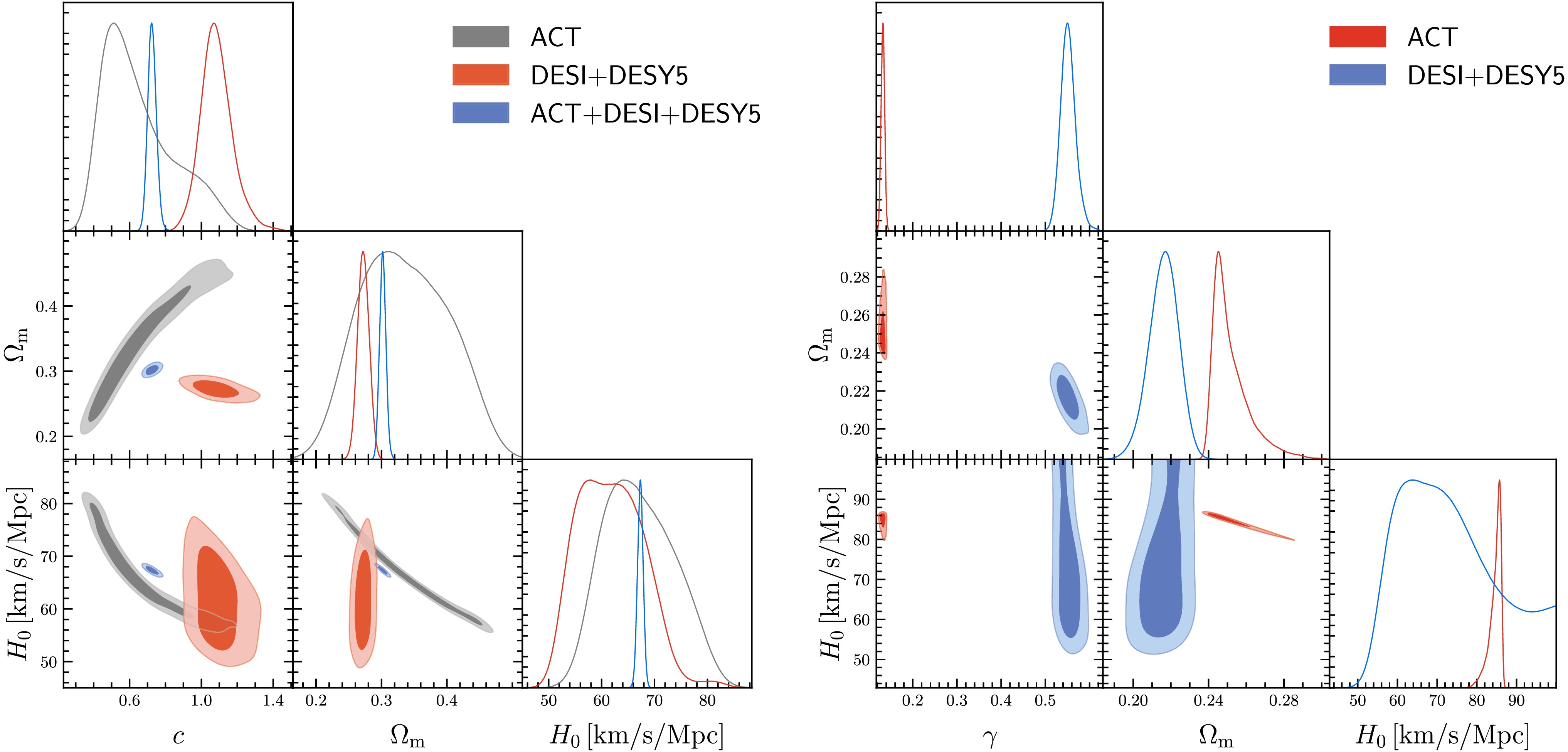
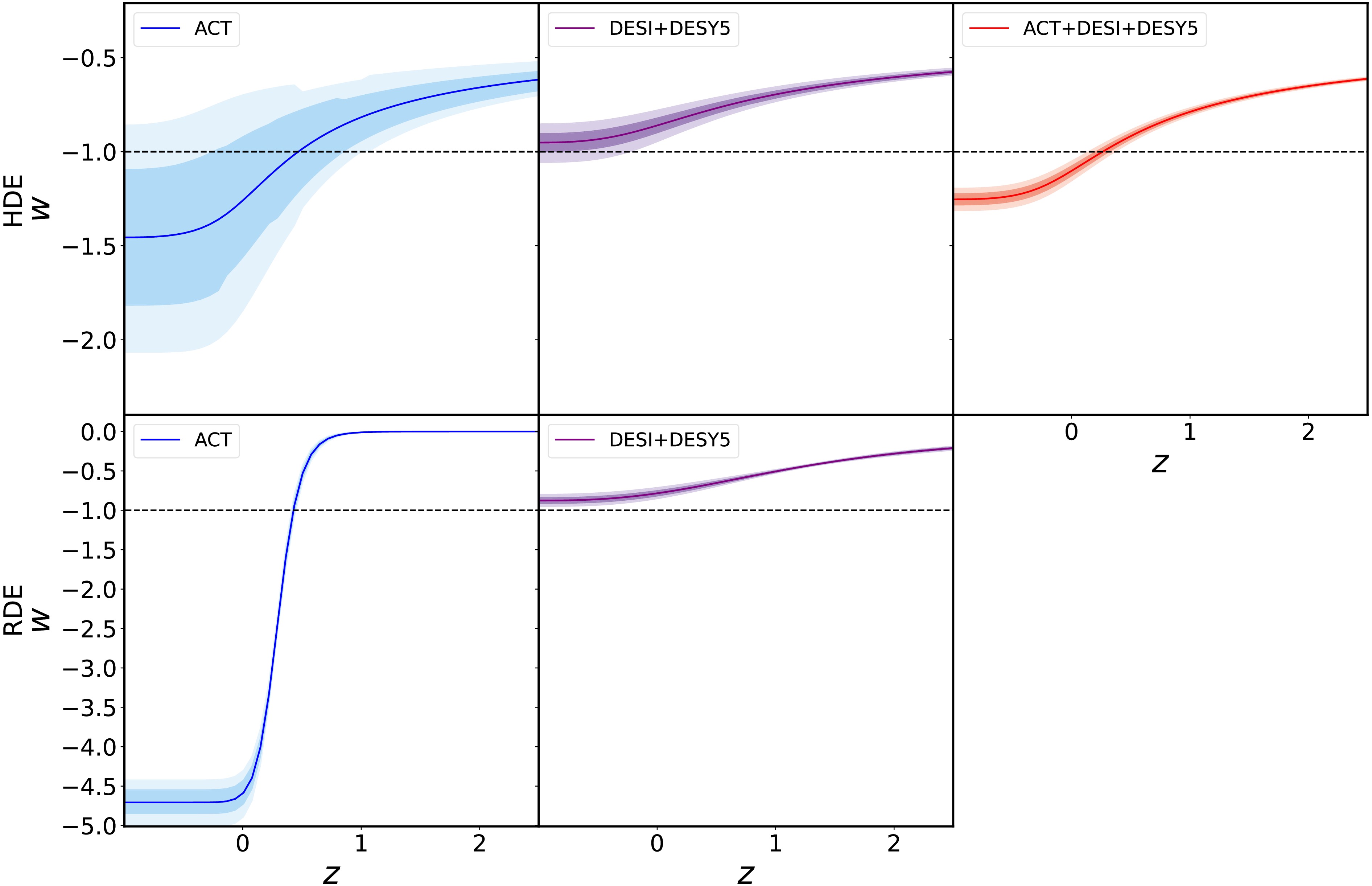
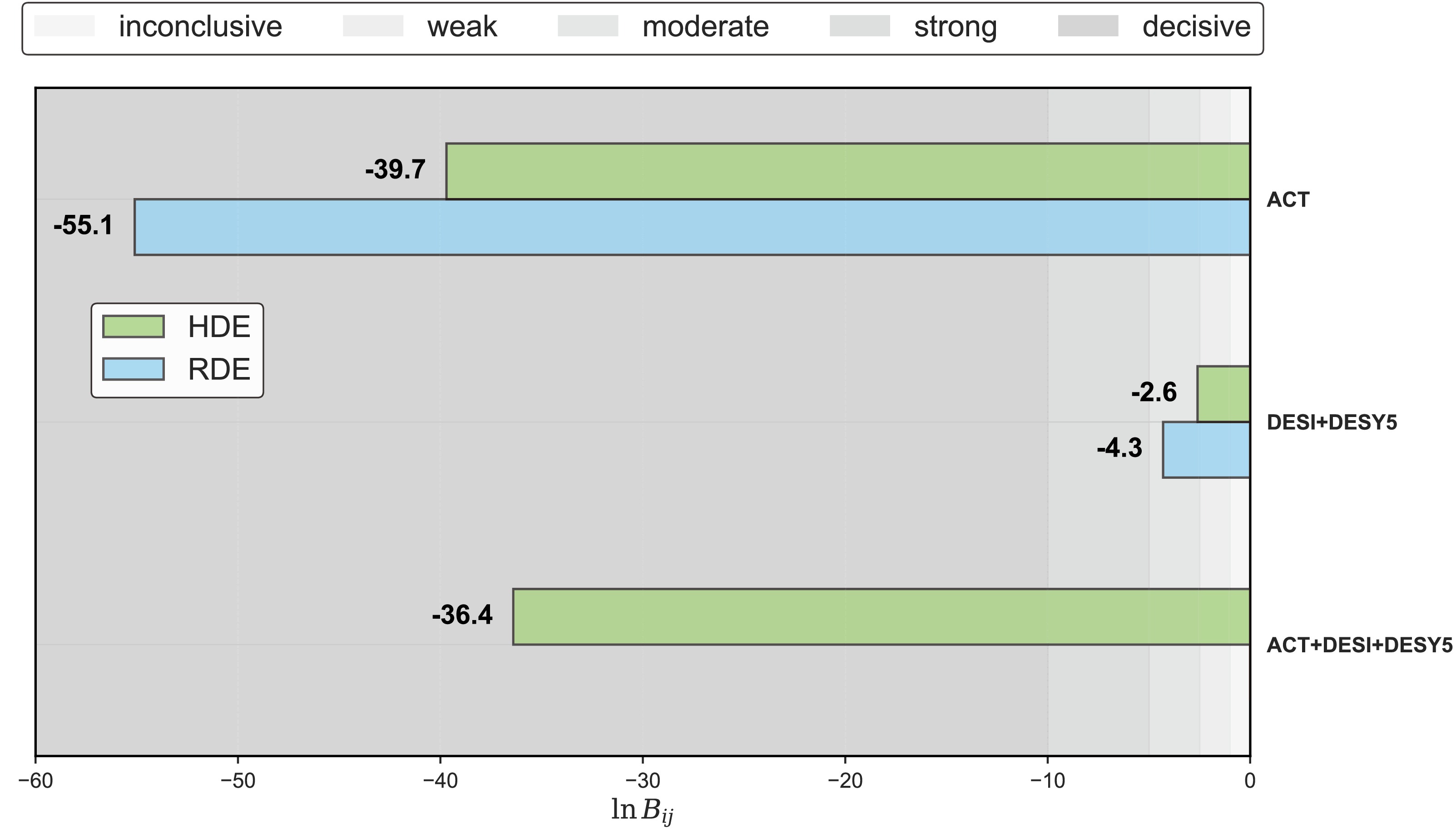
Recent studies suggest that dark energy may be dynamical rather than a mere cosmological constant Λ. In this work, we examine the viability of two physically well-motivated dynamical dark energy models—holographic dark energy (HDE) and Ricci dark energy (RDE)—by validating them with the latest observational data, including ACT cosmic microwave background anisotropies, DESI baryon acoustic oscillations, and DESY5 supernovae. Our analysis reveals a fundamental tension between early- and late-universe constraints within both frameworks: ACT favors a quintom scenario where the dark energy equation of state evolves from\begin{document}$ w>-1 $\end{document} \begin{document}$ w<-1 $\end{document} \begin{document}$ w>-1 $\end{document} \begin{document}$ 10\sigma $\end{document}
Recent studies suggest that dark energy may be dynamical rather than a mere cosmological constant Λ. In this work, we examine the viability of two physically well-motivated dynamical dark energy models—holographic dark energy (HDE) and Ricci dark energy (RDE)—by validating them with the latest observational data, including ACT cosmic microwave background anisotropies, DESI baryon acoustic oscillations, and DESY5 supernovae. Our analysis reveals a fundamental tension between early- and late-universe constraints within both frameworks: ACT favors a quintom scenario where the dark energy equation of state evolves from
IF: 3.1
Monthly issued, founded in 1977
Sponsored by:
ISSN 1674-1137 CN 11-5641/O4
Original research articles, Ietters and reviews Covering theory and experiments in the fieids of
- Particle physics
- Nuclear physics
- Particle and nuclear astrophysics
- Cosmology
Author benefits
- A SCOAP3 participating journal - free Open Access publication for qualifying articles
- Average 24 days to first decision
- Fast-track publication for selected articles
- Subscriptions at over 3000 institutions worldwide
- Free English editing on all accepted articles
News
- CPC Announces 2025 Outstanding Reviewers
- Chinese Physics C Outstanding Reviewer Award 2023
- Impact factor of Chinese Physics C is 3.6 in 2022
- 2022 CPC Outstanding Reviewer Awards
- The 2023 Chinese New Year-Office closure
Cover Story
- Cover Story (Issue 4, 2026): Initial performance results of the JUNO detector
- Cover Story (Issue 3, 2026): Comprehensive investigation on baryon number violating nucleon decays involving an axion-like particle
- Cover Story (Issue 2, 2026) |The images of Brans-Dicke-Kerr type naked singularities
- Cover Story (Issue 1, 2026) A focused review of quintom cosmology: from quintom dark energy to quintom bounce
- Cover Story (Issue 11, 2025) The Earth-Magnet Assists DAMPE in Studying Cosmic Anti-Electrons
Advertising